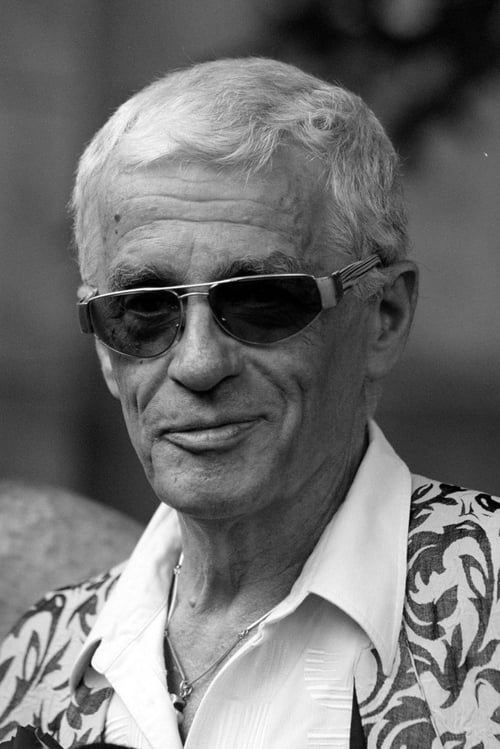
Adam Hanuszkiewicz
Acting
Known For

The Ten Commandments, exact and uncompromising, literally cast in stone, continues to provide a source of moral conflict in contemporary society. In the ten part epic masterpiece, The Decalogue, Krzysztof Kieslowski examines the dilemma of fundamental sin in the lives of ordinary Warsaw citizens.
Dekalog
The reunion of a group of former medical students results in a flood of bitter memories.
Hands Up!

A father and daughter, Michał and Anka, have a unique intimacy, which the college-aged Anka is beginning to feel conflicted about. When she finds an unopened letter from her deceased mother, it seems to justify her attraction to Michał, who may not in fact be her father.
Decalogue IV
A war drama that tells the story of the discovery of the illegal AL printing works by the Nazis, showing the activities of the left-wing underground in the occupied capital.
The Others Will Follow
Polish-born Russian subject Cezary Baryka comes of age during a tumultous period of ten years from 1914 to 1924, during which he witnesses revolution, rebirth of Poland, war with the Soviets and communist plots.
Przedwiośnie
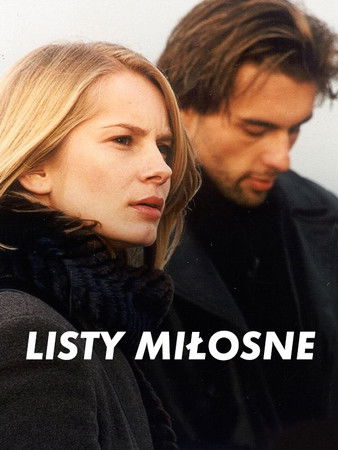
Thirty-year-old nurse Teresa spends her days caring for elderly, dying people. Janusz, a young man she met at an amusement park, enters the life of this bitter and disillusioned woman. Teresa doesn't have the courage to tell him how she feels, and he also has trouble expressing his emotions. They are helped by Julka, a girl from the neighborhood who likes Teresa. She finds a pile of love letters from the beginning of the century in the trash. By forging Teresa and Janusz's handwriting, she starts a love correspondence between them, rewriting fragments of other people's confessions.
Listy miłosne
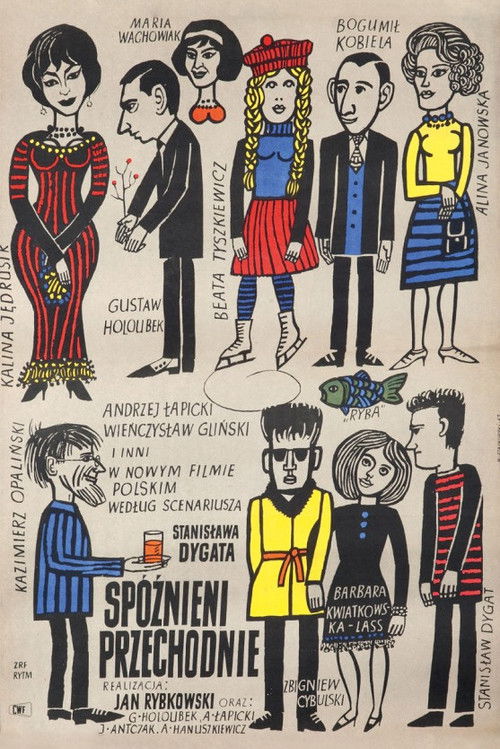
Five short stories. (1) “Czas przybliża, czas oddala” – Edward recalls his unfulfilled love for Anna and, years later, writes to her sister Zofia, mistaking her for Anna. (2) “Krąg istnienia” – A girl falls for Wacek at an ice rink; pressured by family, she marries a soap manufacturer. (3) “Paryż 1945” – A Polish refugee soldier and an American woman share a fleeting wartime bond before she leaves at dawn. (4) “Stary profesor” – Two men seek an old professor to fulfill a dying prisoner’s last wish; Roger impersonates a former pupil. (5) “Nauczycielka” – Neglected wife Zofia accepts film tests, only to find the director seeks an ordinary woman.
Spóźnieni przechodnie

Two-part biopic about General Karol Świerczewski, living embodiment of the party line, and the group of party members from his hometown fighting the fascist forces towards the socialist state of affairs.
Soldier of Victory
No description available.
Marzenia do spełnienia
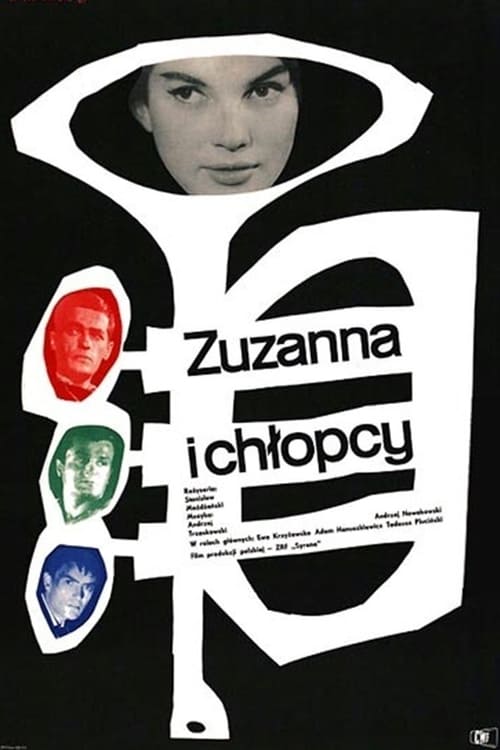
Two man and a woman get buried by the snow while on a cave expedition. Tensions rise between the two men, both in love with the woman as they try to find a way out.
Zuzanna i chłopcy
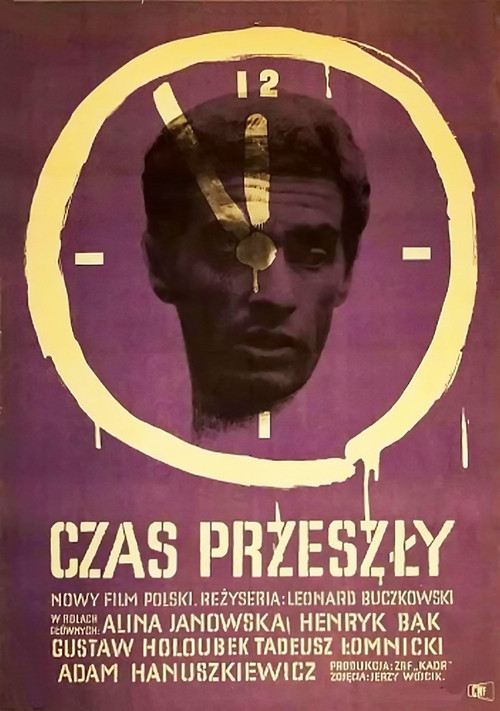
Fram is in a German POW camp where brutal, cold-hearted Gestapo officers like Weber or Von Steinhagen terrorize and execute their Polish prisoners. One day Fram sees a way to escape the camp and he takes it, heading out to find his fellow resistance fighters.
Time Past
Five interpretations of Hamlet's monologue.
Hamlet x 5
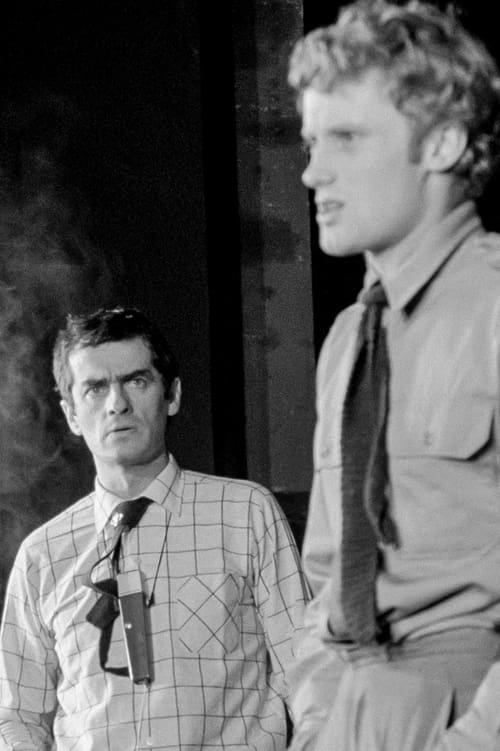
Shots from Hamlet's rehearsals at the National Theatre in 1970, directed by Adam Hanuszkiewicz, performed by Daniel Olbrychski. The film presents various stages of the preparations – from trying on the costumes and memorizing lines to the final staging.
Scenes From The Director's Life
A television play produced for TVP based on Tadeusz Różewicz's drama of the same title. The play is a commentary on the state of post-war and post-Stalinist era Polish society, illustrated through three stories. The title of this play coined the term 'mała stabilizacja' (literally: 'little stabilization'), referring to the era of political stability that came in the early 1960s when the political climate changed.