Jan Krawitz
Directing
Biography
Jan Krawitz has been independently producing documentary films for 35 years. Her work has been exhibited at film festivals in the United States and abroad, including Sundance, the New York Film Festival, Visions du Réel, Edinburgh, SilverDocs, London, Sydney, Full Frame, South by Southwest and the Flaherty Film Seminar. She has recently completed Perfect Strangers, a documentary that follows one woman as she embarks on an unpredictable, four-year journey of twists and turns, determined to give away one of her kidneys. Krawitz’s previous film, Big Enough, was broadcast on the national PBS series P.O.V. and internationally in eighteen countries. Her documentaries, Mirror Mirror, In Harm’s Way, Little People, and Drive-in Blues were all broadcast on national PBS and her short film Styx is in the permanent collection of the Museum of Modern Art. Little Peoplewas nominated for a national Emmy Award and was featured on NPR’s All Things Considered. Krawitz has had one-woman retrospectives of her films at venues including the Portland Art Museum, Hood Museum of Art, Rice Media Center, the Austin Film Society, and the Ann Arbor Film Festival. In 2011, she was awarded an artist’s residency at Yaddo. Krawitz is a Professor at Stanford University where she teaches in the M.F.A. Program in Documentary Film and Video.
Known For

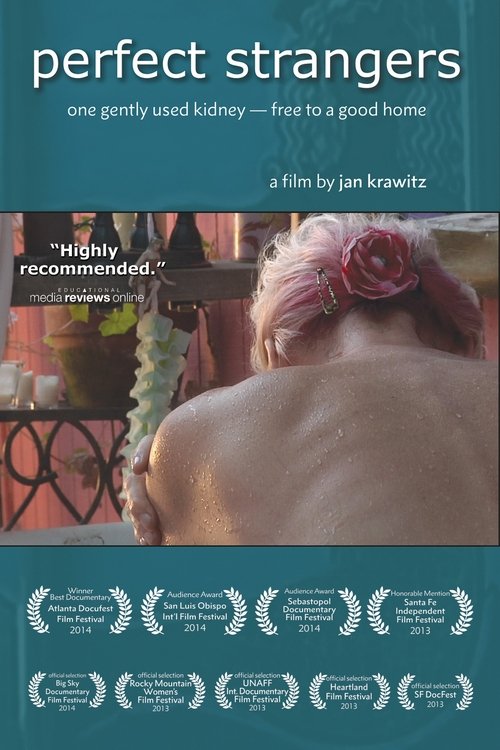
What lies beyond the art of giving and receiving? Ellie, a liberal Democrat and kind-hearted masseuse, decides she wants to share the gift of life with a stranger. Five hundred miles away, Kathy loses hope of receiving a transplant until she hears from Ellie. Over the course of four years, both women face unexpected challenges.
Perfect Strangers

In a letter to an artist lost to suicide at age twenty-eight, a filmmaker revisits his own battle with a rare anxiety disorder, forging an intimate relationship with his mother.
Esto, que llevo dentro

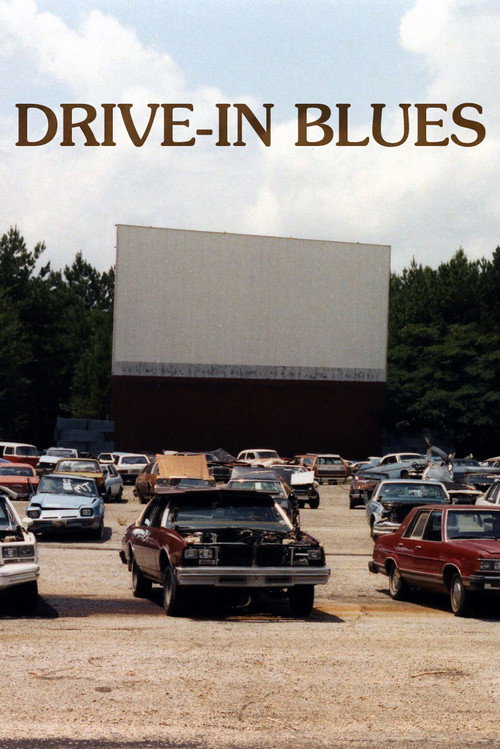
Drive-In Blues celebrates the drive-in and laments its decline. A blank white screen looms behind interviews with old-time theatre owners who reminisce about the heyday of the drive-in and confront the reality of a dying business. Laced with unusual archival trailers, the tone of the film swings between camp and nostalgia.
Drive-in Blues

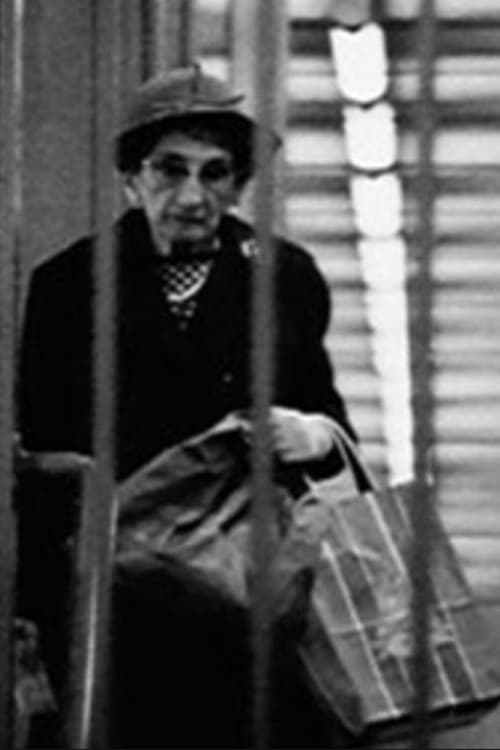
A very unusual exploration of the Philadelphia subway and its riders, which creatively utilizes black and white photography.
Styx
The arduous lifestyle of a traveling tent circus often contradicts the romantic notion of “running away with a circus.” This film documents the daily routines of the small, family-owned Franzen Bros. Circus. While focusing on those aspects of the circus that are not generally accessible to the circus audience, 'Cotton Candy and Elephant Stuff' captures the magic and the routine of circus life.
Cotton Candy and Elephant Stuff
Mirror Mirror provocatively explores the relationship between a woman’s body image and the quest for an idealized female form. Blending humor and candor, the film incisively illuminates the vagaries in the concept of an “ideal” body type. A tension exists between the visual statement created by masks and mannequins and the rich diversity of the voices appearing in the film. Thirteen women, of varying age, size, and ethnicity, reveal the ambivalence with which they regard their own bodies. Their musings about specific body parts are underscored by archival footage of beauty competitions.
Mirror Mirror
Documentary about dwarves and dwarfism.
Little People

In the 1950s, thousands of “social guidance” films were shown to shape behavior according to traditional gender norms. “Nice Girls Don’t Ask” excavates footage from vintage educational films to cast a subversive but humorous lens on the proffered rules and expectations. What was the cost of this behavioral straitjacket for a generation of women? Is the pendulum creeping back?
Nice Girls Don't Ask
Meet Mark and Anu Trombino, Karla and John Lizzo, Len and Lenette Sawisch, and Sharon and Ron Roskamp. They lead typical American lives: they have children, pursue successful middle-class careers, and live in the suburbs. If you did business with any of them over the phone, you would probably have no reason to suspect they are anything but typical. If you were to meet them, however, you'd be surprised to find that they are all dwarfs, with the exception of John Lizzo, the tall, rangy fellow who married Karla.
Big Enough

A documentary on the group The Radical Faeries.