
Ko Nakajima
Directing
Biography
Nakajima Ko began his career in experimental animation with the creation of works such as Seizoki (1964). At his solo exhibition at the Sogetsu Art Center, a space for avant-garde art in 1960s Tokyo, he produced Seizoki by painting directly on the film between screenings. His perennial interest in integrating new technologies, exploring the potential of film, video, and eventually computer animation, joined his desire to explore human intersections with nature, as seen in his Biological Cycle series (1971-); he created the first work in the series, Biological Life (1971-), by copying manipulated film footage onto video, then further manipulating the work with a video synthesizer. In 1971, Nakajima established Video Earth Tokyo, the pioneering video-art collective. Nakajima used one of the earliest available portable video recorders to document Video Earth Tokyo performance pieces and teach the new technology. Video Earth Tokyo members created works, broadcast works on cable television, and participated in international exhibitions and emergent CG (computer graphics) conferences. In 1982, Nakajima introduced his Aniputer. Aniputer technology allowed wide access to creation of video animation, as this personal portable computer integrated with a video camera, developed in collaboration with Japan Victor Company (JVC), allowed any user to directly manipulate video and images on a screen, creating animations in real time. Nakajima used his expertise manipulating film, photography, and video with computer technology to create what is perhaps his best known work, Mt. Fuji (1984), a ninety-minute rhythmic meditation on nature, spirituality, and perspective. Nakajima has produced works in France, Canada, New Zealand, and Denmark. Representative works include Biological Cycle series (1971-), My Life series (1976-), Mt. Fuji (1984), and Dolmen (1987). His works are in permanent collections internationally, including in Centre Georges Pompidou (France), The Museum of Modern Art (U.S.), Long Beach Museum of Art Video Archive (U.S.), and the Getty Research Institute Special Collections (U.S.).
Known For
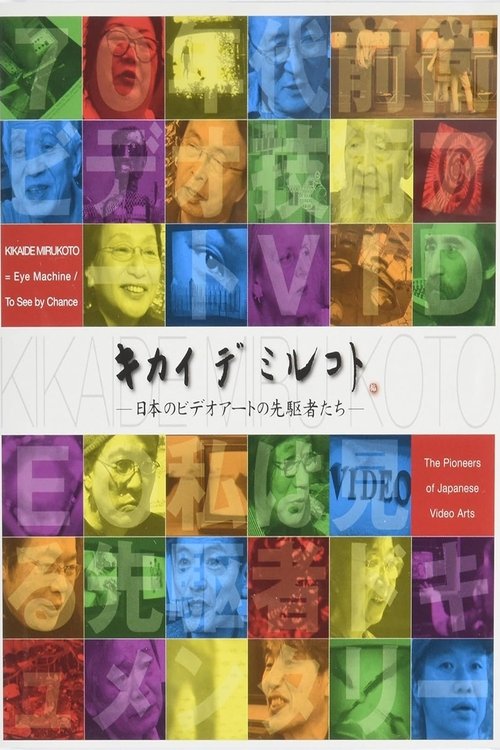
Video began as a medium that inspired discovery. This art documentary traces the expressive roots of “media art” in Japan — works of video, performances, and installations created using video technology that allowed for free and creative visual expression.
KIKAIDE MIRUKOTO = Eye Machine / To See by Chance –The Pioneers of Japanese Video Arts–
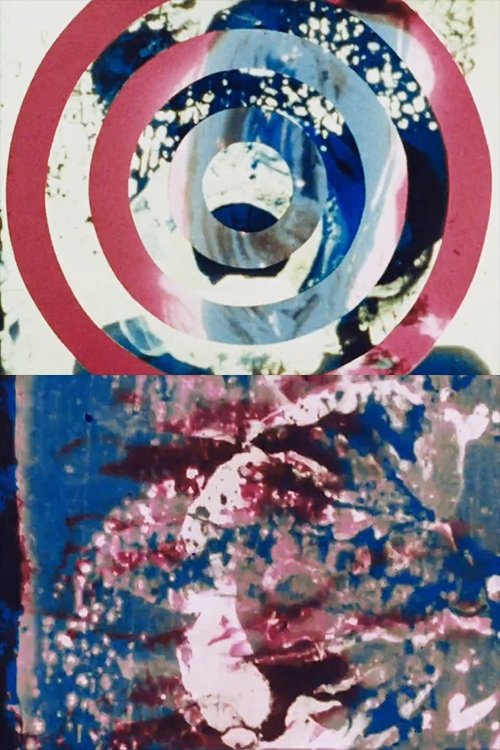
After graduating from Tama University of Arts, Nakajima made this work with the intention of submitting to the Sogetsu Animation Festival. Without much funding to work with, Nakajima devised the technique “Kaki-mation,” a method of drawing directly on 35mm film. At this time, he frequented Studio Zero—the formative mainstream animation / cartoon production company of the period with members Shinichi Suzuki, Jiro Tsunoda, Fujiko Fujio, and others.
Anapoko
A seven minute rhythmic meditation on nature, spirituality, and perspective.
Mt. Fuji
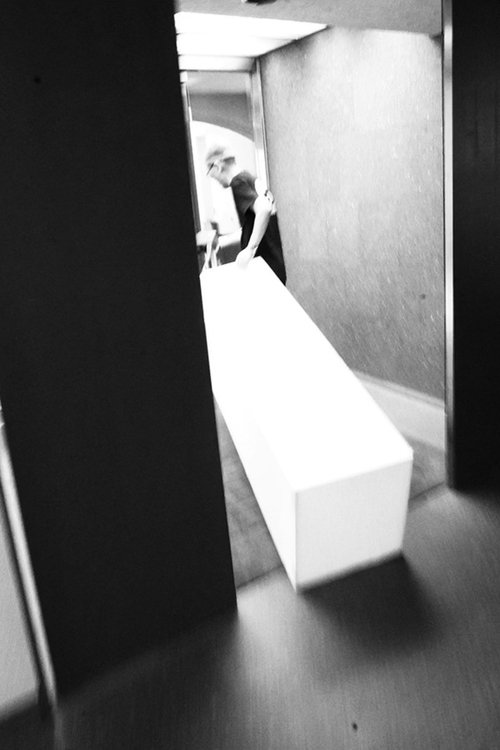
The Rooms in the Photographs — Ko Nakajima’s Rooms Directed by Ko Nakajima, Photography by Hitoshi Kubo and Yosuke Nakagawa. Edited by Hitoshi Kubo. Courtesy of Keio University Art Center Produced in 2019 in conjunction with the research and exhibition organized by Hitoshi Kubo of Keio University Art Center, The Rooms in the Photographs — Ko Nakajima’s Rooms strings together a series of photographs documenting his studio in Tokyo and Nakajima’s performance. Conceived in conjunction with the research into Nakajima’s 1,500 photo documentation of artist Yutaka Matsuzawa’s Psi Zashiki Room in 1969, the project is an invaluable record of Nakajima’s extraordinary work space where video equipments, films and videos, printed materials, amassed over the years function as a system for Nakajima’s memory keeping. Seemingly random and chaotic placement of objects produced an idiosyncratic formula for the artist to access certain information—the studio and his brain functioned as one.
The Rooms in the Photographs — Ko Nakajima’s Rooms
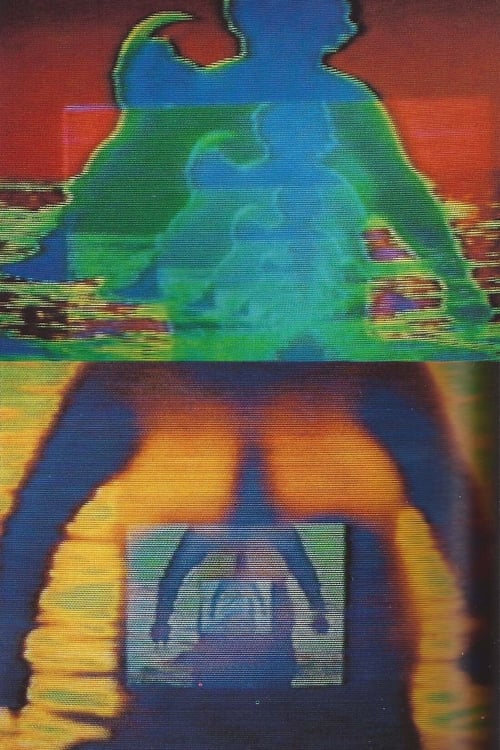
This work was created to commemorate the reversion of Okinawa to Japan.
Horizon
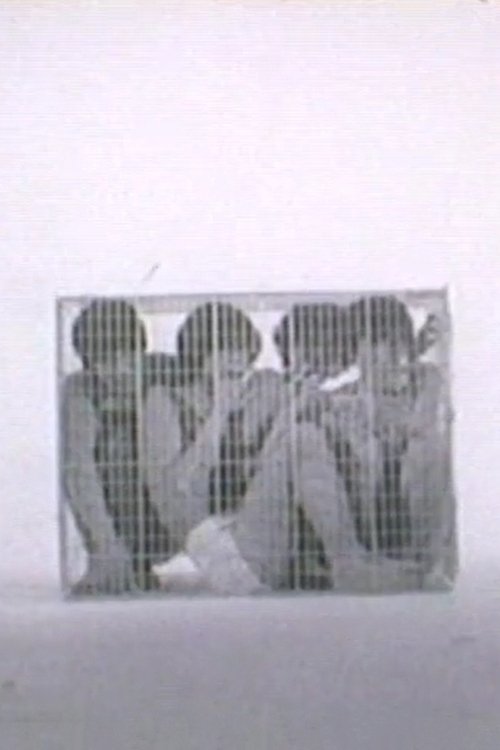
A political work in which Ko Nakajima opposes himself to the Vietnam War.
Shadow
A work of Video Earth Tokyo. Carrying in the rice cooker to the Shinkansen (express train), the group cooked rice between Tokyo and Nagoya. As the train arrives, they started to have a dinner party on the platform.
Shinkansen Researching Foods
The document, which splices together footage from both Osaka and Montreal, offers a rare comparative insight into the two events. It is believed to have been part of a longer documentary made in collaboration with Masuo Ogawa. These "world’s fairs" were colossal events featuring displays from countries and corporations around the world, providing a testing ground for technologies from IMAX screens to security systems. Despite a culture of ambivalence and resistance surrounding Expo ’70, due to its depoliticized celebration of “progress and harmony for mankind” in the era of U.S.-sponsored conflicts in Asia, the pavilions were often run in collaboration with artists.
Documentation of Osaka Expo '70
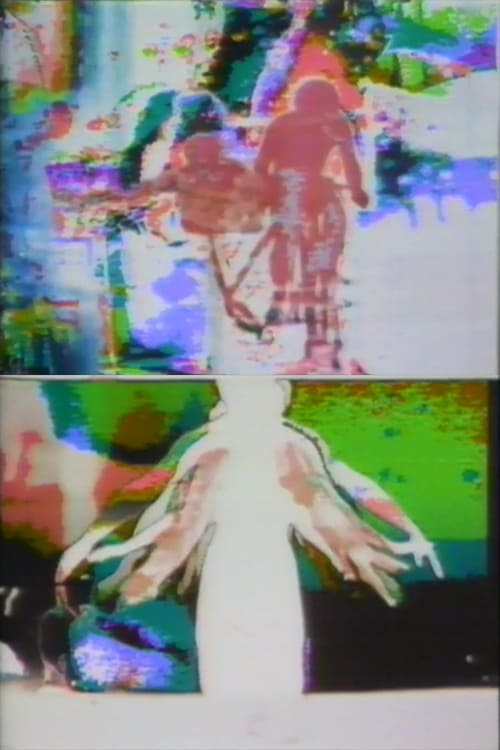
The series, based on the first 16mm film that was shot in a studio with Nakajima’s family and birds, moves through media and processing transformations over many iterations over the years. Once transferred to video, digital effects were added using the “Animaker,” an electronic image synthesizer that he invented (also nicknamed “Ko-puter”). Total of 6 parts exist.
Biological Cycle No. 2
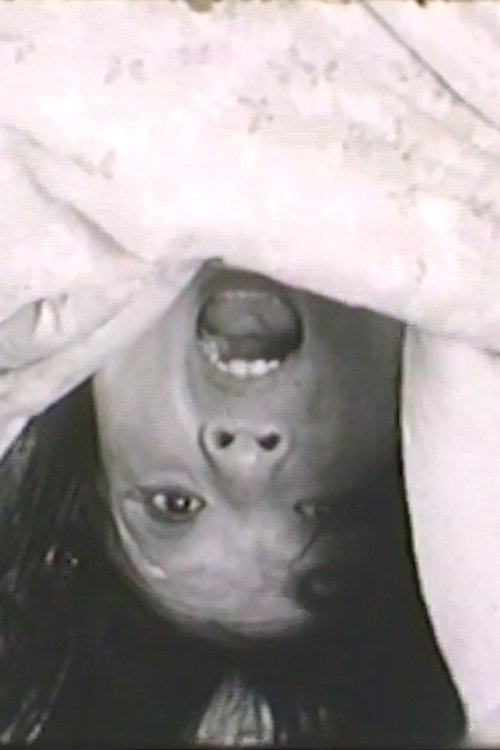
A feminine crossdresser explores their sexuality.
Under a Tree...
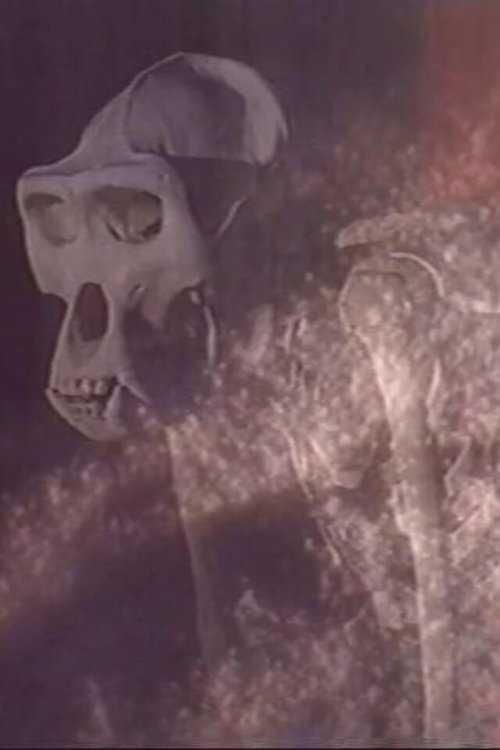
This work features the salt marshes of Montpellier France, and uses computer graphics to create fantastical imagery.
Esprits de Sel
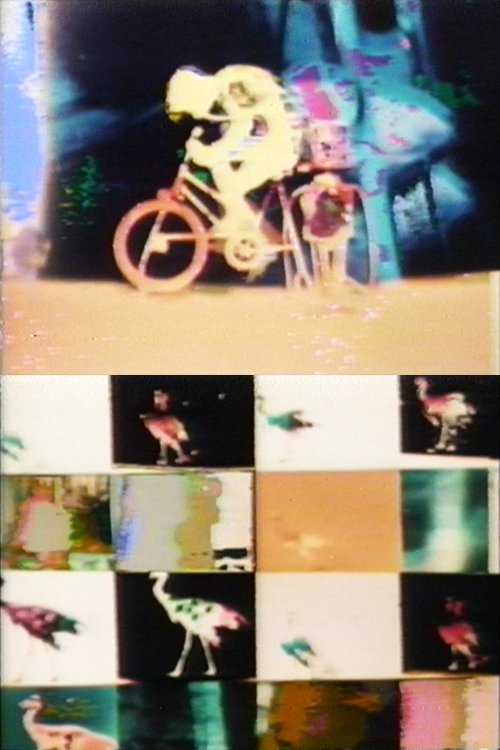
The series, based on the first 16mm film that was shot in a studio with Nakajima’s family and birds, moves through media and processing transformations over many iterations over the years. Once transferred to video, digital effects were added using the “Animaker,” an electronic image synthesizer that he invented (also nicknamed “Ko-puter”). Total of 6 parts exist.
Biological Cycle No. 3
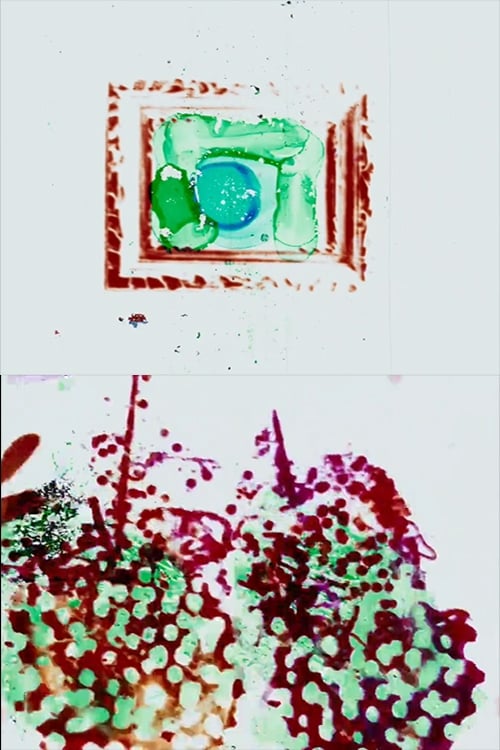
This is an animation using the “Kaki-mation” technique. This piece can be shown as a multiscreen piece with 3 screens.
Seizoki
Art Com Video #2. A collection of video and performance art mostly from Japan (one is from a Canadian Artist and the piece is about Japan) and includes these pieces: Mt. Fuji - Ko Nakajima, Flow (3) Part 2 - Sinsuke Ina, Koto Buki - Tetsuo Sekimoto, Listen the Body - Yoshiomi Yamaguchi, My Gaijin Tengoku - Byron Black, Alley of Alley - Akira Matsumoto, and Japanese Syllabary - Yoh Hayafuji
Waveforms: Video/Japan
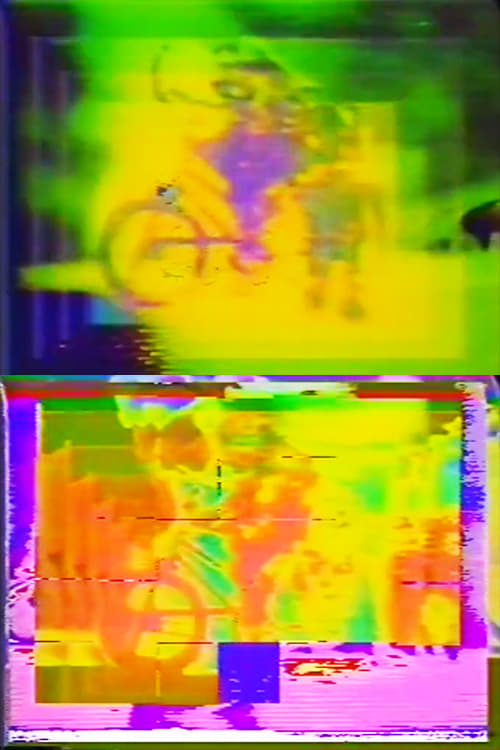
The series, based on the first 16mm film that was shot in a studio with Nakajima’s family and birds, moves through media and processing transformations over many iterations over the years. Once transferred to video, digital effects were added using the “Animaker,” an electronic image synthesizer that he invented (also nicknamed “Ko-puter”). Total of 6 parts exist.
Biological Cycle No. 5
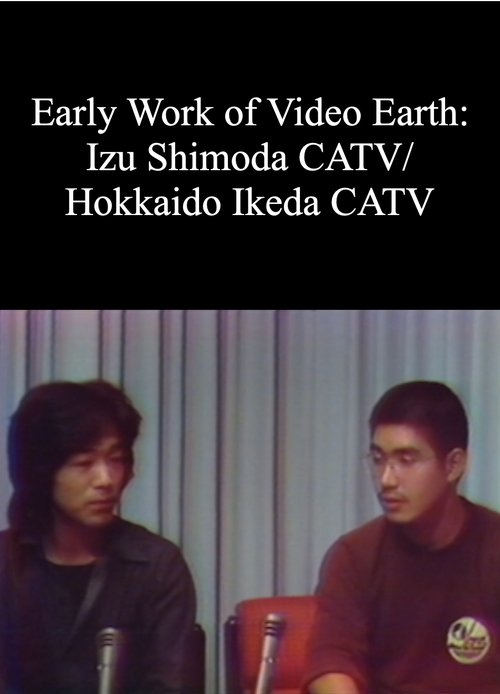
A document of the nascent collective Video Earth's activities relating to the programming, operation and organisation of cable access television networks across Japan.
Early Work of Video Earth: Izu Shimoda CATV/ Hokkaido Ikeda CATV
In this tape, Ko Nakajima and Video Earth Tokyo interview a homeless man. The subject is initially angry and frustrated, but gradually opens up and shares stories about his life. Under A Bridge was later broadcast on cable television.
Under a Bridge
No description available.
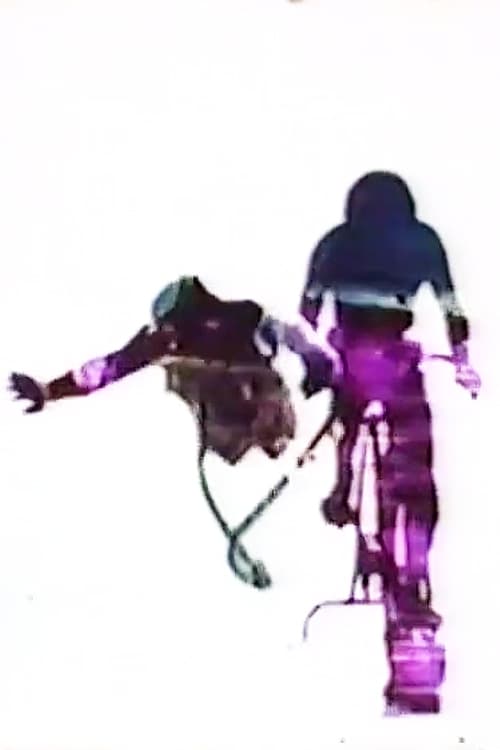
Biological Cycle No. 1
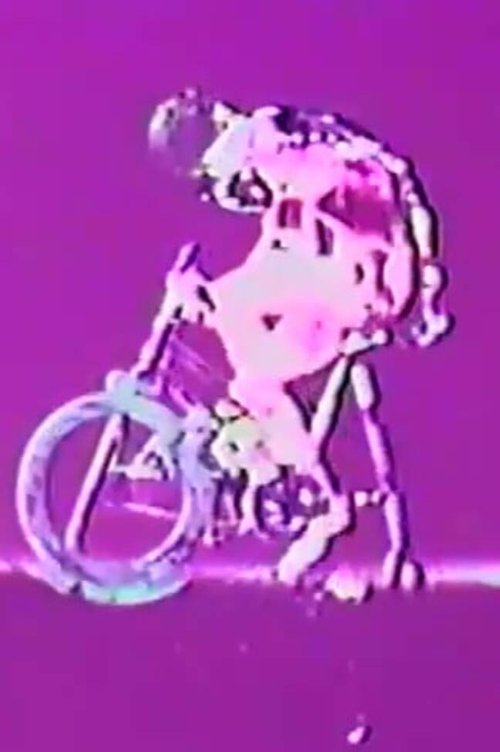
The series, based on the first 16mm film that was shot in a studio with Nakajima’s family and birds, moves through media and processing transformations over many iterations over the years. Once transferred to video, digital effects were added using the “Animaker,” an electronic image synthesizer that he invented (also nicknamed “Ko-puter”). Total of 6 parts exist.
Biological Cycle No. 4

A work of Video Earth Tokyo, it is an interview with a homeless who lived in the Aoyama cemetery. Photography by Michael Goldberg.