Writing
1744. Russian Empire. Being childless, but at the same time wanting to finally consolidate on the Russian throne of his - "Peter's" line of the Romanov dynasty, Empress Elizabeth Petrovna decides to marry his nephew Karl Peter Ulrich, brought from Prussia, called in Russia "Peter Fyodorovich" to some noble, but preferably not very rich and not very willful European "princess". Elizabeth is intrigued by the brave young guardsman and his intercession for Yaguzhinskaya, and she gives Belov "an assignment of national importance" - to secretly bring his important guests to Russia from Prussia. The ubiquitous vice-chancellor Bestuzhev learns about it. He summons Alexei Korsak, Belov's friend who will keep Alexander company on his trip to Prussia, and instructs him to become a spy on Belov, threatening Korsak with "exile to the galleys" and "Siberia" for his wife and young son if he refuses.
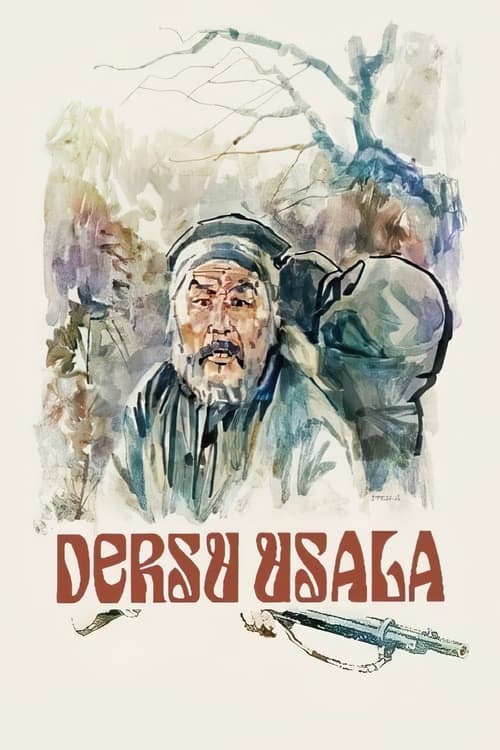
A military explorer meets and befriends a Goldi man in Russia’s unmapped forests. A deep and abiding bond evolves between the two men, one civilized in the usual sense, the other at home in the glacial Siberian woods.
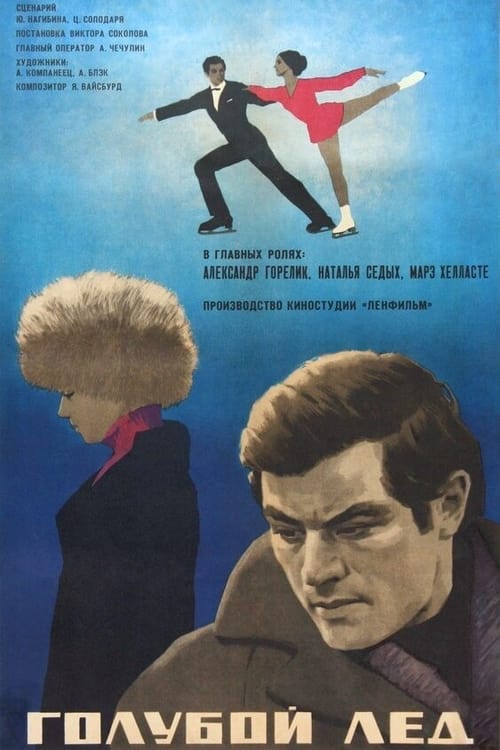
The Berestovs, Elena and Sergei, are defeated in the European Figure Skating Championship and must change the program. Elena is unable to withstand the grueling new training. Sergei tries to find a new throwing partner, but realizes his mistake and must return to Elena.
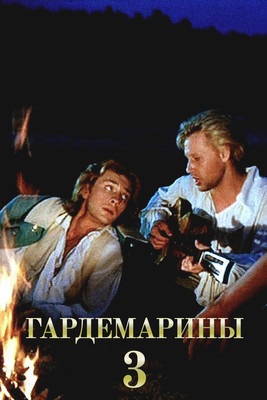
In the second movie the Naval Cadets are guarding the princess coming from Germany to marry a Russian prince.
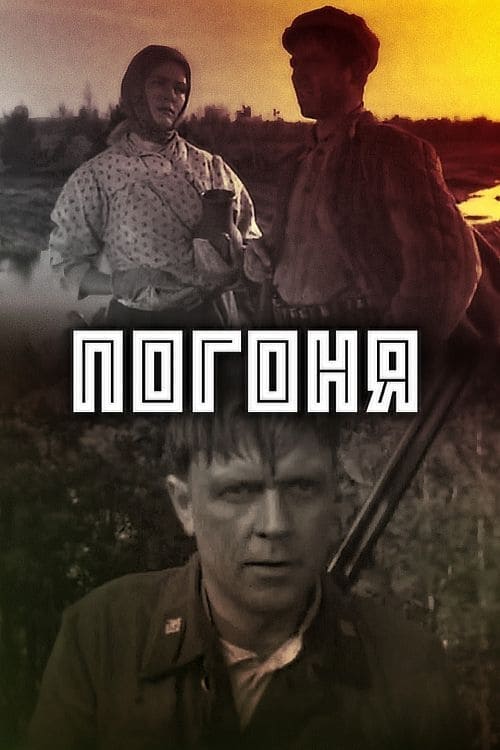
Screen adaptation of Yuri Nagibin's novel of the same name about a gamekeeper who pursues a poacher.
Three naval cadets accidentally get possession of a secret diary that was stolen from Bestuzhev, a vice-chancellor of Russia. If this diary ever gets abroad, the consequences for the country would be grave. The cadets are trying to return the papers to their owner, but there are others who want to get the papers...
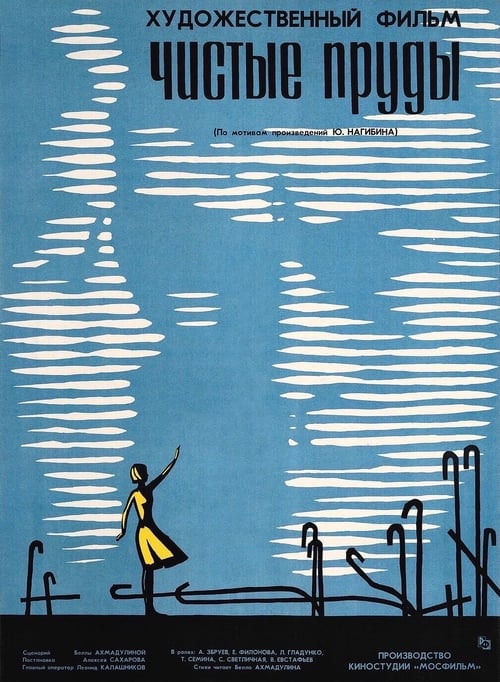
Four inseparable friends — Sergei, Nina, Oska and Zhenya — spent all their school childhood on the Clean Ponds, in Moscow. But the school is over, and in their beloved gazebo they dream of the future, swear fidelity to each other and do not yet know that tomorrow war will break out and they will become participants in terrible events.
There is a seven-year war, Russian soldiers are forced to fight for the interests of France and Austria against Prussia. The midshipmen continue to selflessly serve the Motherland. One is on an expedition, the other is at court, and the third is sent to Venice to hand over a jewelry box. In fact, there is a message in the box, on which the future fate of Europe and Russia depends!
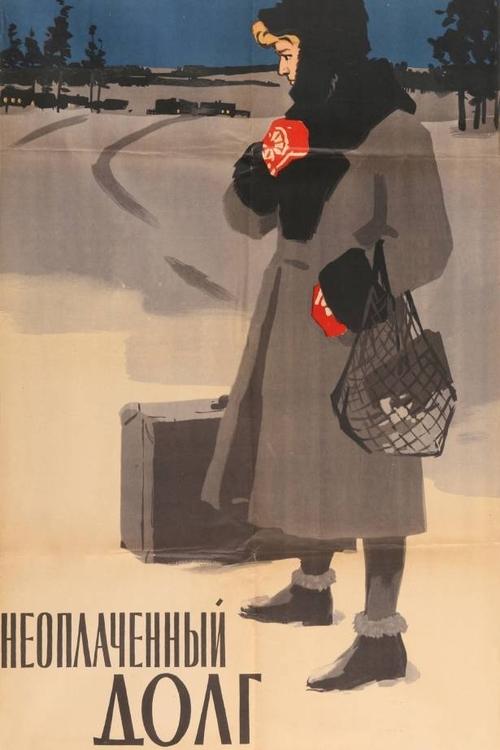
Winter. At a small station where passing trains stop for only one or two minutes, Marushkin, the driver, meets a new agronomist, Lyusya Krechetova, who has arrived from Leningrad. At first, she looks curiously at her new life, which has neither comfort nor basic amenities. But soon this incomprehensible life, where only the truly passionate live and work, begins to annoy her. Unable to withstand the trials of selfless work, Lucy says goodbye to her new friends and returns home...
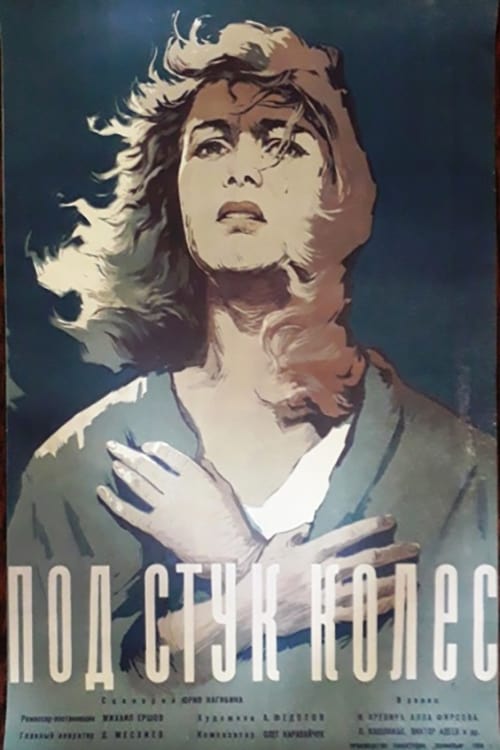
Sitting in the train compartment, Yegor recalls his childhood and his friendship with Nastenka, the most cheerful and mischievous girl in the village. Yegor left to study, while Nastenka grew into a charming young woman, dropped out of school, and began working at a resort. The vacationers predicted a brilliant career as an artist for her, and Nastya forgot her childhood friend. The guests from the capital who had promised to bring her to Moscow also forgot about her.
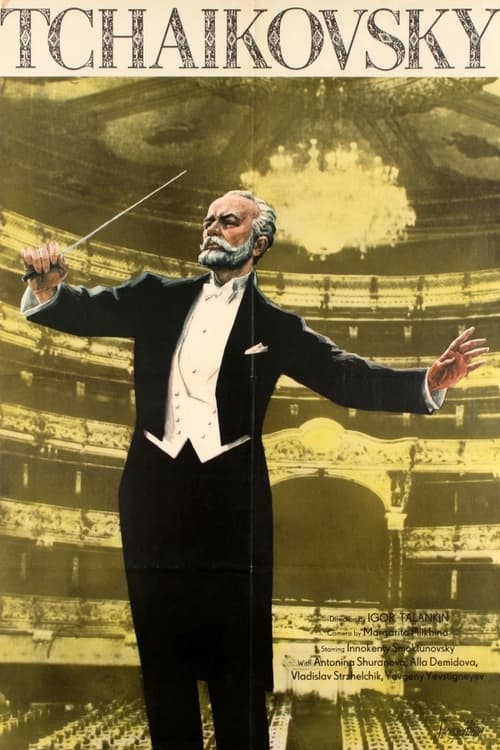
The film is dedicated to the great Russian composer Pyotr Tchaikovsky (1840-1893). It tells of the last twenty years of the great master’s life, of his friendship with Baroness von Meck, an outstanding woman of her time, who for many years was Tchaikovsky’s guardian angel. The film also includes retrospections of the composer’s childhood and adolescent years, with Tchaikovsky’s life poetically recounted against the background of fragments from his operas and ballets performed by the best Russian musicians.
Vika is staying for the last day at her fisherman grandfather's. Today, her father should come but she doesn't want to leave. In the morning, her grandfather goes to sea to check the nets and Vika wanders along the beach and talks with her rocks-friends. The pensive girl creates a special world of relationships with people and nature.
Volkhov Front in 1942. The young political instructor of the counter-propaganda department of the headquarters of the division Rusanov is torn to the forefront. Together with an experienced warrior — captain Shaternikov — the hero gets to the forefront and transmits from the sound transmission programs addressed to German soldiers. And in the hours of calm passes several kilometers in order to see Katya, the signal woman of a neighboring sector of the front.
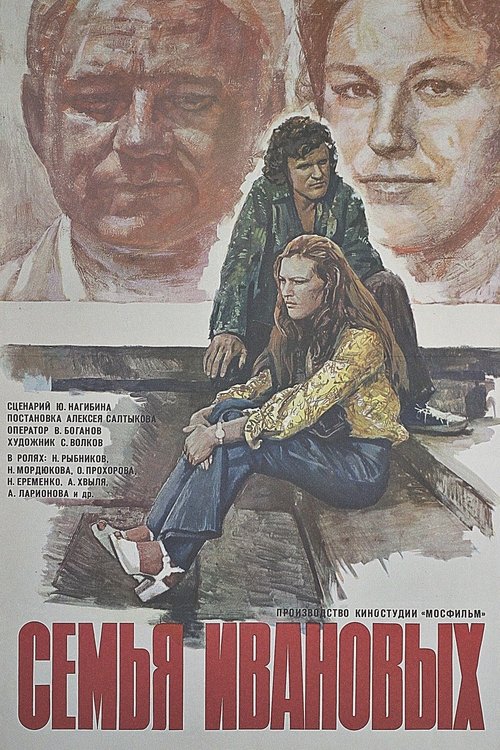
Aleksei comes to Chelyabinsk from Moscow — a young student who proclaims a free lifestyle, not constrained by everyday hard labor. Aleksei falls in love with a young singer Lyudmila, the daughter of hereditary workers. When a Moscow student enters the family of noble steelworkers — people who are proud of their working roots, his self-identity changes. From now on, to Aleksei idleness already seems shameful, and idleness is shameful. To be worthy of such highly respected people as the Ivanov family, Aleksei goes to work as a steelworker.
While on a business trip to Leningrad, engineer Sergei Gushchin meets a young woman and quickly falls for her. Acutely aware of the age difference between the two, the man decides against pursing the relationship.
About the adventures of curious little boy from preschool.
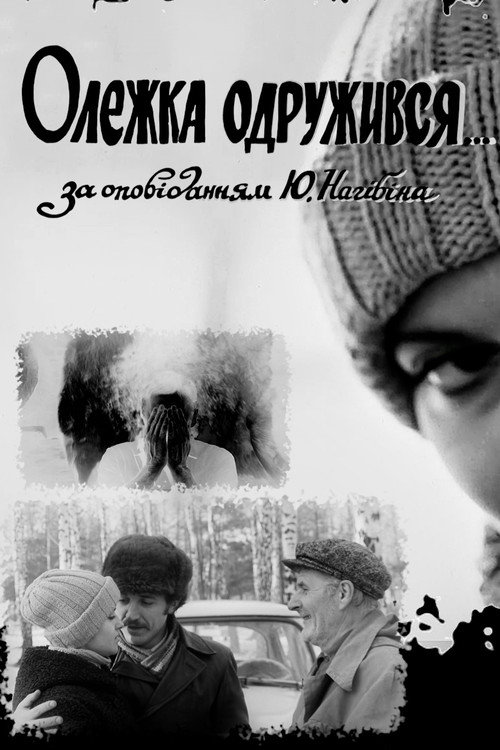
Olezhka arrives at a hunting lodge to visit the elderly gamekeeper Bolotov, a former wartime comrade of his father. He is accompanied by two friends, Vadya and Nadinka. Lightheartedly and somewhat provocatively, Oleh introduces Nadinka as his wife—but Bolotov takes this lie to heart, embracing it with genuine emotion and reading into it a deeper meaning.
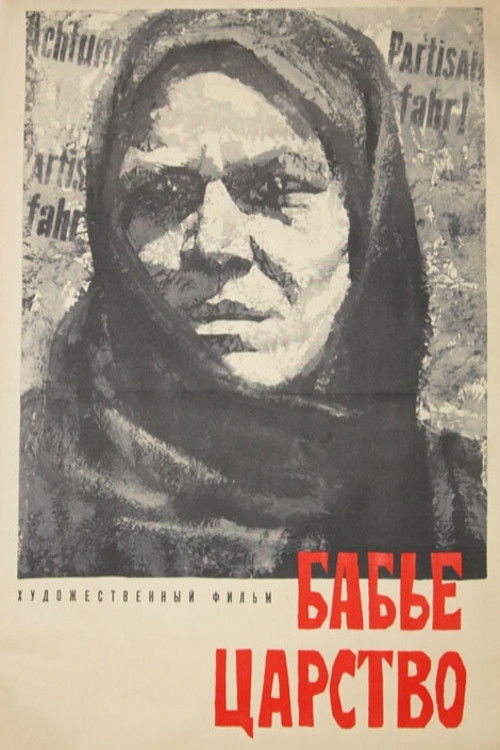
A story about Soviet women and their village set during the years after WWII.
Sergei Voronov comes to the floodplains of the Dniester to hunt. He is here for the first time, and he is recommended by the huntsman Vasiliy, nicknamed "Newlywed". In the evening, by the fire, the men started talking about wives. Voronov's cynical views cause a protest from Vasiliy. He wants to go home. With irony, Voronov agrees to let the "Newlywed" go until morning. When Vasiliy returns, Voronov is surprised to learn that the huntsman has been married for over ten years. Over the years, Vasiliy did not lose his youthful enthusiasm, falling in love with his wife. Therefore, his fellow villagers called him "The Newlywed".