FEEL IT.STREAM
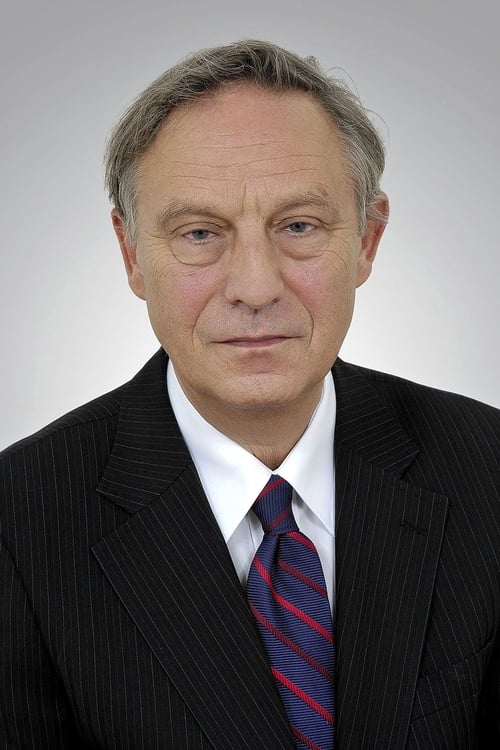
Krzysztof Piesiewicz

Krzysztof Piesiewicz

Writing

Biography

From Wikipedia, the free encyclopedia Krzysztof Piesiewicz (Polish pronunciation: [ˈkʂɨʂtɔf pjɛˈɕɛvit͡ʂ]; born on October 25, 1945 in Warsaw, Poland) is a Polish lawyer, screenwriter, and politician, who is currently a member of the Polish Parliament and head of the Ruch Społeczny (RS) or Social Movement Party. Piesiewicz studied law at Warsaw University and began practicing in 1973. Through the late 1970s he became increasingly involved in political cases, defending opponents of the Communist regime, serving as a legal advisor for Solidarity, and assisting in the successful prosecution of the murderers of Jerzy Popiełuszko. In 1982 he met the film director Krzysztof Kieślowski, who was planning to direct a documentary on political show trials in Poland under martial law. Piesiewicz agreed to help, though he doubted whether an accurate film could be made within the constraints of the judicial system; indeed, the filmmakers found that their presence in court seemed to be affecting the outcomes of cases, often improving the prospects of the accused, but making it hard to capture judicial abuses. Kieślowski decided to explore the issue through fiction instead, and the two collaborated for the first time as writers on the feature film No End, released in 1984. Piesewicz returned to his law career, but remained in touch with Kieślowski and three years later persuaded him to create a series of films based on the Ten Commandments. This series, The Decalogue, explored the filmmakers' mutual interest in moral and ethical dilemmas in contemporary social and political life, and achieved (belated) critical acclaim around the world. Their later collaborations, The Double Life of Véronique and Three Colors (Blue, White, Red), focused on metaphysical questions of personal choice and appeared relatively apolitical, though the latter series was based on Piesiewicz's idea of dramatizing the French political ideals of liberty, equality, and fraternity in the same way they had previously dramatized the Ten Commandments. Piesiewicz was credited as co-writer on all of Kieślowski's projects after No End, the last of which was Nadzieja, directed by Stanislaw Mucha after Kieślowski's death. He has begun writing a new series of films, The Stigmatised; the first of these, Silence, was directed by Michał Rosa and released in 2002. Piesiewicz's career in electoral politics began in 1989, when he began working in the Social Movement for Solidarity Electoral Action (RS AWS) party, originally the political wing of the Solidarity union and the leading party in the center-right AWS coalition. In 1991 he was elected to the Polish Senate, served for two years, then returned in 1997. In 2002, RS AWS changed its name to RS and elected Piesiewicz as its leader. He is a Roman Catholic.

Known For

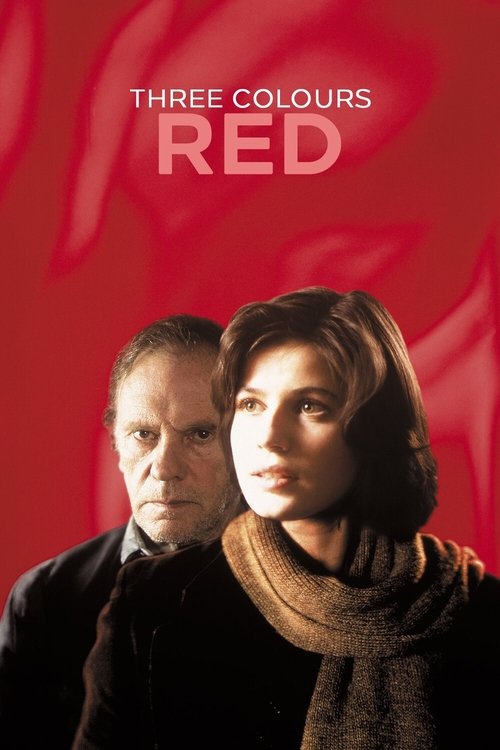
Three Colors: Red
7.9

Part-time model Valentine unexpectedly befriends a retired judge after she runs over his dog. At first, the grumpy man shows no concern about the dog, and Valentine decides to keep it. But the two form a bond when she returns to his house and catches him listening to his neighbors’ phone calls.

Three Colors: Red

1994
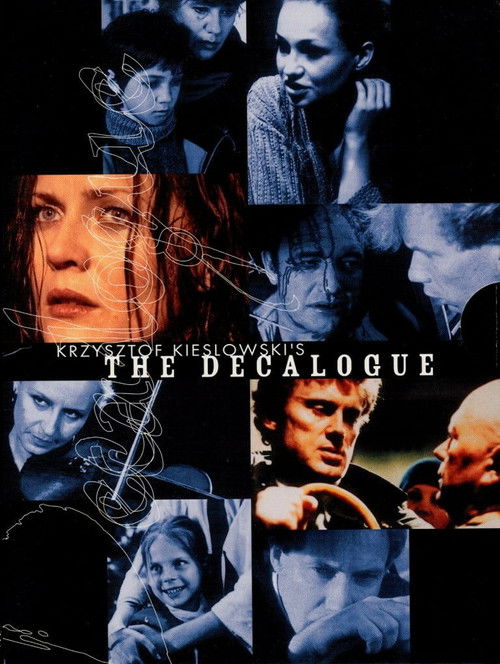
Dekalog
8.5

The Ten Commandments, exact and uncompromising, literally cast in stone, continues to provide a source of moral conflict in contemporary society. In the ten part epic masterpiece, The Decalogue, Krzysztof Kieslowski examines the dilemma of fundamental sin in the lives of ordinary Warsaw citizens.

Dekalog

1989
Parallel Tales
5.6

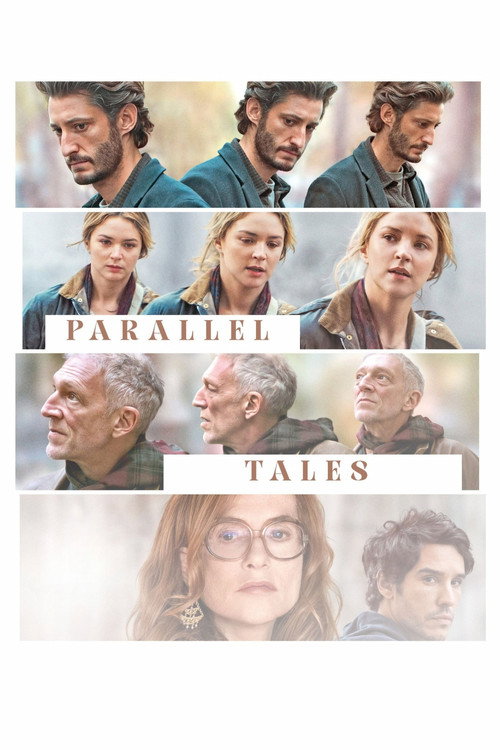
In search of inspiration for her new novel, Sylvie spies on her neighbors in the building across the street using a telescope. When she hires young Adam to help her with her daily routine, she has no idea that he will turn her life and her work upside down, until the fiction she had imagined surpasses the reality of them all.

Parallel Tales

2026
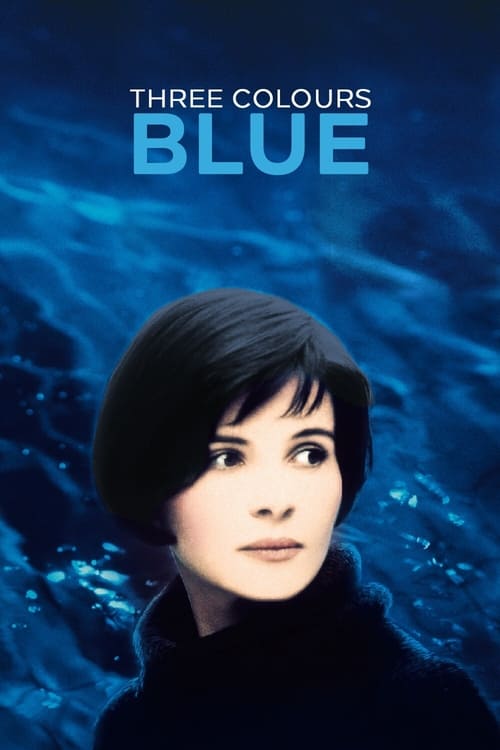
Three Colors: Blue
7.6

The wife of a famous composer survives a car accident that kills her husband and daughter. Now alone, she shakes off her old identity and explores her newfound freedom but finds that she is unbreakably bound to other humans, including her husband’s mistress, whose existence she never suspected.

Three Colors: Blue

1993
Three Colors: White
7.4

Polish immigrant Karol Karol finds himself out of a marriage, a job and a country when his French wife, Dominique, divorces him after six months due to his impotence. Forced to leave France after losing the business they jointly owned, Karol enlists fellow Polish expatriate Mikołaj to smuggle him back to their homeland.

Three Colors: White

1994
Heaven
6.5

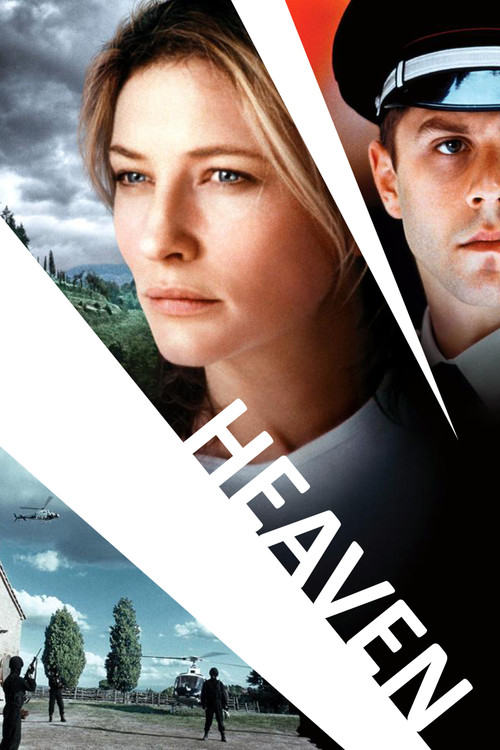
A woman takes the law into her own hands after police ignore her pleas to arrest the man responsible for her husband's death, and finds herself not only under arrest for murder but falling in love with an officer.

Heaven

2002
The Double Life of Véronique
7.5

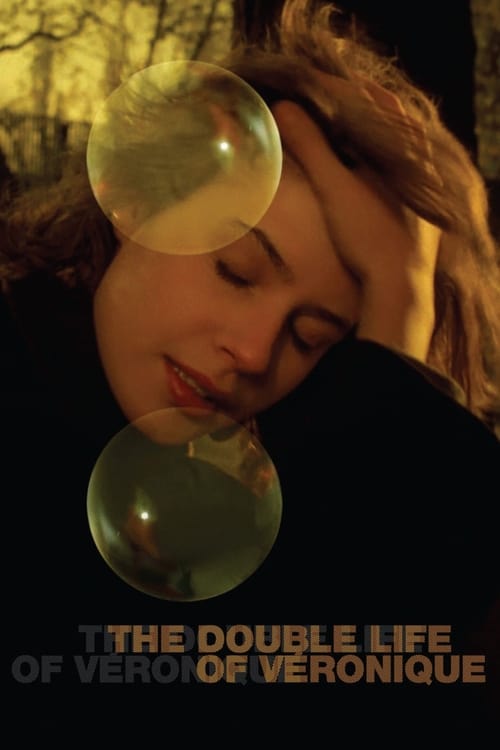
Véronique is a beautiful young French woman who aspires to be a renowned singer; Weronika lives in Poland, has a similar career goal and looks identical to Véronique, though the two are not related. The film follows both women as they contend with the ups and downs of their individual lives, with Véronique embarking on an unusual romance with Alexandre Fabbri, a puppeteer who may be able to help her with her existential issues.

The Double Life of Véronique

1991
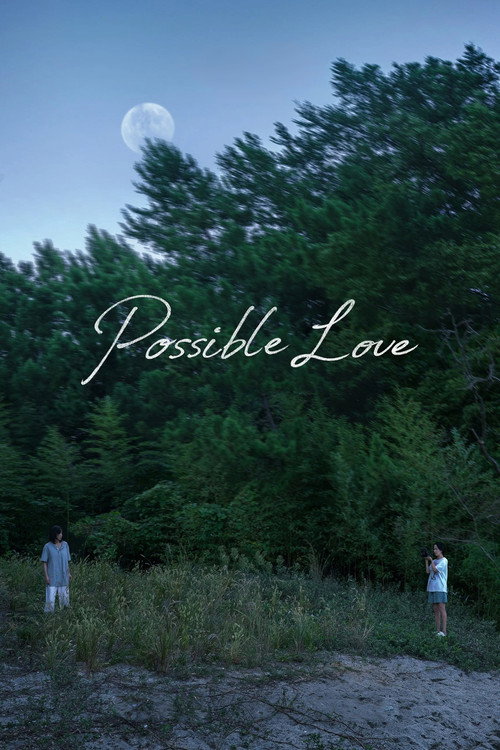
Possible Love
N/A

Following the intertwined lives of two married couples leading completely opposite lives. As their worlds collide, fractures begin to appear in their daily existence.

Possible Love

A Short Film About Killing
7.6

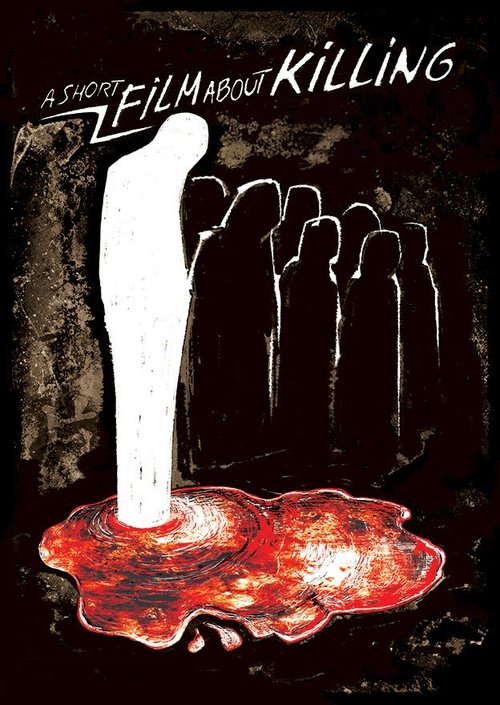
Jacek climbs into the taxi driven by Waldemar, tells him to drive to a remote location, then brutally strangles him, seemingly without motive.

A Short Film About Killing

1988
A Short Film About Love
7.8

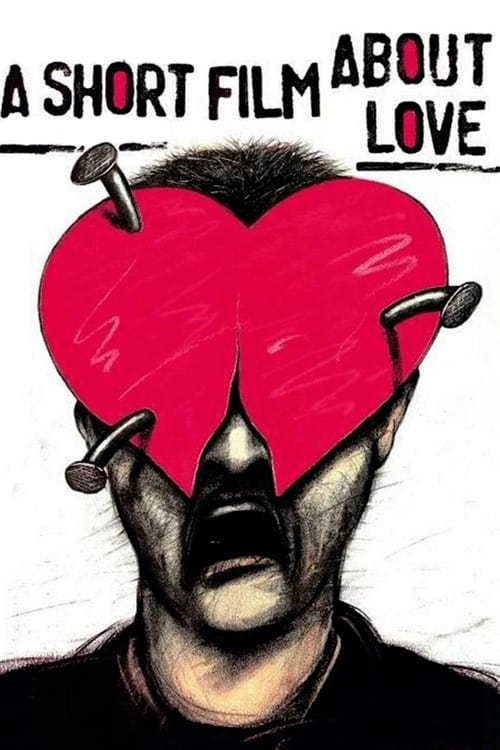
19-year-old Tomek whiles away his lonely life by spying on his opposite neighbour Magda through binoculars. She's an artist in her mid-thirties, and appears to have everything - not least a constant stream of men at her beck and call. But when the two finally meet, they discover that they have a lot more in common than appeared at first sight...

A Short Film About Love

1988
Hell
6.1

Three sisters who share a connection to a violent childhood incident reunite for the chance to come to terms with their past.

Hell

2005
No End
6.9

1982, Poland. A translator loses her husband and becomes a victim of her own sorrow. She looks to sex, to her son, to law, and to hypnotism when she has nothing else in this time of martial law when Solidarity was banned.

No End

1985
Hope
5.1

Francis Ratay witnesses the theft of church painting "Angel with violin". The entire incident recorded by an amateur camera. The thief turns out to Benedict Weber, gallery owner and art connoisseur. Francis comes to his gallery. Blackmails him, that will provide police record, unless the image in three days back in place.

Hope

2007
Silence
7.0

Monday 1978. Little Szymon, playing with his friends, becomes the perpetrator of a car accident in which the parents of a little girl, Magda, die. She herself comes out of the catastrophe unscathed. This event has an indelible mark on the boy's psyche. Twenty years pass. Szymon is a railwayman, Magda works at a cosmetics company. She doesn't remember anything about her childhood, and her life passes between work and disco. Her granddaughter Ola is looked after by her grandmother. During one of the crazy games, a young woman meets Szymon. This is not an accidental meeting, because the man - tormented by guilt - has long tried to find out something about her. Magda initially rejects Szymon's courtship. Over time, however, the mysterious admirer begins to fascinate her.

Silence

2001
Still Alive: A Film About Krzysztof Kieslowski
8.5

Maria Zmarz-Koczanowicz directed this insightful TV documentary (2005) tracing the Polish filmmaker's career. Former classmates reminisce about Kieslowski's happy beginnings at the Lodz film school and how his dissatisfaction with some of his early documentaries prompted the dramatic work and stylistic experimentation that led to his monumental series of films The Decalogue (1989). Wim Wenders, Agnieszka Holland, and Juliette Binoche are among the many admirers weighing in on his hard-driving work methods and preoccupation with the ephemeral. In Polish, French, and German with subtitles.

Still Alive: A Film About Krzysztof Kieslowski

2006
Decalogue V
7.9

Jacek, an angry drifter, murders a taxi driver, brutally and without motive. His case is assigned to Piotr, an idealistic young lawyer who is morally opposed to the death penalty, and their interactions take on an emotional honesty that throws into stark relief for Piotr the injustice of killing of any kind.

Decalogue V

1989
Decalogue VIII
7.3

Zofia, a professor of ethics, is visited by Elżbieta, an American researching the fate of Jews who survived World War II. A daytime classroom conversation turns into a night of confrontation, and Zofia is forced to answer for a decision she made decades ago that directly affected the course of Elżbieta’s life.

Decalogue VIII

1989
Decalogue IX
7.5

Roman and Hanka have a loving marriage, but his impotence has led to her having an affair. The unbearable situation drives Roman to extreme measures both physically and mentally, testing their love and his own will to live.

Decalogue IX

1989
Decalogue IV
7.8

A father and daughter, Michał and Anka, have a unique intimacy, which the college-aged Anka is beginning to feel conflicted about. When she finds an unopened letter from her deceased mother, it seems to justify her attraction to Michał, who may not in fact be her father.

Decalogue IV

1989
Decalogue I
8.1

Krzysztof, a semantics professor and computer hobbyist, is raising his young son, Paweł, to look to science for answers, while Irena, Paweł’s aunt, lives a life rooted in faith. Over the course of one day, both adults are forced to question their belief systems.

Decalogue I

1989