Acting
No description available.
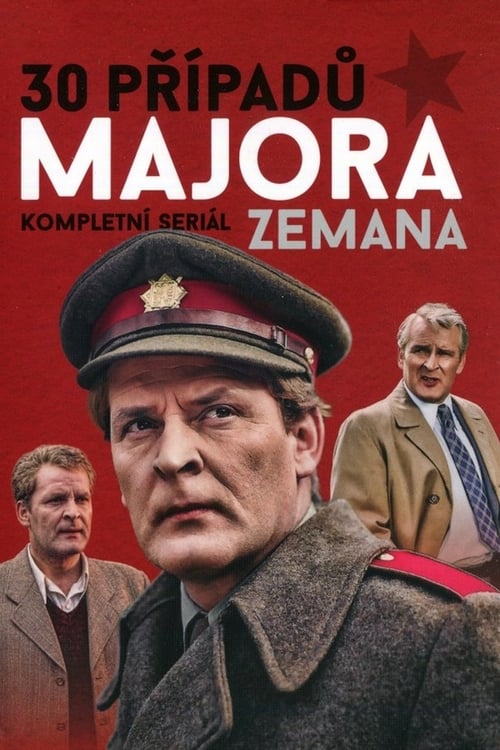
Thirty Cases of Major Zeman is a Czechoslovak action-drama television show intended as a political propaganda to support the official attitude of the communist party. The series were filmed in the 1970s. Each episode encompasses one year, and investigations are stylized to that year. Most are inspired by real cases. The series follows the life of police investigator Jan Zeman during his career from 1945 to 1975.
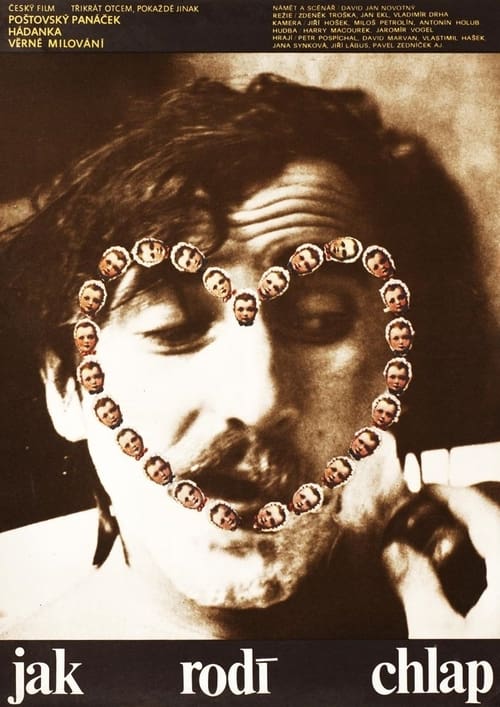
The hero of the opening story, the Postman Puppet (directed by Zdeněk Troška), works as a postman in the mountains. When his wife is taken to the maternity ward, he goes on his usual hike through the solitudes. Little Libor goes after the father of two girls (Petr Pospíchal), who longs for a son. Meanwhile, the weather on the ridges worsens sharply. An experienced mountaineer and his little friend spend the night in a makeshift shelter... The second episode of Hádanka (directed by Jan Ekl) has a criminal plot. A new father (Vlastimil Hašek) gets drunk with friends in a wine bar and the next day becomes a suspect in a murder. He doesn't remember the critical moments, but his testimony leads to the capture of the real perpetrator... The main character of the final short story True Love (directed by Vladimír Drha) is a frat boy (Pavel Zedníček) who spends whole days in pubs. He gets a harsh lesson from his wife, who refuses to let him see the baby...
The winter Krkonoše Mountains have many pitfalls, especially if you are overly concerned about their treacherous splendour. The somewhat unheroic hero of this clumsily and uninterestingly shot film is a mail carrier who volunteers for the Mountain Service. Only in a blizzard does he overcome his fear of avalanches when he saves the lives of two hikers caught off guard by the suddenly deteriorating weather...
In this fairy-tale comedy, a clumsy second-rate wizard, Rumburak, gets stuck in the world of humans. He has forgotten the spell that allows him to return to his home fairyland. His only joy is watching the figure skater Helen, whom he would like to woo. His hopes of returning to fairyland dawn when he discovers a computer in a research institute that could generate the lost spell.
A successful art historian who has trouble telling people difficult truths, finds himself in an inescapable situation when a small lie quickly gets out of hand.
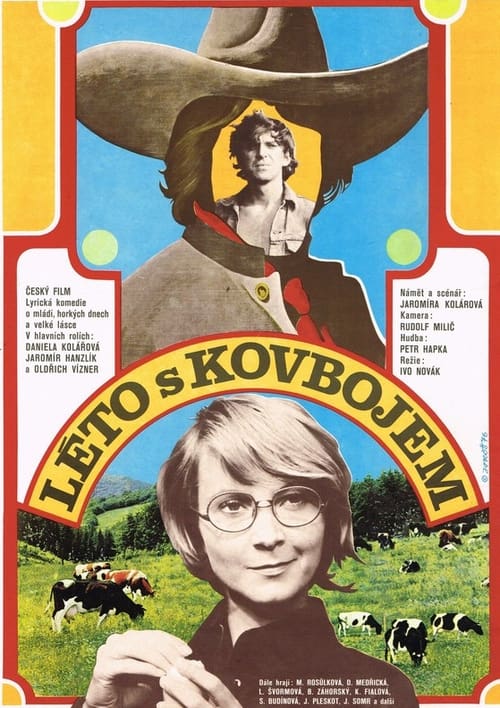
The main characters are a young psychologist Doubravka and a village youth, Honza Macháček. He is a tractor driver who temporarily lost his driver's license in a crazy bet, so he now herds a cooperative herd of cows, she is at the cottage with her boy Boba, who is not very successful in studying medicine and is currently preparing for his remedial exams. Honza's immediacy, optimism and approach to life and work contrast sharply with the selfish, weak-willed and unbalanced Boba, and Doubravka increasingly realizes that her feelings for Boba have disappeared and that she actually loves Honza. The question is how her somewhat conservative family will view such a game.
The parents decided to send two twins, Honza, and Martin, on vacation to their grandfather.
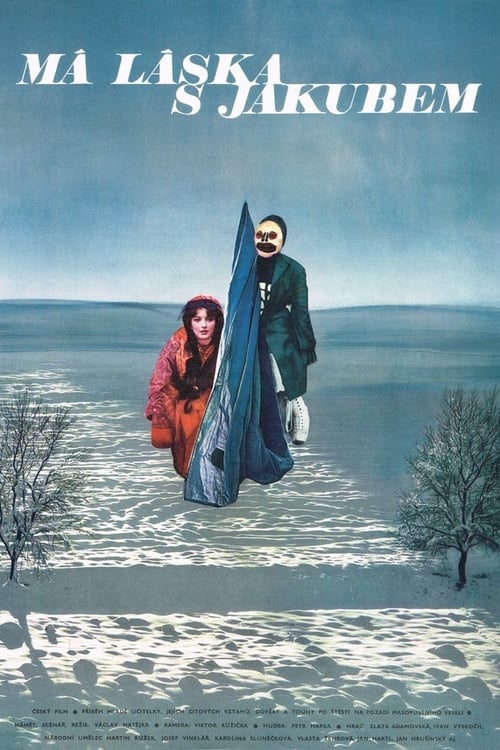
A budding teacher comes from Prague to the South Bohemian district town where her fiancé Jakub, a young promising engineer at the local paper mill, lives. Petra is getting to know her new colleagues at school and the children in her new class, and is practicing hard with the Komenium music group, whose members she has known since her studies. She also gets to know Jakub's colleagues and the director of the paper mill, to whose position Jakub would like to be appointed after his retirement. It is this desire for a high position that leads Jakub to behave and act in a way that Petra cannot approve of.
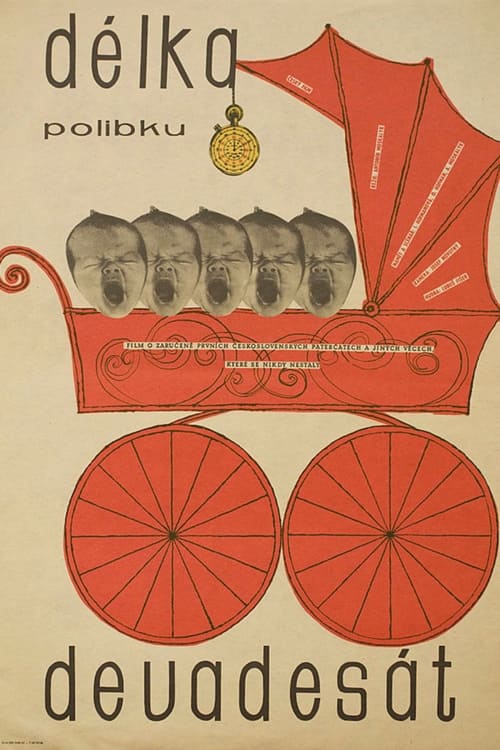
Young couple Eva and Jarda Tům face housing shortages just as Eva miraculously gives birth to quintuplets, drawing intense media and state attention. Authorities install them in a high-tech villa monitored by a commission led by Drahoslav Svitáček. As intrusive experiments, constant scrutiny, and malfunctioning gadgets strain their family life, a planned railway project momentarily frees them. Eva conceives again, but when only one baby arrives amid fading public interest, the state and the spotlight move on.
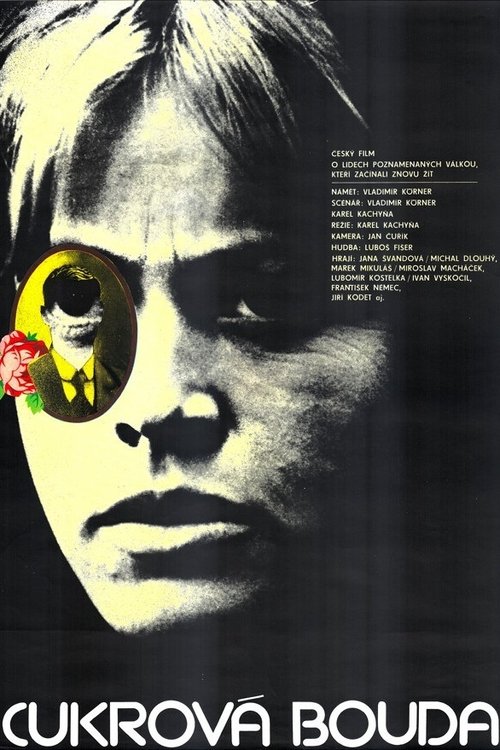
In the final days of the Second World War in 1945 Frantisek Pribyl is killed during a shoot-out with the Germans. After the funeral, the widow (Jana Svandová) and her two young sons Martin and Ondra move to her deceased husband's native village at the foot of the Kralický Snezník mountains. Life in the borderlands is far from easy for the lonely woman. The village is almost deserted, food supplies are delayed; the Werwolf (Nazi guerrilla squads) are hiding in the mountains, and shooting is heard from time to time. The elder son Ondra (Michal Dlouhý) is helping out his mother and at the same time absorbing intense new experiences. He meets an old Czech resident Skurek (Lubomír Kostelka), German women working in the forest, soldiers from the engineering units removing the mines, and a young first lieutenant. At night he dreams about his dead father whom he loved very much. This is why he runs away from home when he finds out that the lieutenant is courting his mother.
March 1945. It is already quite obvious to the Nazis that they cannot win the war. So it is time to think about the future after the war and to cover their tracks. One concentration camp must be completely cleared out and the prisoners buried in the mines. Only the mine-hunters remain - among them Ernest, a veteran of the Spanish Civil War from Vienna, and Kim, a resistance fighter from Prague. One day they decide to escape with the other prisoners, but they are betrayed and most of the escapees are shot. The pair of heroes are not alone, however, and on the way they are joined by a guard dog from the camp that Kim used to feed. In the coming days, Ernest leads young Kim through the unrelenting cold on his journey to freedom, teaching him that there is only one rule to follow in this time - kill or be killed.
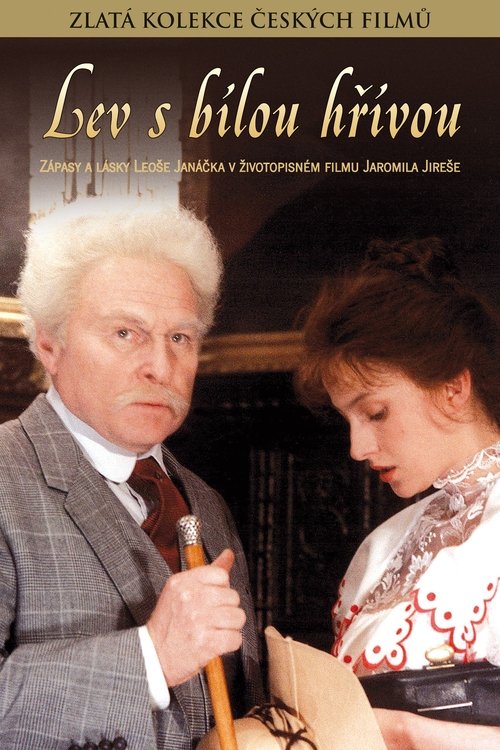
The film tells the exciting life of the great Czech composer Leos Janácek (1854-1928), also known by the thick silver hair that crowned his head and his strong character, which could overcome the adversities of fate.
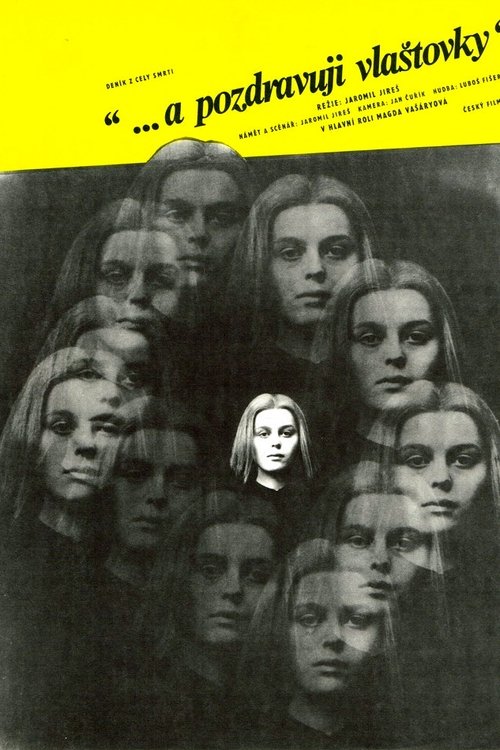
This film, chronicling the last days of Czech resistance fighter Maruska Kuderikova (played by Magda Vasaryova), is based on her diaries. Though she was tortured and eventually executed by the Nazis, her diaries indicate that she was optimistic for the humanity of her captors and did not by any means hate them. Told with simple dignity, this film makes clear why Maruska became a national hero.
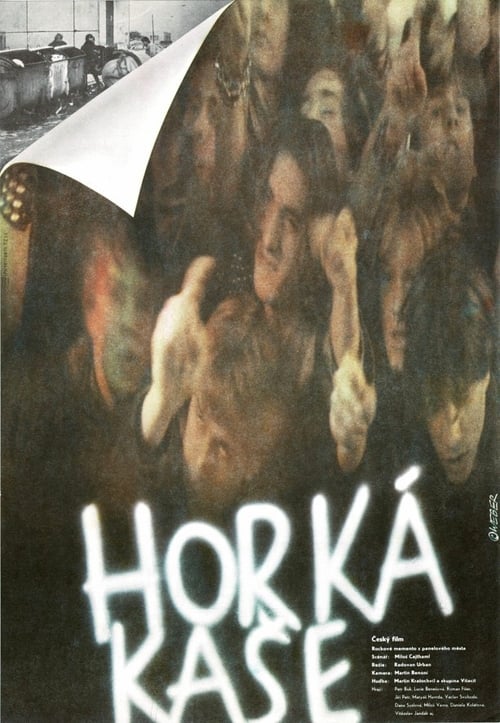
In the 1980s, a number of films were made about teenagers. At first they dealt with the confusing search for life orientation, the difficult entry into adult life - and gradually the interest shifted to delinquent youth. This film charts the conditions in a dehumanised housing estate, where youths, out of boredom, gather into gangs that wander aimlessly, humiliate passers-by, and attack the defenceless. He discovers that parents have too little time for these children, that their actions are downplayed until tragedy strikes.
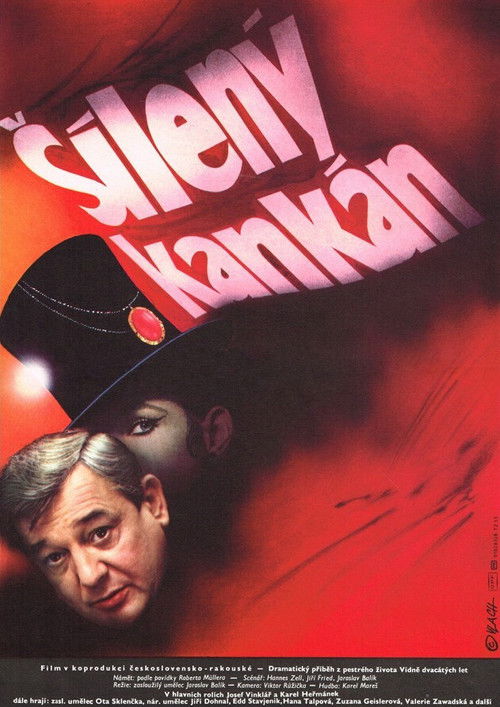
During the First World War, the crooks Scholef and Krumka sell weapons on the black market. After the collapse of the monarchy they try their hand at speculation on a grand scale.
This forgotten detective story starring Svatopluk Beneš focuses on those ills of the past regime that were allowed to be glossed over - mainly the theft of socialist-owned property and illegal business. Criminals here come across illegal machinations in the hospitality industry, foreign guests are even offered sexual services... But the youth-friendly story unfolds lazily, unimaginatively, emphasizing an excess of dully delivered dialogue that replaces action and suspense.