Acting
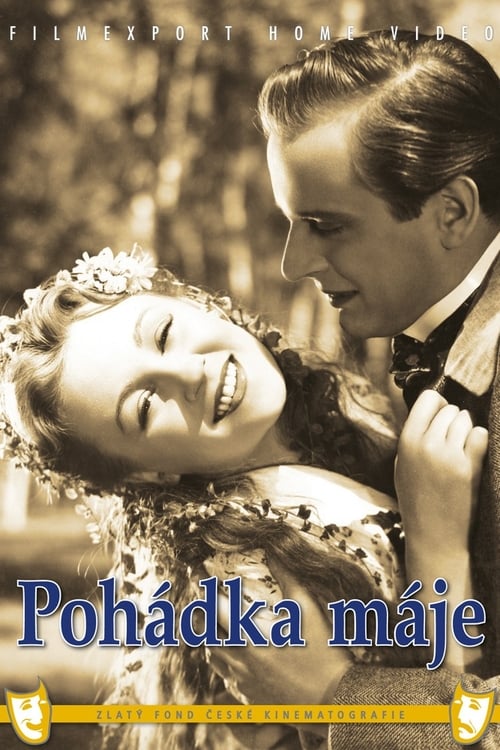
Ríša, a student of law, neglects his studies in favour of parties and pranks. His angry father refuses to continue helping him out of his debts. Ríša, however, is not entirely beyond hope. He decides to go and stay for a while with his uncle, a priest, who lives in Moravia, in order to prepare for his exams. He meets Helenka, the timid daughter of the local gamekeeper, at a village ball and is enchanted by her. The days pass and their idyllic relationship begins to tire Ríša. He begins to tell Helenka about his former debauched life the about the broken hearts of beautiful women. Helenka is hurt and refuses to see Ríša anymore. His uncle, the priest, is incensed at his behaviour and orders his nephew out of the house. Ríša tries desperately to find Helenka so he can make it up to her.
No description available.
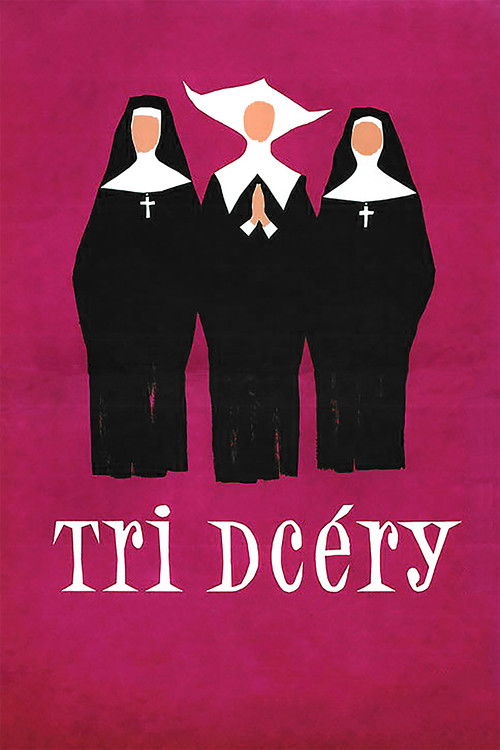
A classical ballad motif about an aging father and his three daughters is quite unusually here set against the backdrop of Czechoslovakia of the 1950s. After having been expropriated, the former landowner Majda seeks refuge with his three daughters whom he had sent to a convent a long time ago. But only the youngest one is able to forgive him and she is willing to take care of him despite the threat of expulsion from the order.
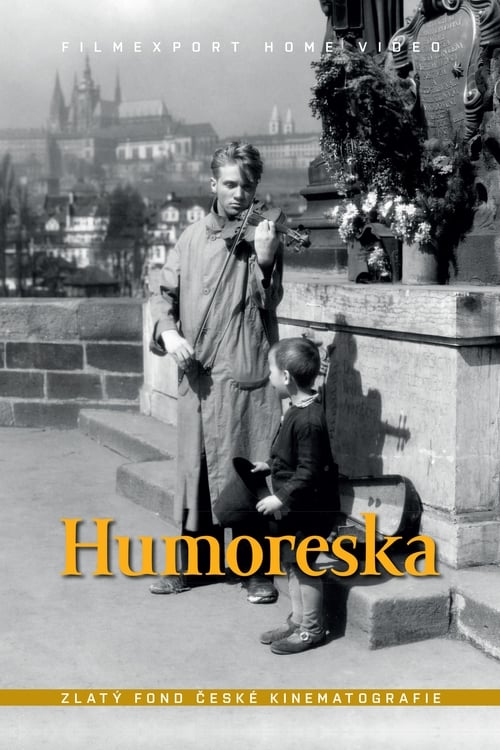
Dvořák's well-known composition reappears again and again in the serious moments of the lives of the father and son Hupeks - talented non-professional musicians for whom music gives them the opportunity to rise above difficulties and problems...
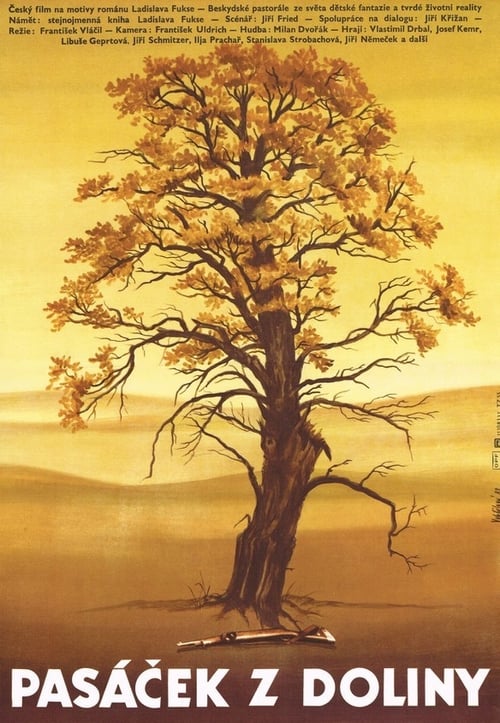
In 1947 by the Beskid mountains, the traces of war still linger, destroyed tanks dispersed throughout the farmland creating an eerie backdrop. This film follows a ten-year-old boy and the strange visions he encounters, his world of fantasy exacerbated with ample time, space, and a lack of companionship or guidance. We see the adults that influence and dominate his life, for better or for worse. Surreal and packed with an excellent study of human emotions and motivations compounded by their rural, isolated vacuum of a town, this is a timeless and severely underrated film from a brilliant Czech director.
The film about curious children who discover a sunken statue of Masaryk in a disused well was interfered with by the events of November and the filmmakers tried to incorporate their echoes into the flow of the narrative. However, the result is at times confusing, as the originally childish adventure has thus grown into a naive social poster child.
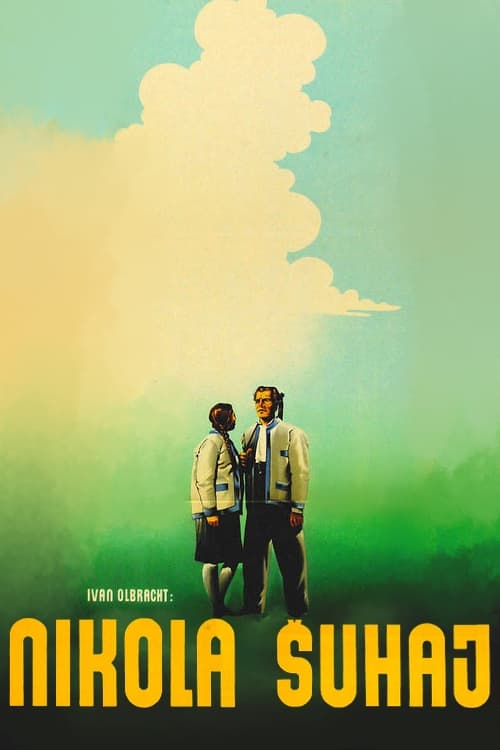
At the end of the First World War, Nikola Shuhai and his friend from the army desert. On the way home, to the village of Kolochava, they both find refuge with baby Jaga. Jaga mixes them a drink to protect them from the deadly bullets. The bachelors must promise to marry her daughters in exchange for a drink, or they will be punished. Nikola finds his home village in poverty. He stands against the powerful and the rich, and they turn the gendarmes against him. Nikola hides from them in the woods, where he will remain even after the end of the war, because nothing has changed for the villagers. Out of poverty and hopelessness, other men join Nikola and together they raid the wealthy. Nikola distributes the obtained booty to the poor and needy, who see him as their protector and hero.
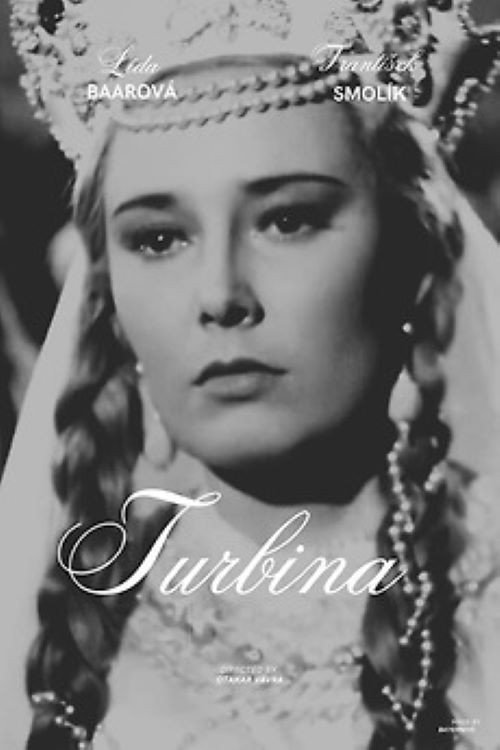
The imperial councilor Ullik decides to modernize his old mills by installing a new turbine. His eccentric brother-in-law Artuš tries to prevent this, as the construction work disrupts the statics of the tower in which he lives. Ullik's older daughter Tynda is a talented singer. The bewitched girl secretly accepts the courtship of the virile Václav, the son of the night watchman. Her younger sister, the doctor Marie, wins the heart and hand of the astronomer Zouplna, despite her father's prohibition...