Acting
No description available.
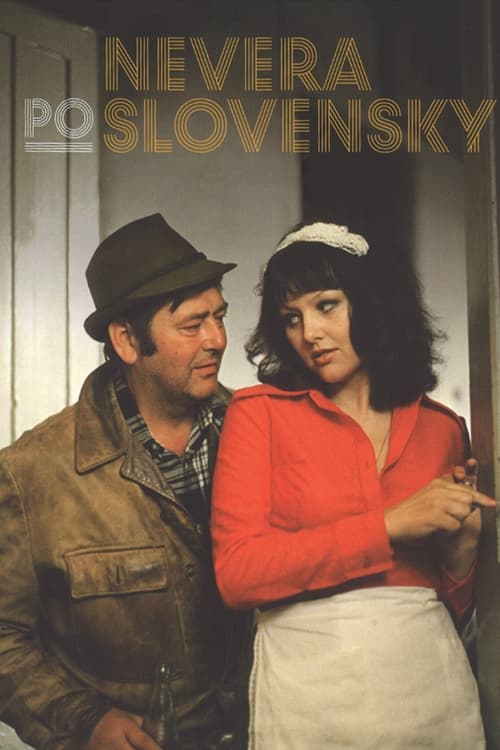
A comedy about three flirtatious woodcutters realistically capturing Slovak village life and criticizing insincerity, hypocrisy and male pride.
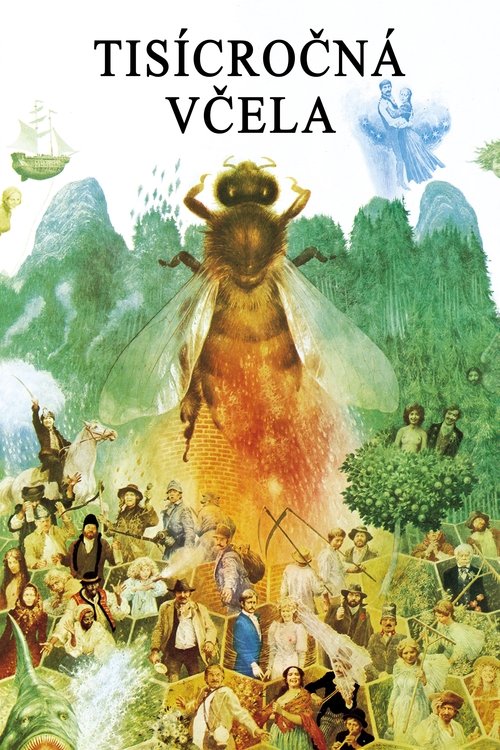
A family saga taking place mostly in a small Slovak village over a period of thirty years (1887–1917). The first part captures the life of Martin Pichandu in the development of his craft, masonry; in the second part, his son is center stage living in a period of socio-political crisis, which ultimately results in the first World War. After originally airing on Czechoslovakian television in 1983 as a four-part 226-minute mini-series, this production received a 163-minute theatrical release in 1984.
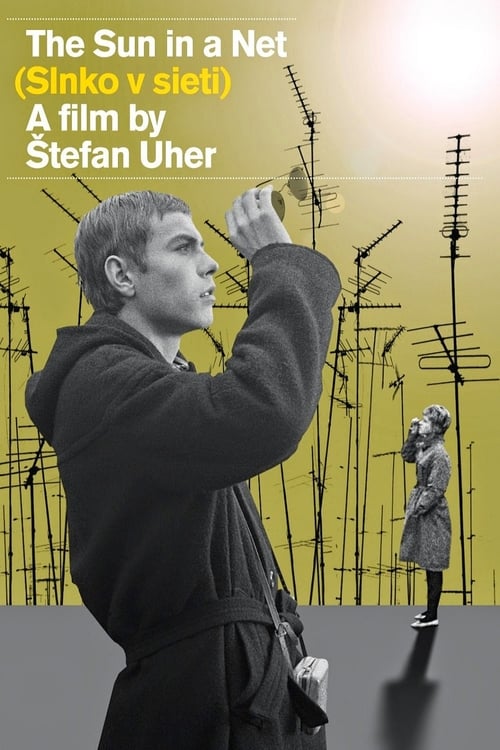
Oldrich "Fajolo" Fajták (Marián Bielik), a student who directs quasi-existentialist verbal abuse at his girlfriend Bela Blazejová (Jana Beláková), takes off to a formally volunteer summer work camp at a farm where he meets her grandfather.
The story, set in the context of the construction of long-distance power lines, captures the life and work of a group of fitters who come to a mountain village to electrify the local cooperative. After being transferred to a lower-paid and "demeaning" job, the group's relationships begin to break down. Debut film of Slovakian director Martin Hollý.
Adam Krt, a village farmer and shoemaker, lives in a happy marriage with his wife Eva. He is only afraid of her when he gets drunk and does something stupid. One day Adam successfully sells all the shoes he has made at a fair and uses the money to buy a heifer on his way home, directly from his neighbour Trnka (I. Rajniak). While the two of them are having a lavish "old-mash" in the pub, the heifer disappears. The trouble is that Adam has paid for the animal at the pub but has not yet taken possession of it. The two neighbours can neither find the heifer, nor can they agree who actually owned the lost animal....
The story of Pavel Duchaj, who starts walking with a cane, which is a sign for the village community that he will soon pass away. Not only the village, but also his closest family feels offended that Duchaj is not dying, that he is resisting fate with various activities.
Ivan Hálek, son of the famous poet Vítězslav Hálek, studied medicine and devoted his life to the Slovak countryside. In the poor Kysuce region, he not only treats the local villagers, but also makes an extraordinary contribution to education. At the same time, he struggles with lingering superstitions and mistrust. However, the hero and his young wife also become acquainted with folk customs, songs, and the colorful culture of the poorest. And he proclaims that only those who rid them of terrible mass poverty can provide these poor people with true living water.
A dramatic tale of a man's life marked by two world wars. The story is divided into two parts. The first part focuses on the life of the Dobrik couple after the outbreak of World War I, the second part develops the life events of their son Peter, who fought in the Red Army during World War II.