Writing
No description available.
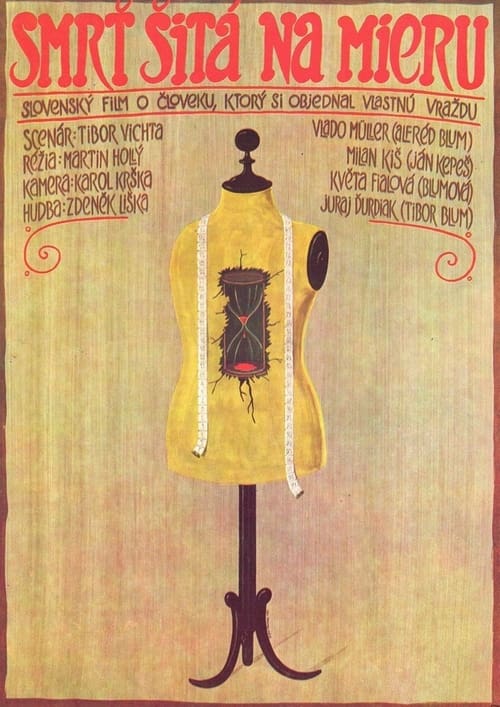
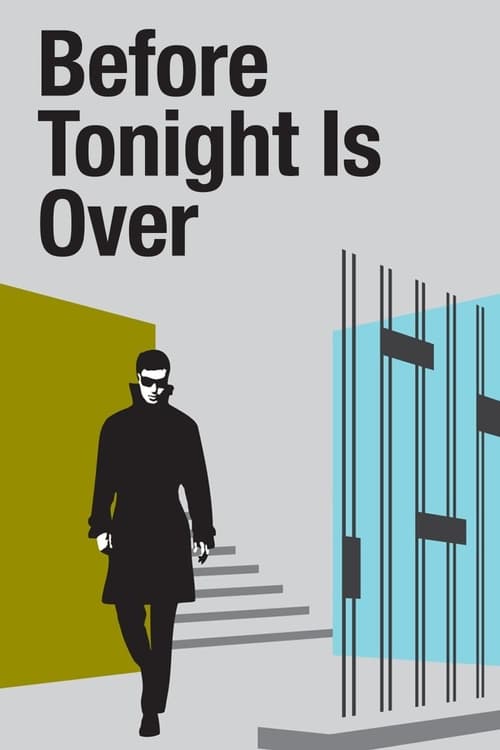
Bratislava, 1930s. The owner of a luxury tailoring salon, Alfréd Blum, has always relied on a classy clientele, thanks to which he rose to the top of society. But times change, the world is in an economic crisis, and Blum discovers that in reality he only has debts. He has completely lost his assets in shares, and his clients have to deny themselves luxury goods. The only hope to save his family from poverty is Blum's life insurance policy for 300,000 crowns. Therefore, the businessman turns to his old acquaintance, unemployed tailor Ján Kepeš, with an unusual offer. He gives him five thousand crowns and arranges a job for him in a Viennese salon. The condition is that Kepeš kills Blum...
Tou former boxers meet in the ring again after years for a re-run of an old match. The old loser currently works as a factory executive and he is unwilling to reconcile with his old defeat. He challenges the old winner, whose job in a garage puts him on the opposite end ofthe career ladder. The match is a battle fought between two men who stand for two different attitudes to life. The confrontation results in the revelation that the winner is not always the one whose arm is raised by the referee after the last round.
Seven people waiting for their death. A group of assasins - three men and two women - and Gypsy thief spend their time in prison to be tucked up.
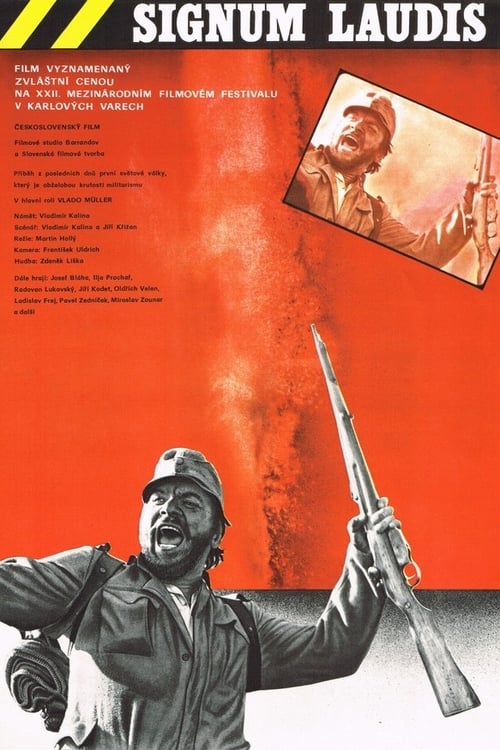
The trenches of World War I provide for a captivating backdrop to the drama of Corporal Hoferik. In his devotion to the Habsburg Monarchy, he fanatically carries out his military orders, but he ultimately suffers the Empire's disfavor.
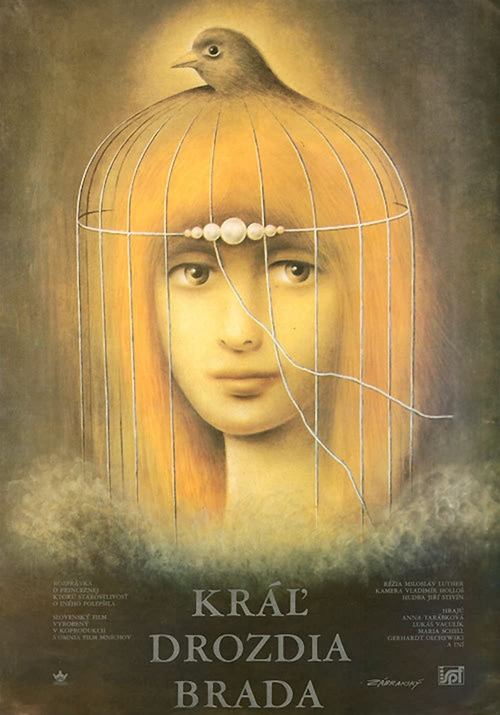
When a selfless king learns of a beautiful princess in a neighboring kingdom who callously turns down every suitor with an insult, he tries his luck to no avail. So, he hatches a plot with her father in which the princess is married to him, in disguise as a beggar, so he can teach her lessons about humility and compassion.
Even a top athlete, a discus thrower, faces difficulties when she has to consider her future. She seems to lack nothing: the socialist physical education provides her with all the necessary facilities to prepare for the Olympics, she trusts a responsible coach. However, when she returns to her hometown, she still considers whether she made the right decision. When she becomes pregnant, she finds herself at a crucial moment.
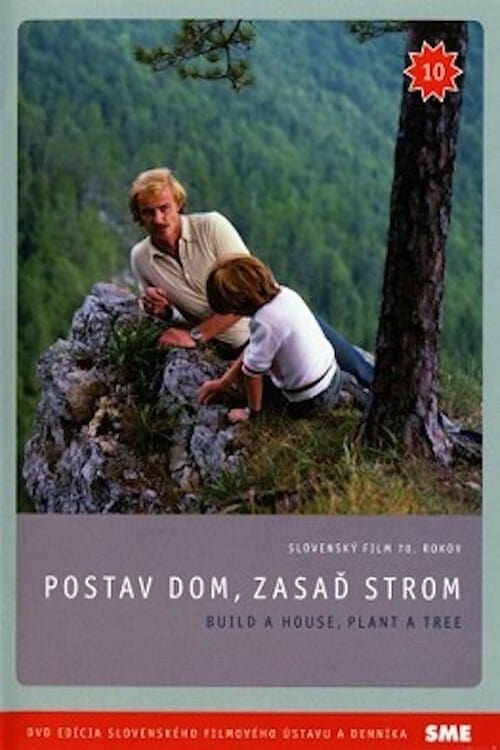
Juraj Jakubisko's first feature film after a forced nine-year-long break is a story about an unconventional man, Jozef Matúš. He arrives to a small village in eastern Slovakia to settle down and start a family. He is ready to subordinate everything to his goal. It all starts with stealing building material and ends with him disregarding those close to him to a point where his ambitions are turning against him. Build a House, Plant a Tree is a viewer-friendly film with a plot resembling a western, including several attractive action sequences.
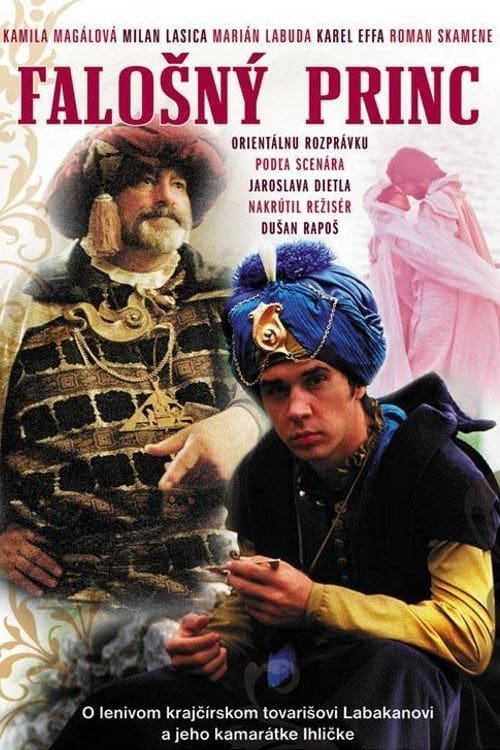
The Sultan awaits the arrival of his son, Prince Omar, who has brought up in a distant land. The master tailor and his assistances are making clothes for the prince. Labakan, the most gifted of his assistances, craves to be a Sovereign's heir so he steals the princely garments snd poses as the Sultan's son.
The security forces, loyal to the people, uncover the conspiracy. At the center of the intrigue is an average actor who suddenly becomes dizzy from unexpected praise. It takes the young man a long time to wake up from his dreams, to understand how he has been abused.
Police Lieutenant Vlado Hronec, together with the curious journalist Zvar, first search for the thief of important production documents, which they might be interested in even behind the Iron Curtain. At first, they think that engineer Kovalský stole them and fled with them across the border. However, when it is discovered that someone killed Kovalský, they have to start the investigation all over again...
Young Dasha lives in a small town. Her father is a prominent man, the owner of a restaurant. However, when her father's connections are not enough to get Dasha accepted to college, she has to spend the summer working part-time in her father's business. Love, friends, even running away from home, all belong to this period of Dasha's life. The failed wedding arranged by her parents, the patronizing imposition of university studies at a price that the girl fears - all this brings on the one hand a deep disappointment in her own parents, but over time also the recognition of her own mistakes.
Two female clerks using up their savings to enjoy a few days of carefree life, two plumbers looking for an erotic adventure, a building contractor determined to drink away all wages of his workers and a former major who became an alcoholic due to political persecution — these people meet in a ski resort bar somewhere in the High Tatras. During one night they gradually reveal their unfulfilled dreams, illusions and disappointments of ”average" people of those times.
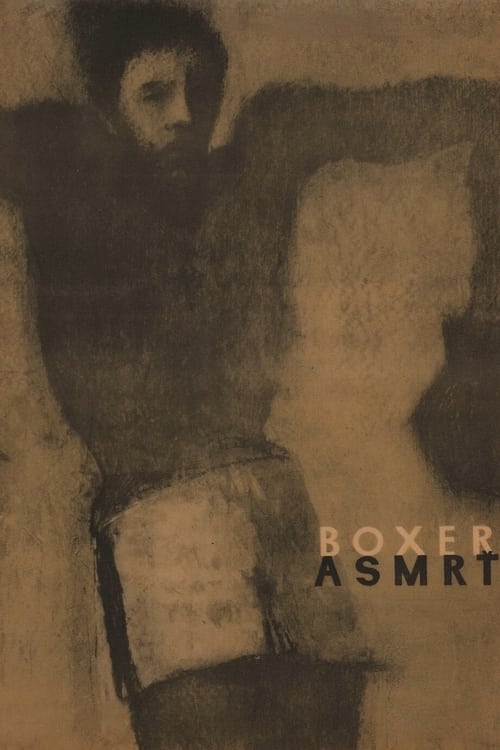
Concentration camp commander Kraft finds out that prisoner Kominek is a former professional boxer. Overnight, the prisoner is made Kraft's exercise partner and unwillingly rises to a privileged position at the camp. His anger over the death of his friend and co-prisoner leads to open revolt. The film brings a new view of human degradation during fascism by a tragic story of one man whose only chance for survival is to accept the rules of an unequal game.
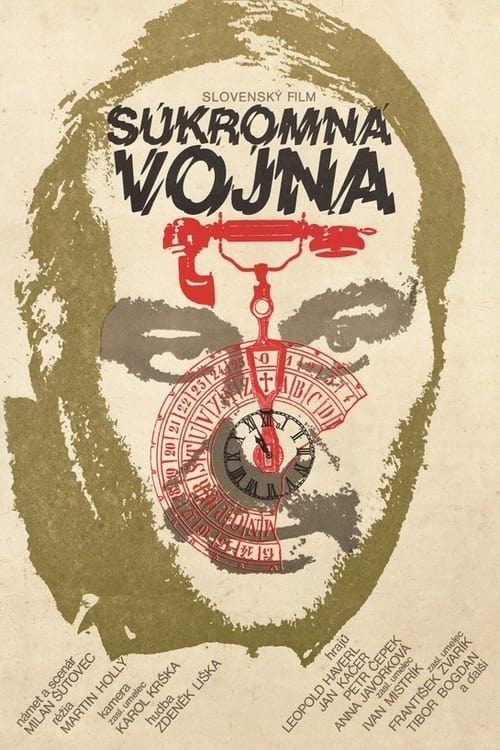
Slovak psychological drama from the end of World War II. The plot of the film takes place in a short period of time just before the outbreak of the uprising. It is the story of a man who wages his "private" war against the man who is responsible for the serious injury of his brother. The upcoming Slovak National Uprising becomes the backdrop for a model-built story that touches on stubborn personal revenge in a situation of war conflict, when human life loses all value. The actions of the main character thus sound like increasingly absurd actions, his motives and the impact of his actions are relativized, the very legitimacy of such a belief appears shaky.
A movie built up of three stories about life in a small Slovak town. The Prosecutor: the district attorney is a jazz orchestra soloist at the same time and that is much disliked by the local provincial society. The Defender: is about a young doctor's relation to his patient, who is open about his reactionary opinions. The Judge: it is only after long years that the old judge realizes that his own marriage is in jeopardy.
"Using the same, three times repeating dialogue – dramatic conversation between man and woman – Jerzy Skolimowski from Poland, Slovak director Peter Solan and Czech director Zbynìk Brynych shot three different stories. The result was an extraordinary experiment in the world cinema, which we can call an insight in the relationships of men and women of different age groups, an analysis of love and marriage of those who are at the beginning, in the middle or going towards the end of their life."