Acting
No description available.
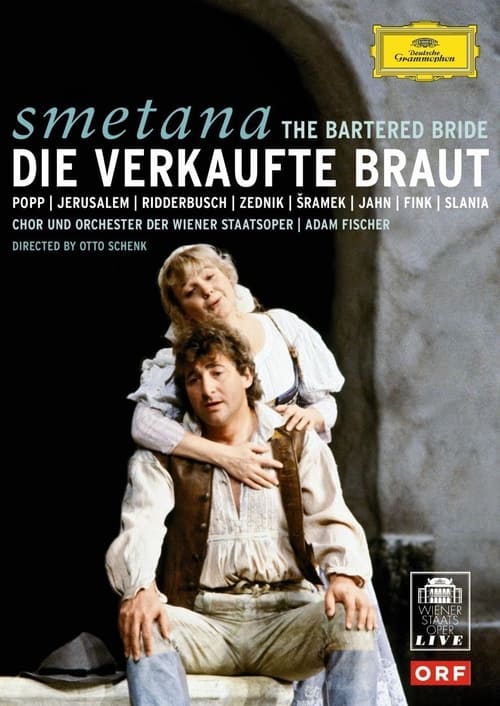
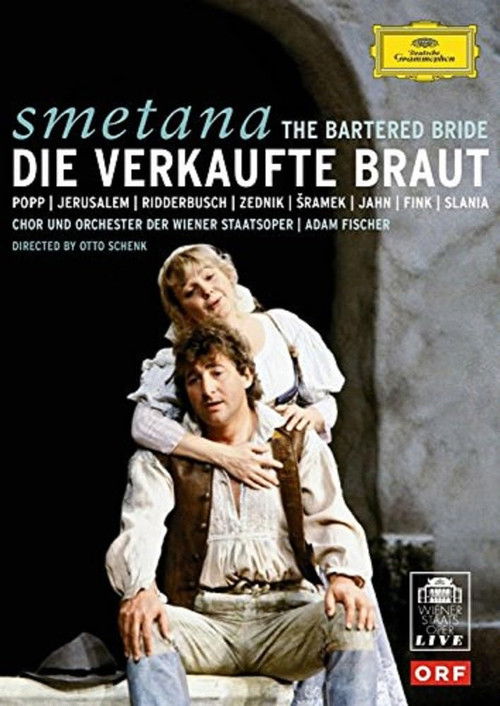
Every bar bubbles with the spirit of the Bohemian countryside in Otto Checnk's picturesque 1982 production from Vienna, where Smetana's comic masterpiece first conquered the heart of opera lovers with its lilting melodies, lovable characters and rousing Czech folk dances. This colourful, beautifully sung performance features legendary Czech soprano Lucia Popp and German tenor Siegfried Jerusalem. Filmed live at the Wiener Staatsoper in 1982, the appearance of the townsfolk, wearing their traditional Bohemian costumes, exuberantly singing and dancing, serves to quickly draw us into the early 1870s and this engaging comedy of love nearly thwarted but ultimately triumphant.
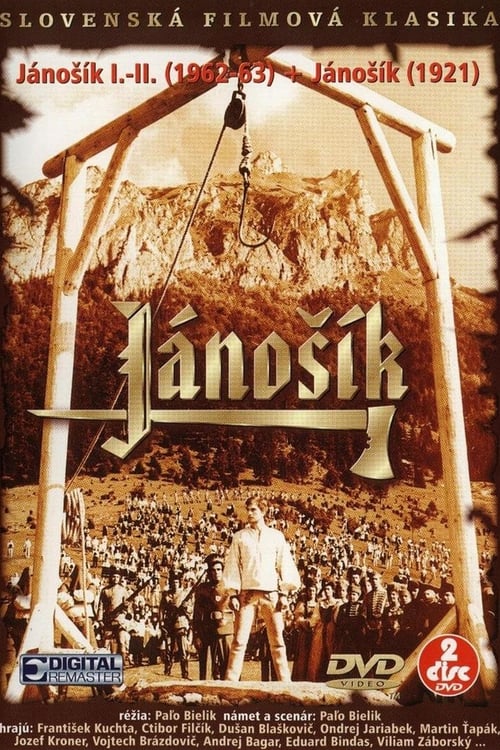
This film is one of the most popular pictures of Slovak cinema and relates the story about the legendary folk hero and brigand Juro Jánošík [1688-1713] and the social situation in Slovakia of the late 17th and early 18th centuries. The first part talks about Jánošík's childhood, studies and return to his native village. In the second part Jánošík leaves for the hills, where he organizes his band of brigands and starts an anti-feudal resistance. The film concludes with Jánošík's execution.
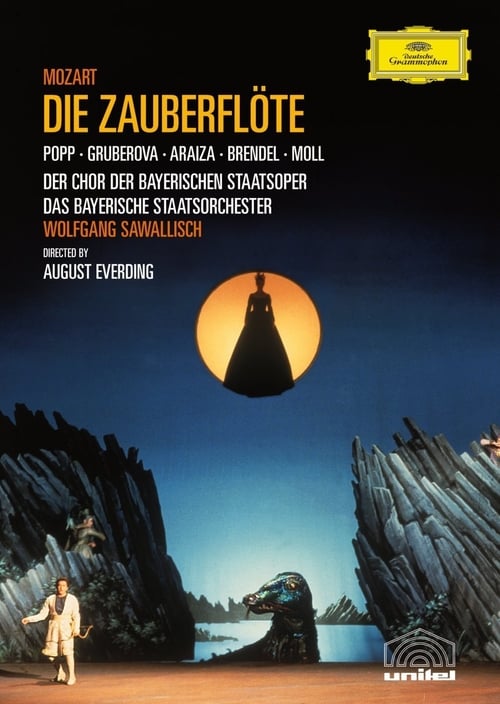
The Queen of the Night enlists a handsome prince named Tamino to rescue her beautiful kidnapped daughter, Princess Pamina. Aided by the lovelorn bird hunter Papageno and a magical flute that holds the power to change the hearts of men, young Tamino embarks on a quest for true love, leading to the evil Sarastro's temple where Pamina is held captive.
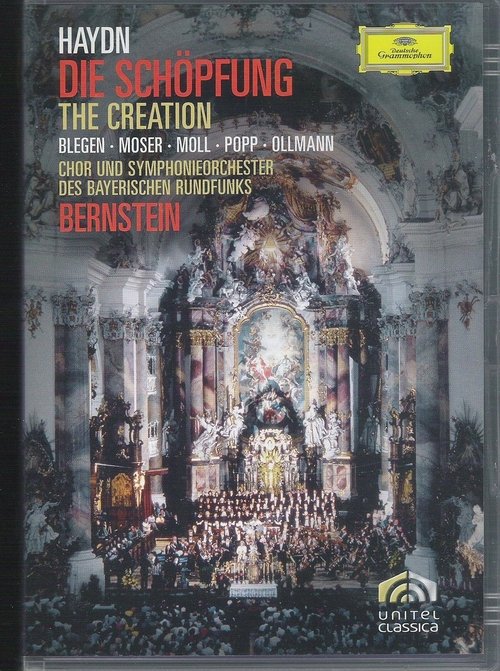
Haydn’s Creation, the culmination of his life’s work, in a legendary 1986 performance conducted by Leonard Bernstein in the exquisite Baroque splendor of the Benedictine Abbey of Ottobeuren, Bavaria, now available on DVD for the first time. This spectacular performance also includes Bernstein’s spoken introduction to the performance —always an invaluable addition to any concert. This work, considered by many to be Haydn’s masterpiece, depicts the creation of the world as inspired by the texts of Genesis, the Book of Psalms and Milton’s Paradise Lost. Though deeply religious in conception, the oratorio gives a physical sense of the immensity of nature and the world’s creation. “The Creation gives us time to remember—and rejoice in— the purity and grace and fortitude of Nature, to restore our souls, to recover our moral strength, and to rediscover our power to praise”—Leonard Bernstein
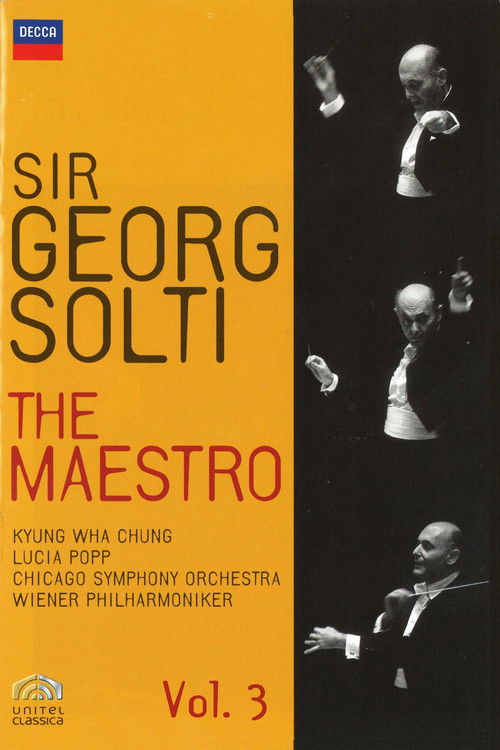
A collector's celebration of Solti's time in Chicago and includes bonus material of Solti rehearsing the Vienna Philharmonic. Included are works by Rossini, Mendelssohn, Bruckner, Wagner, Strauss, Kodaly, Bartok, Weiner, Berlioz.
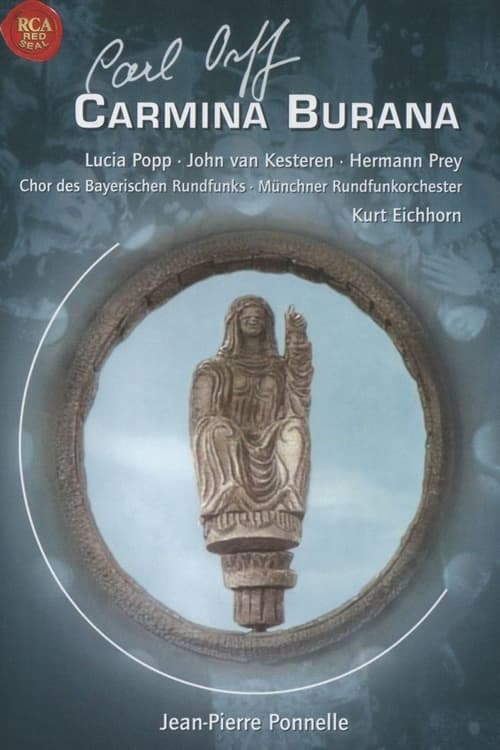
A very visual and profound dramatization of the various sections of Carmina Burana, a symphonic piece composed by Carl Orff about medieval poetry by an anonymous author.
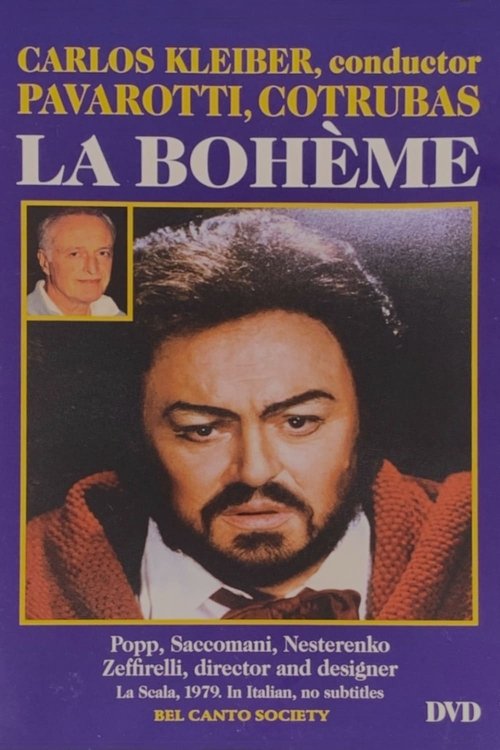
Performance of La Bohème in Teatro alla Scala, 1979.
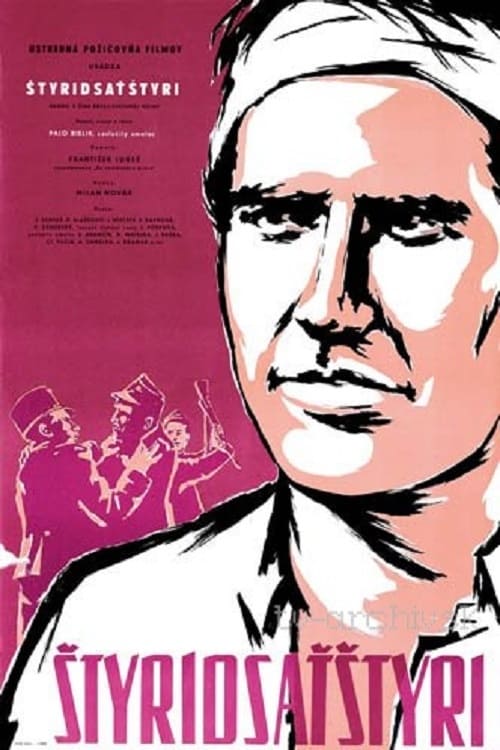
Drama about the rebellion of the Trencín Infantry Regiment against its superior officers in the Serbian city of Kragujevac, at the end of the First World War. It was the biggest and deadliest rebellion in the Austro-Hungarian army.
This production is a gala affair; the sets are traditional (evocative of 18th-19th century Spain); the lighting is bright, so colors are good and one can see all of the action. Singers are generally well chosen and perform admirably. However, at this point, slight reservations creep in; although Janowitz (Fidelio/Leonore) and Kollo (Florestan) look "good" and act well, the singing parts tax them a bit when pushed to the limit. Most of the time that doesn't matter, and an argument can be made that a little vocal strain is in character with their dire plight. Ideally, for me, Vickers as Florestan would have added extra vocal heft and more sensitive acting than Kollo.