Acting
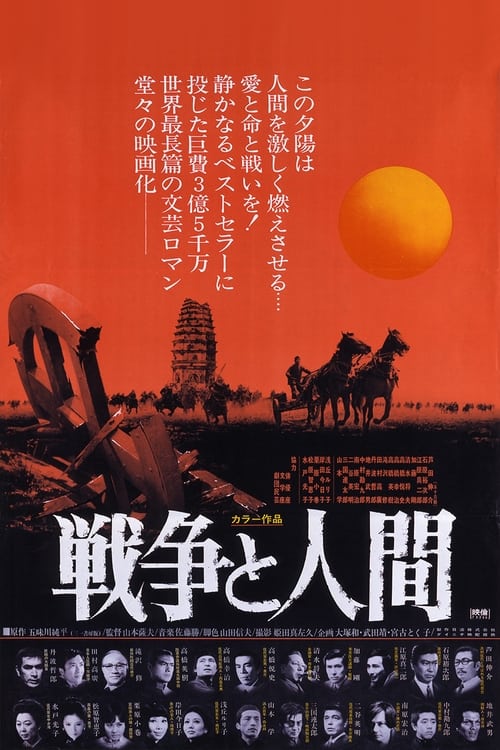
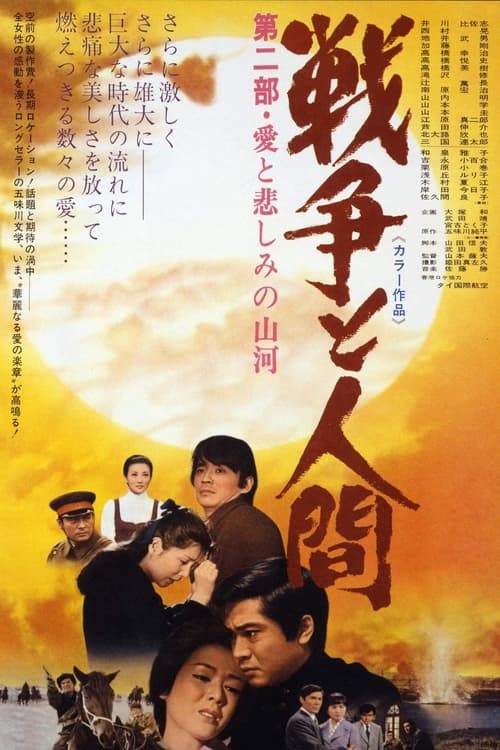
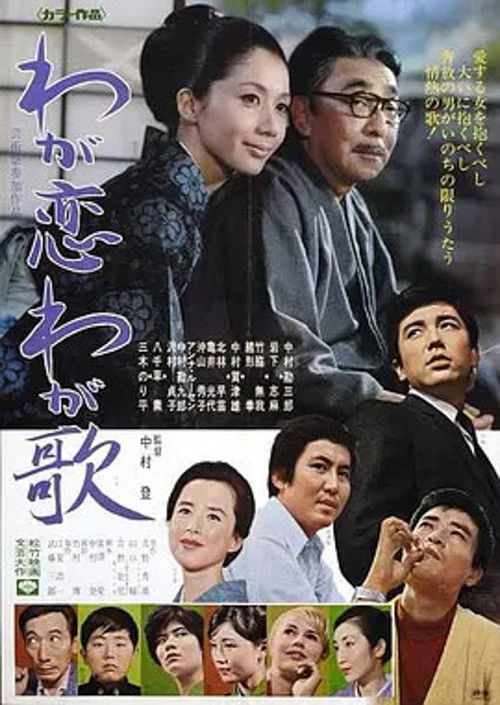
The upstart Godai family conglomerate plans to strengthen ties with the hardliners in the Kwantung Army as they plan military expansion into Manchuria.
As the Japanese military has established the puppet state of Manchukuo and is advancing its invasion of Asia, fighting intensifying battles against anti-Japanese partisans, the Godai zaibatsu becomes involved in large-scale opium smuggling. Shunsuke, second son of the Godai family, falls in love with a married woman. Meanwhile, Kohei, the love of the second daughter, Junko, throws himself into the anti-war movement.
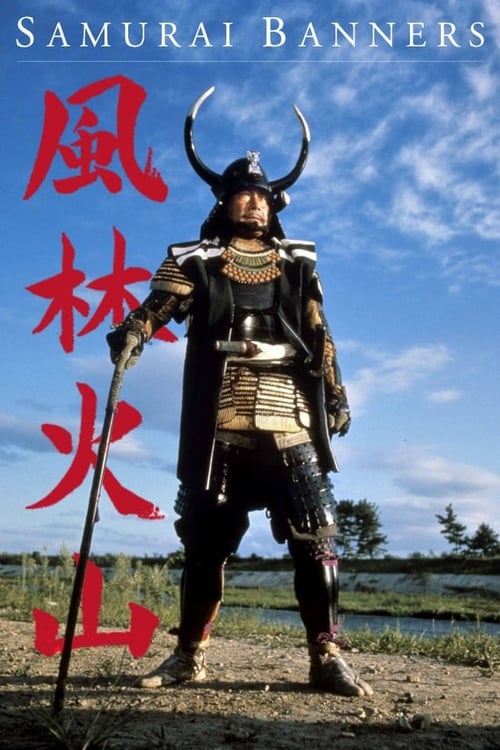
Kansuke Yamamoto is a samurai who dreams of a country united, peaceful from sea to sea. He enters the service of Takeda, the lord of Kai domain. He convinces Takeda to kill the lord of neighboring Suwa and take his wife as a concubine. He then convinces the widow, Princess Yu, to accept this arrangement and to bear Takeda a son. He pledges them his life. He then spends years using treachery, poetic sensibility, military and political strategy to expand Takeda's realm, advance the claim of Yu's son as the heir, and prepare for an ultimate battle with the forces of Echigo. Has Kansuke overreached? Are his dreams, blinded by love, too big?
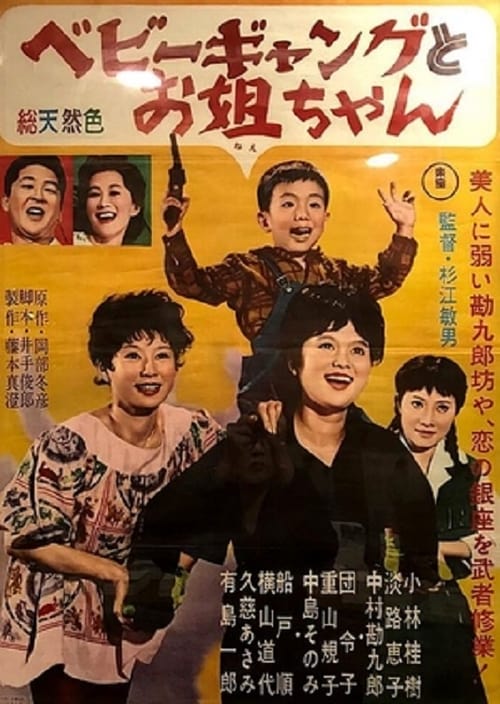
Based on the comic by Fuyuhiko Okabe.
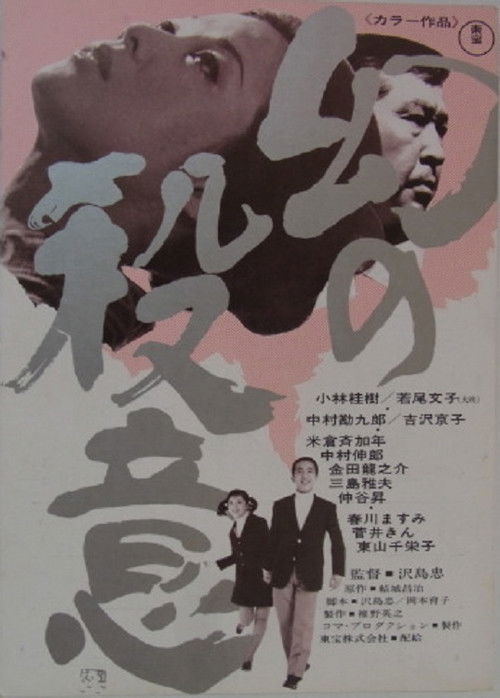
Adaptation of the Shôji Yuki novel.
A father curries favor with his bosses to further his career, but his wife has lost faith in him. She returns to her family home while they rent out their house during the summer to pay off their mortgage, and there she meets a lonely old man...
Chuji Kunisada returns to his home village to find that Jubei Matsui, the corrupt magistrate, has been responsible for virtually destroying Kunisada's family. A final tragedy leads Kunisada to join with a band of rogues living in the forest in robbing from the rich and giving to the poor, always with an eye toward avenging himself on Magistrate Matsui.
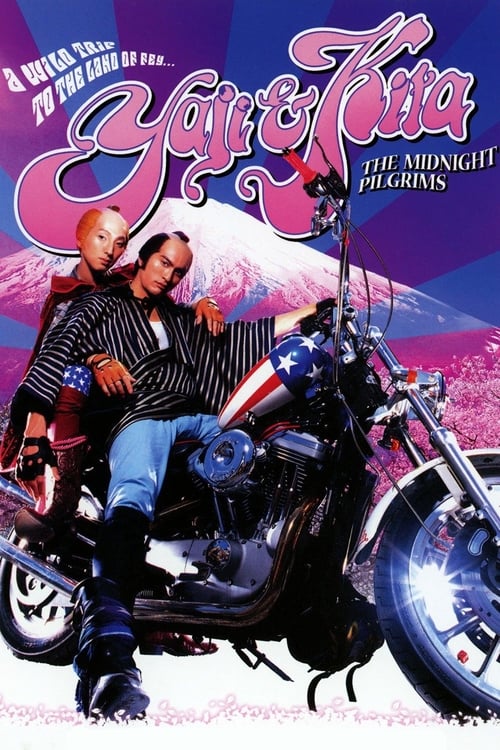
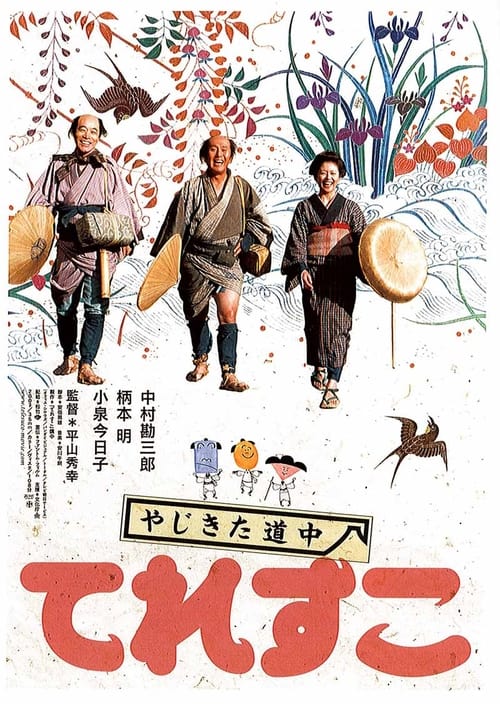
Yaji and Kita are two men who live in Edo. They are deeply in love. Yaji is married to a woman, while Kita is an actor addicted to various drugs.
No description available.
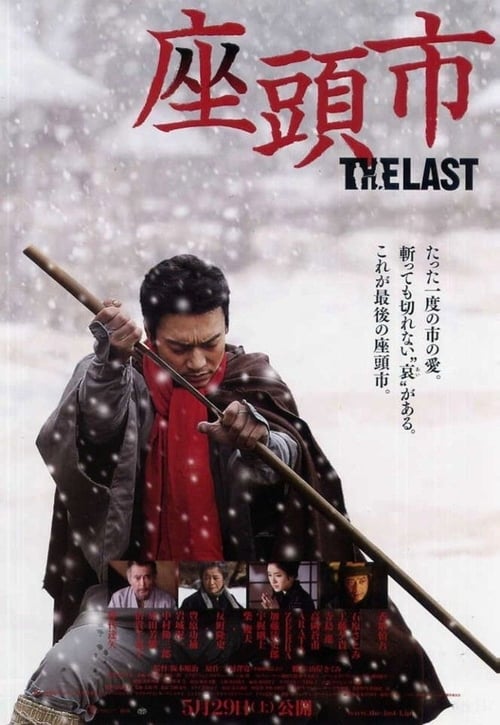
A blind master swordsman attempts to lead a quiet life with his wife but he is provoked back into battle.
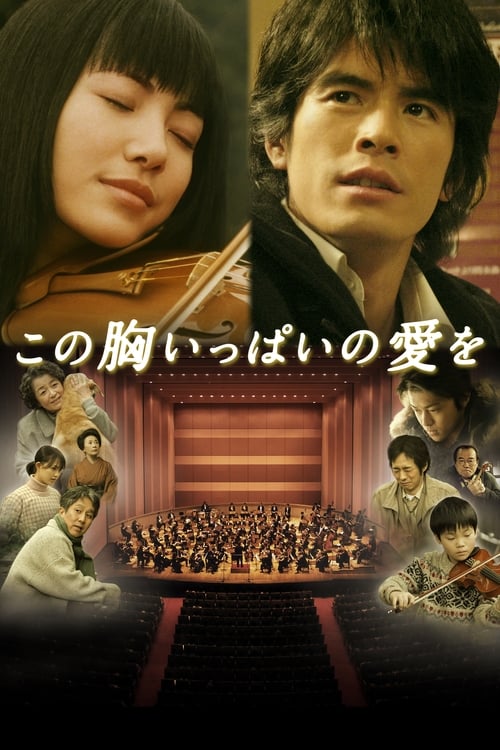
Hiroshi, a 30 year-old businessman, has traveled back in time 20 years. He encounters Kazumi, a young woman who was gravely ill. Hiroshi regarded this as an opportunity to help the young woman from his past, the memory of whom he had always cherished.
Awkward and withdrawn, Masako kills her sister in an explosion of pent-up humiliation and rage that sends her tumbling into fugitive life.
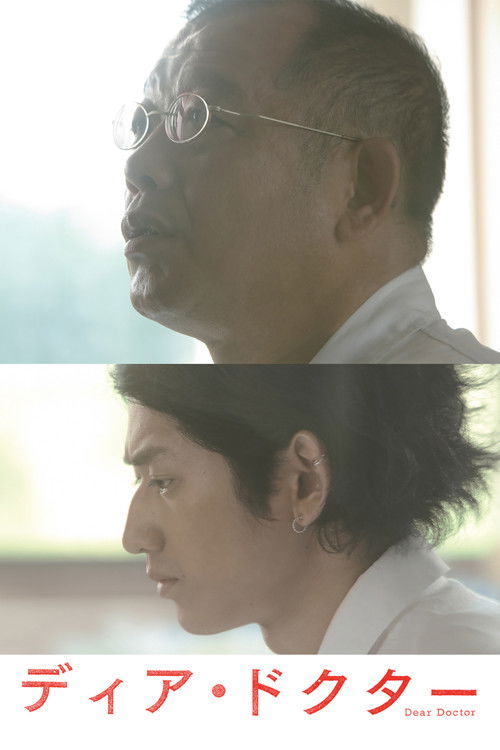
Osamu Ino is a great doctor who is beloved in his rural village. His knowledge and dedication make an equally strong impression on his reluctant medical intern, Keisuke Soma. But, Soma and the villagers reconsider their opinion when they learn about a shameful incident from Dr. Ino's past. Now the once-respected doctor must account for his past actions.
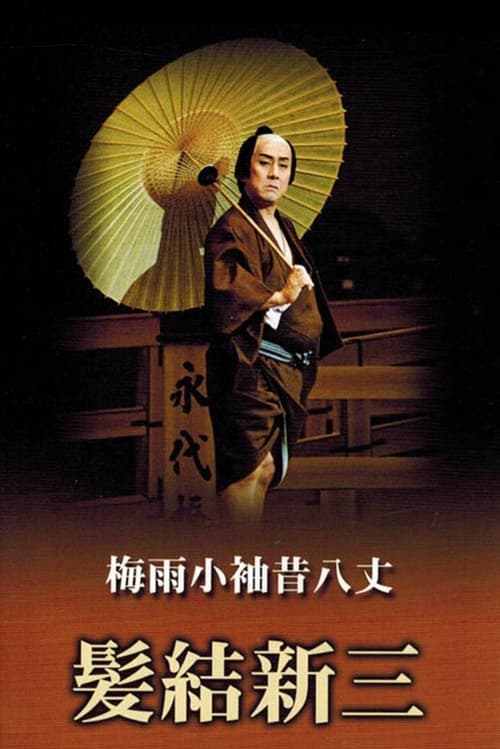
This Sewamono, written by Kawatake Mokuami, is commonly called "Kamiyui shinza" from the name of its hero. Shinza has enticed Chushichi, the Shirakoya clerk, to aid him in kidnapping Okuma, daughter of the Shirakoya's owner. Shinza sent back Yatagoro Genshichi, the gang leader who came to negotiate with him, but the landlord Chobe who comes to see Shinza is more than Shinza can cope with, and Shinza decides to release Okuma in exchange for 30 ryo in cash. But Chobe talks Shinza down and cheats him out of 15 ryo and half of a large bonito. Later, Genshichi ambushes Shinza and kills him to avenge the humiliation he suffered because of Shinza. Usually this work is performed from the 'Shirakoya misesaki' scene in which Shinza persuades Chushichi to join his plot, to the 'Fukagawa emmadobashi' scene in which Genshichi takes his revenge on Shinza.
Based on the comic by Fuyahiko Okabe.
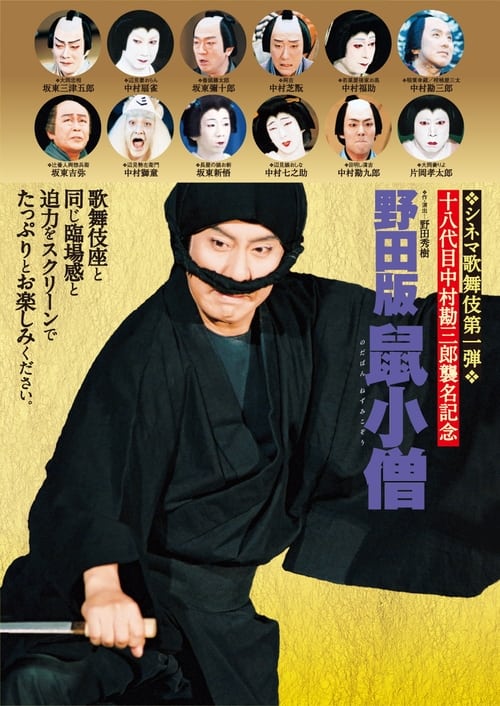
Nezumi, Jack the Mouse is a Japanese urban legend. His passion for money drives a cynical, duplicitous coffin maker to take on Nezumi’s mantle. In this kaleidoscope of disguise and deception, society’s pretenses are destroyed in a melting pot of farce, social satire and courtroom drama. The mighty are brought low to everyone’s delight. Contemporary theatre genius Hideki Noda collaborates with Kabuki theatre at the invitation of celebrated actor Kanzaburo.
Written by Kawatake Shinshichi II in 1873, this play is representative of a category of works called katsureki, "Living History" plays, which sought to depict past events as accurately as possible.
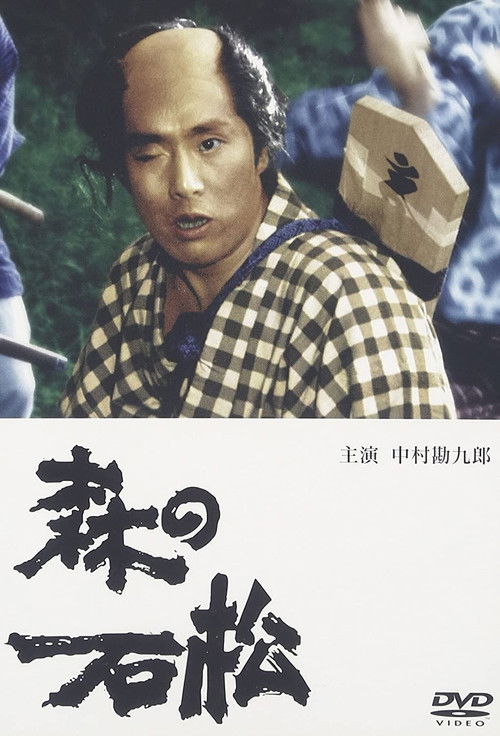
One day, Mori no Ishimatsu (Kankuro Nakamura
A recording of a play based on a quarrel in the late Edo period of Japan. Recorded in May 2012.