FEEL IT.STREAM
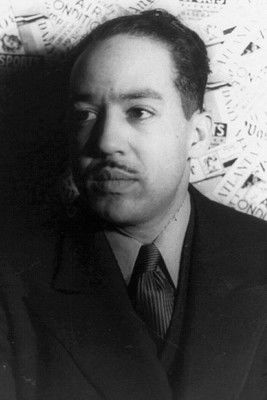
Langston Hughes

Langston Hughes

Writing

Biography

An influential American writer from the early to mid 20th century. Beginning with the publication of "The Negro Speaks of Rivers" in 1921, Hughes first captured the public's imagination as a poet. A versatile writer, Hughes was also adept in writing short stories, novels, plays, and non-fiction. His work often focused on the lives of ordinary people and frequently employed humor, social commentary, and folk wisdom in his writing. In the late 1930s he began writing for Hollywood, but his time there was short lived due to a variety of factors, not least of which was the racism prevalent in the industry at that time. During his lifetime, he received one feature film credit for writing "Way Down South" (1939) with Clarence Muse. In the early 1960s, his play "Black Nativity" was produced for British television.

Known For

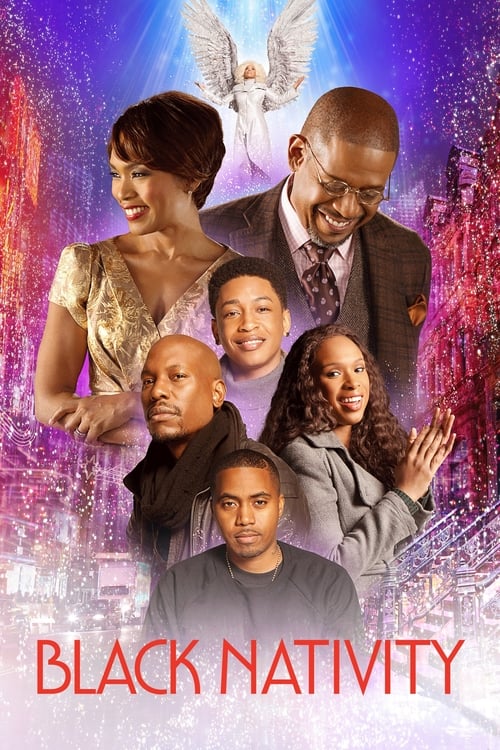
Black Nativity
5.1

A street-wise teen from Baltimore who has been raised by a single mother travels to New York City to spend the Christmas holiday with his estranged relatives, where he embarks on a surprising and inspirational journey.

Black Nativity

2013
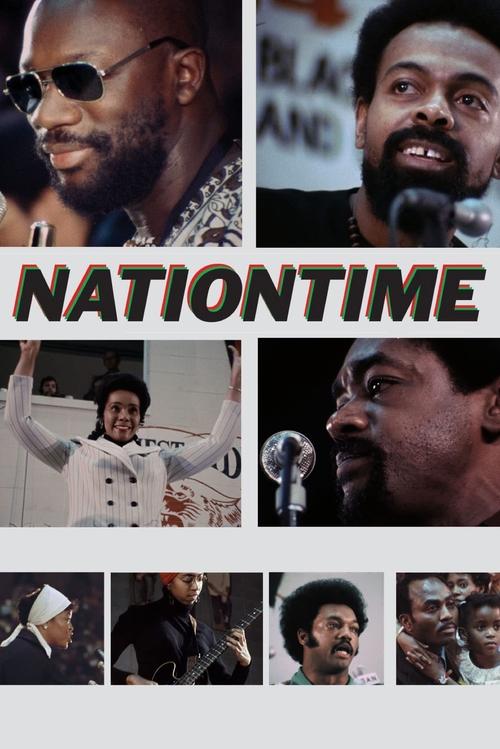
Nationtime
8.0

A report on the National Black Political Convention held in Gary, Indiana, in 1972, a historic event that gathered Black voices from across the political spectrum, among them Jesse Jackson, Dick Gregory, Coretta Scott King, Richard Hatcher, Amiri Baraka, Charles Diggs, and H. Carl McCall.

Nationtime

1972
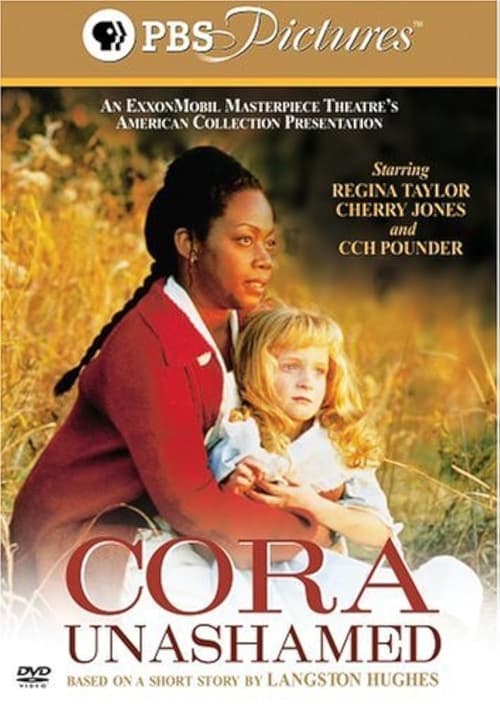
Cora Unashamed
7.3

Cora Jenkins and her parents are the only African-Americans in their community in 1920s Iowa, supported only by Cora's wages as housekeeper to the wealthy Studevants. When tragedy strikes, will Cora speak the truth...with consequences? From the short story by Langston Hughes.

Cora Unashamed

2000
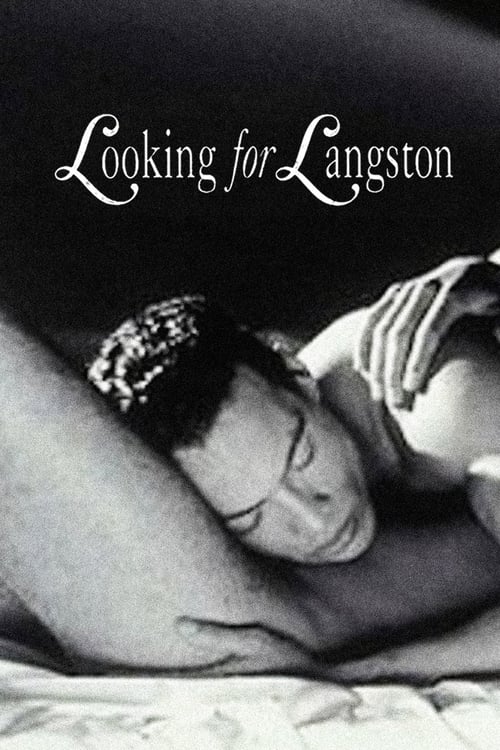
Looking for Langston
5.0

A black and white, fantasy-like recreation of high-society gay men during the Harlem Renaissance, with archival footage and photographs intercut with a story. A wake is going on, with mourners gathered around a coffin. Downstairs is an elegant bar where tuxedoed men dance and talk. One of them has a dream in which he comes upon Beauty, who seems to reject him, although when he awakes, Beauty is sleeping beside him. His story and his visits to the jazz and dance club are framed by voices reading from the poetry and essays of Hughes and others. The text is rarely explicit, but the freedom of gay Black men in the 1920s in Harlem is suggested and celebrated visually.

Looking for Langston

1989
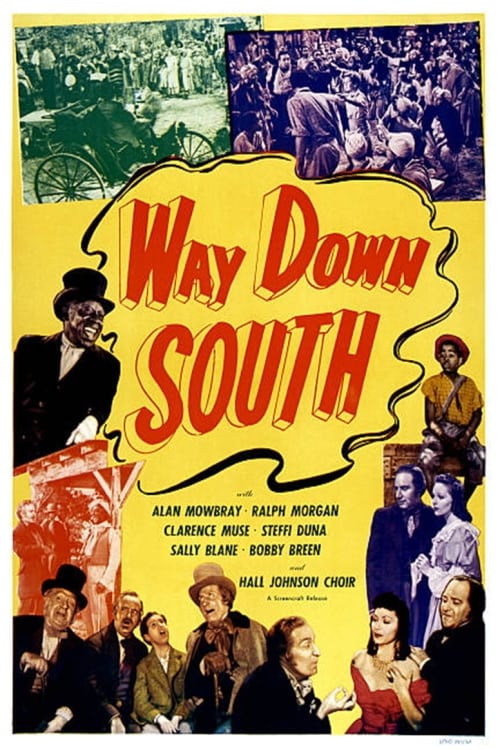
Way Down South
6.4

In the pre-Civil War South, a plantation owner dies and leaves all his possessions, including his slaves, to his young son. While the deceased treated his slaves decently, his corrupt executor abuses them unmercifully, beating them without provocation, and he is planning to sell off the father'e estate--including the slaves--at the earliest opportunity so he and his mistress can steal the money and move to France. The young boy doesn't want to sell his father's estate or break up an of the slave families, and he has to find someone to help him thwart the crooked executor's plans.

Way Down South

1939
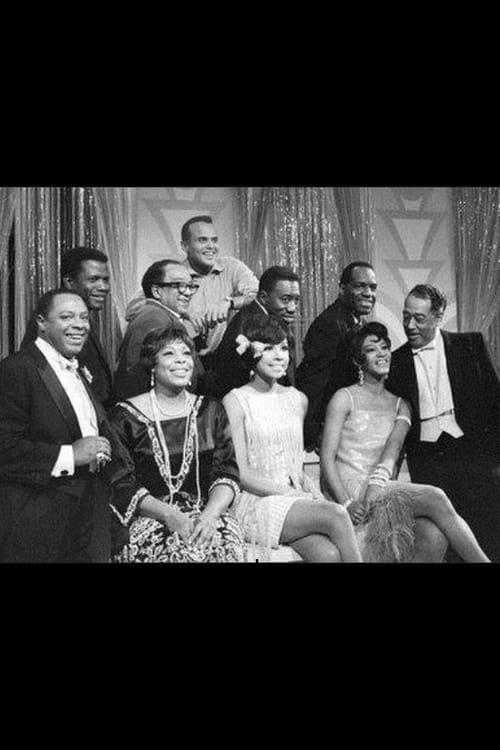
The Strolling '20s
N/A

Harry Belafonte and Sidney Poitier travel down memory lane to see what life was like back in the 1920s. Harry Belafonte introduces this musical, written by poet and playwright Langston Hughes, which pays tribute to Harlem in the 1920's. Sidney Poitier provides commentary on the era throughout the program, and George Kirby and Nipsey Russell portray various Harlem characters. Program highlights include: Gloria Lynne singing "Good Ol' Wagon"; Brownie McGhee singing "Let the Deal Go Down"; Diahann Carroll singing "Nobody Knows You When You're Down and Out"; Sammy Davis, Jr., singing and tap dancing to "Doin' the New Low Down"; Joe Williams singing "Nobody Knows the Way I Feel This Morning"; and Duke Ellington performing "Sophisticated Lady" with a sextet.

The Strolling '20s

1966
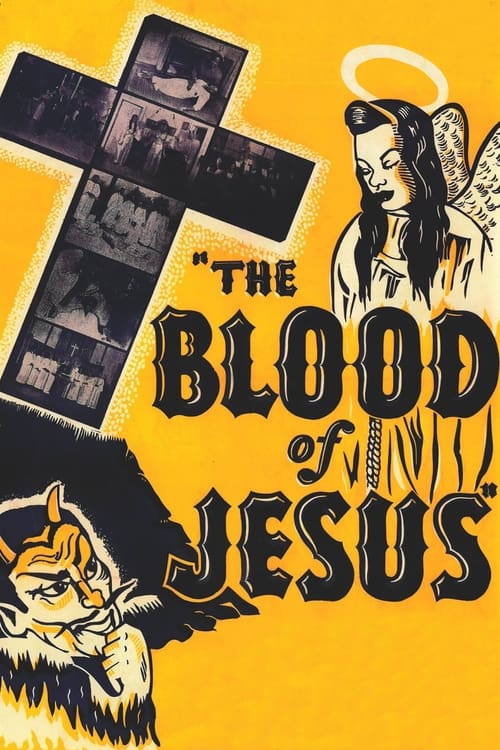
The Blood of Jesus
5.0

Razz accidentally shoots his wife Martha when his hunting rifle drops on the floor and discharges. The church congregation gathers at Martha’s bedside to pray for her recovery, and during this period an angel arrives to take Martha’s spirit from her body, but she is tempted by the slick Judas Green, who is an agent for Satan.

The Blood of Jesus

1941
The First World Festival of Negro Arts
7.0

"This documentary film covers a 24-day arts festival in Dakar, Senegal that highlighted Black contributions to the cultural heritage of mankind and was attended by an extraordinary cast of over 2,000 luminaries - including Duke Ellington, Langston Hughes, Alvin Ailey, Aime Cesaire, and Leopold Senghor - from dozens of countries. The film depicts performances by African and American entertainers and shows various works of art while also providing unparalleled insight from the perspective of the African American delegation. The film was written and directed by William Greaves" (US National Archives).

The First World Festival of Negro Arts

1966
No image
N/A

Produced and conceived by French filmmakers Jean Cocteau and François Villiers, with a screenplay by Langston Hughes, Rhythm of Africa takes a look at the special ceremonial dance of atonement in Chad. The heartbeat of the jungle, the day-to-day life in the modernizing village, and the bustling marketplace take on a hypnotizing rhythm of their own. A changing Africa asserts itself in a changing world.

Rhythm of Africa

1947
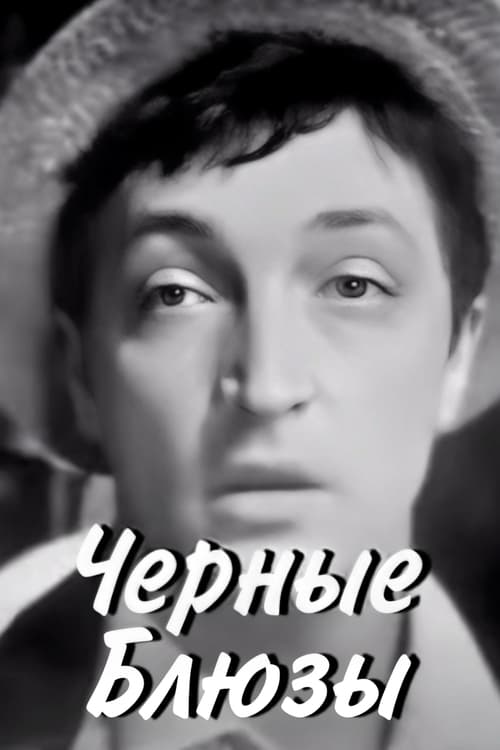
Black Blues
N/A

Teleplay based on the works of Langston Hughes about the life of the African-American population of the United States.

Black Blues

1968
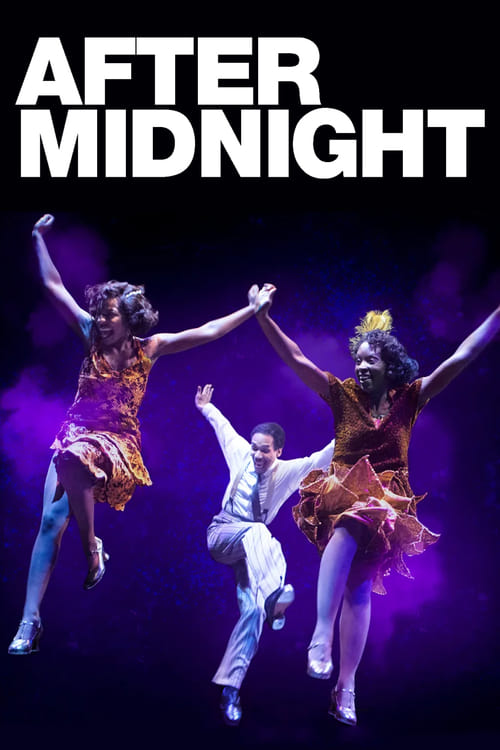
After Midnight
N/A

With music by Duke Ellington, Harold Arlen, Dorothy Fields and more framed by the poems of Langston Hughes, this exhilarating song and dance extravaganza features 28 of the big band era’s most memorable songs and showcases the gorgeous glamour and sophisticated syncopation of the Harlem heartbeat after midnight.

After Midnight

2021
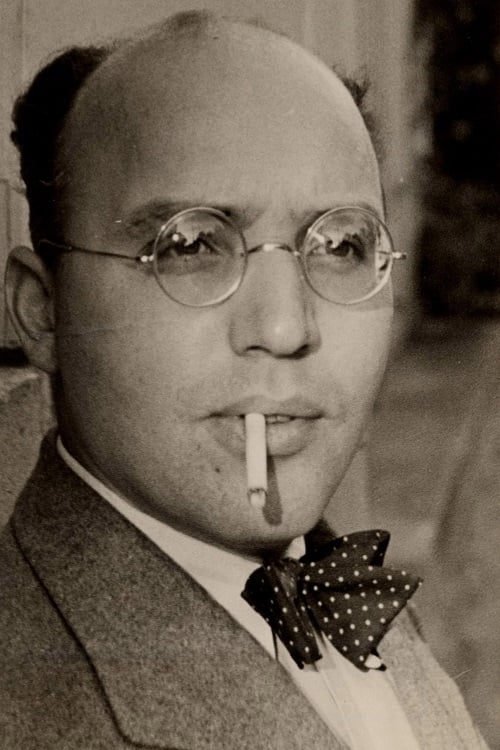
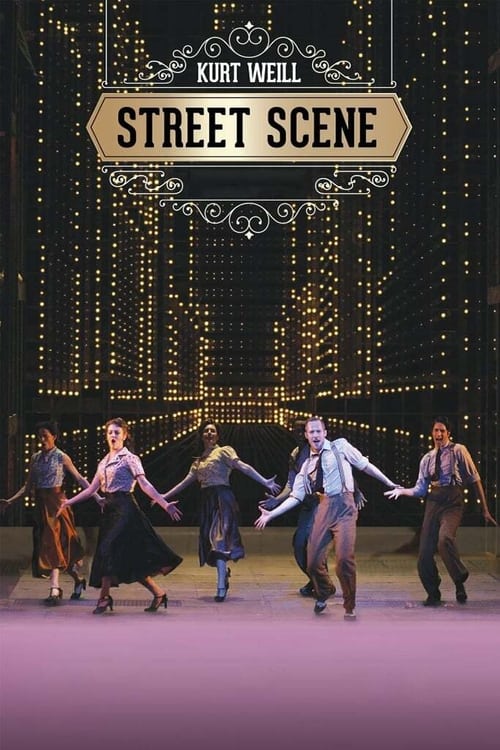
Kurt Weill: Street Scene
N/A

The main plot of this rampant collection of scenes from the streets of the lower East Side of New York revolves around Frank and Anna Maurrant and their daughter Rose. A violent and tough character, Frank fails to see his wife’s growing despair due to his lack of affection. When he discovers her with her lover, he shots them both and goes to jail, leaving behind a heartbroken Rose who, after having experienced relentless harassment by two aggressive suitors, misses her one true chance at love. The opera ends by showing the streets of New York City moving on from these mundane events in total indifference.

Kurt Weill: Street Scene

2019
I'm a Stranger Here Myself: Kurt Weill in America
N/A

The story of Kurt Weill 's relationship with the American popular theatre. During his years in exile on Broadway, the composer of Mack the Knife and The Alabama Song, who personified decadent Berlin, found a new life in New York, creating such standards as September Song and Speak Low. Director Barrie Gavin describes the film as "the history of an artist ... struggling to write music which could have real meaning for the society he had just joined." Weill is remembered by the conductor Maurice Abravanel and the actor Burgess Meredith and there are extracts from several of his works.

I'm a Stranger Here Myself: Kurt Weill in America

1992
No image
N/A

No description available.

Mulat

1962
The Pocketbook
5.4

In the course of a botched purse-snatching, a boy comes to question the path of his life. Billy Woodberry’s second film, and first completed in 16mm, adapts Langston Hughes’ short story, Thank You, Ma’am, and features music by Leadbelly, Thelonious Monk and Miles Davis. (Ross Lipman)

The Pocketbook

1980
No image
7.0

When a nurse leaves her job to walk home, a young boy tries to grab her pocketbook, but she wrestles him to the ground, gets her pocketbook back, and drags him to her apartment in a headlock. There she feeds him and teaches him some valuable lessons before sending him home.

Thank You, M'am

1977
Jazz
6.0

A beautiful evocation of the history of jazz and its performers. An introductory program to understanding the African American people through their relationship to the culture of all people: jazz music. A new and poetic language.

Jazz

1966
No image
N/A

The opera takes place on the doorstep of a tenement on the East Side of Manhattan on two brutally hot days in 1946. The story focuses on two plotlines: the romance between Rose Maurrant and her neighbor Sam Kaplan; and on the extramarital affair of Rose's mother, Anna, which is eventually discovered by Rose's irritable father, Frank. The show portrays the ordinary romances, squabbles and gossips of the neighbors, as the mounting tensions involving the Maurrant family eventually build into a tragedy of epic proportions. Broadcast on BBC Two on New Years Day, 1993, this production was performed by the English National Opera and conducted by James Holmes.

Kurt Weill: Street Scene

1993
No image
N/A

Black American presentation of the nativity story from the New York stage production by Langston Hughes.

Black Nativity

1962
The Sun Sets Like a Scar
N/A

Engaging with the poetry of Langston Hughes, this film investigates the afterlives of Vladimir Lenin in eastern Germany.

The Sun Sets Like a Scar

2024