Jennifer Montgomery
Directing
Biography
Jennifer Montgomery belongs to the dwindling but impassioned tribe of contemporary Super 8 devotees, having used it for a series of lyrical, personal short films. In her feature Threads of Belonging, she presents Super 8 as a form of art therapy for residents of a fictional community.
Known For

Jennifer, an intelligent but insecure 14-year-old student at a boarding school, seduces her married dormitory counselor, a photographer who has offered to teach her about his art and winds up shooting her in the nude. She is naive, and he manipulates her into an affair that eventually is discovered. Years later, as the photographer is being investigated by the FBI, the adult woman remembers her first love as a case of herself watching the artist who watched her.
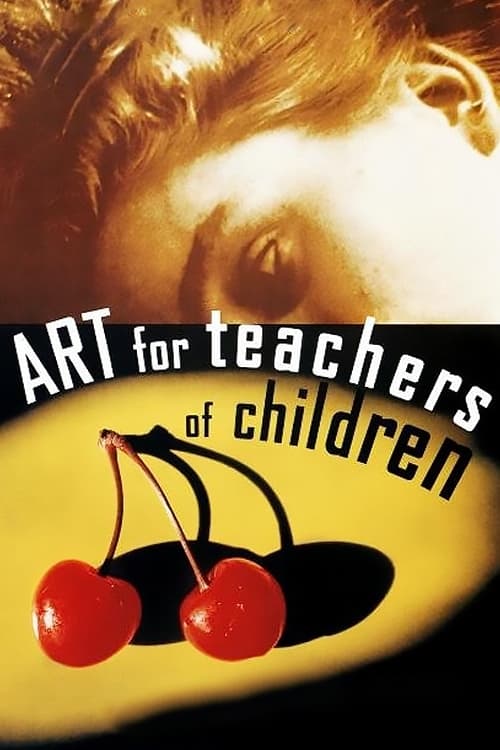
Art for Teachers of Children

A ramshackle underground SF satire set and shot in the self-absorbed art world of lower Manhattan, written, produced, and directed by Joe Gibbons, who also plays one of the lead parts. Gibbons plays a mad scientist who's developed a technique for transferring personalities from one person's body to another; he becomes obsessed with an outlaw artist (played by performance artist Karen Finley) who destroys paintings in various galleries as a form of anarchist, anticapitalist protest.
The Genius
Jennifer Montgomery tracks down three old friends (Joe Westmoreland, Lisa Cholodenko, and Todd Haynes) who borrowed and never returned pieces of her super-8 film equipment.
Notes on the Death of Kodachrome
Jennifer is doubly challenged--as a professional journalist, she's trapped on a pleasure boat with Russian ultra-nationalist and macho pig Vladimir Zhirinovsky, conducting an interview which turns into a battle of wills. At home, her lesbian lover teases and insults her relentlessly. Weaving together scenes that present encounters with both characters, the story reveals their unlikely similarity by employing a dispassionate style that renders each power play more insidious.
Troika
Heretic is composed from the outtakes of Joe Gibbons's no-budget feature The Genius, set to John Zorn's Naked City "soundtrack" album Heretic, and recomposed as a satire on Psychotherapy. Features original narration performed by Frank Snider. A study of editing and its relation to the mechanics of the brain, HERETIC initially poses as a preview to the Gibbons film which it then deconstructs and reforms into a satire on psychotherapy.
Heretic

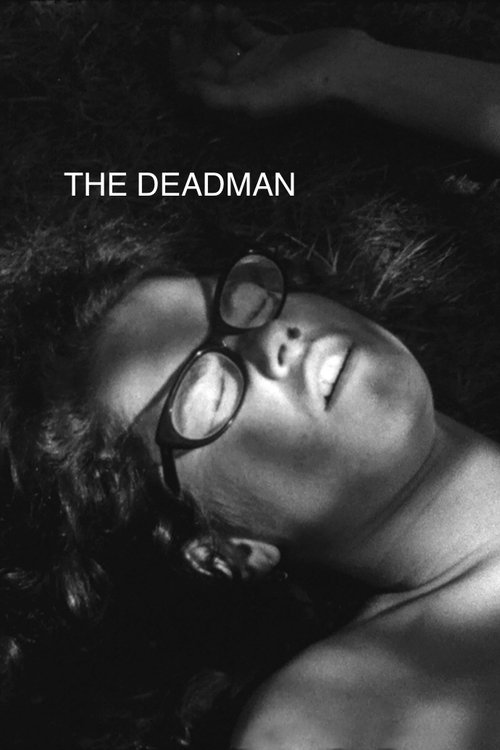
Made in collaboration with Keith Sanborn, The Deadman is based on a story by Bataille, charting "the adventures of a near-naked heroine who sets in motion a scabrous free-form orgy before returning to the house to die — a combination of elegance, raunchy defilement and barbaric splendor." — Jonathan Rosenbaum, Chicago Reader.
The Deadman

An autobiographical examination of the director's rape at gunpoint nine years prior.
Home Avenue

This film is depicts early lesbian sexuality, using reenacted scenes from the experience of a 12-year old girl as the platform for a meditation on forbidden desire, transgression, and Lacanian psychoanalytic concepts of identity formation. Raw adolescent memories counterpoint staged scenes, exploring mechanisms of power and submission.
Age 12: Love with a Little L

Like a generation of viewers, I was profoundly affected by Deliverance. But I have always been troubled by the hegemonic structures of gender proposed by Boorman and Dickey. Hence, my version is played by women: myself, Peggy Ahwesh, Jackie Goss, Su Friedrich, and Meredith Root, all experimental filmmakers who work as academics. While faithful to our respective male characters, we also play ourselves. -- Jennifer Montgomery
Deliver
Martina plays on her own and with her mother, Jennifer talks, stock footage of flowers is talked over.
Martina's Playhouse
Depicts the daily life of "Layton House," a fictional therapeutic community, where doctors live with their schizophrenic patients. The characters and events of Layton House were drawn from writings of the anti-psychiatry movement , whose most famous proponent was R.D. Laing. In this film we see experimental therapies, power struggles, and the individual arcs of mental illness converge, as a community struggles to understand itself and determine its destiny.
Threads of Belonging
In the aftermath of a death things may seem very quiet, but there are struggles going on so deep not even those who struggle can recognize them. This film looks and listens for signs of those struggles. Psychoanalytic interjections consider the nature of time and rumination, and are used to step outside of the terribly interiorized state of mourning.