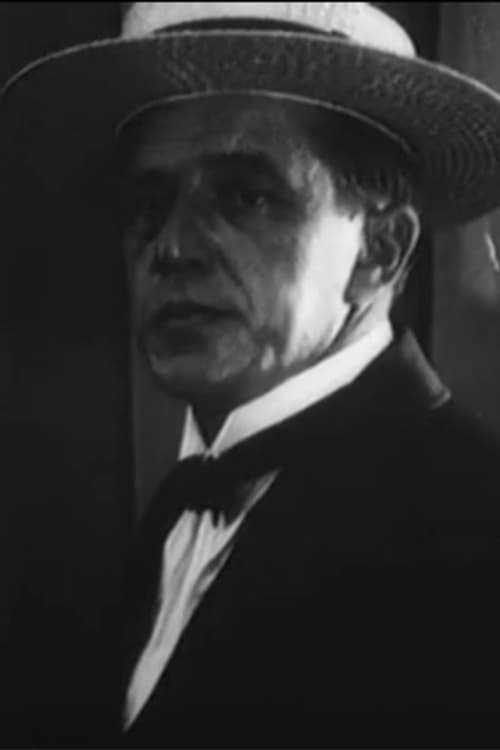
Arseniy Bibikov
Acting
Biography
Writer and actor.
Known For
No description available.
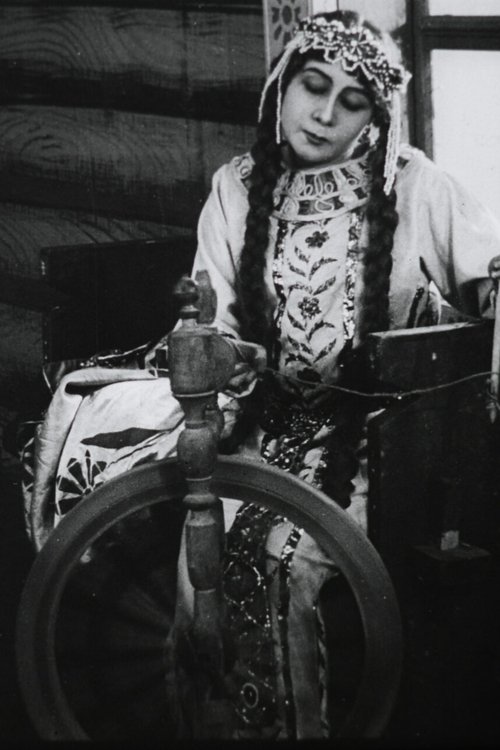
The Tale of the Sleeping Princess and the Seven Knights
No description available.
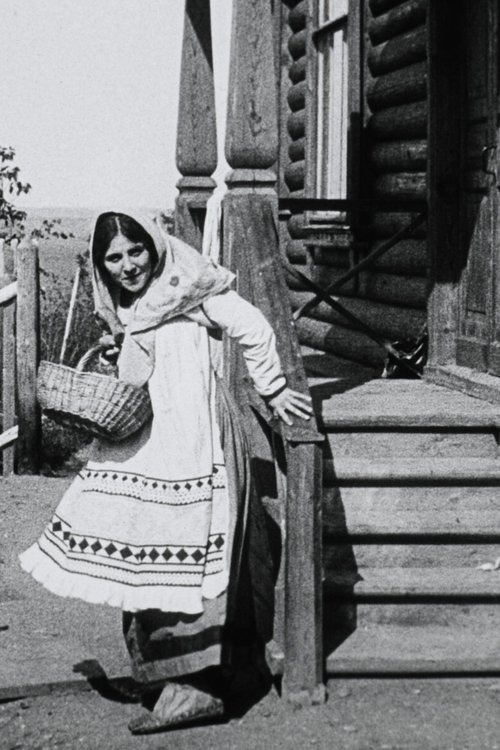
Miss Peasant

Two peasants in feudal Russia wish to marry but tragedy strikes. A grim if familiar depiction of the precarious condition of the rural life.
The Peasants' Lot
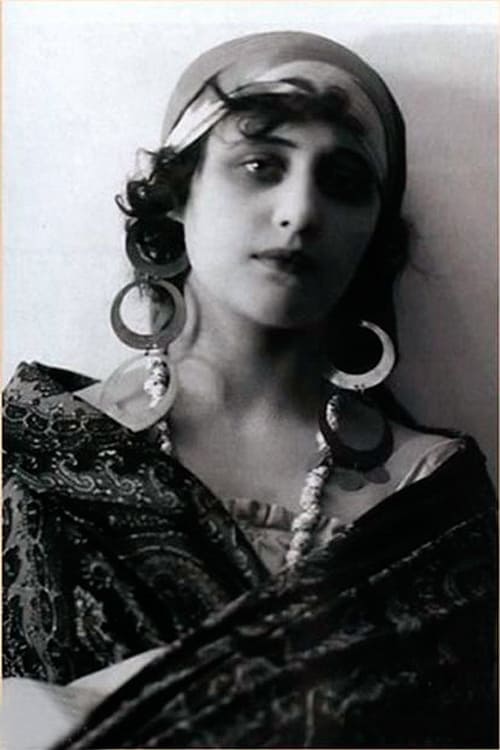
"The Living Corpse" - Fedor Protasov is tormented by the thought that his wife Liza never really made a clear choice between him and Victor Karenin, a more conventional rival for her hand. He wants to kill himself, but doesn't have the nerve. Running away from his life, he falls in with Gypsies, and into a sexual relationship with a Gypsy singer Mascha. Meanwhile, his wife Liza, presuming him dead, marries the other man, Victor.
A Corpse Living
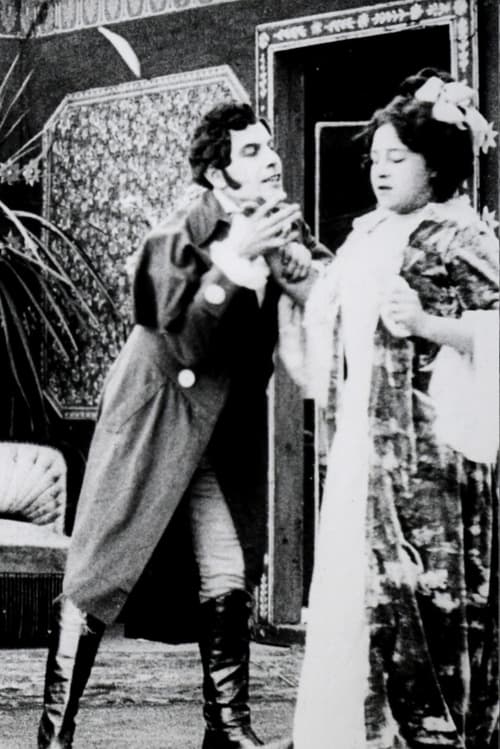
No description available.
Eugene Onegin

The picture tells the story of Maria, a devoted wife of a bank employee. The couple has a cozy life; they have a baby but he is cared for by their maid so Maria can spend her time doing terrific things like going shopping. During one of these consumer afternoons, Maria meets by chance an old friend, Lidia, who will introduce her to exclusive idle class social circles. Soon Maria's beauty attracts the interest of Lebedev, a rich old libertine. From that point on Maria suffers continual sexual harassment which she resists for a time. In the end, however, she falls into his bourgeois claws.
Children of the Age
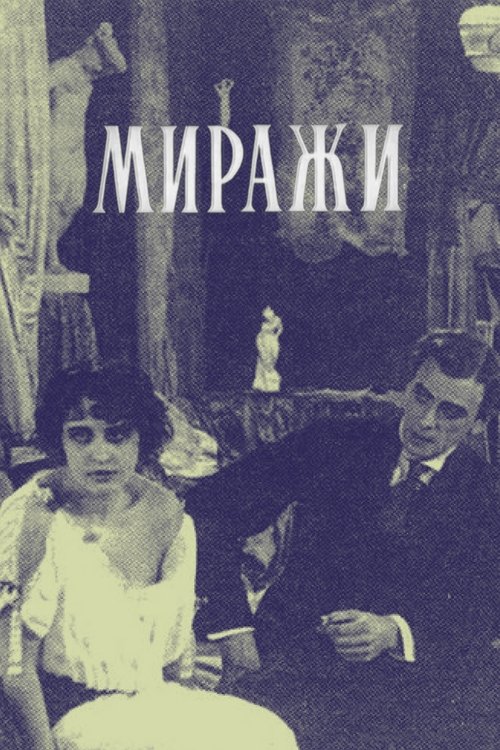
Marianna advertises for work as a reader and is employed by the reclusive millionaire Dymov. Appreciative of her sensitive, artistic nature, and of her youthful innocence and purity, Dymov is protective of Marianna and shields her from the attentions of his philandering playboy son. Marianna confesses to her fiancé Sergei that, at times, she feels deeply conflicted, drawn by the seductive lure of wealth and luxury. When her protector Dymov dies, his son begins to pursue her. Can Marianna resist her attraction to the opulent lifestyle that Dymov's son offers?
Mirages

No description available.
Song of Triumphant Love

Short film based on a poem by Julius Slovacki.
Mazepa
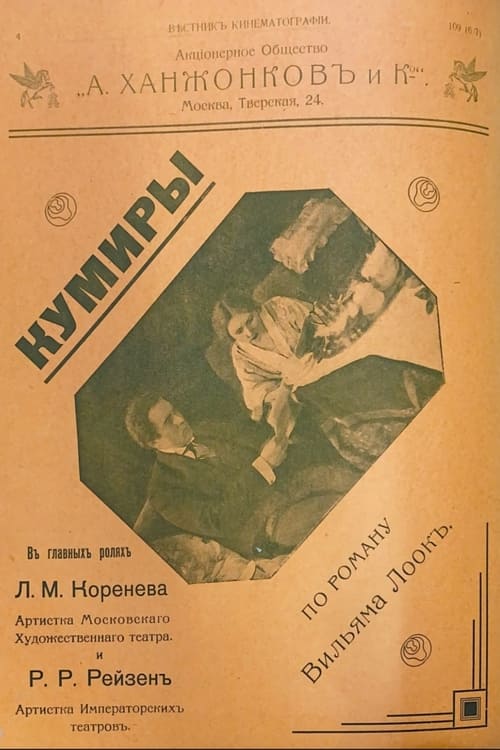
No description available.
Idols

A Jewish parvenu climbs the social ladder by seducing wealthy women.
Leon Drey

First film ever that was shot by two cameras. Set in 1854-1855, in Sevastopol and Yalta during the Crimean War. Admirals Kornilov (Mozzhukhin) and Nakhimov (Gromov) organize the defense during the siege of Sevastopol. Both admirals are killed during the battle, and the city of Sevastopol is taken by the alliance of British, French, Sardinian, and Turkish troops. The legendary feat of Sailor Koshka (Semenov) was staged at original location. The 100 minute-long film was premiered in 1911 at the Livadia, Yalta, palace for the Tsar Nicholas II.
Defence of Sevastopol
A romance in the upper-classes develops as the Bolshevik revolution is at hand.
Knight's Spirit
No description available.
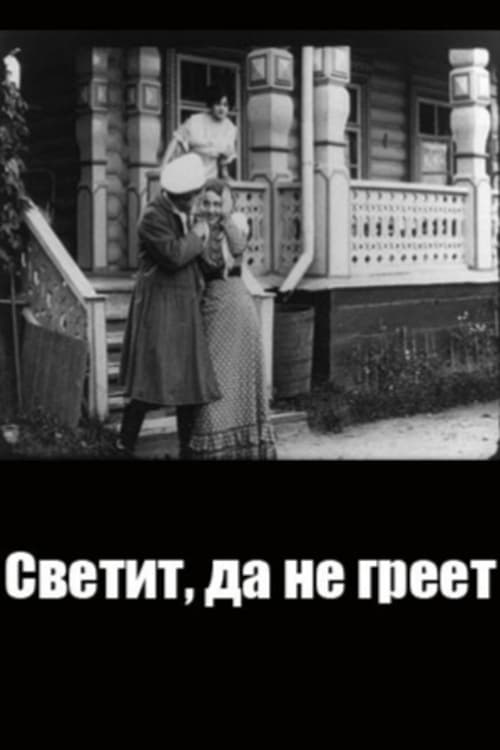
It Shines But It Doesn't Warm
No description available.
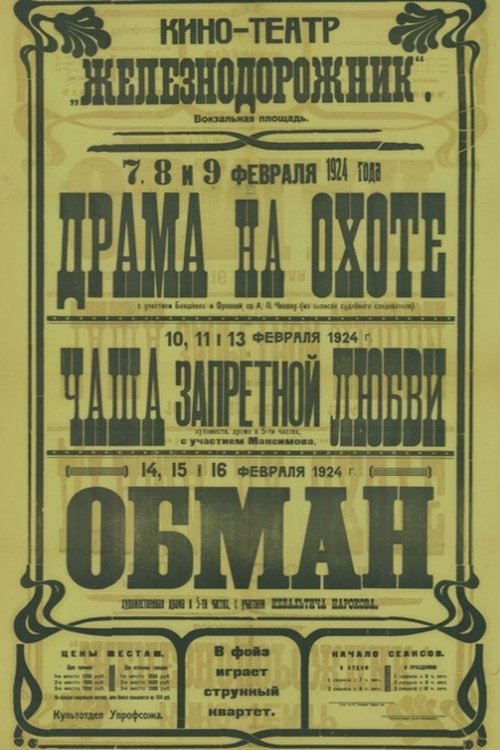
Drama on the Hunt

Lusha is suffering from her drunken husband. One day her father-in-law rapes her. Of course, she doesn’t dare admit it to her husband. So, unable to move this incident, Lusha commits suicide...
The In-Law
Based on the poem by Pushkin. A thief and his gang are at their camp next to the Volga River. He tells them of how his father died in a river, and how his brother and he were thrown out of the house as children by their step-mother…
The Robber Brothers
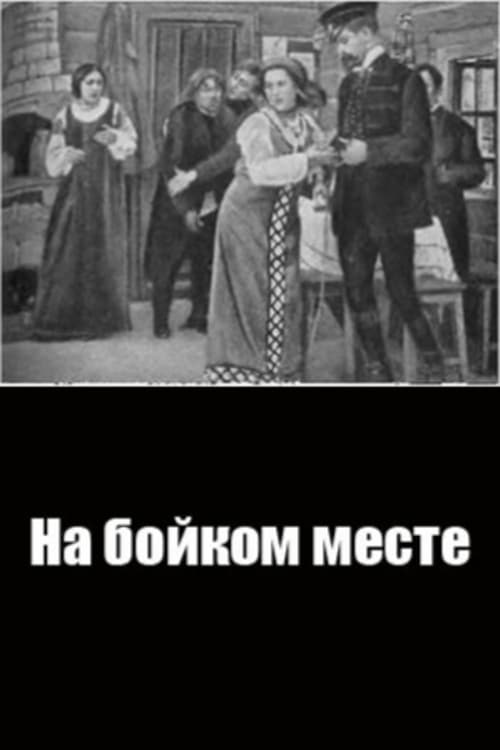
Based on the 1865 play of the same name by Alexander Ostrovsky.
In A Lively Place
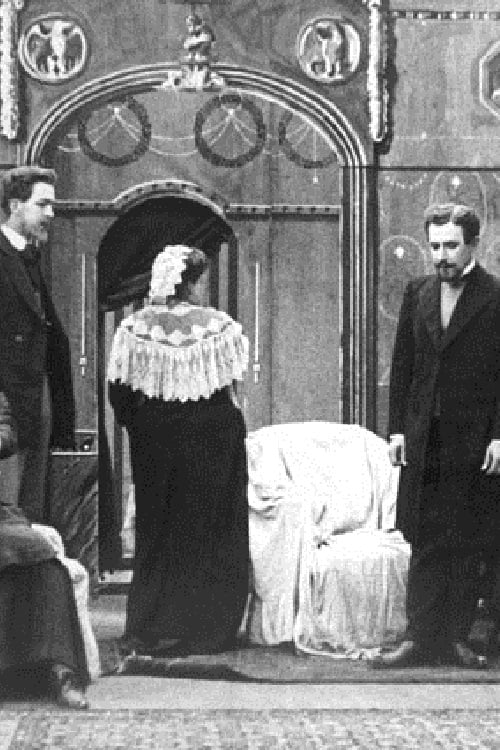
An adaptation of the Dostoyevsky novel.
The Idiot
No description available.