FEEL IT.STREAM
Jan Špáta

Jan Špáta

Directing

Biography

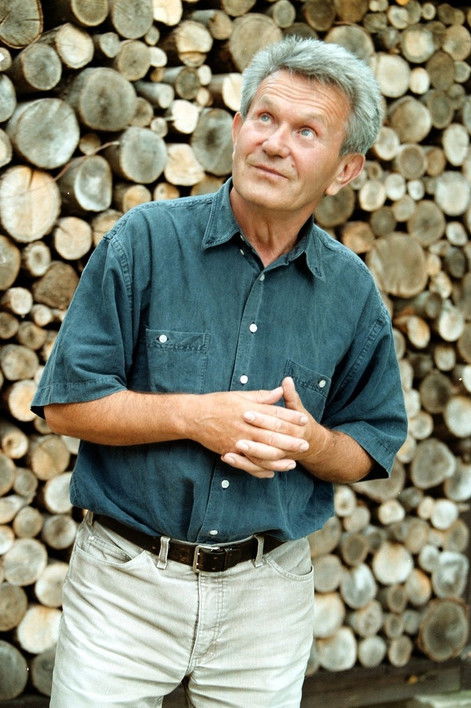
Jan Spáta was born on October 25, 1932 in Náchod, Czechoslovakia [now Czech Republic]. He was a cinematographer and director, known for Nejvetsí prání II (1990), Mezi svetlem a tmou (1990) and A kdo je vinen? (1971). He was married to Olga Sommerová. He died on August 18, 2006 in Prague, Czech Republic.
Known For

No image
N/A

No description available.

GENUS

1995
No image
N/A

No description available.

Dášeňka

1979
No image
N/A

No description available.

Fortel

1975
No image
8.0

No description available.

Il Divino Boemo

1974
No image
N/A

Two different productions of Václav Havel's Beggar's Opera reveal the political dynamics of Czechoslovakia before and after the velvet revolution.

A znovu Žebrácká opera

1996
No image
N/A

No description available.

Pražská strašidla

1966
No image
8.0

In 1965, during eminent trumpeter Louis Armstrong’s visit to Prague, Jan Spata then a young promising documentary filmmaker, created the report 'Hallo Satchmo'.

Hallo Satchmo

1965
No image
8.0

A synagogue service in Bohemia, where the Torah scrolls are ceremoniously taken out and read, intercut with images of a Jewish cemetery.

Psalm

1965
No image
5.5

Sociological study of the real values of young people in socialism.

The Biggest Wish

1964
No image
N/A

No description available.

O malém světě

1968
No image
8.0

Documentary short about the title composer, born in what was called "Czechoslovakia" when the film was made.

Variations of a Theme by Gustav Mahler

1982
No image
N/A

No description available.

Svítí slunce?

1970
No image
N/A

No description available.

Vůně benzínu

1964
No image
N/A

No description available.

Telefon

1964
No image
N/A

Athletic Variations (Atletické variace, 28 min) is a sophisticated essay on winning and losing during the 1982 European Athletics Championships held in Athens.

Athletic Variation

1983
No image
7.0

No description available.

Nádraží

1964
No image
N/A

No description available.

Neděle

No image
5.8

A leading director of the Czech film renaissance provides a philosophical meditation on life and death, set amidst complex hospital apparatus and the sadness, hope, or resignation of the patients. Existentialist rather than optimist, the approach is one of humanistic atheism, accepting death as part of life. Interviews with doctors and nurses explore their outlook; all speak of death as a fact, without either sentimentality or religiosity. The studied objectivity of the film only imperfectly hides an intense emotionality.

Reflection

1966
No image
N/A

Visiting the company cafeteria is like going through the nine circles of Dante’s Inferno. At least that’s how Valoušek, editor of Kulturní noviny, sees it when he unwittingly becomes the protagonist of a social experiment at the local company cafeteria, where everything happens the opposite of how it should. This humorous satire about the conflict between reality and ideals highlights the pitfalls of the journalism profession, and the fact that culture is created not by institutions, but by people.

Troubles with Culture

1962
Railwaymen
7.5

A short documentary about the work of railwaymen and life on the railway.

Railwaymen

1963