
Maria Ramos
Directing
Biography
Graduated in music from the University of Brasilia (UnB), Maria moved to Paris where she completed her musicology and electro-acoustic music courses at the musical research group (Radio France) and later in London (City University). In 1990 she married Henkjan Honing, a Dutchman, and moved to Holland, where she studied directing and editing at the Dutch Film and Television Academy, studying under Johan van der Keuken (1938-2001).
Known For
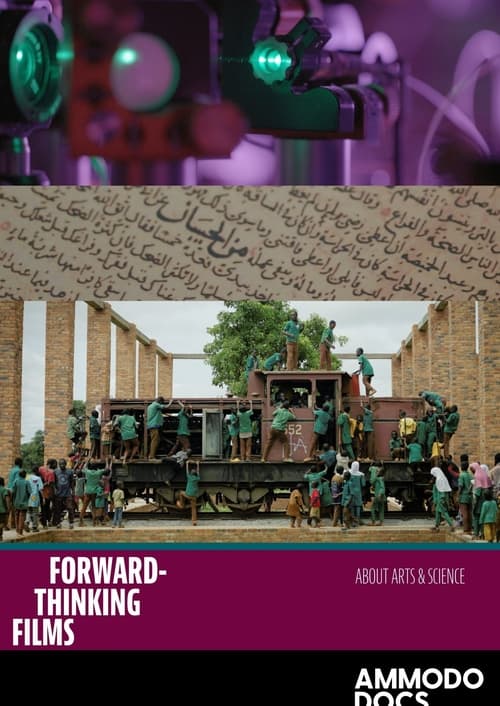
Ready for a new perspective? Ammodo Docs presents artistic shorts about original minds. In 15-minute films, renowned Dutch filmmakers challenge you to see the world through the eyes of pioneers in the arts and sciences. Ammodo Docs. Forward-thinking films.
Ammodo Docs
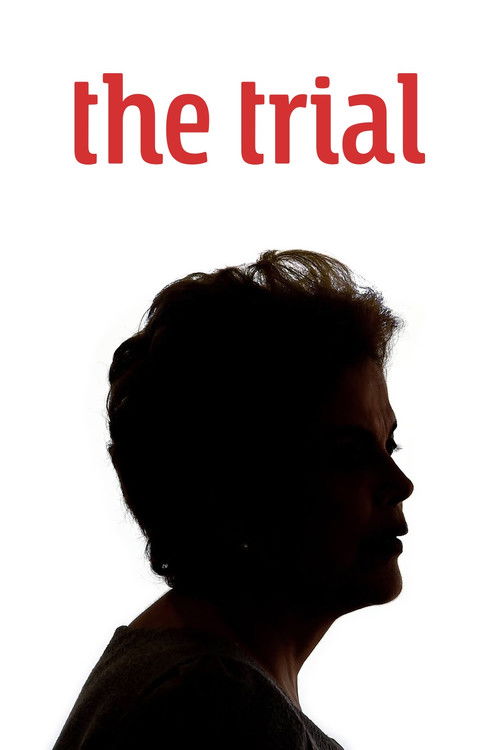
The impeachment and removal from office of Brazilian President Dilma Rousseff in 2016 was triggered by a corruption scandal involving, among others, her then vice-president Michel Temer. Director Maria Augusta Ramos follows the trial against Rousseff from the point of view of her defence team. This is a courtroom drama that unfolds slowly: the appearances of the various parties gradually turn the proceedings into something akin to theatre. Inside the courtroom, grand emotions are played to full effect whilst, on the other side of the doors, lobbyists and supporters pace the corridors. Meanwhile, outside, in front of Brasília’s modernist government buildings, demonstrators are chanting like a Greek chorus. Only the main character, Rousseff herself, remains professional and aloof.
The Trial

In 2019, the leakage of messages exchanged by authorities in Brazil undermines the credibility of Operation Lava Jato. A group of journalists follows the unfolding of the case, in a sequence of crises that puts Brazilian democracy at risk.
Secret Friend

In Justiça, Maria Ramos puts a camera where many Brazilians have never been – a criminal courtroom in Rio de Janeiro, following the daily routine of several characters. There are those that work there every day (public attorneys, judges, and prosecutors) and those that are merely passing through (the accused).
Justice

In Rio de Janeiro, over many days, the director Maria Ramos witnesses and films the judgment of several teenagers accused of stealing, trafficking and murdering. Underage youths are protected by the Brazilian laws and their faces can not be exposed; therefore, they are replaced by teenagers from poor communities.
Behave

Documentary about the Brazilian capital
Brasília, Um Dia em Fevereiro
Like a road movie, the film accompanies a water delivery truck through the Brazilian landscapes of the Sertão region, plagued by drought. Between fiction and documentary, the driver’s trip bears witness to a determined population endeavouring to live out their daily lives, while the sterile words of politicians seem to soar over the arid lands. A collective portrait that respects the right distance.
Drought

Filmed in Rio de Janeiro, the film follows the World Cup from the point of view of two groups of young people from Rio: one that meets at the traditional fan stronghold in the Tijuca neighborhood, Alzirão, and the other made up of young people from the Frente Nacional dos Torcedores. While the first group dedicates itself to decorating its street in green and yellow, adorning it with banners and setting up a large screen to welcome thousands of fans, the other has an important political role on the streets, questioning the process of elitizing football, the high ticket prices and the billions spent on stadium renovations.
Ritos

A portrait of the city of São Paulo through the life of four of its inhabitants: an economist and analyst of the financial market, a metallurgist who works at Volkswagen, a motorcycle courier and a railway worker. Each character calls attention to one aspect of the economy in a period of social tension: the three weeks before the start of the World Cup. Observing the daily life of the characters, Future June aims to reflect on this historical moment and on the ways that the current economic model determines social and human relations.
Future June
No description available.
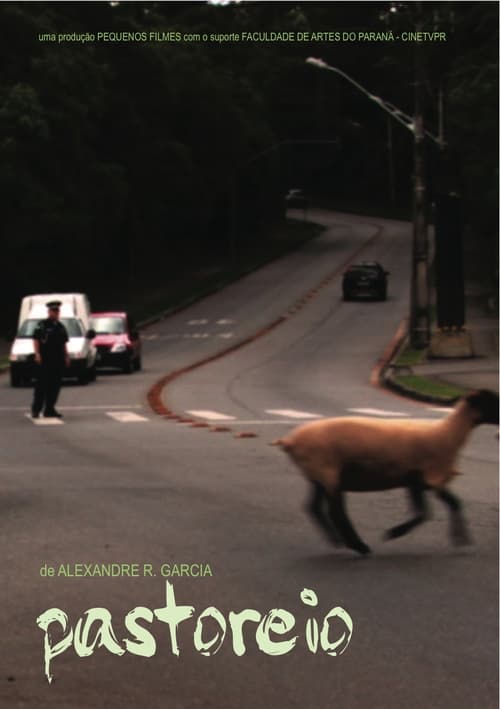
Pastoreio

Desi is a young girl living in Amsterdam with an unconventional family situation. A portrait of a remarkably strong girl.
Desi
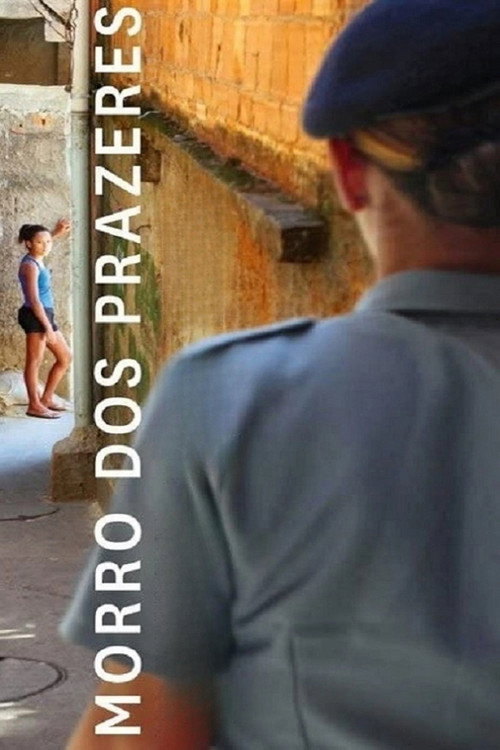
It examines the daily life of the residents and cops at a Rio de Janeiro favela one year after the arrival of a Pacifying Police Unit.
Hill of Pleasures

Name given to a specific day on which a series of arson fires are promoted in the Amazon region.
Dia do Fogo

The history of the mobilizing of a group of 110 employees from Caixa Econômica Federal bank over the course of a year, after being unfairly dismissed in 1991 under the Fernando Collor de Mello government.
Não Toque Em Meu Companheiro
A study of the education – as well as their intimate lives with family, friends, the street, and play – of two children in very different parts of Brazil.