Stefan Themerson
Directing
Known For
Tim Boerhave, a philosophy lecturer, loses his legs in a bomb attack. Who is responsible? The last image before the explosion is that of a large black dog with a sardine tin attached to its collar, jumping up against the kitchen door. For Tim, the question of who did it is less urgent than the question of why. No one has claimed responsibility for the attack. He can't think of any reason why he was targeted. While his house is being rebuilt, he and his family retreat to a quiet family hotel to recover. Day and night, he locks himself in his hotel room. He is obsessed with mapping out what preceded the explosion on that fateful morning. Who is the perpetrator? Why is Tim the victim?
Het Mysterie van de Sardine
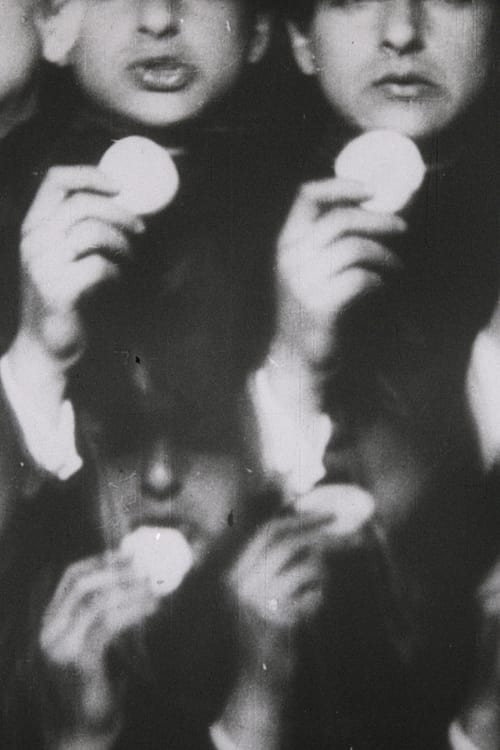
Europa is a 12-minute anti-fascist film made in 1931 in Warsaw, Poland by surrealists Stefan and Franciszka Themerson. The film is based on Anatol Stern's 1925 futurist poem Europa. It uses collages and photograms, and articulates the sense of horror and moral decline its makers were witnessing. The film, while long thought to have been lost, is considered an avant-garde masterpiece.
Europa
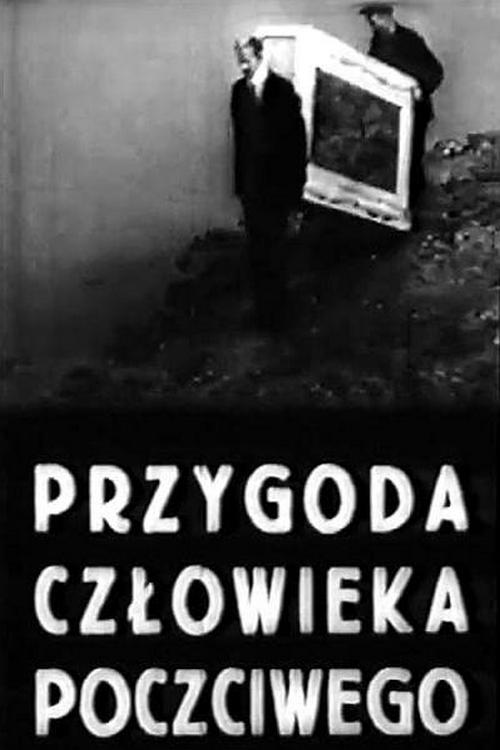
In the early inscriptions, this film is presented as a “lyrical bounce from reality” but not “senseless extravagance.” The plot involves a trek official to the advice of “There will be a hole in the sky even if you go back”, the procession of two people with a wardrobe and a march of people defending the established rules (“Down with walking backwards”). The formal aspect in the movie is a lot of trick shots using a mirror, photographs and negatives.
The Adventures of a Good Citizen
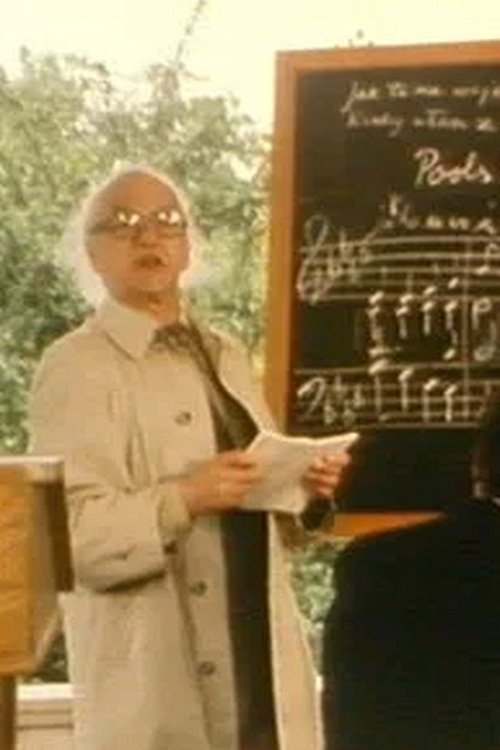
Stefan Themerson plays himself in the role of a poet who accuses political and religious leaders of stealing the tools of his trade. His goal is to expose the demagogues as thieves. A researcher launches an investigation and discovers that the poet is unwilling to take back hidden contaminated tools. He (the poet) has devised a method to reveal the reality behind the poem. He wants to strip the words of their associations, sever their ties to the past, scrub them clean of their dictionary definitions. He calls his method Semantic Poetry.
Stefan Themerson en de taal
A short anti-war film denouncing the destruction of Polish national culture under the Nazis.
Calling Mr. Smith
Four types of visual interpretation of four songs by Karol Szymanowski. Polish words by Julian Tuwin, English translation by Jan Sliwinski.
The Eye & the Ear
In 1930, Stefan and Franciszka Themerson made a controversial, black and white, silent, 35mm film in Warsaw. ‘Apteka’ was the first “moving photogram” and an innovation in experimental cinema. It disappeared during the German occupation of Poland. Bruce Checefsky’s extraordinary film ‘Pharmacy’ is based on the surviving notes, letters and stills from the original film and published reviews from Czas, Wiaomosci Literackic Polski Zbtgina, Swiatowid, Pion and Kuriet Polski.
Pharmacy
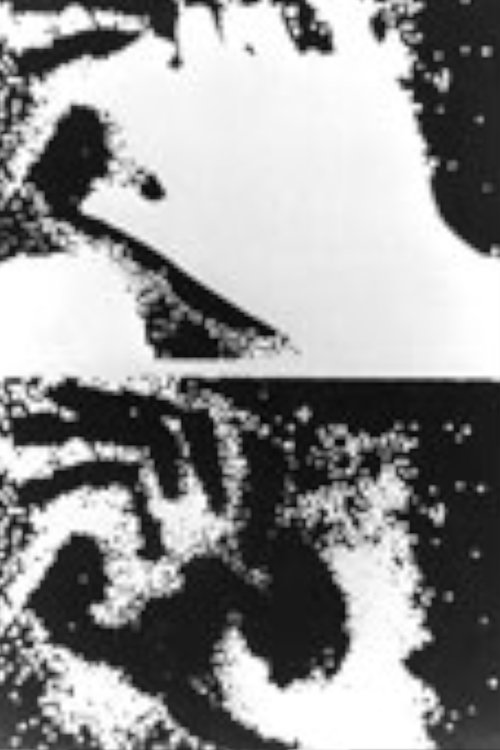
A photogram, used previously only within art photography, is adapted to create abstract moving patterns.
Pharmacy
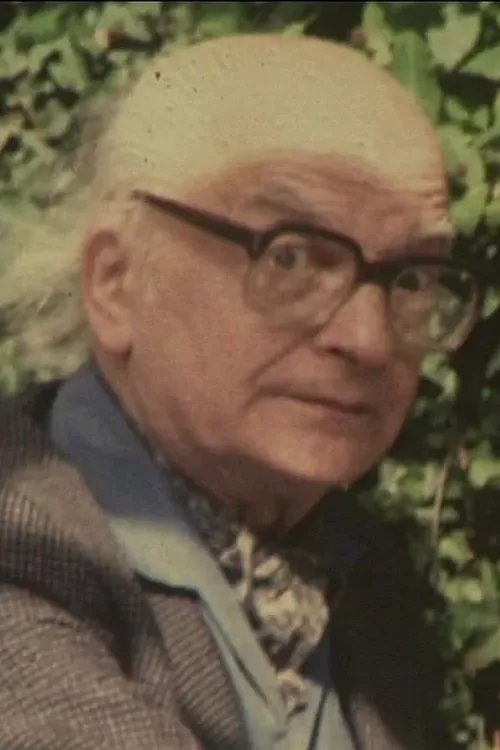
The film is retracing the love story of an unusual and unique creative union. It is a well-hidden treasure in the culture and art of the 20th century. Franciszka and Stefan Themerson lived and worked together for almost sixty years, first in Poland, then in France and eventually they settled in England. The only time when they were separated was the outbreak of WW2 but even then they remained connected.
Themerson & Themerson
The original film Europa was made by Stefan and Franciska Themerson in Poland 1931 and was a visual interpretation of Anatol Stern’s 1929 poem Europa. The film was lost during the second world war and has never been recovered. This tape-slide reconstruction of Europa was made in 1983-84 by the Distribution Staff of the London Film Maker’s Co-Operative with Stefan and Franciszka Themerson using surviving stills from the film and a voice-over by John Claus.
Europa Reconstruction
Directed by Franciszka and Stefan Themerson.