FEEL IT.STREAM
Maurice Chevalier

Maurice Chevalier

Acting

Biography

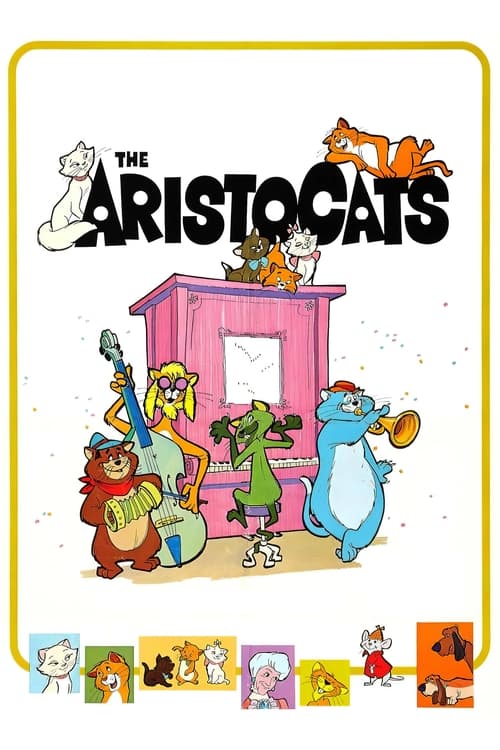
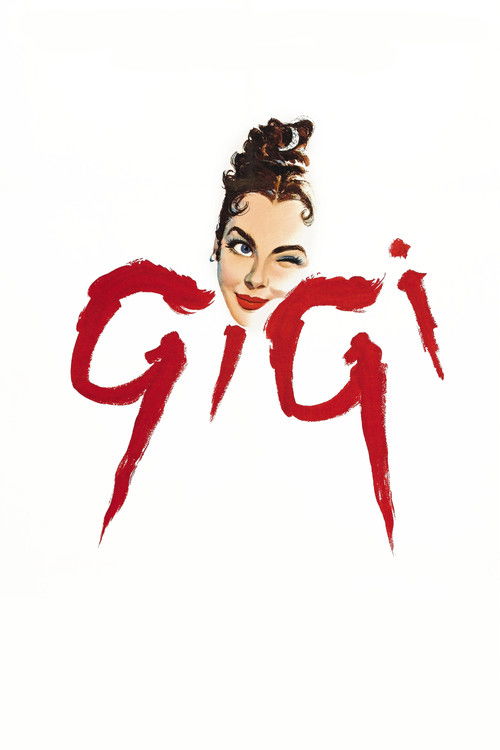
Maurice Auguste Chevalier (September 12, 1888 – January 1, 1972) was a French actor, cabaret singer and entertainer. He is perhaps best known for his signature songs, including "Livin' In The Sunlight", "Valentine", "Louise", "Mimi", and "Thank Heaven for Little Girls" and for his films, including The Love Parade, The Big Pond, The Smiling Lieutenant, One Hour with You and Love Me Tonight. His trademark attire was a boater hat and tuxedo. Chevalier was born in Paris. He made his name as a star of musical comedy, appearing in public as a singer and dancer at an early age before working in menial jobs as a teenager. In 1909, he became the partner of the biggest female star in France at the time, Fréhel. Although their relationship was brief, she secured him his first major engagement, as a mimic and a singer in l'Alcazar in Marseille, for which he received critical acclaim by French theatre critics. In 1917, he discovered jazz and ragtime and went to London, where he found new success at the Palace Theatre. After this, he toured the United States, where he met the American composers George Gershwin and Irving Berlin and brought the operetta Dédé to Broadway in 1922. He developed an interest in acting and had success in Dédé. When talkies arrived, he went to Hollywood in 1928, where he played his first American role in Innocents of Paris. In 1930, he was nominated for the Academy Award for Best Actor for his roles in The Love Parade (1929) and The Big Pond (1930), which secured his first big American hits, "You Brought a New Kind of Love to Me" and "Livin' in the Sunlight, Lovin' in the Moonlight". In 1957, he appeared in Love in the Afternoon, which was his first Hollywood film in more than 20 years. In 1958, he starred with Leslie Caron and Louis Jourdan in Gigi. In the early 1960s, he made eight films, including Can-Can in 1960 and Fanny the following year. In 1970, he made his final contribution to the film industry where he sang the title song of the Disney film The Aristocats. Description above from the Wikipedia article Maurice Chevalier, licensed under CC-BY-SA, full list of contributors on Wikipedia.
Known For

ABC Stage 67
6.8

ABC Stage 67 is the umbrella title for a series of 26 weekly shows that included dramas, variety shows, documentaries, and original musicals. It premiered on American Broadcasting Company on September 14, 1966 with Murray Schisgal's The Love Song of Barney Kempinksi, directed by Stanley Prager and starring Alan Arkin as a man enjoying the sights and sounds of New York City in his last remaining hours of bachelorhood. Arkin was nominated for an Emmy Award for Outstanding Single Performance By An Actor in a Leading Role in a Drama and the program was nominated as Outstanding Dramatic Program. Future programs included appearances by Petula Clark, Bobby Darin, Sir Laurence Olivier, Albert Finney, Peter Sellers, David Frost, and Jack Paar. ABC's effort to bring culture to the masses was a noble but unsuccessful experiment. Scheduled first against I Spy on Wednesdays and then The Dean Martin Show on Thursdays, the show consistently received low ratings. Its last production, an adaptation of Jean Cocteau's one-woman play The Human Voice starring Ingrid Bergman, aired on May 4, 1967. "Stage 67" was not actually a part of the primary ABC facilities in Los Angeles. It was produced at the old Monogram Studios backlot that was later sold to KCET.

ABC Stage 67

1966Series
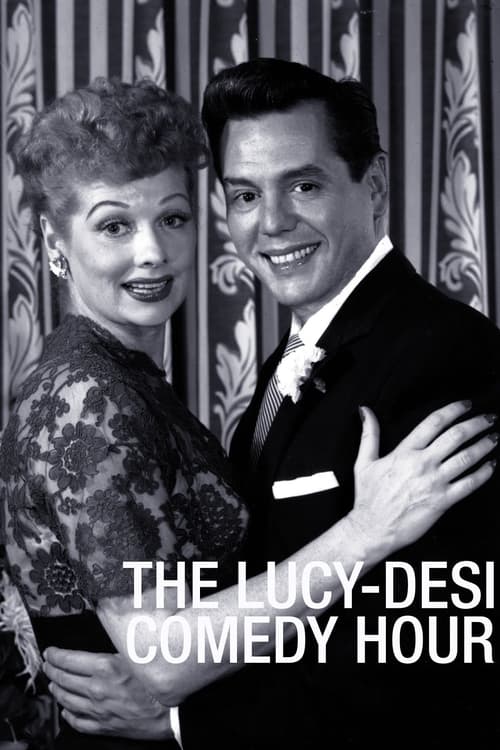
The Lucy–Desi Comedy Hour
8.7

The Lucy–Desi Comedy Hour is a collection of thirteen one-hour specials airing occasionally from 1957 to 1960, and originally served as part of Westinghouse Desilu Playhouse. Its original network title was The Ford Lucille Ball-Desi Arnaz Show for the first season, and The Westinghouse Desilu Playhouse Presents The Lucille Ball-Desi Arnaz Show for the following seasons. It was the successor to the classic comedy, I Love Lucy, and featured the same major cast members. The production schedule avoided the grind of a regular weekly series. Desilu produced the show, which was mostly filmed at their Los Angeles studios with occasional on-location shoots at Lake Arrowhead, Las Vegas and Sun Valley, Idaho. CBS reran the show under the "Lucy-Desi" title during the summers of 1962-1967, after which it went into syndication.

The Lucy–Desi Comedy Hour

1957Series