Francis Thompson
Directing
Biography
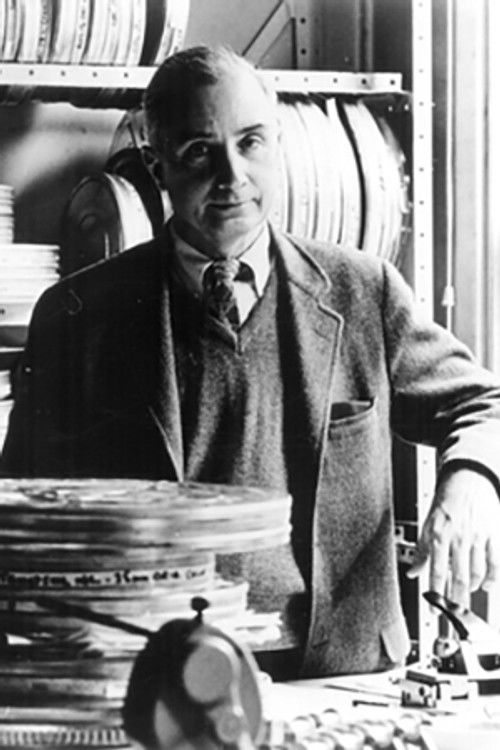
"Francis Thompson had a distinguished career in cinema that began in 1935. Throughout the 1950s, he accumulated footage for 'N.Y., N.Y.,' a success that led him to continue to experiment with World's Fair and Expo multiple screen films and later with large format films. In collaboration with Alexander Hammid, Thompson made the Academy Award winning film 'To Be Alive!' (1962-64) and the first IMAX film 'To Fly' (1976). Thompson considered 'N.Y., N.Y.' to be his most significant achievement in cinema." —Bruce Posner
Known For

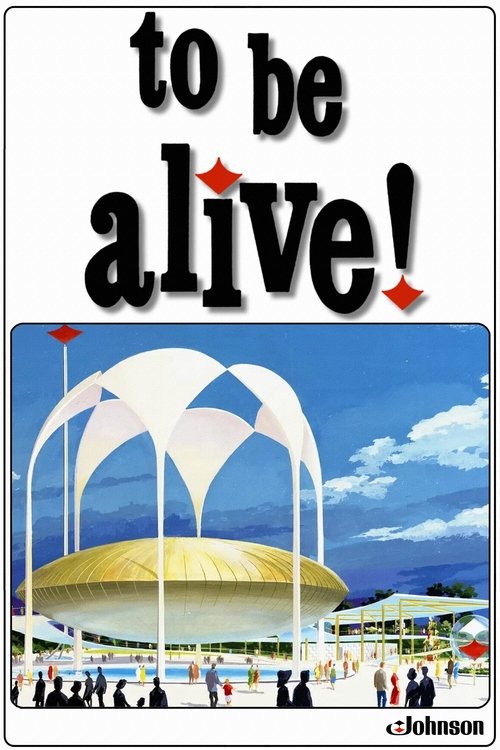
"To Be Alive!" was designed to celebrate the common ground between different cultures by tracing how children in various parts of the world mature into adulthood.
To Be Alive!

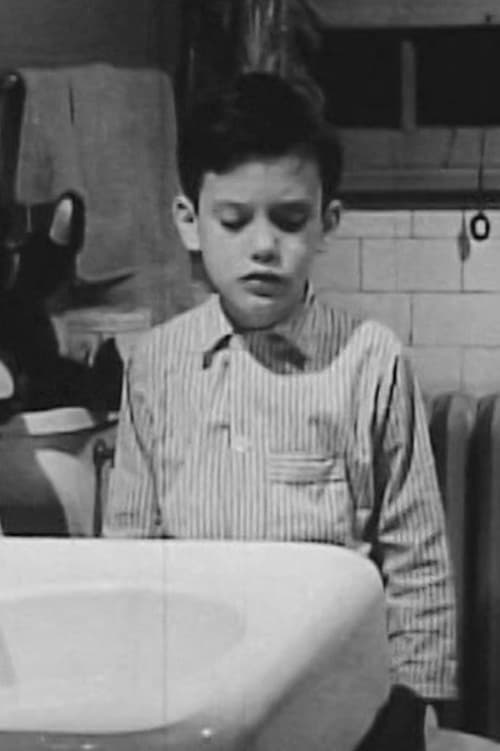
Why are children afraid? Where do their fears come from? In FEARS OF CHILDREN, a young boy is afraid. His parents have difficulties with his fear. In turn, their son unexpectedly resolves these issues in unusual way. It is the 1950s after all. Things were different then. Or were they?
Fears of Children

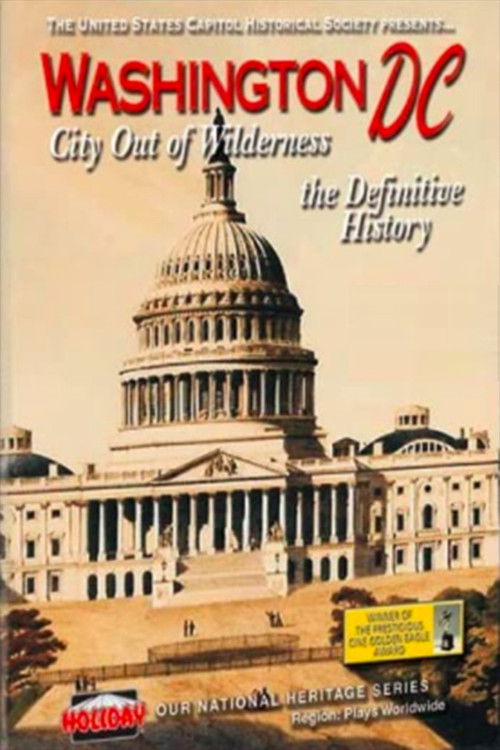
City Out of Wilderness is a 1974 American short documentary film produced by Francis Thompson. Produced by the United States Capitol Historical Society, it chronicles the history and evolution of Washington, D.C., from its very beginnings to the then-modern era of the 1970s. It was nominated for an Academy Award for Best Documentary Short Subject.
City Out of Wilderness

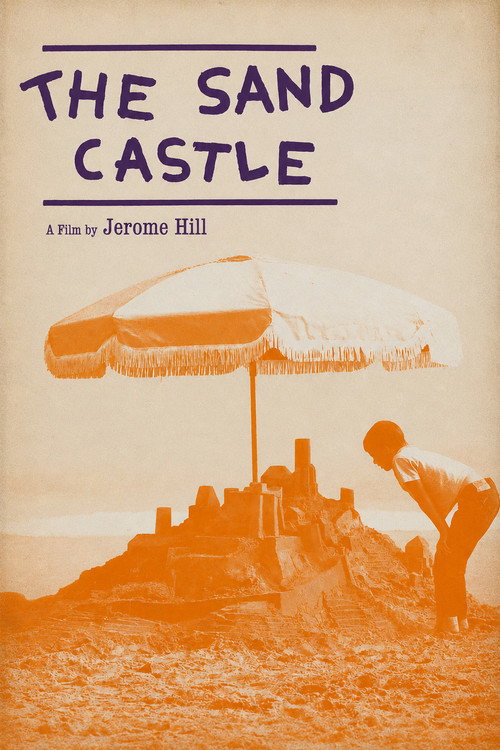
A little boy and his sister forced to spend a day at the beach build a sand castle, to the delight and interest of others. Rich black and white photography collides with a novel fantasy sequence combining color photography, stop motion and cutout animation. Equal parts Jacques Tati, A. Lamorisse and (Hill's perrenial favorite) C. G. Jung.
The Sand Castle

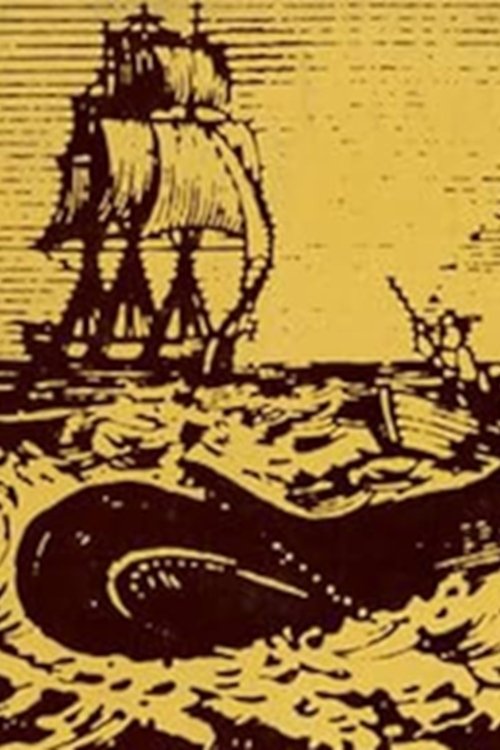
Pictures made from an 1800-foot panorama painted in 1848 and authentic songs of the period sung and played by Peggy Seeger and Ewan MacCall are used in portraying a whaling voyage around the world. Includes views of New Bedford, Mass., the Azores, Hawaii, Tahiti, the Alaskan whaling grounds, the Horn, and the harbors of Typee and Rio.
Whaler out of New Bedford

Early IMAX documentary about the development of human flight.
To Fly!

Promotional film extolling the wonders to be seen at the New York World's Fair.
To the Fair!

Youth in Canada learning to come to terms with the world in which they have to live. A picture of the journey to adulthood - a composite of many children's journeys. The production utilized 340 teenagers, 65 adults, and 50 children, none of whom had any previous acting experience.
We Are Young
Created for the 1982 World's Fair, ENERGY! ENERGY! takes us in spectacular leaps from 17th century, where muscle power was the principle energy source, through the early use of wind and water mills, and we experience the coming of the Industrial Revolution, the steam engine, and the motor car. The film portrays the vitality and the problems of our modern technological society and our dependence upon fossil fuels while it explores dramatic new possibilities for the future.
Energy! Energy!
Informational film explaining the work of the New York Stock Exchange.
Your Share in Tomorrow

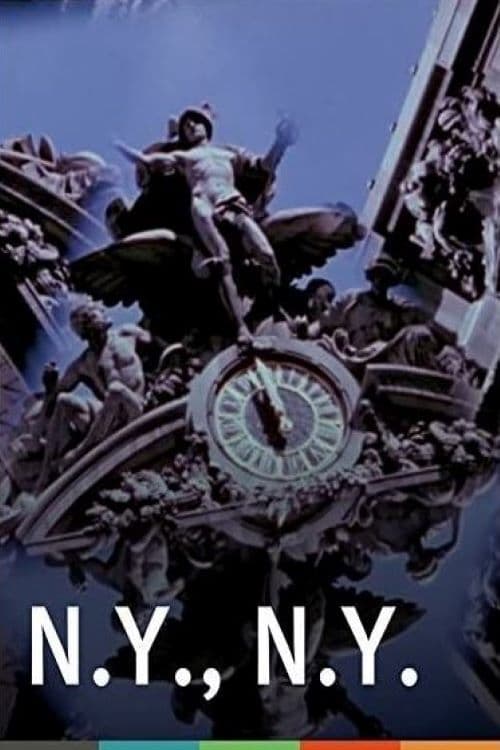
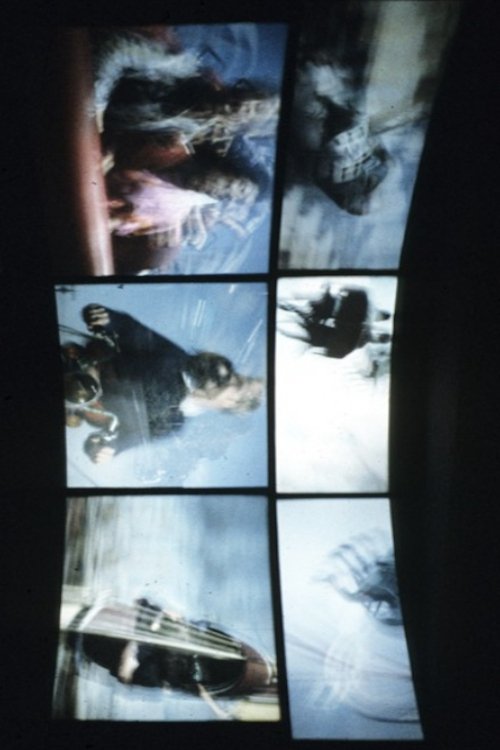
A day in the life of the city and citizens of New York as seen through the fantastic eye, and the incredibly distorted optic lenses, of filmmaker Francis Thompson.
N.Y., N.Y.

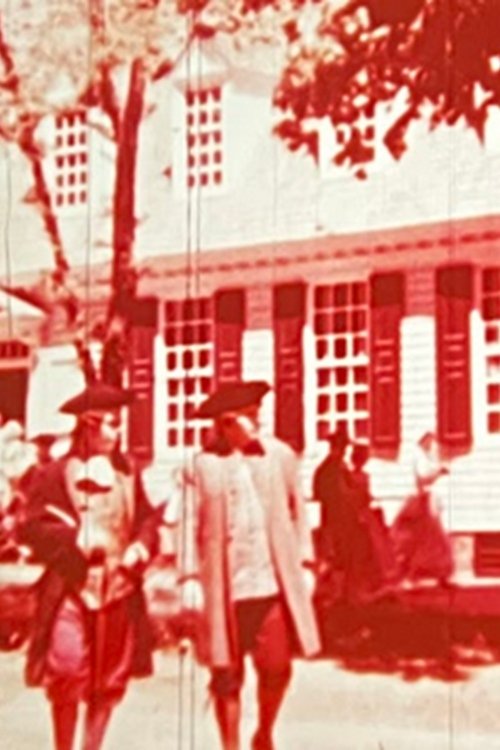
This documentary which opens with a ten-minute period drama about the importance of Williamsburg in 1774, explains the mission of John D. Rockefeller, Jr., and Dr. W.A.R. Goodwin in the 1920s to restore Williamsburg to a colonial American icon. Through the painstaking research of curator, historians, and architects, the town's restoration plan is mapped out. Construction tradesmen from the twentieth century transform rundown exteriors into period edifices. Interiors are modified and restored to livable, sometimes elegant, period condition. This vast undertaking leads to mid-century historical interpretation about the importance of the people and ideas of Williamsburg that forged a new nation.
Williamsburg Restored

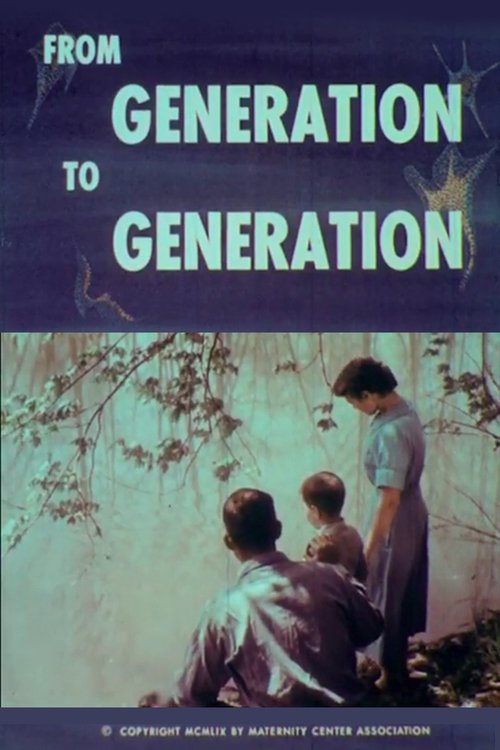
This film illustrates the basic facts of human reproduction shown through the lives of a young farm couple with one child.