
Aeschylus
Writing
Biography
Aeschylus (Ancient Greek: Αἰσχύλος c. 525/524 – c. 456/455 BC) was an ancient Greek tragedian often described as the father of tragedy. Academic knowledge of the genre begins with his work, and understanding of earlier Greek tragedy is largely based on inferences made from reading his surviving plays. According to Aristotle, he expanded the number of characters in the theatre and allowed conflict among them. Formerly, characters interacted only with the chorus. Only seven of Aeschylus's estimated 70 to 90 plays have survived in complete form. There is a long-standing debate regarding the authorship of one of them, Prometheus Bound, with some scholars arguing that it may be the work of his son Euphorion. Fragments from other plays have survived in quotations, and more continue to be discovered on Egyptian papyri. These fragments often give further insights into Aeschylus' work. He was likely the first dramatist to present plays as a trilogy. His Oresteia is the only extant ancient example. At least one of his plays was influenced by the Persians' second invasion of Greece (480–479 BC). This work, The Persians, is one of very few classical Greek tragedies concerned with contemporary events, and the only one extant. The significance of the war with Persia was so great to Aeschylus and the Greeks that his epitaph commemorates his participation in the Greek victory at Marathon while making no mention of his success as a playwright.
Known For

The story of the “Oresteia” begins with King Agamemnon's return to Argos after the fall of Troy. The chorus, composed of old Argives, recalls the sacrifice offered to the gods by Agamemnon, in Aulis, of his daughter Iphigenia to gain their favor.
Orestea
Adaptation of the Aeschylus trilogy by Frederic Raphael and Kenneth McLeish.
The Serpent Son
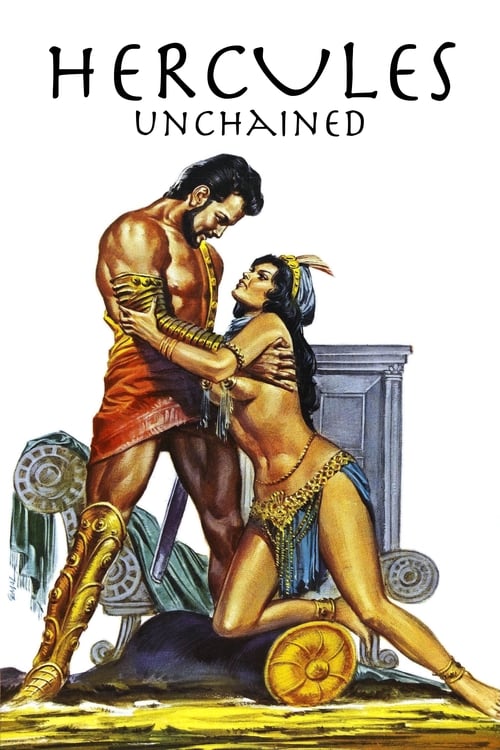
En route to Thebes for an important diplomatic mission, Hercules drinks from a magic spring and loses his memory. He spends most of the movie in the pleasure gardens of Queen Omphale of Lydia. While young Ulysses tries to help him regain his memory, political tensions escalate in Thebes, and Hercules' new wife Iole finds herself in mortal danger.
Hercules Unchained
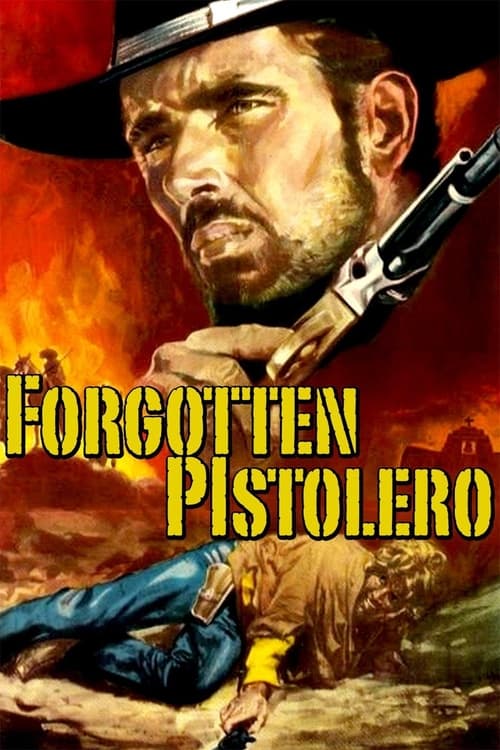
Mann is a gunman informed by a childhood friend that his father was murdered years earlier by his mother and her lover. To make matters worse, Mann's sister, who is in love with his friend, is held under the thumb of his murderous mom. The two gunmen ride off to have a reckoning with her.
Forgotten Pistolero

Parallel tales of young couples desperately escaping cruel false fathers, each couple on the run across different regions of the country and during increasingly contemporary time periods.
Paths

“The Suppliants of Aeschylus were part of a trilogy consisting of Supplicants, Sons of Egypt and Danaids, followed by a satyr drama Amirnon. It was first performed at the Theater of Dionysus in Athens, probably in 463 BC."
Le Supplici di Eschilo - Teatro greco di Siracusa 2015
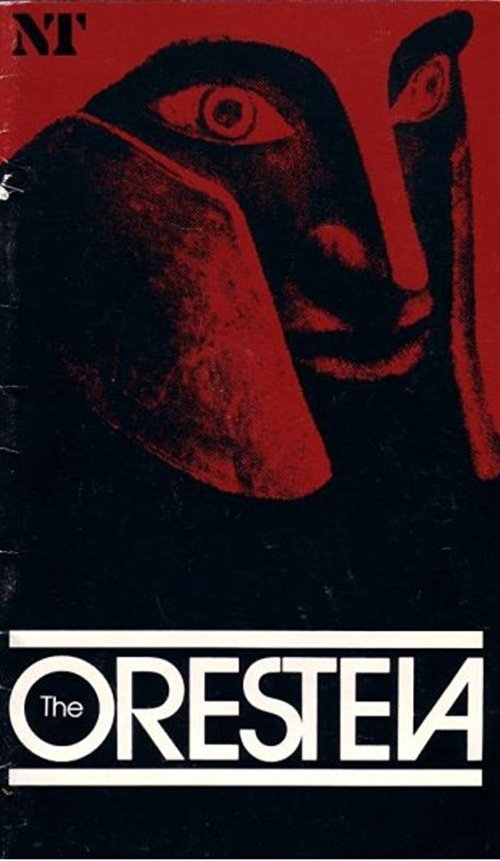
Agamemnon returns home from the Trojan war and is murdered by his wife, setting off a chain of revenge that stretches across this trilogy of play. Directed by Peter Brook for the National Theatre, this is an all-male performance with masks.
The Oresteia
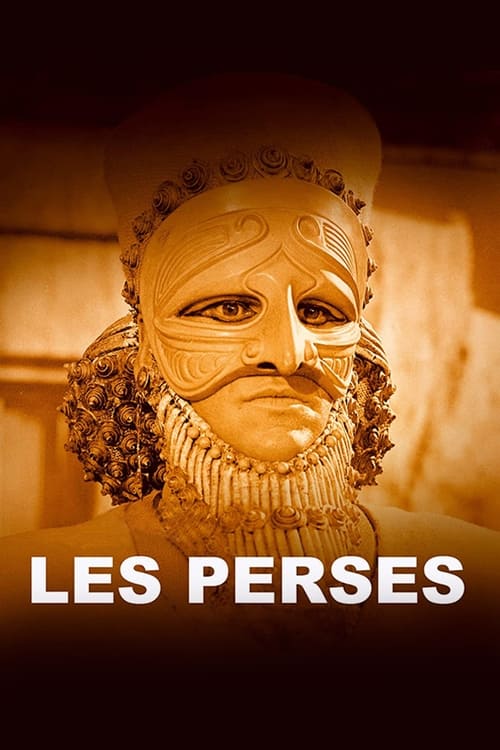
Les Perses (The Persians) is a French TV movie adaptation of Aeschylus' oldest known tragedy, Πέρσαι (Persai). It was originally broadcasted in October 31, 1961. The play deals with the aftermath of the Persian defeat in the battle of Salamis (480 BC), which makes it the only Greek tragedy that deals with a real historical event.
The Persians
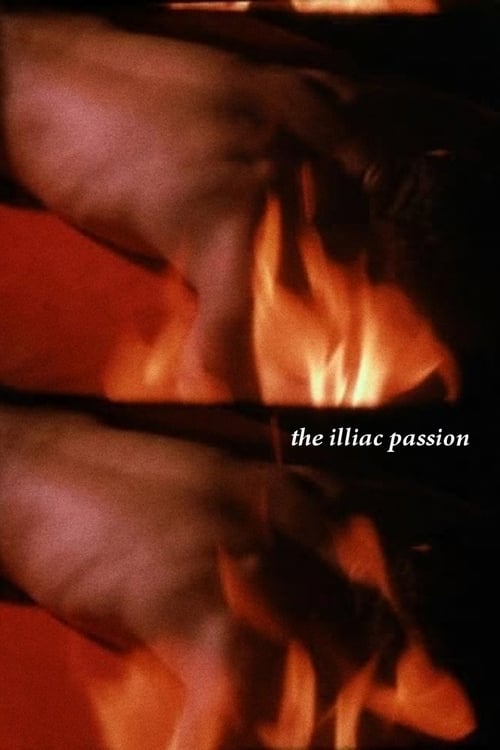
Prometheus, on an Odyssean journey, crosses the Brooklyn Bridge in search of the characters of his imagination. After meeting the Muse, he proceeds to the "forest." There, under an apple tree, he communes with his selves, represented by celebrated personages from the New York "underground scene" who appear as modern correlatives to the figures of Greek mythology. The filmmaker, who narrates the situations with a translation of Aeschylus' Prometheus Bound, finds the personalities of his characters to have a timeless universality.
The Illiac Passion
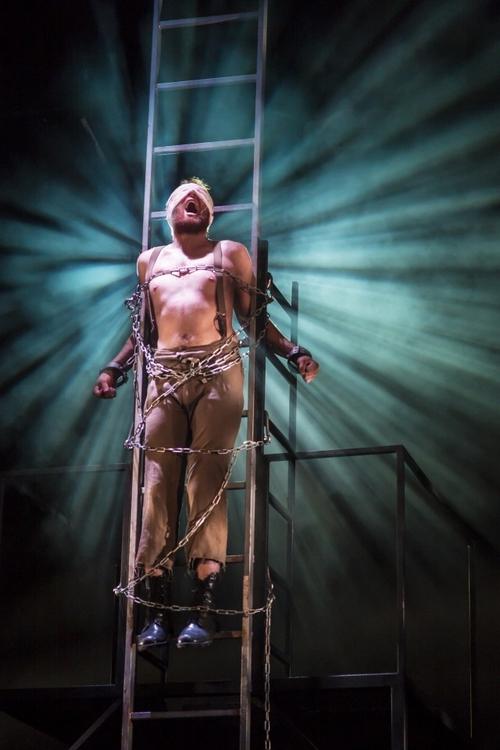
This is a film of the 2013 Cambridge Greek Play production of Prometheus, presented at the Cambridge Arts Theatre.
Prometheus
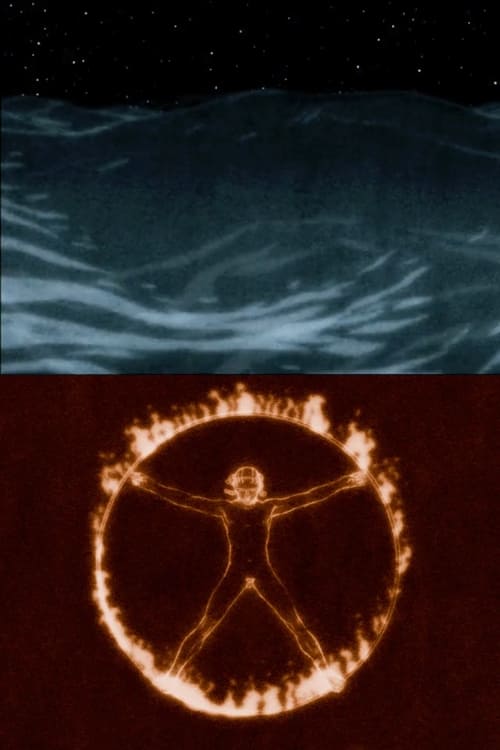
Based on the play of the same name by Aeschylus , it retells the myth of Prometheus, who stole fire from the gods to benefit mankind, and as a result was crucified atop a mountain.
Prometheus Bound
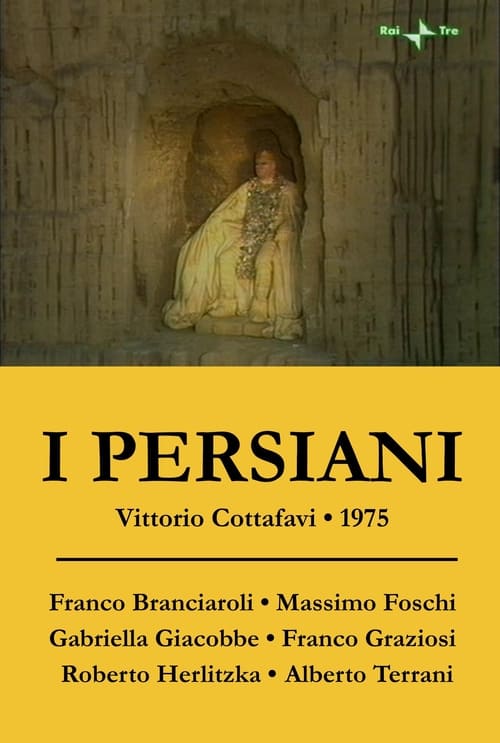
An adaptation of the Aeschylus play.
The Persians
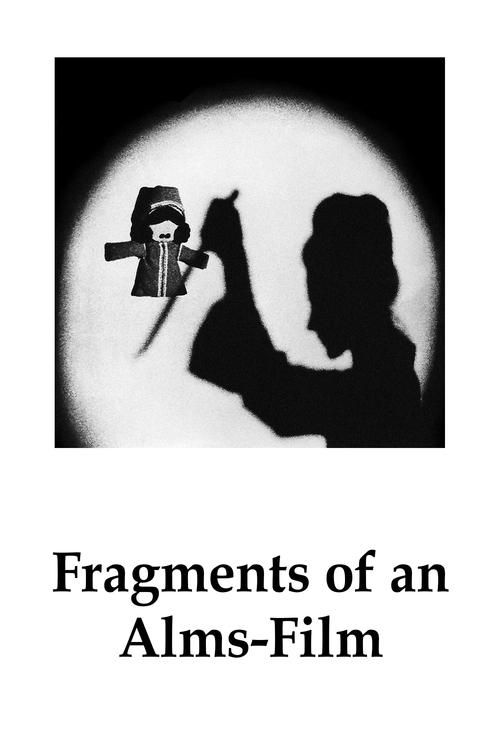
Maria works in a German umbrella factory as the foreman of the production sector. João Lucas has given up on living a normal life and practically lives in bed, in the midst of green plants. His father expressly desired that his son film this eccentric daily life in 8 mm format. Maria’s wages are dilapidated to the last penny by this amateur, monstrous, family movie production.
Fragments of an Alms-Film
Il sangue e la parola (Blood and Words) “Not the sword but words illuminate the way” is a cantata by maestro Nicola Piovani with lyrics freely adapted from Aeschylus' The Eumenides. Performed by the orchestra and choir of the Teatro dell'Opera di Roma with Andrea Pennacchi as narrator. The concert also includes performances of symphonic suites from La notte di San Lorenzo (The Night of San Lorenzo) and La vita è bella (Life is Beautiful).
Il sangue e la parola - Non la spada ma la parola illumini la via
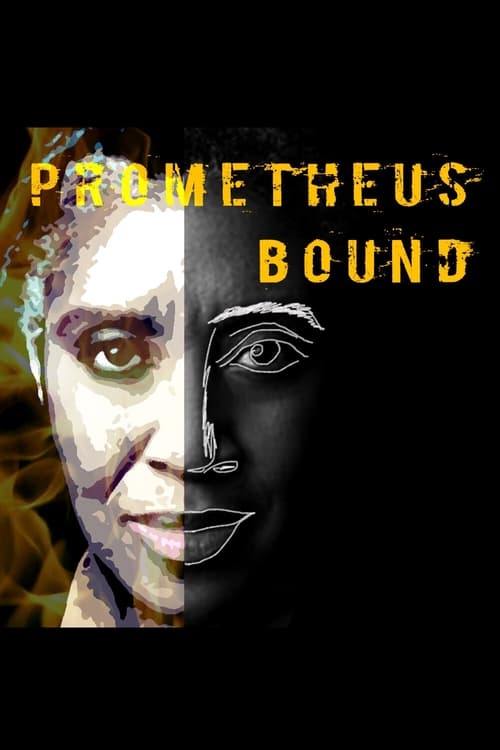
The Titan Prometheus is punished by Zeus for attempting to steal fire for humankind.
Prometheus Bound
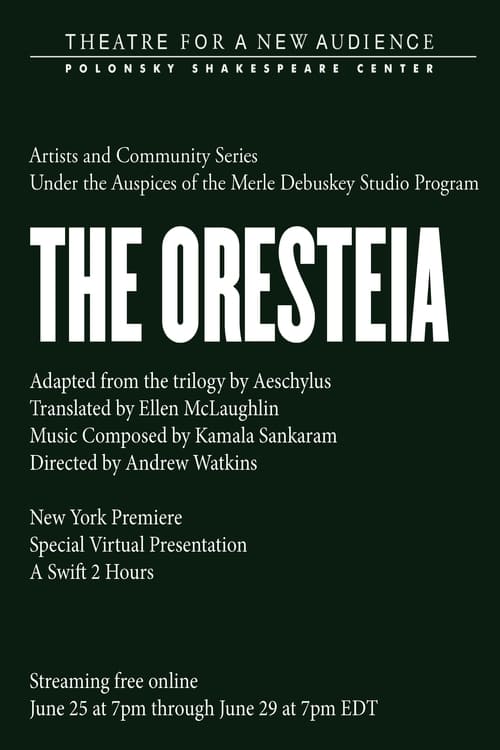
The Oresteia is a trilogy of Greek tragedies written by Aeschylus in the 5th century BC, concerning the murder of Agamemnon by Clytemnestra, the murder of Clytemnestra by Orestes, the trial of Orestes, the end of the curse on the House of Atreus and the pacification of the Erinyes. The trilogy—consisting of Agamemnon, The Libation Bearers, and The Eumenides—also shows how the Greek gods interacted with the characters and influenced their decisions pertaining to events and disputes. The only extant example of an ancient Greek theatre trilogy, the Oresteia won first prize at the Dionysia festival in 458 BC. The principal themes of the trilogy include the contrast between revenge and justice, as well as the transition from personal vendetta to organized litigation. Oresteia originally included a satyr play, Proteus, following the tragic trilogy, but all except a single line of Proteus has been lost.
The Oresteia
A speculation on power, using the film image to experiment with and explore a combination of elements, such as eastern philosophy, pop culture and music. Based on Aeschylus "Prometheus Bound"
Prometheus Second Person, Singular
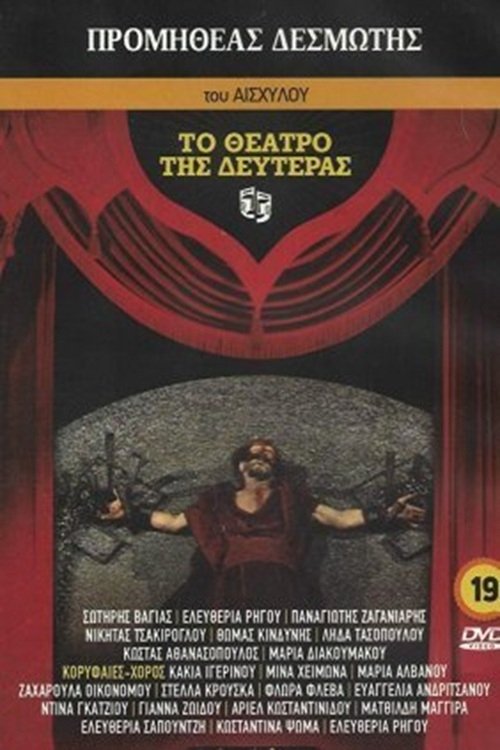
Prometheus Bound (Ancient Greek: Προμηθεὺς Δεσμώτης, romanized: Promētheús Desmṓtēs) is an ancient Greek tragedy traditionally attributed to Aeschylus and thought to have been composed sometime between 479 BC and the terminus ante quem of 424 BC. The tragedy is based on the myth of Prometheus, a Titan who defies Zeus, and protects and gives fire to mankind, for which he is subjected to the wrath of Zeus and punished.
Prometheus Bound
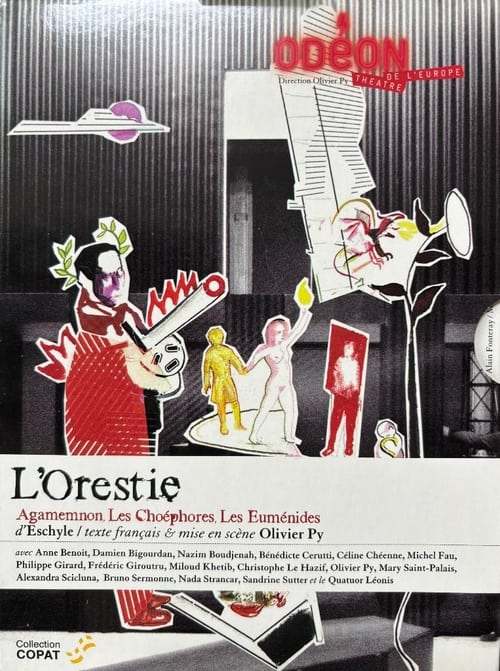
A French adaptation of Aeschylus' three-part play "Oresteia", staged by Olivier Py.
L'Orestie
An experimental film that ventures a post-modern take on the tragedy of Aeschylus’ Prometheus Bound.