Production
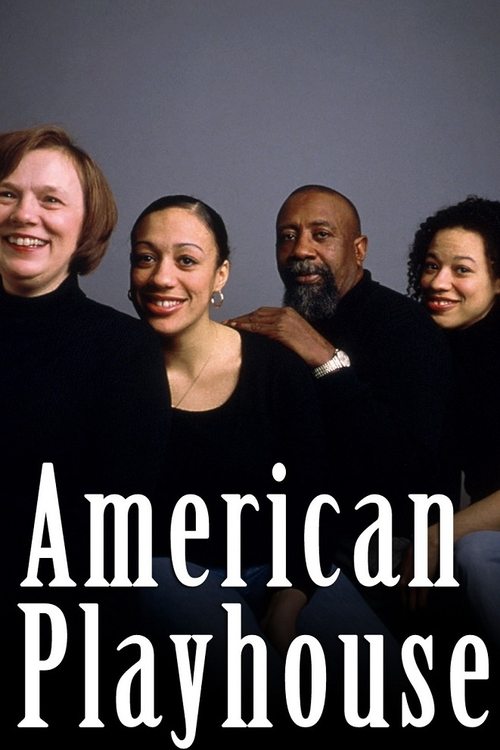
American Playhouse is an anthology television series periodically broadcast by Public Broadcasting Service in the United States.
Based on a local legend and set in an unknown era, it deals with universal themes of love, possessiveness, family, jealousy and power. Beautifully shot, and acted by Inuit people, it portrays a time when people fought duels by taking turns to punch each other until one was unconscious, made love on the way to the caribou hunt, ate walrus meat and lit their igloos with seal-oil lamps.
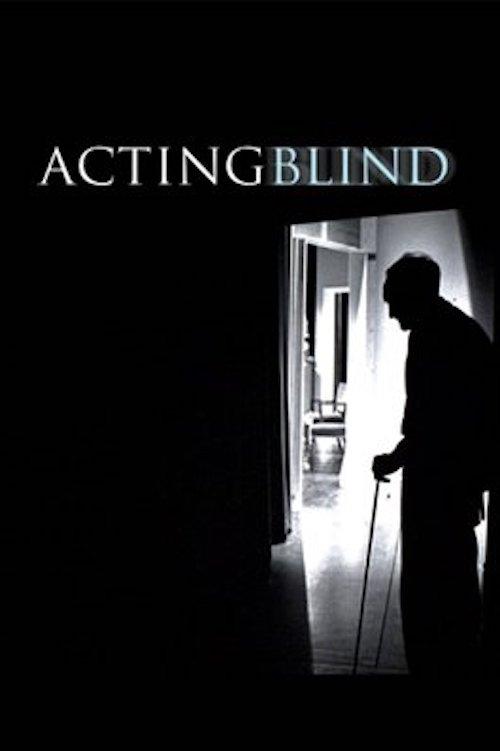
This touching documentary follows a cast of blind and visually impaired actors as they prepare Dancing to Beethoven, a play about blindness. The film takes us deep into the lives of the actors. We hear stories of their shock and disbelief at first losing sight and of their struggles coping with a life without it. We hear them talk about grieving and pining for the visual world. They tell the moving story of how this play is itself a victory, a type of salvation, for each of them. By opening night, at the renowned Place des Arts in Montreal, they are a close-knit cast, well-honed and ready to step out of the wings and into the light.
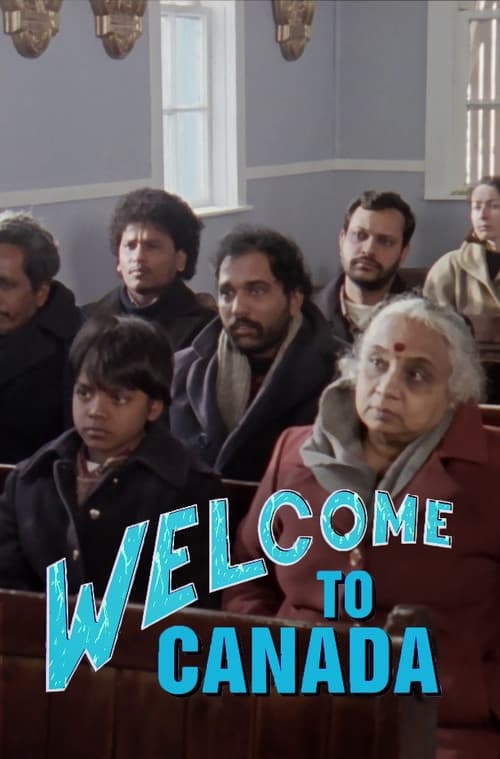
This feature documentary follows three newly arrived people in Canada and their experiences with the Canadian Refugee process. As claims are assessed and paperwork is double checked, we begin to examine exactly who can be considered a refugee.
In the fall of 2002, it was announced that Benjamin Netanyahu would deliver a speech at Concordia University in Montreal, and reaction from the student body was swift and sudden.
This feature documentary takes us back to April 20, 2001, as Quebec City prepares to host the 3-day Summit of the Americas. A 4-kilometre fence has been erected, cutting off the Upper Town from the rest of the city. Thirty-four heads of state from the Americas will meet behind closed doors to discuss agreements for a Free Trade Area of the Americas (FTAA). Those opposed to the FTAA are mobilizing and gathering in Quebec City, too. Several thousand delegates have come to participate in the People's Summit, and tens of thousands will march in protest. Six thousand police officers fill the streets and it looks as if the historic Quebec capital is under siege. The local population fears the worst. Will the Quebec capital become a battleground? Shot in cinéma vérité style by 7 of Quebec's best documentary filmmakers, View from the Summit vividly portrays what happens when passionate and creative protesters clash with the ideologies of those in power.
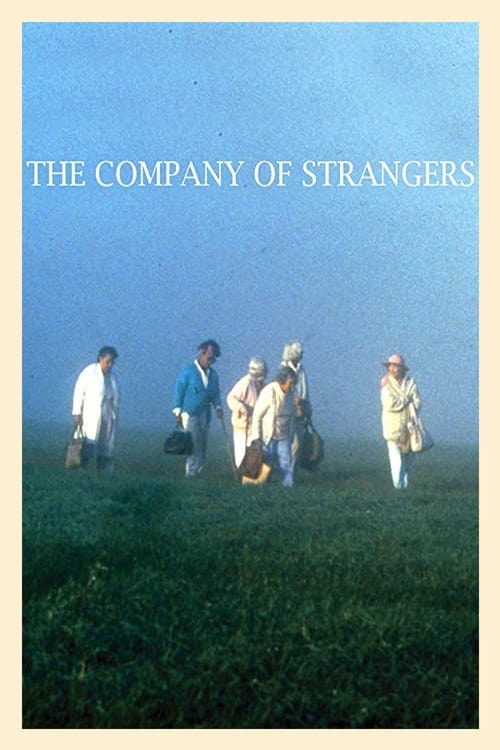
A busload of women become stranded in an isolated part of the Canadian countryside. As they await rescue, they reflect on their lives through a mostly ad-libbed script.
Everyone is familiar with certain types of Aboriginal architecture. Traditional igloos and tepees are two of the most enduring symbols of North America itself. But how much do we really know about the types of structures Native Peoples designed, engineered and built? For more than three hundred years, Native communities in North America have had virtually no indigenous architecture. Communities have made do with low-cost government housing and community projects designed by strangers in far away places.
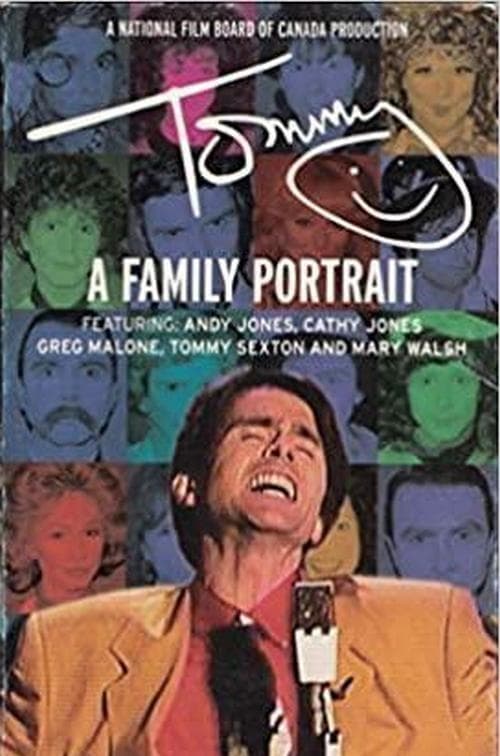
A tribute to Canadian comedy icon Tommy Sexton (1957-1993). A founding member of the Newfoundland comedy troupe CODCO Tommy died of complications from AIDS on December 13, 1993.
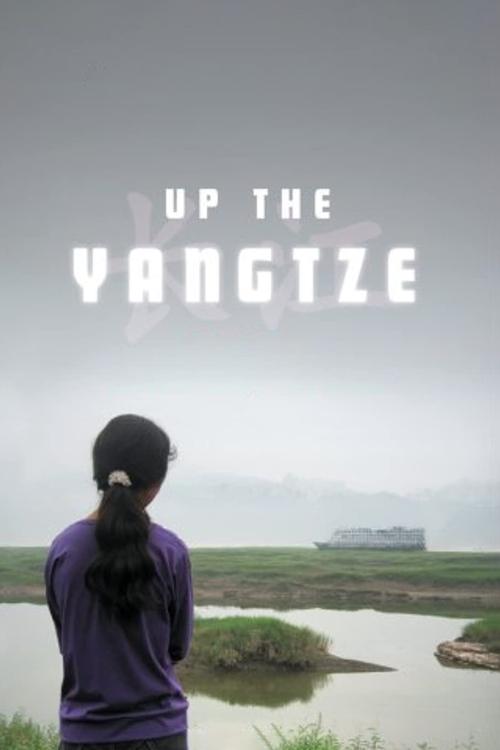
At the edge of the Yangtze River, not far from the Three Gorges Dam, young men and women take up employment on a cruise ship, where they confront rising waters and a radically changing China.
The search for paradise is one way we express the human journey, a journey marked by turning points, watersheds. At these moments, consciousness dawns: our lives seem to begin for the first time. A curtain is drawn between the future and the past.
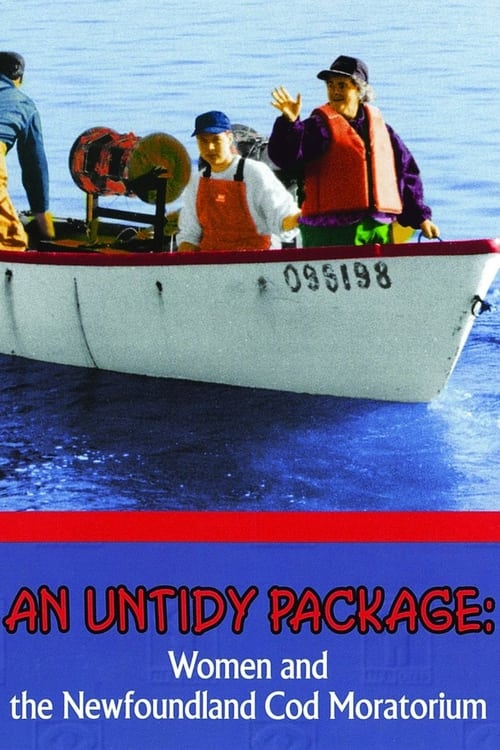
An Untidy Package sets out to dispel the popular misconception that Newfoundland women weren’t major players in the cod fishery before the moratorium, and that the federal compensation they received was only added to their husband’s claims to increase their family’s allowance. We learn at the outset that one third of the 35,000 workers displaced were women. Using the viewpoint of some of these women, this video examines the cod crisis and its social implications for families.
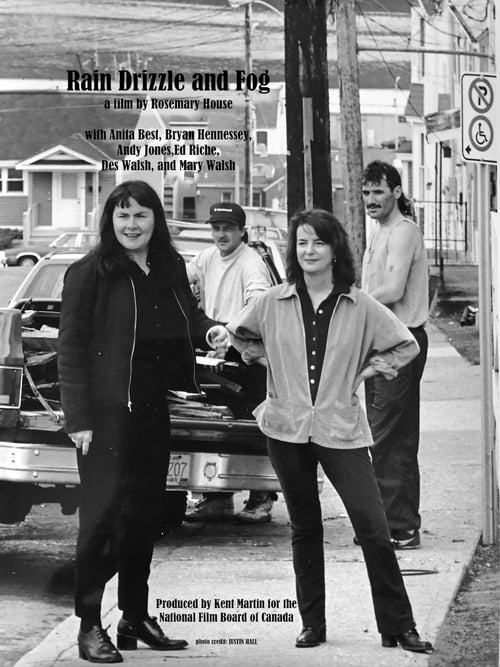
St. John's, Newfoundland and Labrador, is North America's most easterly landfall. For half a millennium, its perfect harbour has provided a safe refuge in the middle of the treacherous North Atlantic. For 300 years of its history it was an actual crime to try and settle--Newfoundland was the private preserve of British fishing merchants. But people stayed, despite the colonial masters, despite the lack of law and order, despite hellish weather and raging seas. And the city grew--lurching through centuries of crisis, disaster, privation. For filmmaker Rosemary House, "This is still a hard rock land, a dirty old town at the back of beyond. And yet the St. John's townie is so proud, you'd swear we lived in Paris." In this documentary, she explores her city with the help of six locals, Mary Walsh, Andy Jones, Anita Best, Brian Hennessey, Ed Riche, Des Walsh, writers and performers all. (Source: National Film Board)
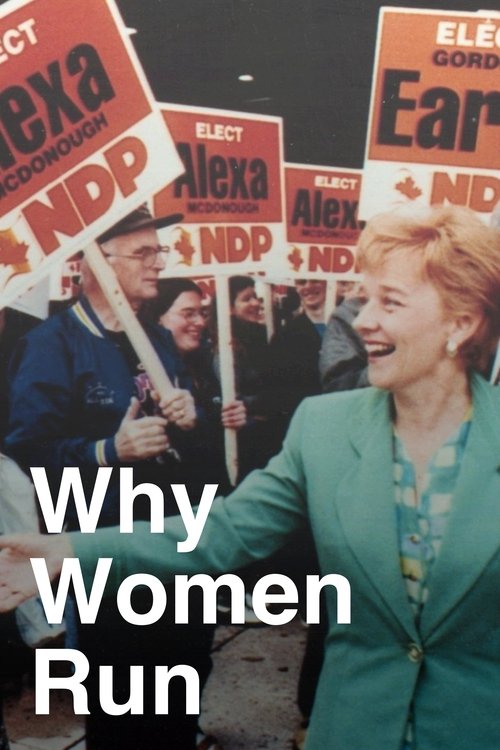
This documentary offers a glimpse into the 1997 federal election in the Halifax electoral district. Two strong female politicians, Liberal candidate Mary Clancy and NDP party leader Alexa McDonough, are caught in a tight competition in one of the most contested races in the country. Director Meredith Ralston follows the two women around the campaign trail for weeks, getting inside an election that was often described as “nasty.” Both larger than life and hungry to win, in quieter moments Clancy and McDonough reveal the strains and contradictions of their chosen careers. Why Women Run highlights the accomplishments of women in politics and the problems many women face participating in the political process.
Newfoundlanders share their food, culture, and homes with a group of Tamil refugees found off the coast.
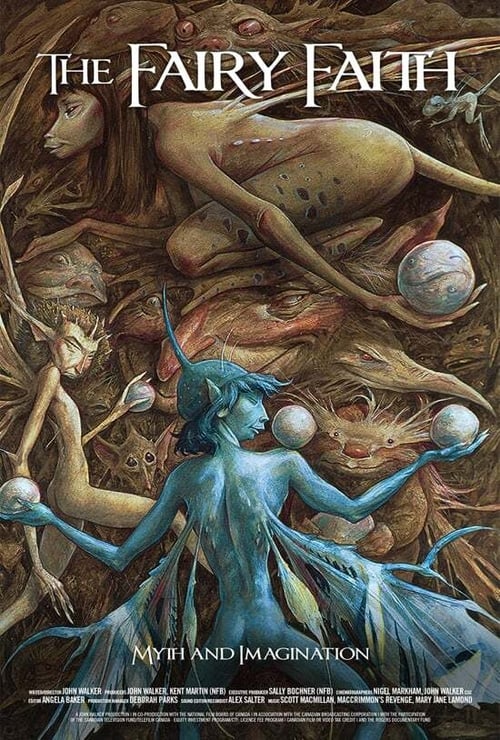
Walker takes us on a personal journey into a world of myth and imagination that he learned from his grandmother. He travels from the Moors of Devon and the Highlands of Scotland to the brooding Celtic landscapes of Ireland and the intimate hills of Cape Breton, in his search of this potent “otherworld” of the imagination.
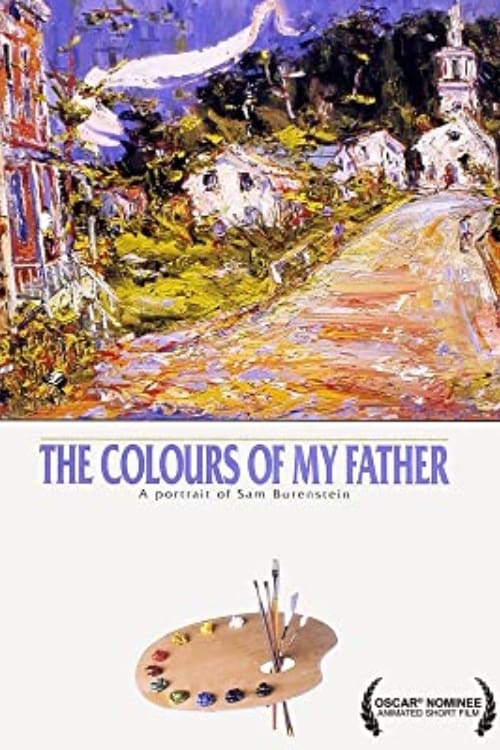
The Colours of My Father: A Portrait of Sam Borenstein is a 1992 short animated documentary directed by Joyce Borenstein about her father, the Canadian painter Sam Borenstein. It was nominated for an Academy Award for Best Documentary Short. In Canada, it was named best short documentary at the 12th Genie Awards.
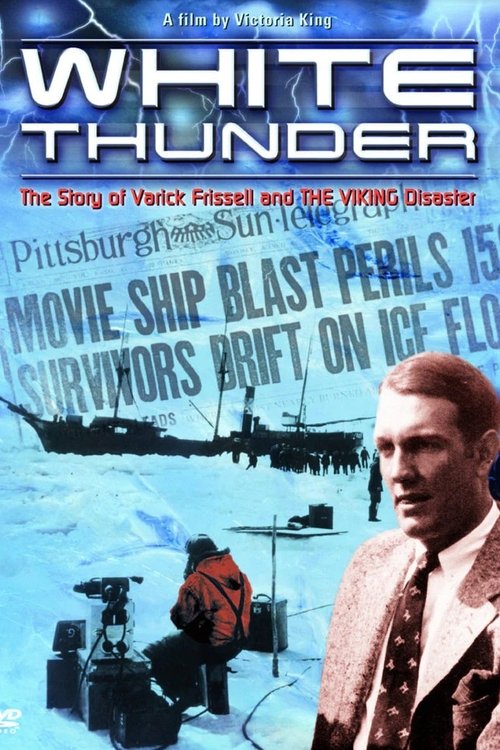
A riveting account of the tragic adventure of filmmaker Varick Frissell and his filming of "The Viking" (1931) and the tragic events that befell that adventure into early film-making.
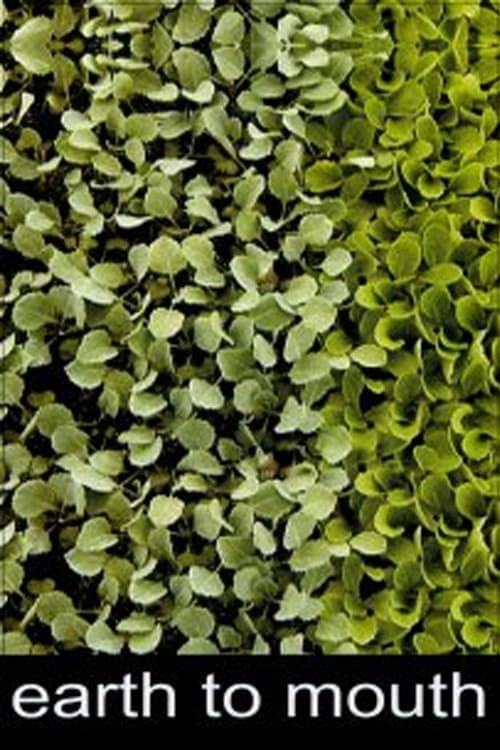
Filmed at the Wing Fong Farm in Ontario, this documentary follows the tilling, planting and harvesting of Asian vegetables destined for Chinese markets and restaurants. On 80 acres of land, Lau King-Fai, her son and a half-dozen migrant Mexican workers care for the plants. For Yeung Kwan, her son, the farm represents personal and financial independence. For his mother, it is an oasis of peace. For the Mexican workers, it provides jobs that help support their children back home.
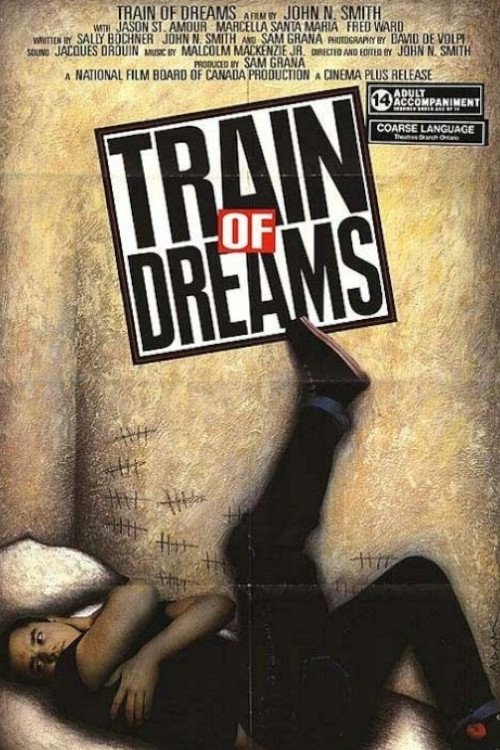
At 16, Tony is an English-speaking high-school drop-out in Montreal. In trouble with the law and at odds with his struggling single parent mother, Tony is sent to Juvie where he realizes that he's neither as tough or as disadvantaged as he thought. Then he comes home on a weekend pass only to find his younger brother following in his footsteps.