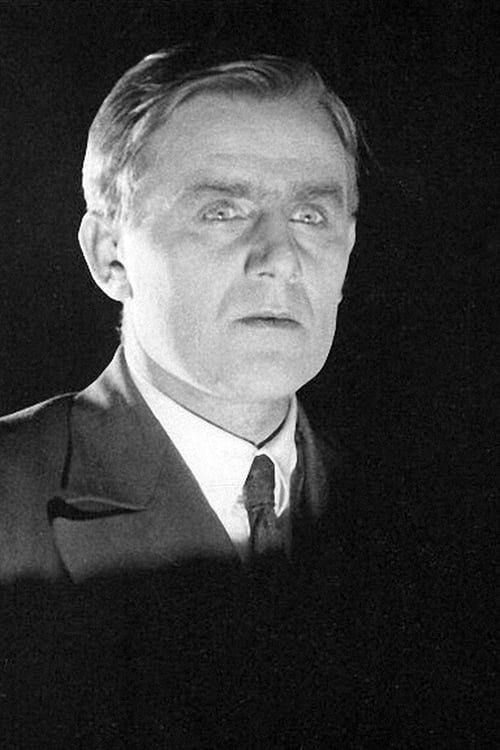
Mikhail Doller
Directing
Known For

Shortly before the outbreak of WWI, a peasant from rural Russia arrives in St. Petersburg to find work.
The End of St. Petersburg
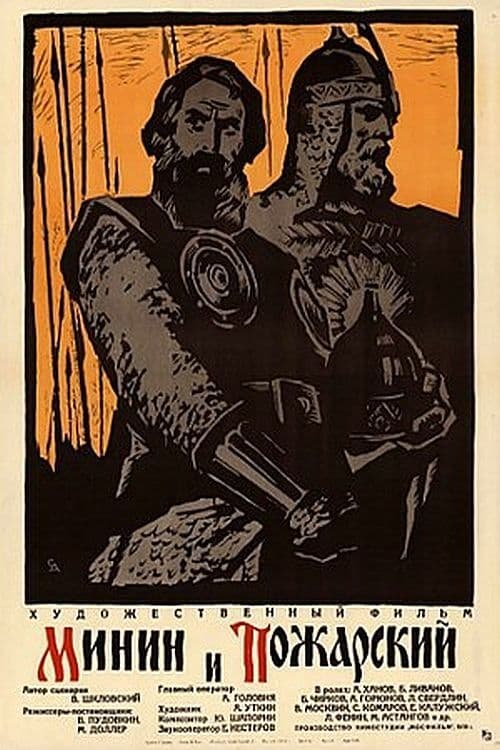
Historical film about the invasion of the Poles in the Moscow Empire (1611), the creation of Minin and Pozharsky people's militia. The beginning of the XVII century. Already the sixth year the Muscovite land under the yoke of intervention. In the fall of 1610 Polish pans in deceitfully seized the Kremlin and tried to break through to the north. Everywhere rebellions broke out, but well-armed interventionists smashed the scattered peasant detachments. The liberation movement was led by Nizhny Novgorod merchant Kuzma and Prince Dmitry Pozharsky.
Minin and Pozharsky
The film collection consists of three novellas: "Women of the Air Fleet", "Hate", "Feast in Zhirmunka".
Collection of Films for the Armed Forces #6
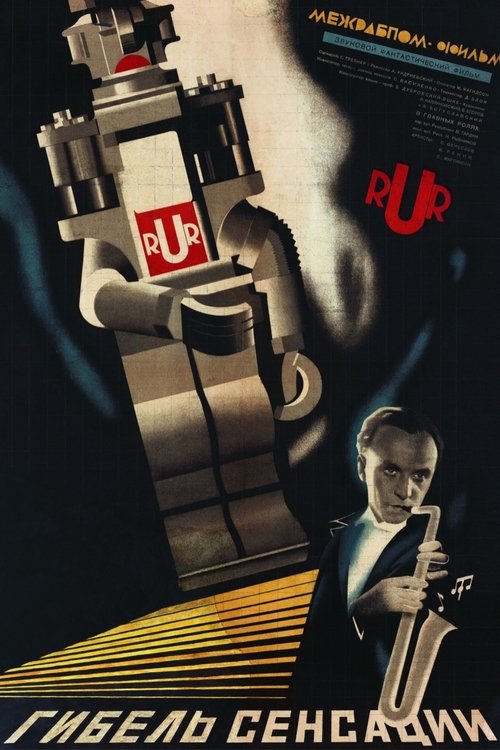
In an unnamed English-speaking capitalist land, a young engineer invents inexhaustible giant robots to replace the fragile human workers on high-volume assembly-lines, and soon finds his invention co-opted by the military-industrial complex.
Loss of Feeling
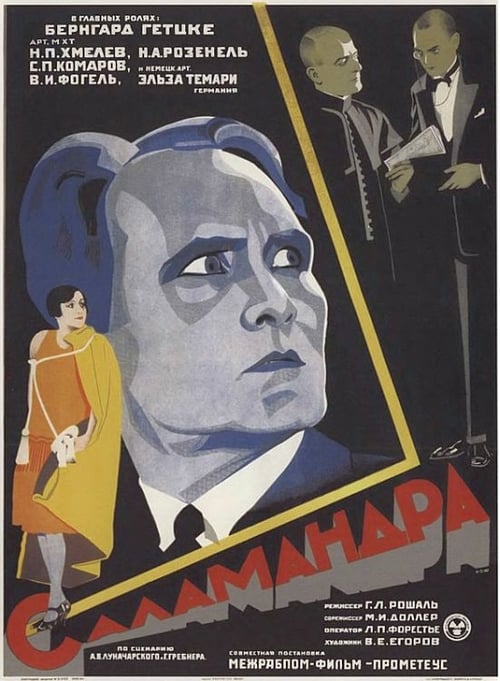
The film is based on real events and reveals the tragic episodes from the life of the Austrian biologist scientist-materialist Paul Kammerer (1880-1926), hunted by regressive scientists and Catholic reactionaries who committed suicide.
Salamander
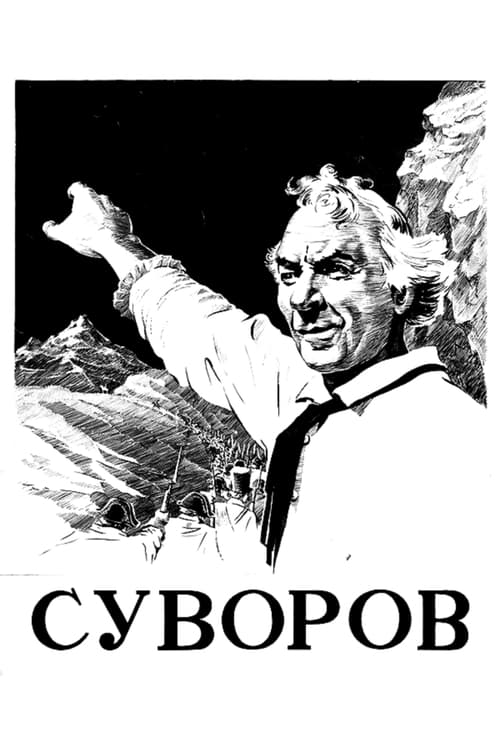
Primarily a biographical documentary about the military career of Alexander Vasilvich Suvorov, who was Field Marshal of the armies of Catherine the Great and Czar Paul I. After many military successes during the reign of Catherine, General Suvorov broke with her successor, Paul I, the Mad Emperor, over questions regarding army policy. He went into retirement and wrote "The Science of Victory," containing maxims such as "Swiftness of movement accompanies victory," and "the real general is he who defeats the enemy before reaching him." The czar recalled Suvorov to become the leader of the joint armies of Russia and Austria against Napoleon.
General Suvorov
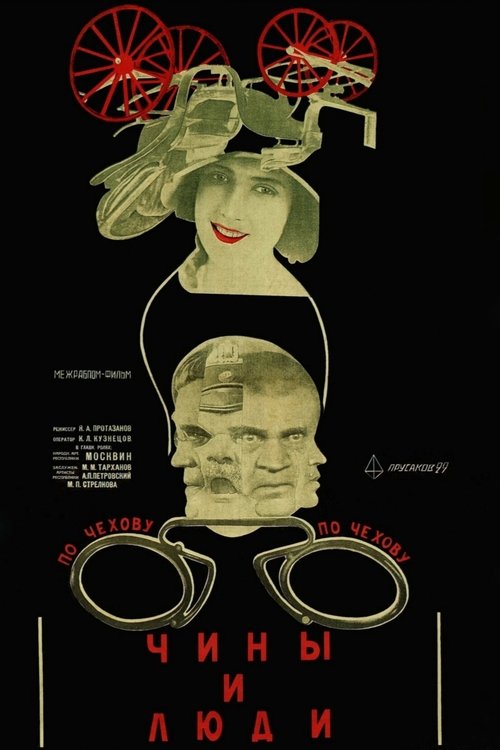
From his early silent works, the great Russian film director, Herr Yakov Protazanov, made literary adaptations from equally great Russian writers, as is the case with "Chiny I Lyudi" ( Ranks And People ) (1929) in which three short stories by Chekhov, "Anna On The Neck", "Death Of A Petty Official" and "Chameleon" were assembled for the silent screen.
Ranks and People
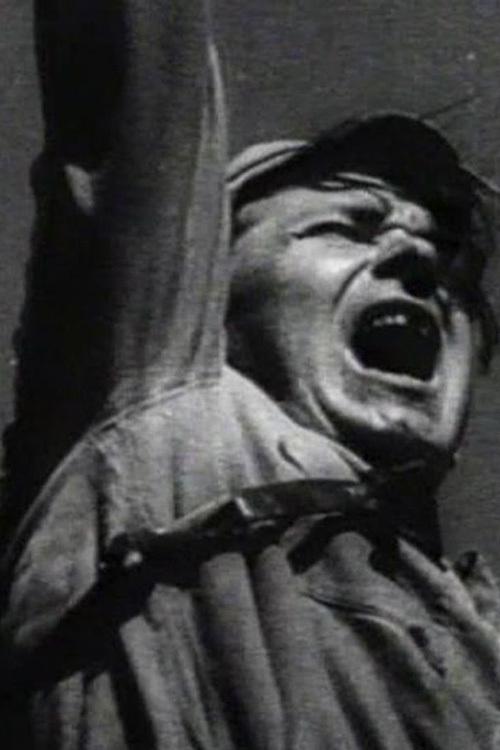
As a response to criticism for the allegedly excessive “mass appeal” of his earlier epic STORM OVER ASIA (1928), Vsevolod Pudovkin unleashed his flair for experimentation in what was supposed to be the director’s first sound feature. Everything went wrong: technical problems forced him to complete the film as a silent; viewers were baffled by the lack of a recognizable plot; then, the ideological climate of the Soviet Union changed. He was now being blamed for catering to bourgeois taste! Time has come to set the record straight. Here’s lyrical cinema at its best, deliberately operatic and yet intimate as it matches the characters’ inner life with the solemn rhythms of nature, and depicted through breathtaking black-and-white photography. A sensation at last year’s Pordenone fest, Pudovkin’s long-forgotten swan song to the art of montage is resurrected by Gabriel Thibaudeau’s emotionally charged live music performance. –PCU (USSR, 1930, 75m)
A Simple Case
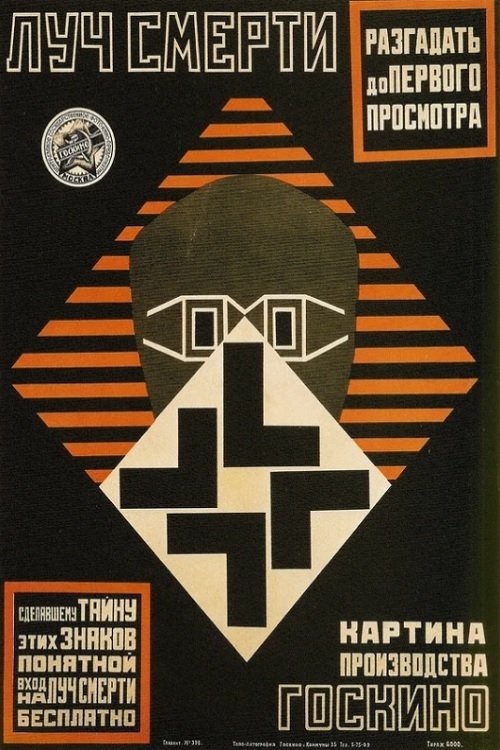
In a capitalist country, workers are heavily repressed but manage to get a "death ray" to fight back. (A part of the movie is lost.)
The Death Ray
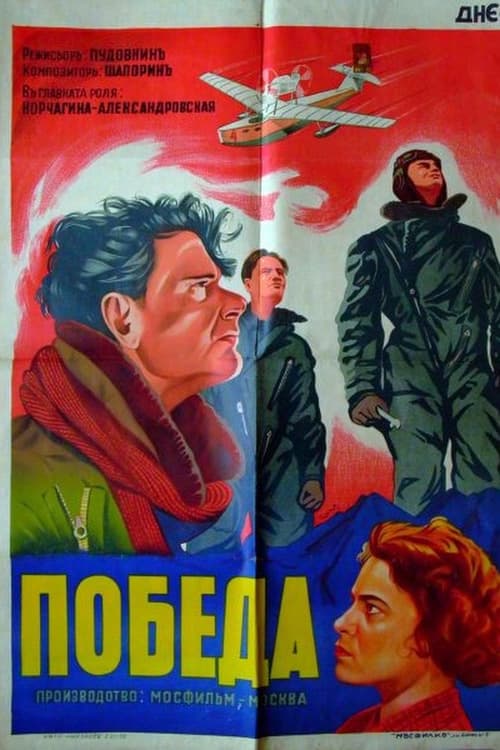
About the non-stop flight of three Soviet pilots around the globe on the stratoplane "Pobeda-1".
Pobeda

1918 Odessa. German occupiers plunder the city. Sailor Petrus, who has lagged behind the Red Army detachment, saves one of the victims of bandit terror - the girl Marusya... Years have passed. The time has come for peaceful construction in the country. Red commander Petrus and Marusya, who has become a teacher, meet in Moscow in one of the cafes, where both were attracted by the sounds of the popular song “Eh, apple...”, accompanying the adventure of the heroes.
Эх, яблочко, куды котишься
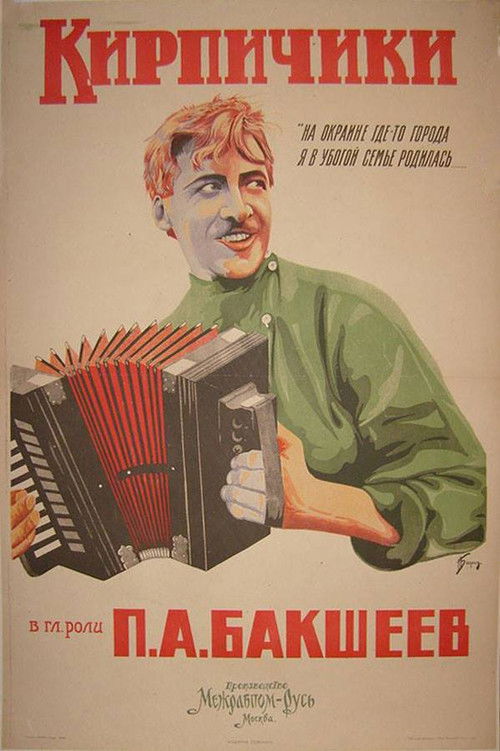
Partially lost.