Editing
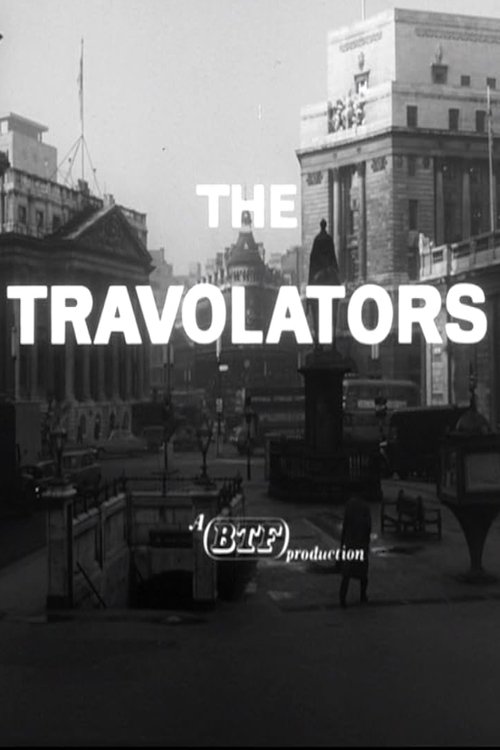
Approximately 40,000 people use the Waterloo & City Underground line every day. For years they had walked to and from the platforms at the Bank by a steep passage known as the 'Drain'. But know, they can ride up and down on the first moving pavements in Europe - the Travolators. This film shows the construction of the Travolators which was achieved without disrupting normal traffic.
Light verse and gay music make their own comment on the holidaymakers of the Yorkshire coastline. Between Tees and Humber thousands each year enjoy the sea and the sands, the funfair and the ballroom: for a row or romance, there's something for each!
A review of innovation and development within BR and its businesses, including: modernisation of freight facilities and service to new companies; progress of the Bedford/St. Pancras electrification project; paved track and permanent way maintenance; Sealink's "Galloway Princess"; Seaspeed's SRN4; and the Research department's magnetically levitated vehicle. For general showing.
A documentary showing aspects of long-disappeared rural life in Northumberland in 1953.
Report No. 11 in a series of 13 topical films. Because 1970 was European Conservation Year, this issue of the Rail Report Series was devoted to examples of what railways in Britain are doing to help conserve and improve the national environment.
Report No. 10 in a series of 13 topical films, covering: Hovercraft, Princess Ann; the Advanced Passenger Train; Design Centre exhibition, The next train; plasma torch, Derby Technical Centre; analysis of diesel oils, Glasgow science laboratory; bleep radio communications, Paddington; resignalling, Derby area; intercity coaches; evolved suspension, the Brighton Belle; Southern Region grouptravel; computer, Eastern Region; shipment of molten iron.
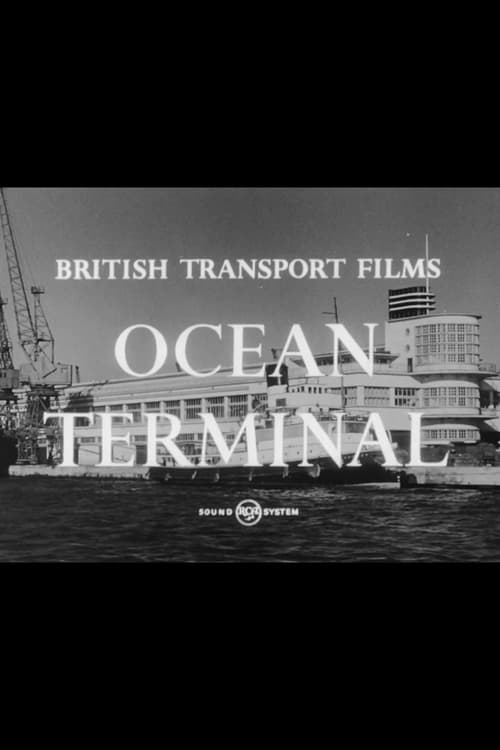
Southampton, a deep-water port with four tides a day, is an ocean terminal for the world's largest liners. Their coming and going, and the people who work with them are the subject of this film as they reflect in their personal lives some of the drama and romance of its situation. Among them are a tug skipper and his crew, a stewardess on a Cape ship, an assistant wharfinger in charge of handling baggage and freight, a taxi driver, and a pilot taking a great liner down Southampton water at night.
'Water', says the transport man, 'is lovely stuff' - and the development plan for British Waterways is based on this belief. The film shows parts of the plan in action, then goes to the N.E. Division, where a skipper is taking 110 tons of newsprint from Hull to Nottingham. 'As a drink', says the transport man, 'you may not think much of it. But used like this...'
The work of a team of men who tackle a special British Road Services job in the treacherous terrain of the Scottish Highlands.
The Yorkshire Dales - 'from which no traveller wishes to return'. Sheltering under the Pennines, the Dales have escaped the human ravages of time. There is magic here; skysweeping hillsides and weirdly weathered rocks; Wensleydale cheese; ruined abbeys and castles and standing drystone walls; fellracing and potholing, photography, traditional songs and a commentary spoken by Robert Shaw.
Examines Britian's industrial heritage, concentrating on the period between 1708 and 1850, and showing many examples of surviving relics of the period.
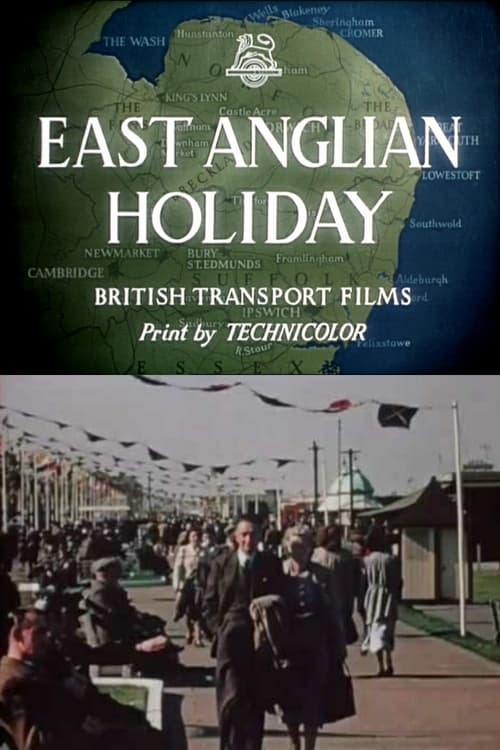
A tour of East Anglia, with its waterways and low-lying country.
A 200-ton transformer is moved by road from Hayes, Middlesex, to Iver, Bucks. Behind the story of the journey there is another tale: the problems which had to be solved before the task could be undertaken. This background story is told by the voices of those responsible for the various aspects of the operation, until the transformer is placed within a 'bee's wing' of its intended position.
A school journey through the city of London as seen through the eyes of the children and their teacher.
A romantic overview of England in the Elizabethan Age.
Film charting the development of the London bus from 1829 to 1979, with the 150th anniversary of Shilibeer's first service, featuring a procession of many of the Museum's historic vehicles. Collected in BFI's "London on the Move."
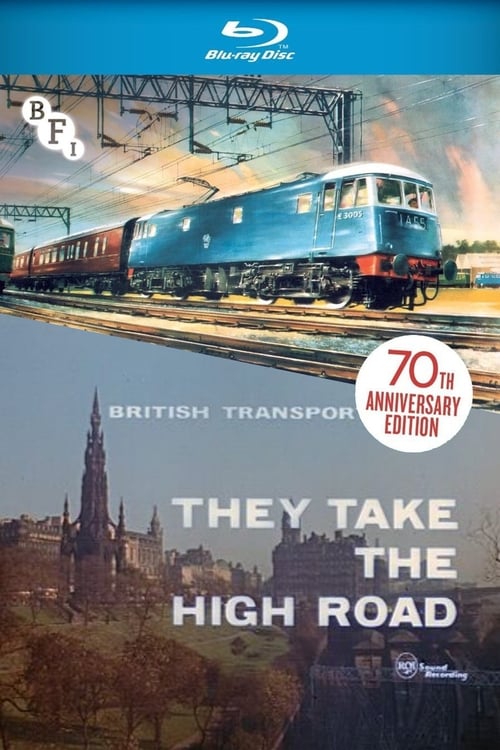
The people of the Scottish Highlands live in small communities set in landscapes of unsurpassed beauty.
The flora and fauna of the Scottish highlands, including footage of ospreys, and stags in Argyle.
This film shows us a world of wildlife and flowers and scenic beauty within easy reach of London - where people can enjoy yachting on the Thames, or archery at Sevenoaks; riding in Knole Park, or morris-dancing at Westerham; walking over the hills near Newlands Corner, or cricket on the green at Cookham; where they can admire a wealth of historic buildings both large and small - Windsor Castle, Canterbury Cathedral, Farnham Keep, the Dickens' houses at Rochester, the Roman ruins at Verulamium; or they can just sit in the sun while the children play.
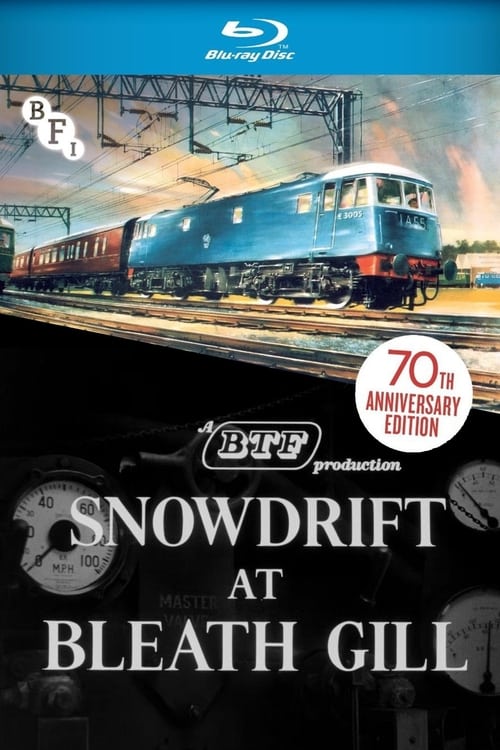
A freight train travelling between Kirkby and Barnard Castle has become snowbound in the Westmoreland hills. The Motive Power, Operating and Engineering Departments go to work with snowploughs to reach the trapped train.