Acting
Omnibus was an arts-based BBC television documentary series, broadcast mainly on BBC1 in the United Kingdom. The programme was the successor to the long-running arts-based series 'Monitor'. It ran from 1967 until 2003, usually being transmitted on Sunday evenings. During its 35-year history, the programme won 12 Bafta awards. Among the series' best remembered documentaries are Cracked Actor, a profile of David Bowie, and Rene Magritte, a graduate film by David Wheatley, 'Madonna: Behind the American dream', a film produced by Nadia Hagger, and a profile of the British film director Ridley Scott. For a season in 1982, the series was in a magazine format presented by Barry Norman. The series was replaced by 'Imagine' hosted by Alan Yentob.
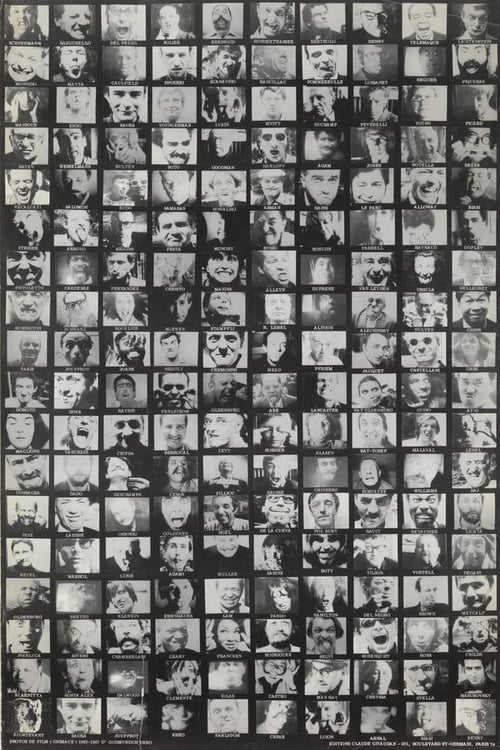
Produced over several years between 1962 and 1967, Grimaces shows the faces of over a hundred artists, gallery owners and critics grimacing to the camera.
Includes 'portraits' of Marianne Faithfull, Thelonious Monk and 28 others, some known, some less so.
Shot during Warhol's cross-county trip to Los Angeles during his second exhibition at the Ferus - the same trip during which he filmed the footage for Elvis at Ferus. Locations included Hollywood, Malibu, Venice, Pasadena, Topanga Canyon, the Santa Monica pier and the Beverly Hills Hotel.
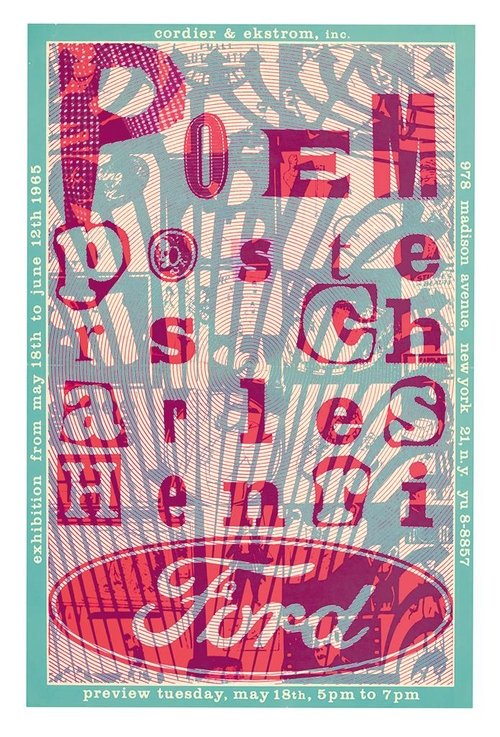
Tilda Swinton recites a poem by Claes Oldenburg.
A Film of a Claes Oldenburg Happening, Ray Gun Theater, 1962.
Based on a "Happening" by Claes Oldenburg, with a cast of twenty.
Two screens of film about - and sometimes shot by - Claes Oldenburg, detailing his inspiration, his methods and his relationship with his partner Hannah Wilke.
Metropolitan Museum of Art curator Henry Geldzahler reflects on the 1960s pop art scene in New York.
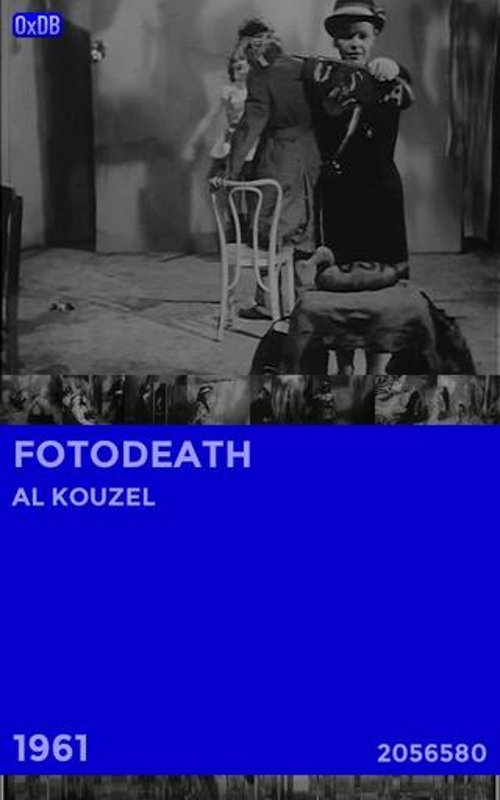
An experimental film from Al Kouzel which edits unrelated scenes together with a camera tying them together.
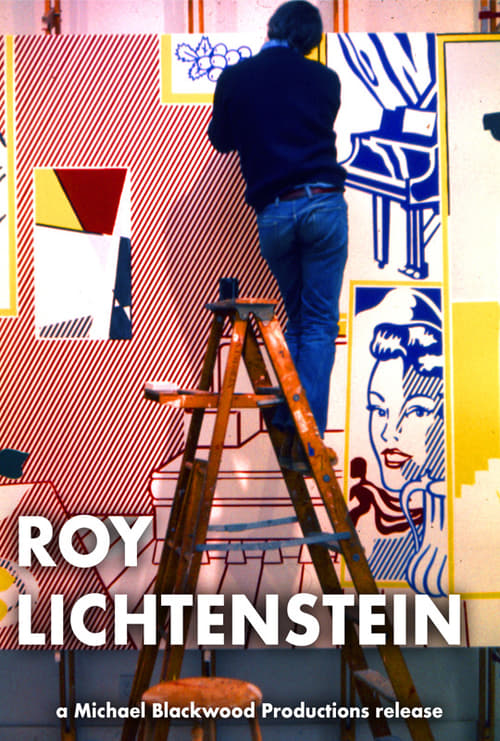
In conversation with Roy Lichtenstein, critic Lawrence Alloway places Pop Art on a continuum of twentieth-century art that includes collage, Dada, and Purism in referring to signs and objects of contemporary society; Lichtenstein argues for distinctions between himself, Warhol, Oldenburg, and others. In his Long Island studio, Lichtenstein works on an elaborate composition; one of his 4 major paintings on the theme "The Artist's Studio."
... with real-life portraits of Jayne Mansfield, Frak O'Hara, Ruth Ford, Ned Rorem, Virgil Thomson, Claes Oldenburg, Roy Lichtenstein, William Burroughs, Andy Warhol, Rudy Gernreich, Jonas Mekas and others.
Breer was influenced by the new performance art and "happenings" making waves in the avant-garde of Europe and New York. He worked briefly with Claes Oldenburg and his performance pieces resulting in a 13 minute film, Pat's Birthday (1962). - AWN
Hannah Wilke, upon Tschinkel's suggestion, cuts fellow artist, Claes Oldenburg's hair, which is taped for Tschinkel's Manhattan Cable TV show, Inner-Tube Video. This memorable piece reflects a caring relationship.
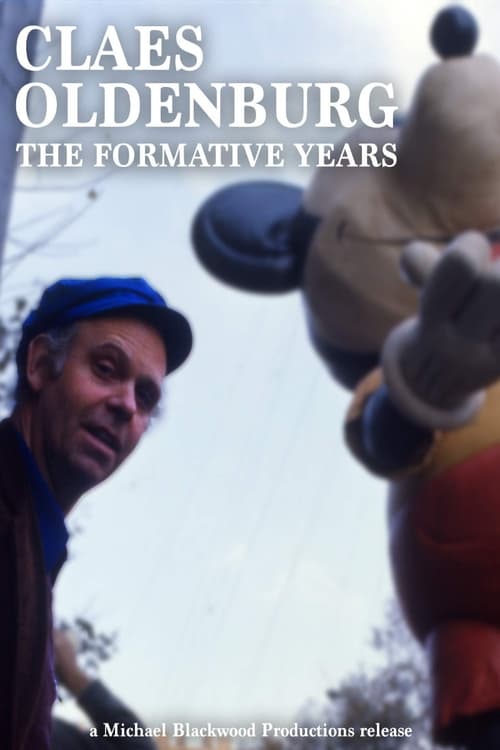
Gathering inspiration from the world around him, Claes Oldenburg has dedicated his career to giving objects life. What many would see only as their mundane, everyday tools Oldenburg sees as an opportunity for art. His famed large scale sculptures stand with such stature and force that the viewer has no choice but to become involved with the piece.
This film documents the major directions in modern American art during the first seven years of the 1960s. The keynote is that the artist has expanded his realm from the two-dimentional picture frame, climaxed by the artists of the 40s and early 50s, merged color with sculpture, and sought out modern media to express himself. This has produced the characteristic wide spectrum of interest, ideas, and products in contemporary art.
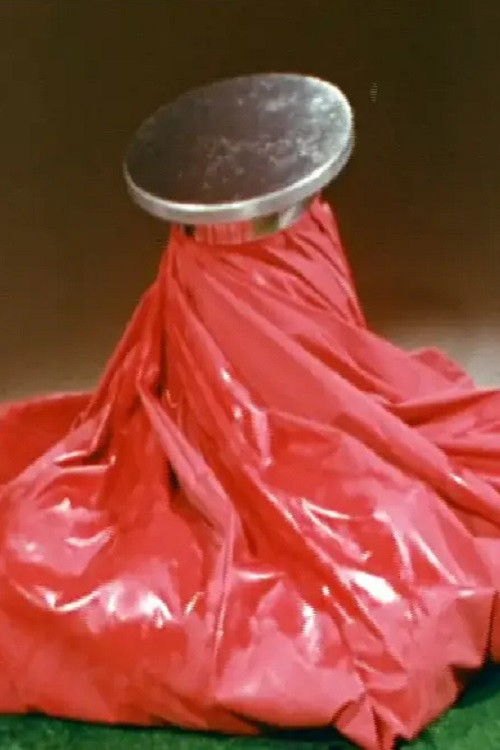
This short film sees the thoughts and process of Claes Oldenburg come to life as he produced the soft kinetic sculptures from his ice bag series at Gemini GEL print studios.