FEEL IT.STREAM
James Broughton

James Broughton

Directing

Biography

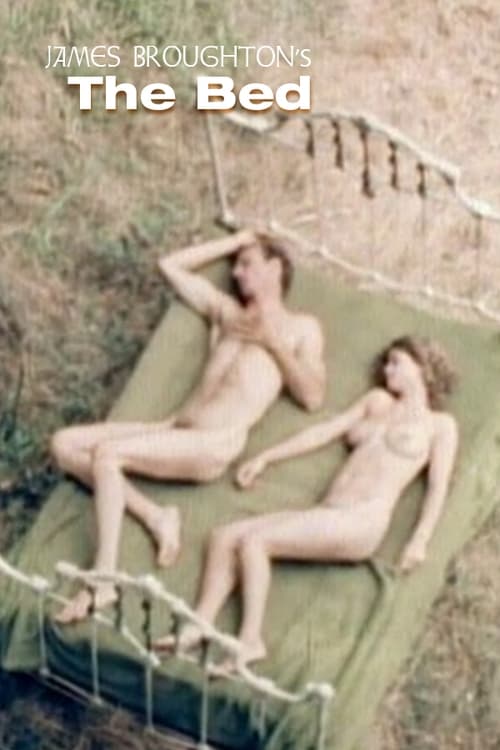
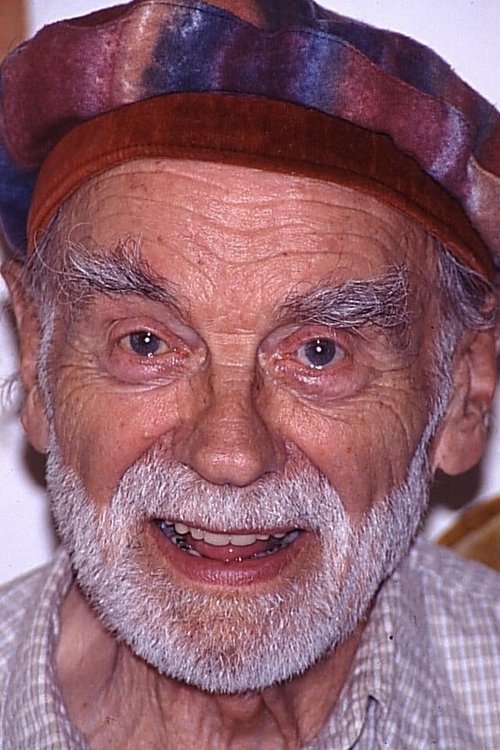
James Broughton was an American poet and poetic filmmaker. He was part of the San Francisco Renaissance, a precursor to the Beat poets. He was an early bard of the Radical Faeries as well as a member of The Sisters of Perpetual Indulgence, serving the community as Sister Sermonetta. His work is quintessentially Californian – exploring and engaging the polar frontiers of wildness and civility, male and female, body and spirit—with the crash of Pacific Ocean waves echoing throughout. "Ultimately I have learned more about poetry / from music and magic than from literature," he wrote.
Known For

Cinématon
4.9

Cinématon is a 156-hour long experimental film by French director Gérard Courant. It was the longest film ever released until 2011. Composed over 36 years from 1978 until 2006, it consists of a series of over 2,821 silent vignettes (cinématons), each 3 minutes and 25 seconds long, of various celebrities, artists, journalists and friends of the director, each doing whatever they want for the allotted time. Subjects of the film include directors Barbet Schroeder, Nagisa Oshima, Volker Schlöndorff, Ken Loach, Benjamin Cuq, Youssef Chahine, Wim Wenders, Joseph Losey, Jean-Luc Godard, Samuel Fuller and Terry Gilliam, chess grandmaster Joël Lautier, and actors Roberto Benigni, Stéphane Audran, Julie Delpy and Lesley Chatterley. Gilliam is featured eating a 100-franc note, while Fuller smokes a cigar. Courant's favourite subject was a 7-month-old baby. The film was screened in its then-entirety in Avignon in November 2009 and was screened in Redondo Beach, CA on April 9, 2010.

Cinématon

1978
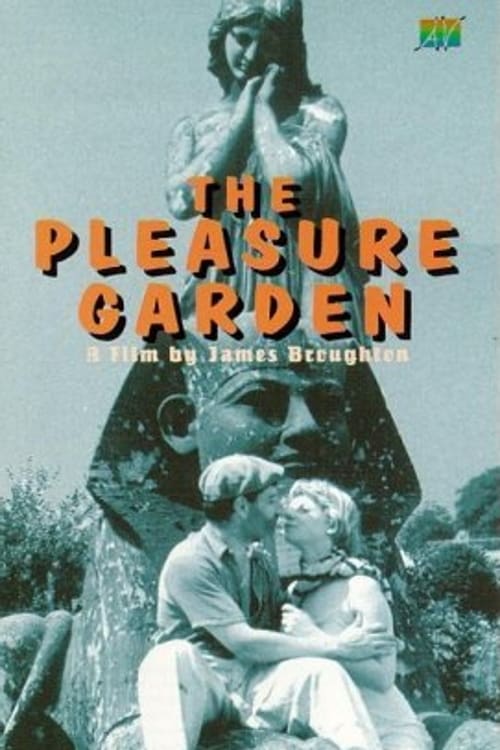
The Pleasure Garden
6.4

People quietly or mischievously pass the time in an overgrown garden full of statues, while a puritanical, funereal gentleman posts bills prohibiting all leisure activities.

The Pleasure Garden

1953
Mother's Day
6.2

Accepting the potentialities of the medium to manipulate both time and space, Broughton brings past and present head-on as he regards with adult feelings his childhood family and friends. Grown-ups romp like children, and by their magnified infantilism playfully underscore such basic traits as sadism, sensuality, arid egocentricity. (Melbourne International Film Festival)

Mother's Day

1948
Birth of a Nation
7.0

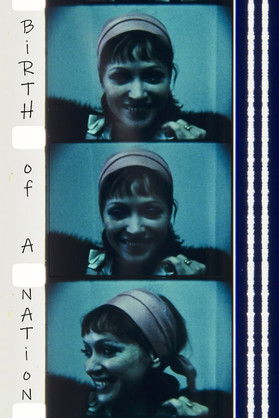
Jonas Mekas assembles 160 portraits, appearances, and fleeting sketches of underground and independent filmmakers captured between 1955 and 1996. Fast-paced and archival in spirit, the film celebrates the avant-garde as its own “nation of cinema,” a vital community existing outside the dominance of commercial film.

Birth of a Nation

1997
Loony Tom the Happy Lover
4.7

A short black and white film from James Broughton with Kermit Sheets in a Chaplinesque role.

Loony Tom the Happy Lover

1951
Big Joy: The Adventures of James Broughton
4.8

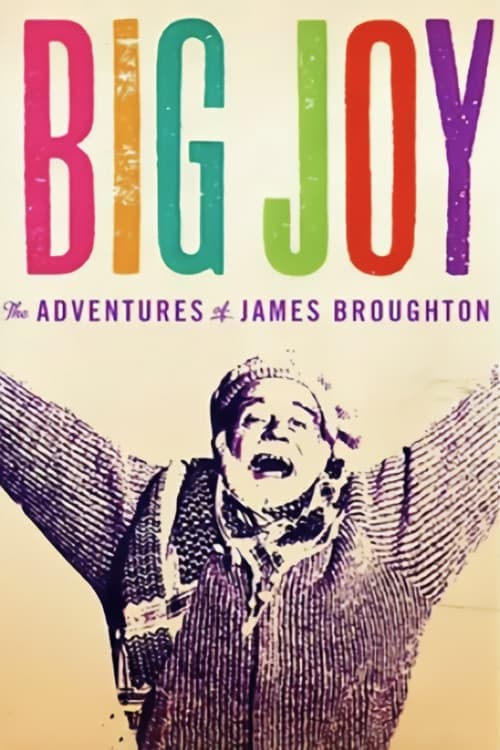
A chronicle of the iconoclastic life of gay poet, filmmaker, and spiritual visionary James Broughton, one of the defining voices of the sexual revolution, whose groundbreaking artistic celebrations of sexuality and the body influenced generations of the 1960s and '70s to profoundly embrace life and ‘follow your own weird’.

Big Joy: The Adventures of James Broughton

2013
Hermes Bird
6.0

This 11 minute homage to the male member shows its subject in the various stages of erection. The voice-over poem by James Broughton includes the line "This is the secret that will not stay hidden."

Hermes Bird

1979
This is It
5.1

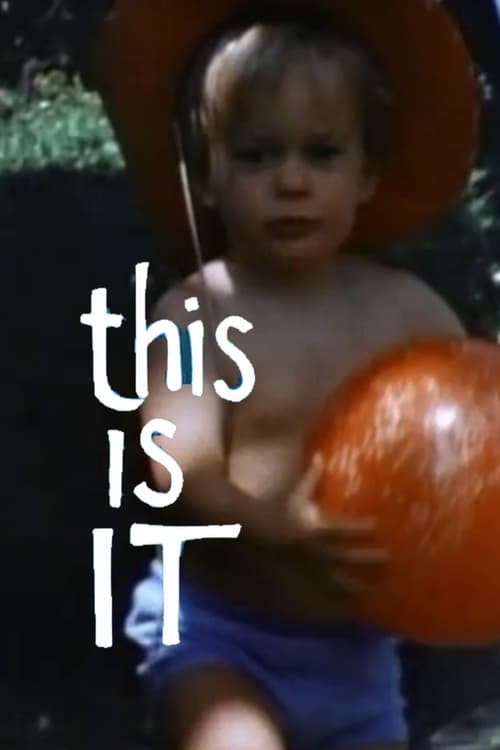
James Broughton's creation myth, THIS IS IT, places a 2-year-old Adam and a bright apple-red balloon in a backyard garden of Eden, and works a small miracle of the ordinary. And since that miracle is what his film is about, he achieves a kind of casual perfection in matching means and ends.

This is It

1971
Dreamwood
4.2

The oneiric quest of a modern argonaut on a mysterious island located somewhere on the borders of the unconscious.

Dreamwood

1972
Devotions
4.8

Men in pairs, mostly naked, perform various sensual tasks together.

Devotions

1983
No image
4.9

This film celebrates weddings and being wed, and the union of opposites in everything everywhere.

Nuptiae

1969
Song of the Godbody
7.5

Mapping extreme close-ups of Broughton's body, the camera slowly becomes a tool to reveal the erotic beauty of the body and the sensual pleasure in loving oneself. The ecstasy and power of sexual gratification are celebrated by the camera, as it probes, reveals, and visually caresses. Broughton's song is a praise of his body as divine androgyne, and an acceptance of this higher, sexual power.

Song of the Godbody

1977
Four in the Afternoon
6.1

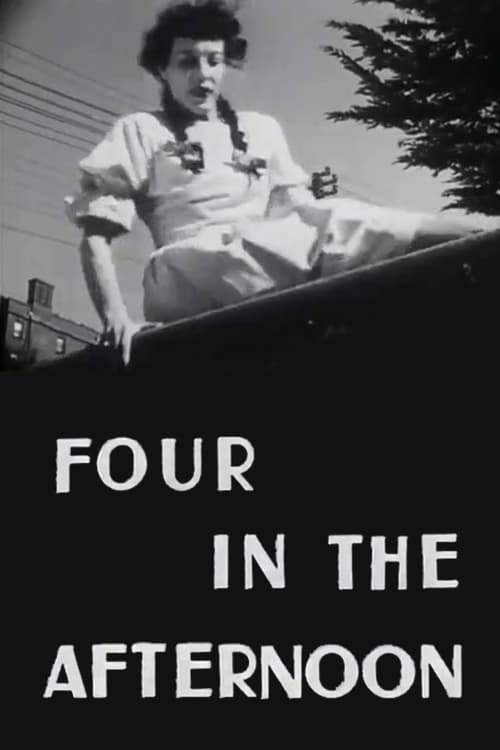
Poems narrate four afternoon vignettes; each protagonist is older than the one in the previous sketch.

Four in the Afternoon

1951
No image
6.3

An old man (artist and landscape architect Bevis Bawa) contemplates the Garden of Eden.

The Gardener of Eden

1981
Windowmobile
N/A

Images, Joel Singer; Sounds, James Broughton. "The film is shot both through and at a window, superimposing and conjoining, thereby elaborating events on both sides of the glass. Broughton's accompanying poem sings the same song as the images, sounding from an Eden of the golden passing of days: "They were seeing the light every day then ... / They were looking and they were seeing / They were living there in the light at that time." - Robert Lipman, On the Films of Joel Singer

Windowmobile

1977
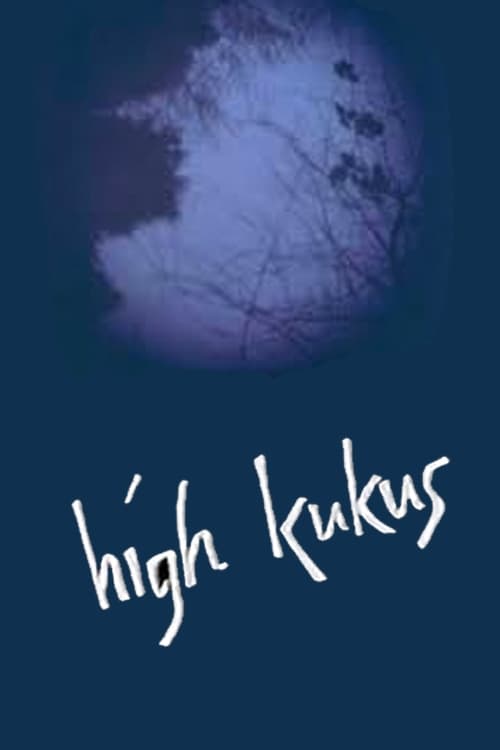
High Kukus
5.3

In this homage to Zen poet Basho, the subtle changes of a pond are chronicled on film over a period of time. Broughton recites his cuckoo haikus in the background.

High Kukus

1973
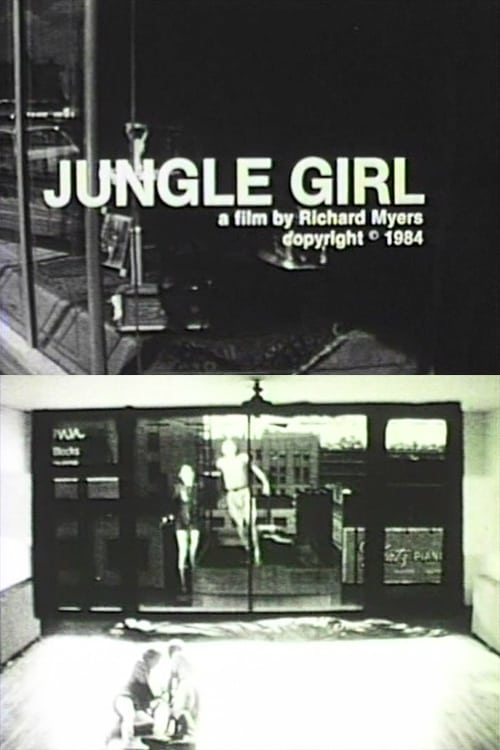
Jungle Girl
N/A

Jungle Girl, experimental film master Richard Myers’ intensely personal tribute to Frances Gifford, star of the Republic Pictures serial of the 1940’s, a gentle, dream, memory work of haunting visual beauty.

Jungle Girl

1984
Testament
5.8

"TESTAMENT is James Broughton's exquisite self-portrait. A major figure in avant-garde filmmaking and poetry since the 1940s, Broughton views his life and life's work with irony, charm, humor, and a combination of joyous self-love and gentle self-depreciation. Scenes from his earlier films mix the elements of humor, magic, slapstick, melodrama, and romance which mark his aesthetic. A plethora of rich personal symbols is woven throughout the film, tied together by verbal games, Zen poems, anecdotes, songs, a child's prayer, dreams, and visions." - Karen Cooper "James Broughton's TESTAMENT is one of the most remarkable films ever produced within the American independent cinema. It is the most moving and most sublimely detached of the recent trend of filmic autobiographies - by Jerome Hill, Jonas Mekas, and Stan Brakhage, to name only the masters, and Broughton's peers." - P. Adams Sitney "A beautiful, important, mysterious work." - Amos Vogel

Testament

1974
Scattered Remains
6.0

Broughton reads his poetry over various images.

Scattered Remains

1988
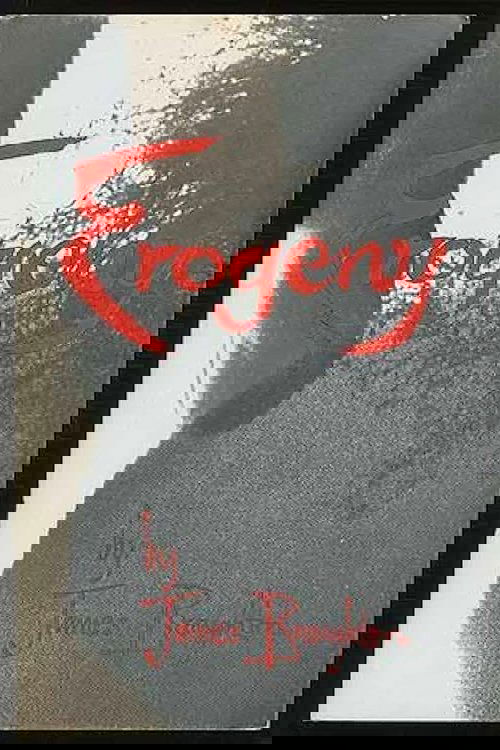
Erogeny
5.0

The film travels in close-up over the mysterious terrains of nude human bodies as they touch and explore one another.

Erogeny

1976