Peter Weiss
Acting
Biography
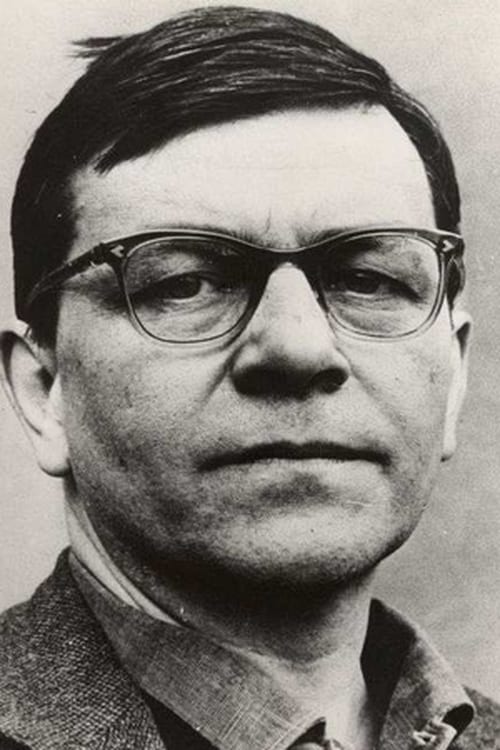
Peter Ulrich Weiss was a German writer, painter, graphic artist, and experimental filmmaker of adopted Swedish nationality. He is particularly known for his plays Marat/Sade and The Investigation and his novel "The Aesthetics of Resistance".
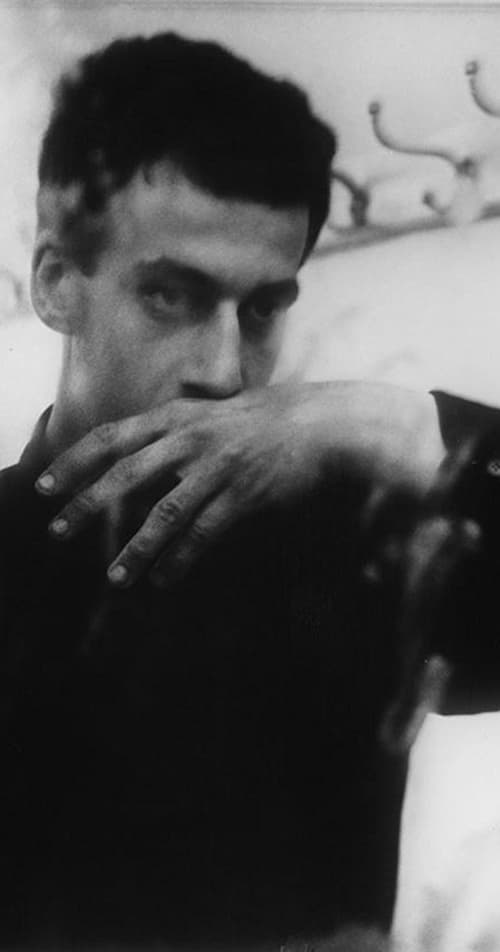
Known For

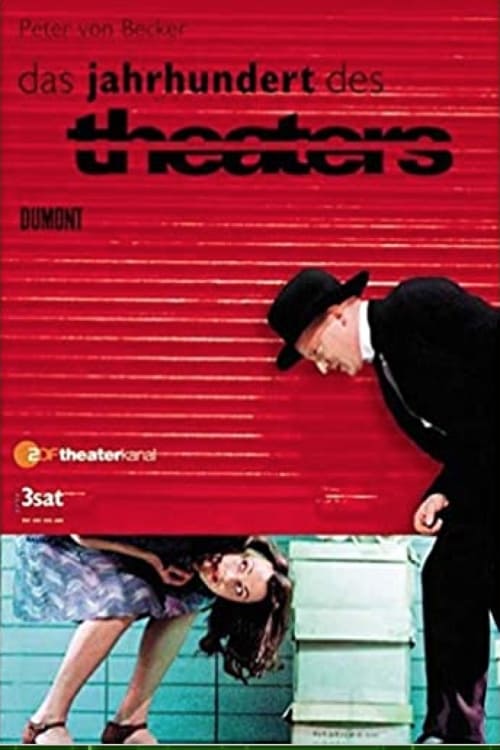
"The Century of the Theater" - From the "birth of the director" to the "heroes of modernity" - an overview of the world of theater - illuminates the interaction with the history of the past hundred years is also shown.
Das Jahrhundert des Theaters

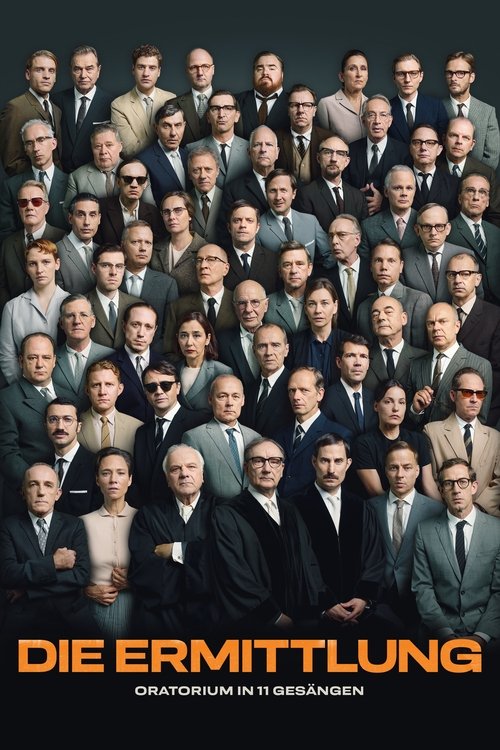
Peter Weiss’ monumental 1965 stage play, among the greatest artworks on the Holocaust, condenses the testimonies of witnesses and the accused during the Frankfurt Auschwitz Trials of 1963-1965. This ultra-faithful film adaptation builds, across four hours, in its intensity and graphically described detail.
The Investigation

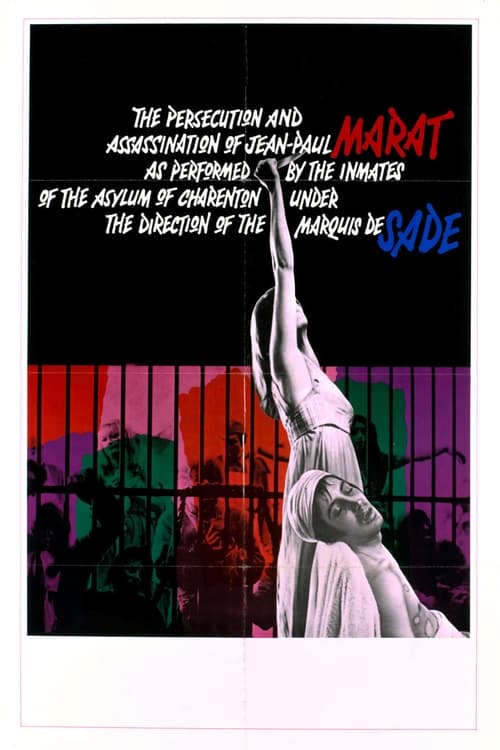
In Charenton Asylum, the Marquis de Sade directs a play about Jean Paul Marat's death, using the patients as actors. Based on 'The Persecution and Assassination of Jean-Paul Marat as Performed by the Inmates of the Asylum of Charenton Under the Direction of the Marquis de Sade', a 1963 play by Peter Weiss.
The Persecution and Assassination of Jean-Paul Marat as Performed by the Inmates of the Asylum of Charenton Under the Direction of the Marquis de Sade
The Investigation (1965) is TV version of a play by German playwright Peter Weiss that depicts the Frankfurt Auschwitz Trials of 1963–1965.
The Investigation

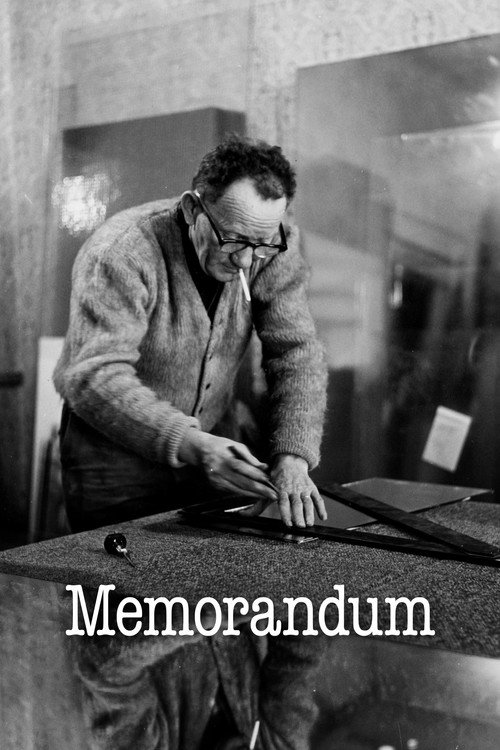
A Jewish Holocaust survivor travels through Germany recalling scenes from his memory. This documentary follows a Holocaust survivor in 1965 on an emotional pilgrimage to Bergen Belsen, the last of 11 concentration camps where he was held by the Nazis. He and 30 other former Jewish inmates travel through the new Germany. Scenes still vivid in his mind are recalled in flashback. The memorandum of the title refers to Hitler's memo offering a "final solution" to the "Jewish problem."
Memorandum
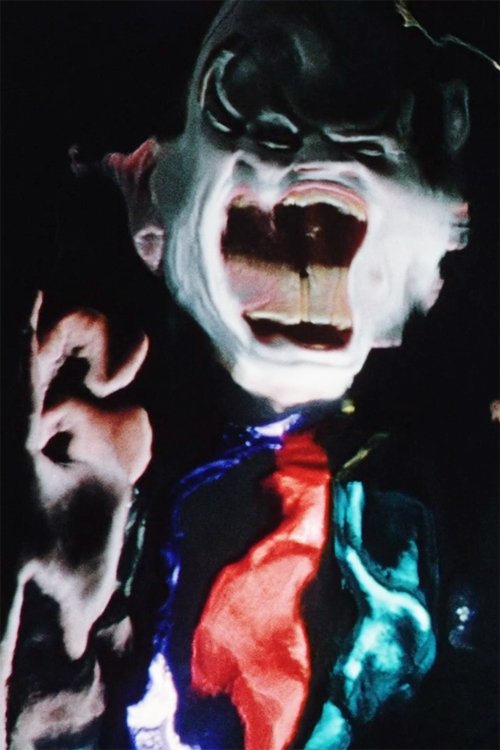
Twelve staged scenes that were modelled after a set of drawings. Accompanied by metallic sounds, various body parts, limbs and objects form surrealistic collages against the background of a black space. Peter Weiss intended to create associative images that can not be deciphered completely. Beyond any logical interpretation, he wanted to show pure inner feelings.
Study II: Hallucinations
24 hours in the life of three Swedish girls in Paris. Seduced by the excitement but short of money they earn a few francs as nude models in an art school.
The Flamboyant Sex
A film about the youth prison in Uppsala, which focuses on one intern's alienation and anxiety.
According to Law

A short pamphlet based on a text by Peter Weiss and on the contrapuntal use of the relation between image and sound. The commercial activities and fantasies linked to tourism in Sweden are contradicted by the geopolitics of capitalist imperialism, in particular with the war in Vietnam.
Sightseeing
A symbolic reconstruction of the Auschwitz process in Frankfurt in 1963-1965. Litigation against those responsible for the mass extermination in German prison camps during the Second World War.
Ransakningen

Deals with young people dealing and using drugs of all kind.
What Shall We Do Now?

A young man comes to Stockholm, Sweden and experiences several bizarre and surrealistic situations.
Mirage
In a single room, Peter Weiss has captured the environment of two drug addicts, without ever showing their faces in the film.
Tagning narkomaner
Uncompleted portrait of an artist. Fragmentary images from Öyvind Fahlström's studio, with paintings, collages and Fahlström's friendship gathered around a table.
Tagning Öyvind Fahlström
A heavy drug addict in his junkie quarter at Österlånggatan, Stockholm.
Ricke Langhammer - en narkoman

Surrealistic images of Faust-Mephisto in his fantastic laboratory.
The Studio of Dr. Faust
A personal portrayal of Peter Weiss’ period as a painter and filmmaker in Sweden before his rise to fame.
Strange Walks In and Through and Out

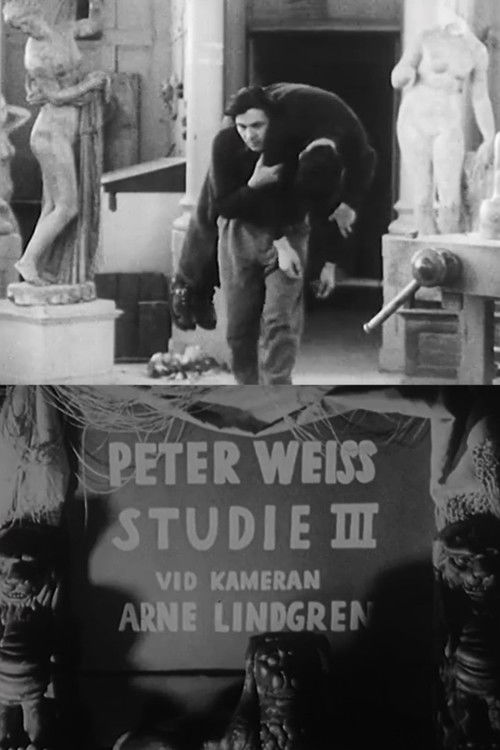
A surrealistic and symbolic depiction of the liberation of the self in a series of associative scenes. The main character moves between different rooms, rooms of significance for him, dragging something that constantly changes form but eventually turns out to be himself. It is an old and consumed I that disappears from him.
Study IV: Liberation

The day begins for an avant-garde artist. We see him waking up amid empty bottles, easels, and silk stockings.
Study I Awakening

A documentary film about the 99 year old artist Anna Casparsson. She is interviewed by Peter Weiss in her home in Saltsjöbaden. “I shot 'Anna Casparsson' together with Staffan Lamm. I had wanted to complete the film, but somehow I did not get around to it and then she died shortly afterwards.” -Peter Weiss