Lionel Soukaz
Directing
Known For

Cinématon is a 156-hour long experimental film by French director Gérard Courant. It was the longest film ever released until 2011. Composed over 36 years from 1978 until 2006, it consists of a series of over 2,821 silent vignettes (cinématons), each 3 minutes and 25 seconds long, of various celebrities, artists, journalists and friends of the director, each doing whatever they want for the allotted time. Subjects of the film include directors Barbet Schroeder, Nagisa Oshima, Volker Schlöndorff, Ken Loach, Benjamin Cuq, Youssef Chahine, Wim Wenders, Joseph Losey, Jean-Luc Godard, Samuel Fuller and Terry Gilliam, chess grandmaster Joël Lautier, and actors Roberto Benigni, Stéphane Audran, Julie Delpy and Lesley Chatterley. Gilliam is featured eating a 100-franc note, while Fuller smokes a cigar. Courant's favourite subject was a 7-month-old baby. The film was screened in its then-entirety in Avignon in November 2009 and was screened in Redondo Beach, CA on April 9, 2010.
Cinématon

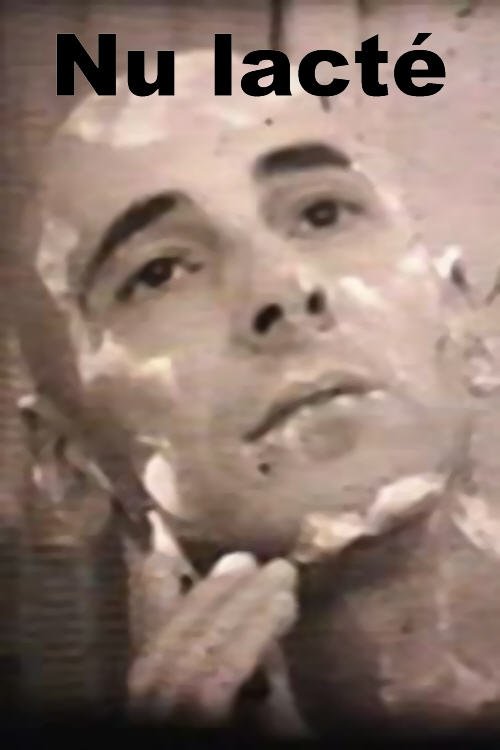
Othello Vilgard, Xavier Baert and Lionel Soukaz filmed a performance by Tom from Beijing: one strips himself naked while the others veil and reveal the film.
Nu lacté

A fantasia on the inner lives of gay teenagers in '70s France.
The Sex of the Angels

"Race d’Ep!" (which literally translates to "Breed of Faggots") was made by the “father of queer theory,” Guy Hocquenghem, in collaboration with radical queer filmmaker and provocateur Lionel Soukaz. The film traces the history of modern homosexuality through the twentieth century, from early sexology and the nudes of Baron von Gloeden to gay liberation and cruising on the streets of Paris. Influenced by the groundbreaking work of Michel Foucault on the history of sexuality and reflecting the revolutionary queer activism of its day, "Race d’Ep!" is a shockingly frank, sex-filled experimental documentary about gay culture emerging from the shadows.
Race d'Ep!

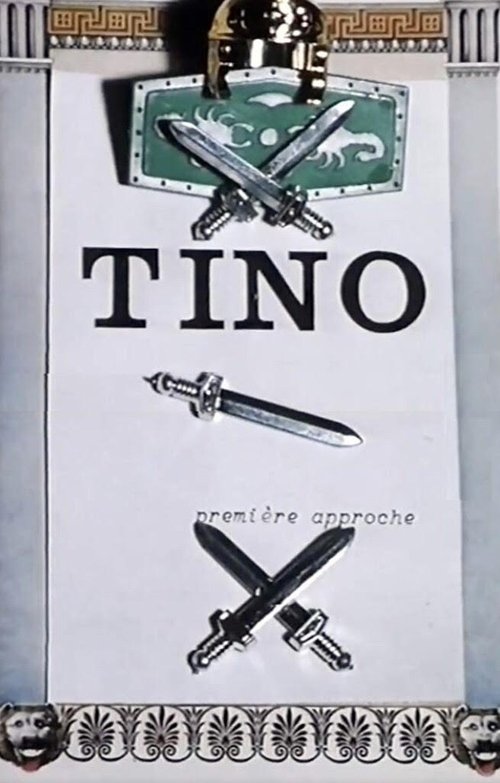
A contemporary scenario, in which American journalist Doug Ireland visits Europe and meets an oppressed young Arab man, is played against the celebrated story of Emperor Hadrian’s relationship with his favourite Antinous.
Tino

Founded in the second half of the 1990s, the experimental film association L'Etna witnessed the transition from film to digital cinema. Its premises, located in the heart of Paris, were unable to withstand gentrification.
Une certaine histoire du cinéma expérimental français

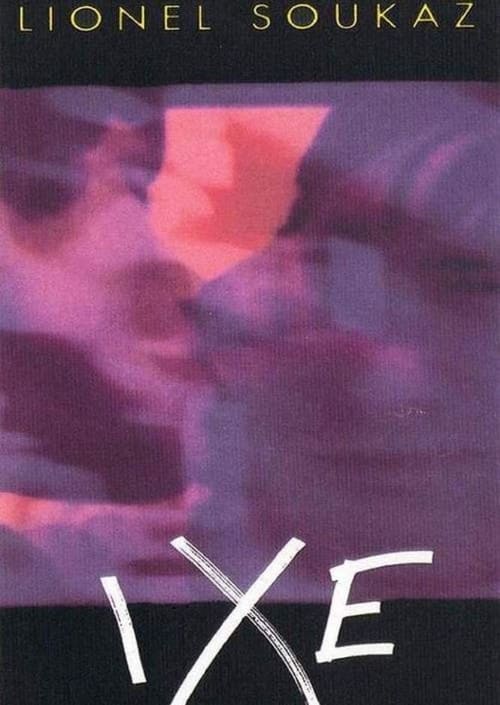
“Ixe (written X and pronounced EEKS – as it is pronounced in French –, like a scream, a wound) is an imploded, crucified film. Made to be projected on four screens at once, X is drawn and quartered. At the four points of the compass, at the four ends of the cross, War, Sex, Religion and Drugs, the double exposures, the colliding glimpses the eye barely recognizes, the skilful repetitions of themes, remind us that Sex is also the war of bodies, and the pope, the Drug of the people. And the story of this young man, shooting up in order to experience all the horror of the world in front of his TV set, reminds us that the heroin orgy is indeed the subjective locus of the monsters of the modern unconscious.” - Guy Hocquenghem
Ixe
An "action" by Michel Journiac, performed at the book fair on March the 16th, 1993, where he exhibited 150 poems marked with his own blood. Michel Journiac had a blood sample taken in public and then spread the blood on three plexiglass plaques on which Fernando Pessoa's words were written : "Outside all this, there is Christ, who knew nothing about finance - and, it seems, didn't have a library". The works were then attached to a background and exhibited before the public.
150 Poems Put in Blood
The “Journal Annales” consists of almost 2.000 hours of video footage collected by filmmaker Lionel Soukaz since 1991. For “Carottage”, the idea was to take a random sample from this vast volume, like a geological core sample. The result is a condensed history of political struggles and radical cultural experimentation spanning two decades.
Carottage

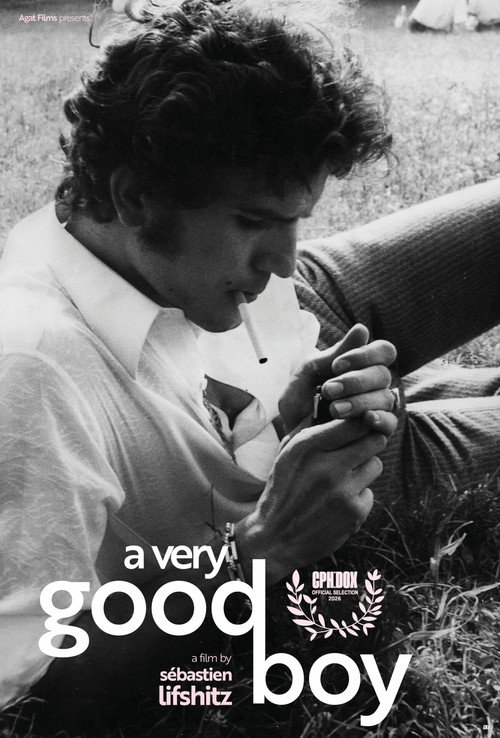
From his childhood in a modest family in the Pyrénées to his unexpected career as a porn actor in the 1970s, the film traces the life of Claude Loir, who set out to fully embrace life. His homosexuality and curiosity guide him through encounters that lead into the shadowy, liberated circles of a pre-AIDS era, caught between conservatism and sexual freedom. Loves and lovers, flamboyance and fragility… the film offers a striking portrait of a fearless, hedonistic man navigating desire, identity, and society’s constraints.
A Very Good Boy

Daily spleen, drunkenness among friends, conversations and the passage of time: the video diaries composed by Lionel Soukaz chronicle the early 1990s, the comet tail of those never-ending winter years and the nightmare of the AIDS years. But edited thirty years later with Stéphane Gérard, they are also a tribute to Hervé Couergou, the beloved partner at the center of all the filmed scenes. Slowly, in conversations between couples and friends, the dandy spirit and intimate confession overlap. What emerges is a portrait of a way of dealing with the times and their pain, which, beneath the act of commemoration, seeks to inscribe a living presence.
Artistes en zones troublés
Reel 5 of Gérard Courant's on-going Cinematon series.
Cinématon V
No description available.
Porno colonial
Portrait of pioneering LGBT filmmaker Lionel Soukaz, who passed away in February 2025. His work lies at the crossroads of several film traditions that rarely intersect: experimental, activist, pornographic, and diary film. Based on both public and private interviews with Lionel Soukaz.
Lionel Soukaz, le désir et le manque

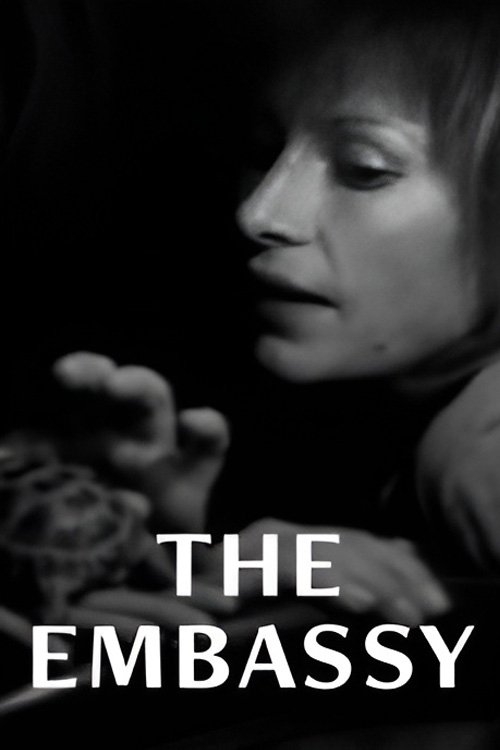
After a military coup d'état, political dissidents seek refuge in a foreign embassy. Over the next few days, they are joined by more and more people who are fleeing the military assault: teachers, students, intellectuals, artists, and politicians.
The Embassy
"What will remain of us when we've flushed all our accepted masterpieces down the toilet? - Our porn."
Porno industriel

"I filmed my boyfriend at the time and tried to strip him, but in fact it's a film about ecology." -Soukaz Soukaz's first film, though lost for many years until it was finally recovered.
Ballad for a Lonely Man

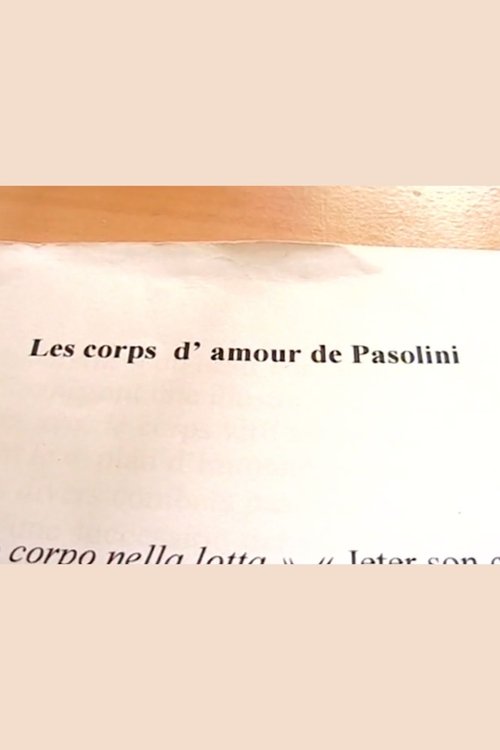
An ode to the life, thought and cinema of Pasolini, brought to life in a video overlay and embodied by two young men.
Les corps d'amour de Pasolini

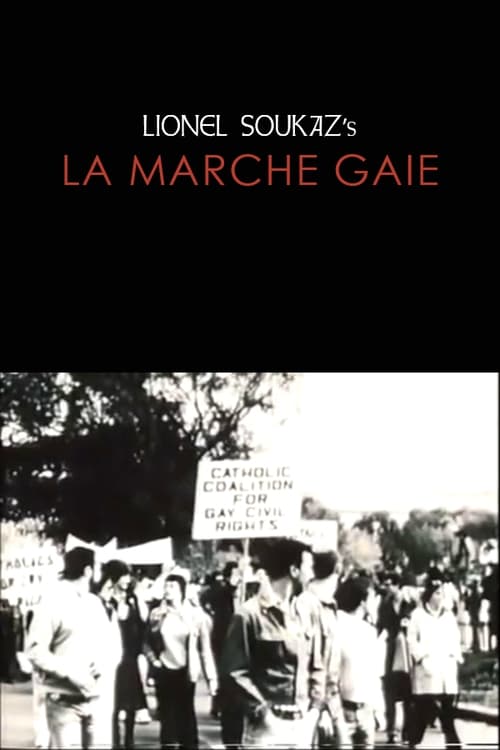
A short documentary about the October 14 1979 March For Lesbian And Gay Rights in Washington D.C.
La marche gaie

Auto-portrait.