Fabio Nunziata
Editing
Known For

We are with Pasolini during the last hours of his life, as he talks with his beloved family and friends, writes, gives a brutally honest interview, shares a meal with Ninetto Davoli, and cruises for the roughest rough trade in his gun-metal gray Alfa Romeo. Over the course of the action, Pasolini’s life and his art are constantly refracted and intermingled to the point where they become one.
Pasolini
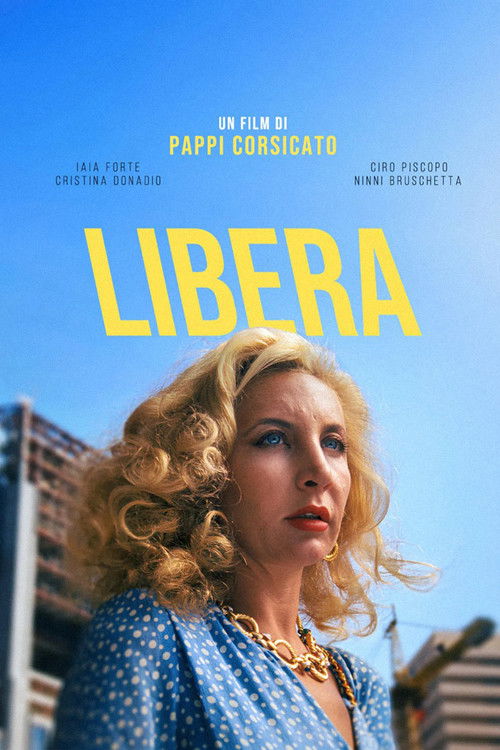
Three episodes. In the first, Aurora lives in a luxurious apartment. Among some workers called to her house, she recognizes an old lover, who returns to courting her, but then empties her house. In the second, a boy released from reform school discovers that his mother is actually his father: a transvestite. In the third, a newsagent, suspecting her husband, who constantly pretends to be ill, is cheating on her, places a video camera in her room. She records his sexual encounters on a videotape that she sells at newsstands. In his directorial debut, Corsicato demonstrates a sharp and poetic talent (he was Almodovar's assistant) in creating three portraits of women that are also portraits of his city, Naples.
Libera
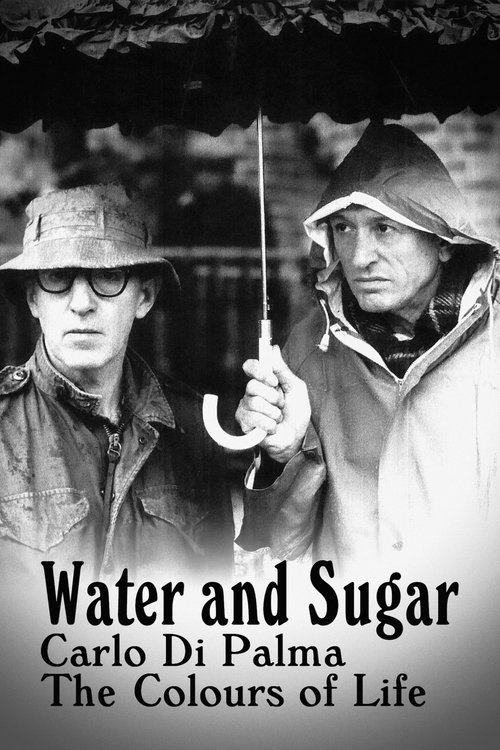
An account of the life and work of legendary cinematographer and director Carlo Di Palma (1925-2004) and an emotional journey through the great moments of cinema, from Italian neorealism to the masterpieces of Woody Allen.
Water and Sugar – Carlo Di Palma: The Colours of Life
Clint is a dead man who lives alone in a frozen tundra. However, this isolation cannot bring either evasion or peace. One night, he begins a journey where he must confront his dreams, memories, and visions, crossing the darkness into the light.
Siberia
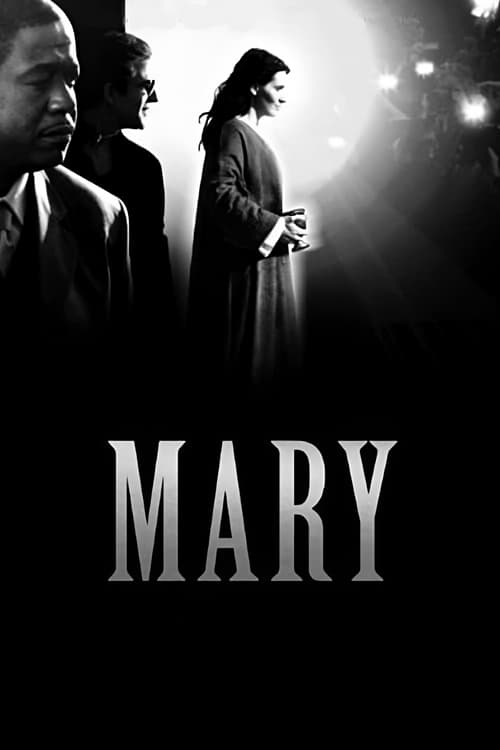
The filming of a movie about Jesus’ death deeply affects three people — an egotistical director who cast himself as Christ, the actress playing Mary Magdalene who cannot bring herself to leave Bethlehem and a TV journalist whose spiritual doubts start to consume him.
Mary
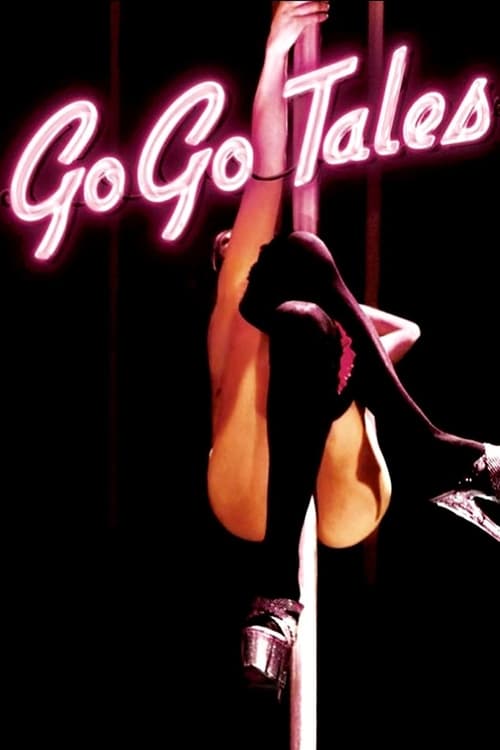
A financial struggle between owners of a go-go club threatens its future.
Go Go Tales
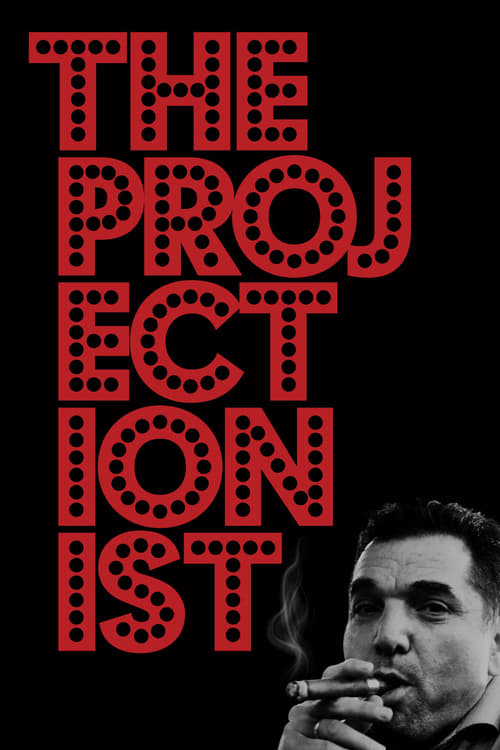
In his first New York City-set documentary in nearly a decade, filmmaker and provocateur Abel Ferrara uses the experience of one longtime cinema owner to chart the vast changes to the city’s theatrical landscape.
The Projectionist
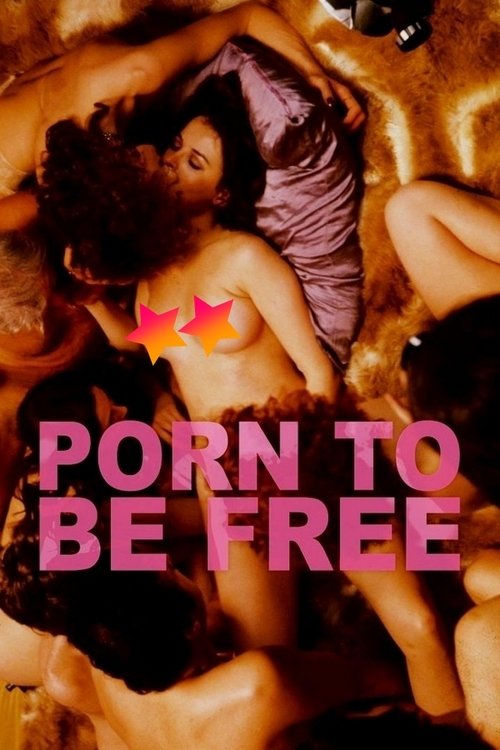
Italy, 1970. An increasing legion of harmless warriors begins a peaceful struggle for sexual freedom through pornography, shaking and shocking religious authorities and conservative political institutions. They are ironic, happy, crazy. They are dreamers, defenders of definitive communion between body and soul. But they were censored and humiliated. They were mistreated and arrested for demanding loud a new cultural renaissance.
Porn to Be Free
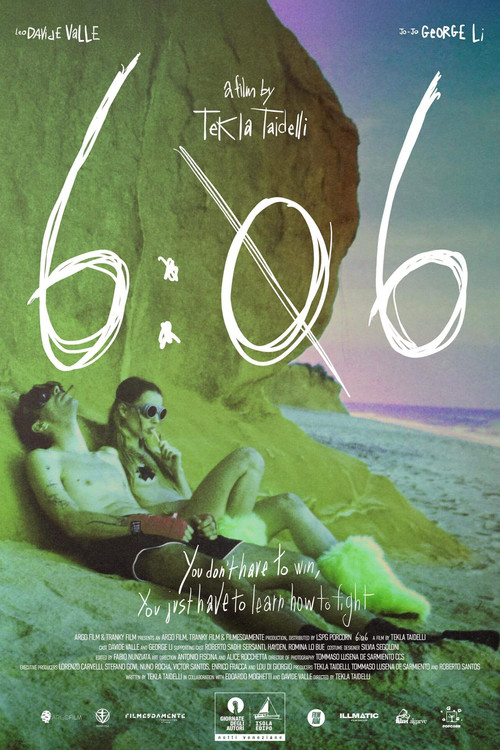
Leo is only twenty, but his life is in black and white. His days always begin at 6:06, with odd jobs and an endless race to get his hands on his next hit. Taking drugs is not just an addiction; it’s a mental loop that keeps Leo trapped in an eternal déjà vu. Each time he tries to break out and escape, he’s always sent back to square one. Until he meets Jo-Jo, an enigmatic girl his same age who speaks French only and drives a camper like she’s on the run from something. Like him, she has deep scars. So Jo-Jo is not an easy way out, but it’s chaos that Leo needs. She has her own demons, and in some way, she can see into Leo’s fractured psyche. They drive off to Portugal together, through dusty, dreamlike landscapes, and there, their souls connect and finally speak the same language. Yet saving each other won’t be easy. Leo struggles with his dependency, while Jo-Jo seems to be one step away from dissolving into thin air – as if she were only there to show Leo the path to take.
6:06

Vivid mosaic/portrait of Rome’s biggest public square, Piazza Vittorio, featuring talks with African musicians and restaurant workers, Chinese barkeeps and relocated eastern Europeans, homeless men and women, artists, actors, and many others.
Piazza Vittorio
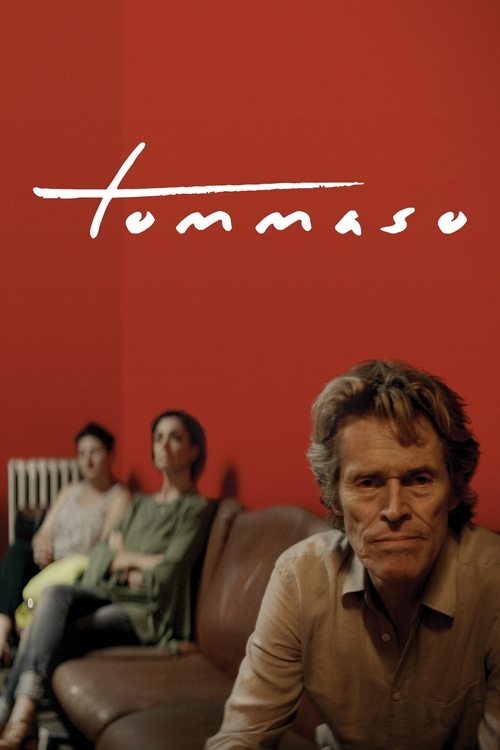
Tommaso is an American expat film director living in Rome with his young wife and their daughter. Disoriented by his past misgivings and subsequent unexpected blows to his self-esteem, Tommaso wades through this late chapter of his life with an increasingly impaired grasp on reality as he prepares for his next film.
Tommaso
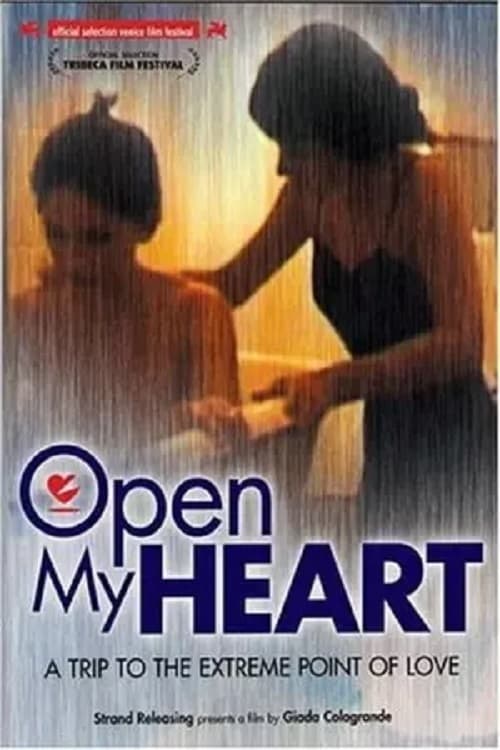
Maria lives with her 18-year-old sister, Caterina in a small apartment, tutors her at home, lets her out only for dance classes. Yet Maria sees no reason to hide her work as a prostitute from her sister. Men come in and out of the apartment constantly, and Caterina turns up the volume on her music to drown out the sounds from the next room. The film soon reveals that the sisters are in love with each other, a situation that cannot stand, but exactly what prompts the characters' behavior is rarely clear. Soon after Caterina's belated discovery of her heterosexuality, she is invited into the bedroom with Maria and a client.
Open My Heart
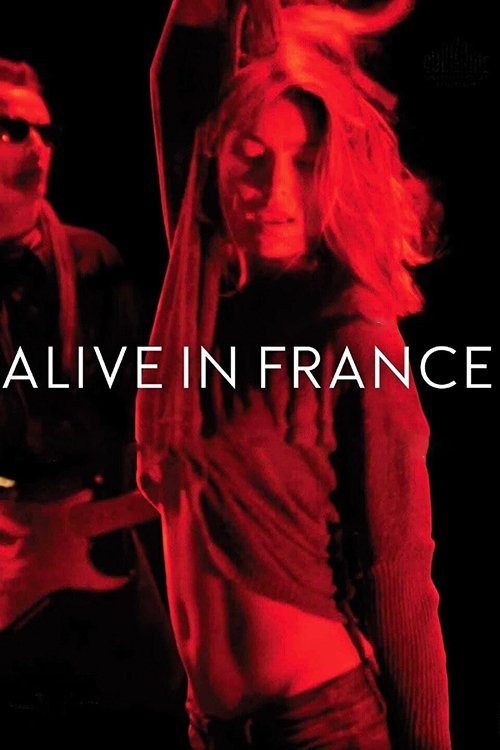
Abel Ferrara headlines a film retrospective and a series of concerts in France dedicated to songs and music from his films. Preparations with his family and friends will form the material of this self portrait, showing another side of the director of legendary films BAD LIEUTENANT, THE KING OF NEW YORK and THE ADDICTION. Ferrara is joined on stage by past collaborators, including composer Joe Delia, actor-singer Paul Hipp and his wife actress Cristina Chiriac for concerts at the Metronum in Toulouse and the Salo Club in Paris in October 2016.
Alive in France
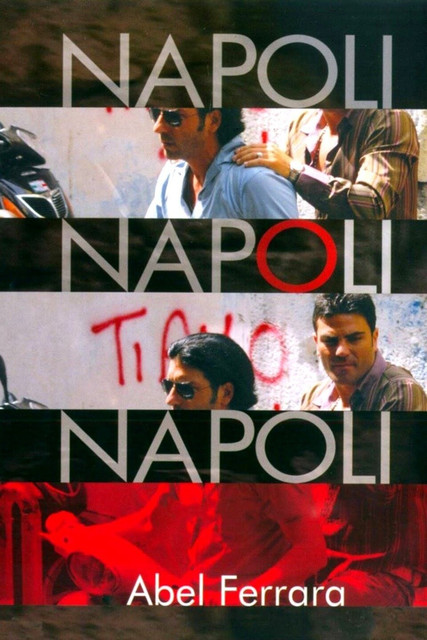
Weaving together fact and fiction, this docudrama performs a portrait of the often seamy underside of the city of Naples.Ferrara traveled to Italy to interview the inmates at the Naples Pozzuoli State Prison, a high security lockup for women, and with the help of a translator he allows a number of women doing time to talk about their lives before and after they were convicted. Ferrara chose to expand the short profile of the prisoners into a feature by offering a look at life in the slums of Naples and the actions of a number of law enforcement officers and social workers struggling to improve conditions for the poor, as well as adding three short fictional segments shot of digital video gear.
Napoli, Napoli, Napoli
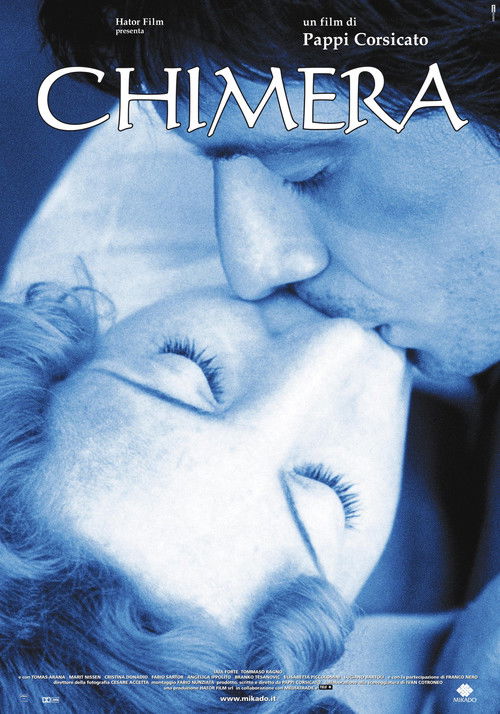
The true natures of love, commitment, and reality are called into question in this offbeat drama. One night in bed, Tomas, a magician, begins telling a story to his wife Desirè about Emma and Sal, a married couple whose love life has gone stale. In order to fire up their relationship, Emma and Sal begin playing an increasingly elaborate series of role-playing games, in which they assume different personas -- Sal saves Emma as she is tied to railroad tracks, or Emma must seduce another man to pull her husband out of debt. But the question soon arises -- are Emma and Sal real? And who really holds the power in their lives? Chimera also features Franco Nero as one of the participants in Emma and Sal's sexual fantasies.
Chimera
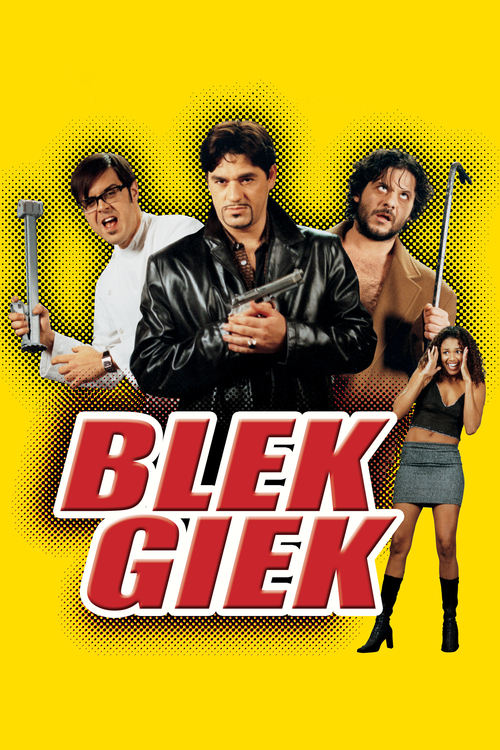
No description available.
Blek Giek

The impossible love between one prostitute, managing a bunch of handicapped prostitutes, and the homosexual Adamo. In the horrible suburb of Napoli we can follow among fantasy, mythology and reality the absurd life of the protagonists.
Black Holes
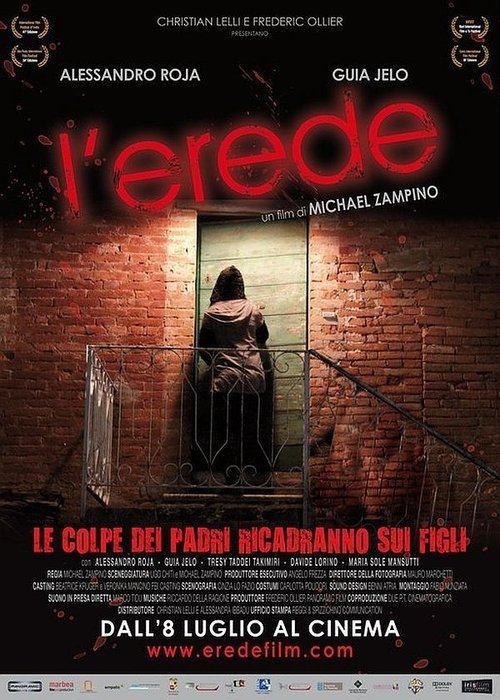
Dopo la morte del padre, Bruno, medico milanese, prende possesso di una vecchia villa immersa nella natura selvaggia degli Appennini. Non sarà un’eredità facile. La conoscenza dei vicini lo farà precipitare in una spirale di sospetti che cambieranno per sempre la sua esistenza...
L'erede
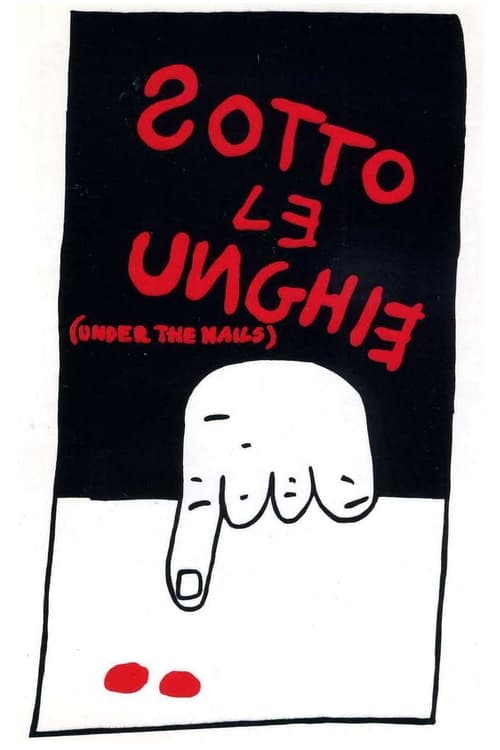
One morning a man wakes up in his bedroom and begins to work on his computer. An attack of itchiness prevents him from concentrating on his work.
Under the Nails
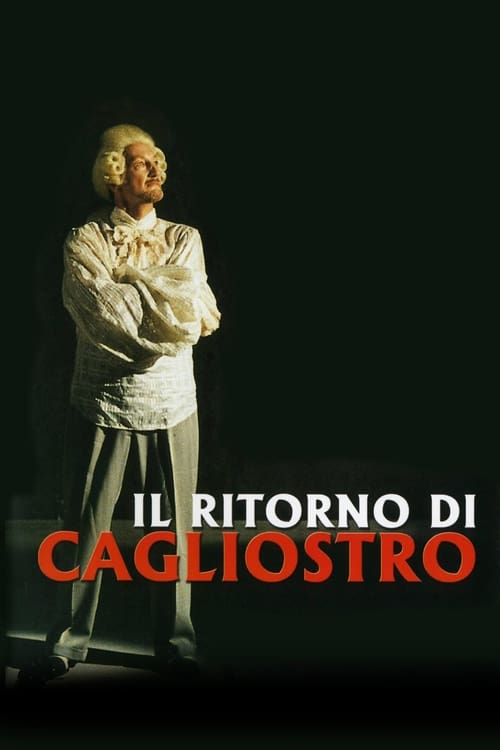
In the Sicily of the late 1940s, two brother sculptors, tired of selling madonnas to the local churches, finally realize their dream, and set up a Sicilian production company, thanks to the help of a local bishop. They start producing one box-office failure Z-movie after the other, all with terribly bad local non-pros as actors. Covered in debts, they finally have their great chance, when a local nobleman obsessed by magic decides to invest all his wealth in the making of a movie about Cagliostro, just one year after Orson Welles' Black Magic (1949). They hire a famous American actor (Robert Englund) and start shooting "The Return of Cagliostro".