Acting
No description available.
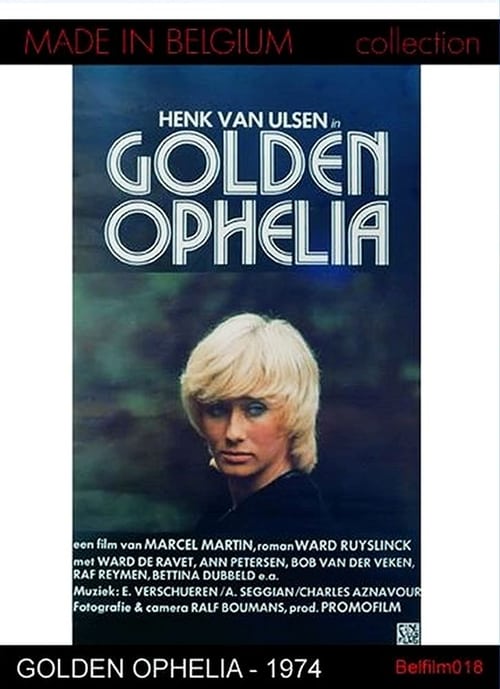
In a surreal, bureaucratically rigid society where ending one’s own life requires an official government permit, depressed florist Stefan Pielek makes the mistake of attempting suicide without the proper paperwork. Under police supervision, he submissively files his official application and closes his shop while waiting for the approval. However, during his aimless wanderings through the city, he meets a young woman who calls herself Ophelia. After falling deeply in love and rediscovering the joy of living, Stefan receives the ultimate bureaucratical blow: his suicide permit is approved, meaning that by law, he no longer exists.
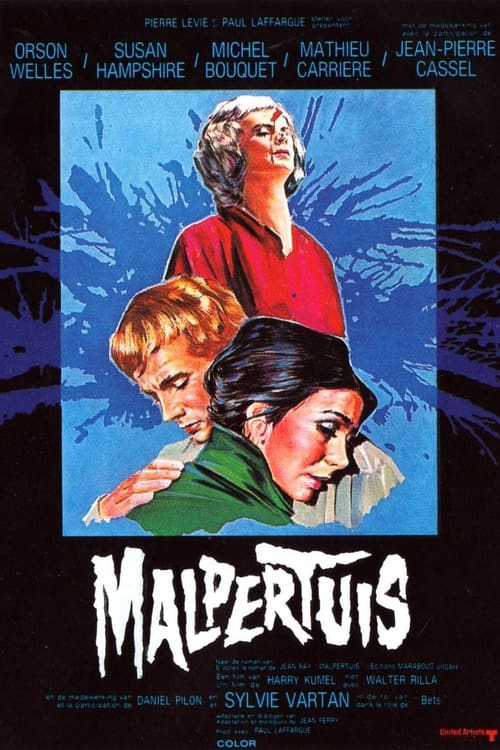
A young sailor finds himself trapped in the labyrinthine mansion of his occultist uncle, along with a number of eccentric and mysterious relatives who all seem to be harboring a dark secret.
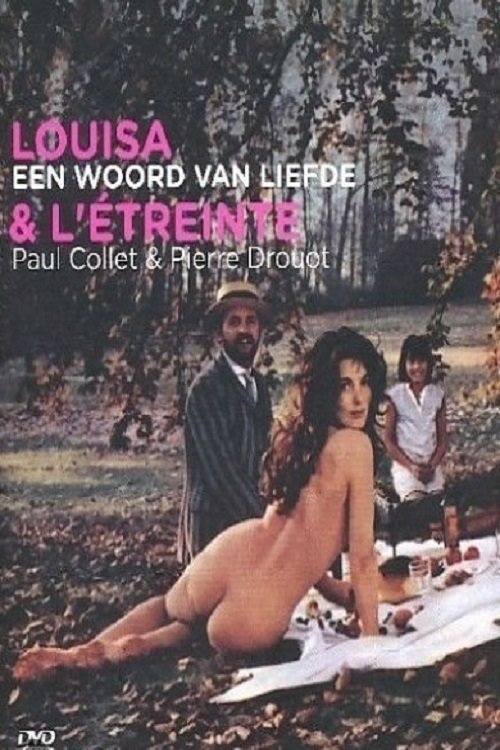
The young Isabelle escapes from the orphanage and she adopted by two chaps on a caravan. They then meet by chance the posh family of Louise- who runs away with the three adventurers when confronted with the reality of having to marry a Belgian with a large moustache and a bald head. They find a dog. Later Louisa degenerates into a minor moment of sexual hedonism and multiplexing with the two chaps before they are all overwhelmed by the Armageddon that was WWI.
Following a stint as a WWII fighter pilot, Belgian-born Edouard falls in love with an Indonesian woman, has a daughter with her and immigrates to Australia, all without the knowledge of his family back home. Years later, his love has passed away, and he's raising his daughter on his own. When his brother calls seeking help with his failing wool-processing company, Edouard agrees to temporarily return home to aid him.
A bitter, miserable man runs a chaotic secondhand store, mistreating both his assistant and his customers. One day, a young brother and sister enter his shop, hoping to sell a cherished golden watch. Their arrival disrupts the owner's stingy routines, plunging the children into a surreal, unpredictable world managed by eccentric adults. Frans Buyens’ mid-length feature is a whimsical, satirical fable exploring the clash between childhood innocence and adult greed.
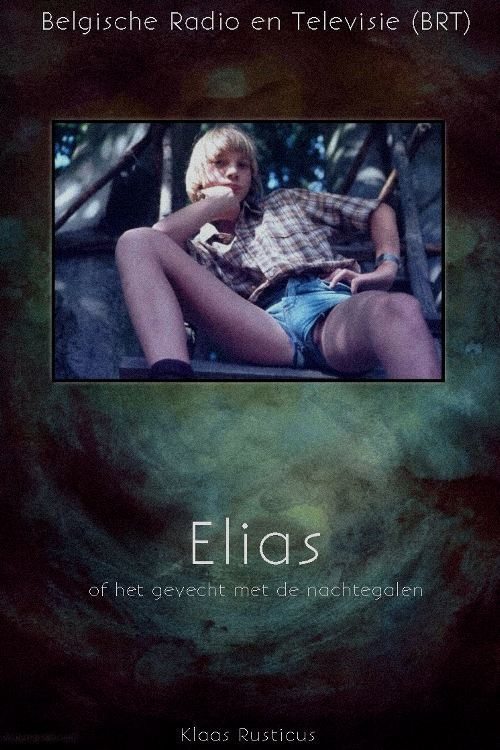
Set on the eve of World War I, this poetic coming-of-age drama follows Elias, a sensitive twelve-year-old dreamer living on an isolated country estate. Raised by an eccentric, overprotective family detached from reality, Elias finds refuge in nature and his vivid imagination to escape his internal struggles. His fragile childhood bubble is shattered when he learns he will soon be sent away to a strict boarding school. During his final summer at home, Elias experiences a bittersweet emotional awakening shaped by three relatives: his older cousin and close companion Aloysius, his young cousin Hermine, who harbors a subtle infatuation for him, and his beautiful, melancholic Aunt Henriette, who serves as a dramatic muse. Based on Maurice Gilliams’ modernist classic, the film is a nostalgic, melancholic portrait of a boy forced to leave his idyllic fantasies behind and face the adult world.
This psychological drama begins after a young woman has committed suicide. Her husband, a cynical pawnbroker, sits desperately by her body. Through a feverish internal monologue and flashbacks, he attempts to reconstruct the events. He tries to justify his own behavior and subtly shifts the blame for the tragedy onto her, while the viewer unravels the destructive dynamics of their marriage.
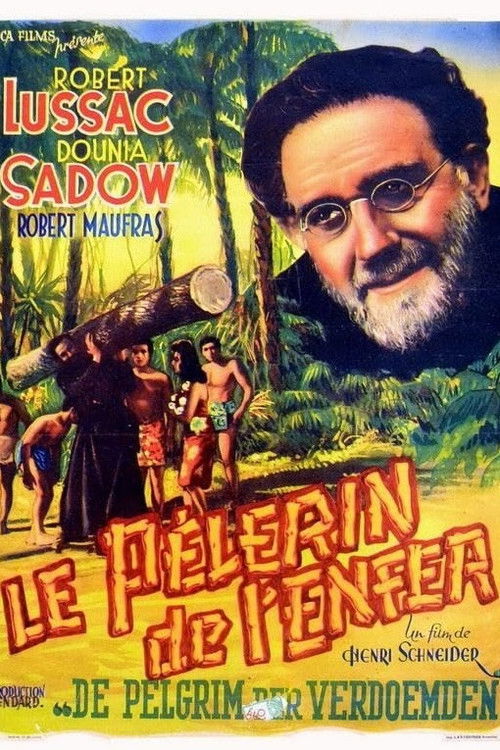
Biopic about Father Damian and his life and work on the island of Molokai.
This historical costume drama is a mini-series on the life of Flemish first-rate Baroque painter Pieter Pauwel Rubens (1577-1640), whose artistic success throughout Europe not only made him a fortune allowing him to stock his Antwerp residence ('Rubenshuis' in Dutch) and a castle at Elewijt, in the countryside nearer Brussels, with numerous fashionable treasures, but also became an ennobled diplomat for the Spanish Hapsburg rulers of the Southern Low Countries (now Belgium), who often traveled, for painting commissions and/or diplomatic missions, to and worked in Italy, France, Spain, all Catholic powers, as well as protestant England and the United Provinces (mainly Holland), also allowing him to meet other prominent contemporaries such as artists. It further covers his marriages to Isabella Brandt and Hélène Fourment.
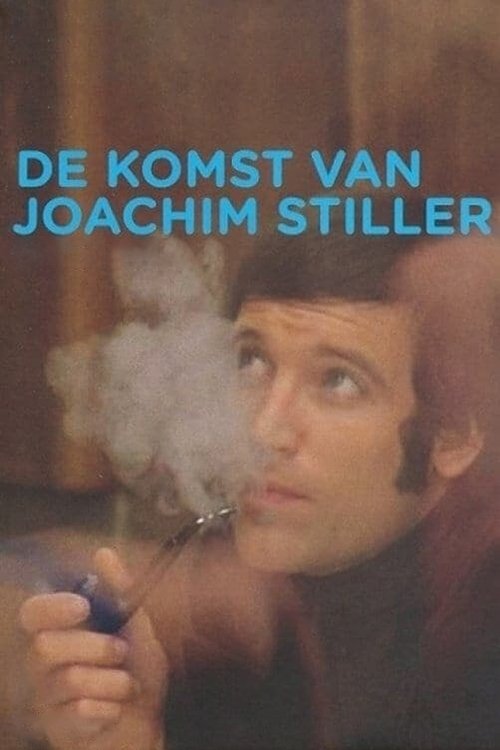
An Antwerp journalist finds his daily life increasingly disrupted by unexplained phenomena, such as an authentic letter from 1919 that refers to an event taking place at a much later date. Because these disturbances are consistently linked to the name “Joachim Stiller,” the journalist becomes obsessed with it. The resolution, which is closely tied to his traumatic experiences from the Second World War, takes place with a psychiatrist—and later at an abandoned railway station in an Antwerp suburb. Interwoven with this is a subplot about an Antwerp art dealer who believes he can become rich through a new form of painting. To achieve this, he takes a mentally disabled artist hostage. The narrative also follows various romantic entanglements involving the journalist, which ultimately lead to his happy experience of fatherhood.
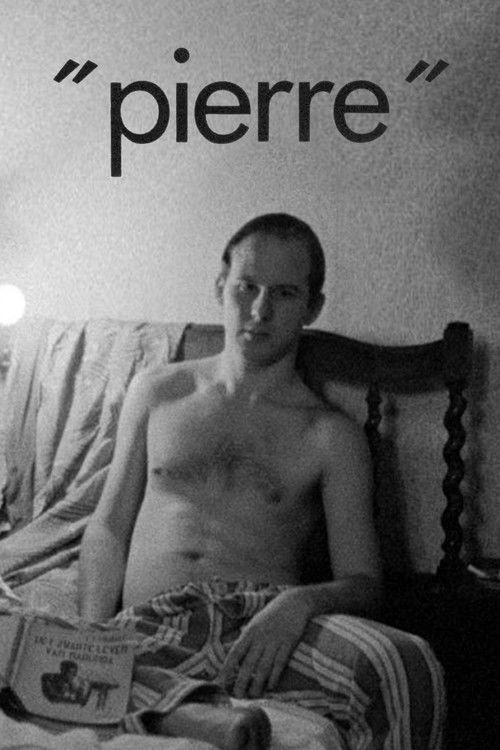
Pierre lives with his mother in an antiquated house in a run-down working-class area. Every morning, Pierre takes the tram to his job at the town hall, where he listens to his colleagues' jokes over the lunch break. His only hope of banishing his boredom and frustration is a girl from the gymnastics club. One evening, when his mother is out of the house, he decides to invite her into his home [Avila].
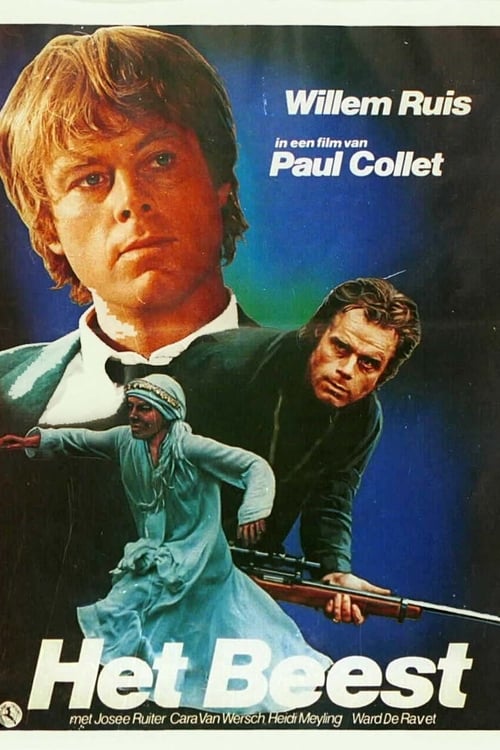
When he finds out that his company has expropriated his own mother, a successful young manager gets deeply upset. Money and power now have a different meaning. He needs to struggle against his own self and stake everything in order to reorganize true values in his life. His career is at stake. When his mother dies in the pension she's been put, his point of limit is reached. He feels responsible and takes revenge through terrorist actions. The beast explodes.
Billy, a 20-year-old working-class youth, returns from military service hoping to build an independent life. Instead, he clashes with his father over his future and reluctantly takes a job in construction. After his friend Mike, a migrant worker, dies in an accident caused by the contractor’s greed, Billy lashes out in anger and loses his job. At the same time, his relationship with his girlfriend Mieke begins to fall apart when she is suspended from her teaching position.
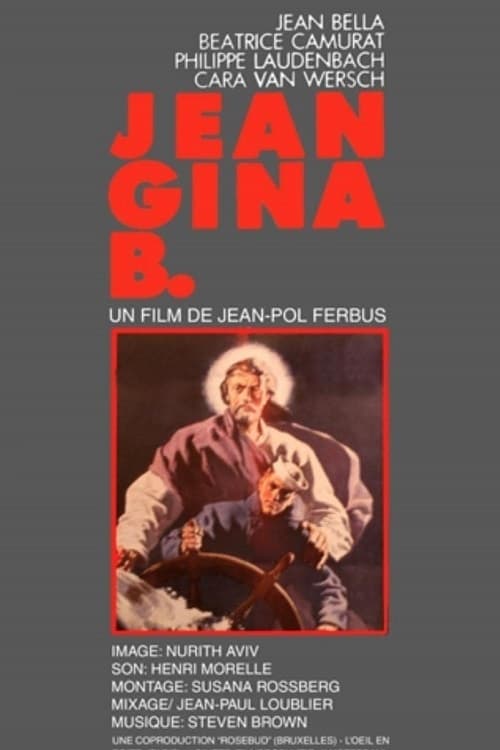
This film is based on the true story of Jean Bella, who served as an officer in the Belgian Marine while being convinced, from an early age, that he was in fact a woman. Director Jean-Pol Ferbus follows Jean Bella and makes him talk about his life, psychological and spiritual experiences and reveals the true poet who remained undisclosed for most of this person's life. The film ultimately isn't about transexuality but about loneliness one can experience when he/she feels very deeply that she/he belongs to the two sexes and this in a deep, almost religious, fashion, to such an extent that sexuality itself is being erased from one's life. Jean-Gina Bella is a woman in the body of a man who bravely lived a life on the sea, eventually fighting the elements, talking to God when lost on the immense solitary ocean. This testimony is a very touching and poetic one.
The story of Lieve, a young orphan who lives with her aunt in a house for elderly people. When she finds a wounded pigeon, she integrates it in her world of fantasies and is persuaded that the pigeon is Jesus.
Jan Decorte's second feature film is an adaptation of the play Hedda Gabler by Norwegian playwright Henrik Ibsen. Decorte moved the locus of action of Ibsen's realistic play from 1890 to 1950, twenty-eight years earlier than when the film was shot. The story begins when Hedda returns home from an overly long honeymoon with her newly wed but colourless husband Tesman. She is pregnant and will be courted by the writer Eljert Lövbor, an old lover who is about to break through with an exceptional novel of autobiographical quality [Avila].