Production
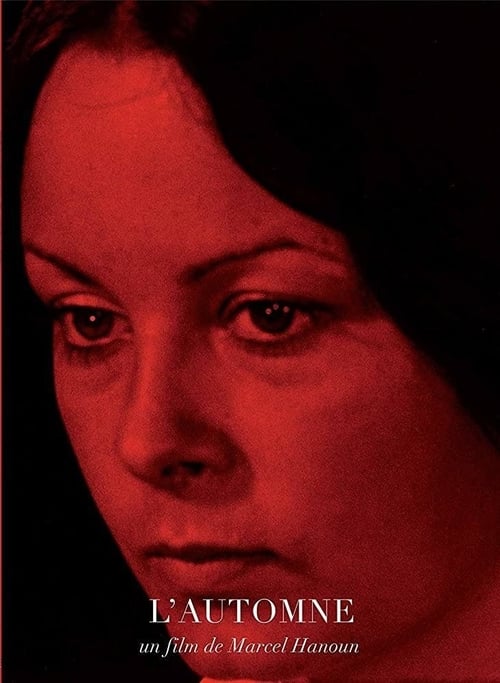
A castle lost in the middle of the woods. A train track cutting through the countryside. No train ever stops at the tiny station that serves the castle. A young woman, with paralysed legs, spends her time watching out for the train's passing. One day, the train stops and a young man gets out. He seems to know the place. What did he come to do ?
André, a wanderer, gets picked up by the guardians of an old castle. They ask him to be the new guardian but keep feeding him a mysterious porridge and a strange wound appears on his neck...
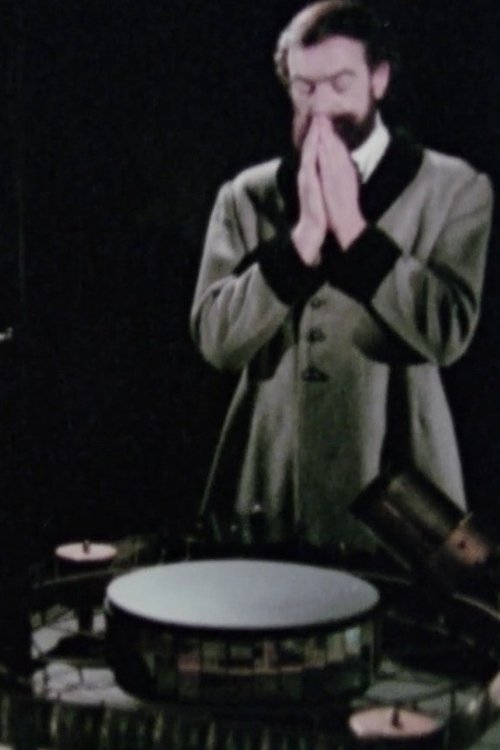
The 8th short film as part of the Magica series dealing with pre-cinema. Fictionalised documentary about Emile Reynau who invented the praxinoscope and its system of central mirrors. He then projects his paper strips into the projection praxinoscope before creating the Théâtre Optique, presented at the Musée Grévin. The perforated strips are fragile and often break. The show is cancelled. Reynaud tries to apply photography to his praxinoscope, but without success. Desperate and ruined, he throws his strips into the Seine. Only two survived.
Doctor Hortobagy is a lonely, used old man, haunted by his memories... The German occupation, the Jews, a denunciation... He feels tracked, but is he really? A night where dream and reality, past and present, will merge, events are unfolding quickly.
French short adaptation of Herman Melville's classic. The employee of a lawyer is in a mental hospital following a scandal. Some time later, he finds his employer.
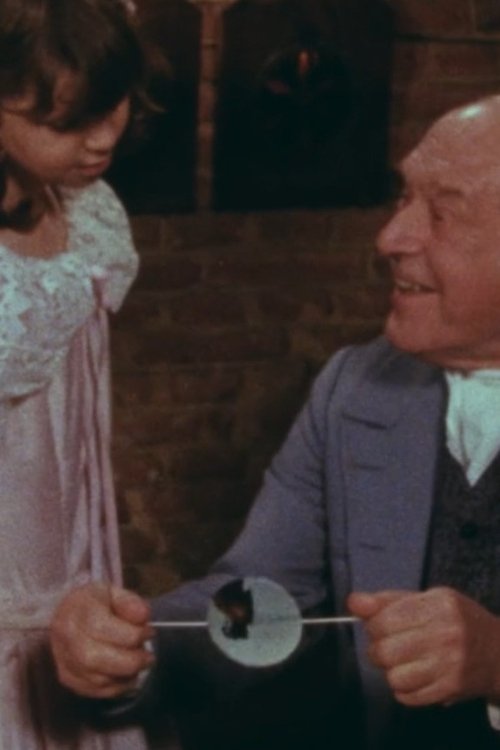
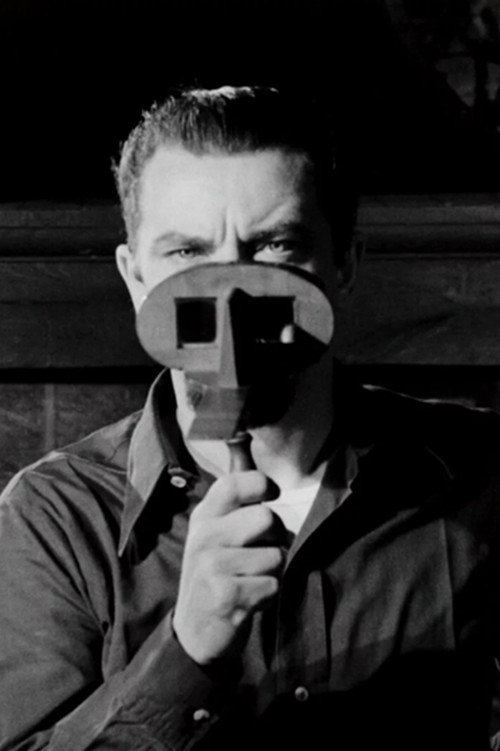
The 16th short film as part of the Magica series dealing with pre-cinema. Mr Seymour, the hero of the book by London doctor Mr Paris, shows his invention – the thaumatrope – to a little girl and explains how it works. The superimposition of the images is not perfect, so he invents the use of elastic instead of the usual string. Only by recording the two successive images of the thaumatrope on a title bench can they be viewed perfectly. Numerous examples are shown.
Julien, a movie director, is on the phase of editing his new film, "Juliette sacrifiée". Hurried by his producer, he asks for the help of a professional editor. It is Anne, with whom Julien is soon falling in love. During the whole of the movie, both are sitting in front of the editing table, where they listen to music, talk about politics and what movies should and should not be about.
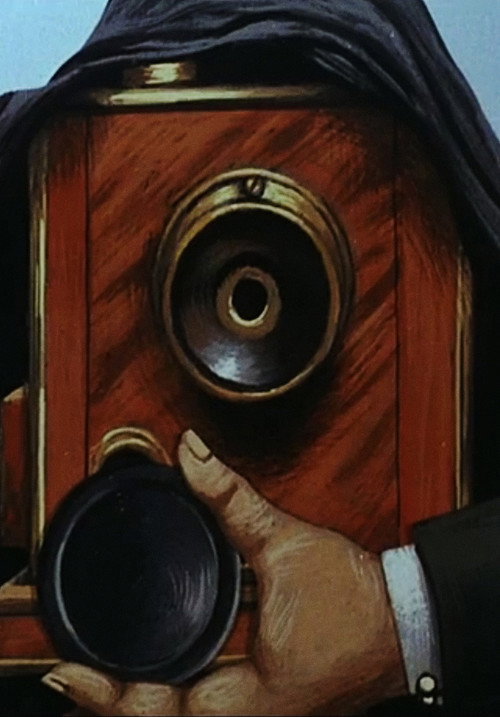
In 1840 it took 5'30" to make a photograph.
A film adaptation of 'Stochhaus ou la maison des cigognes' by Jean Ray, in which some are captivated by the enigma, while others are drawn to the treasures of a mysterious house.
Paul Géniat, television director, is brought to tear multiple photographs. The one of a boxer who, at the exact same time, collapses on the ring, dead. The one of his ex-wife next, who lives in Congo and soon knows a tragic end. When Paul Géniat learns of these curious coincidences, he is convinced that he is responsible for these deaths. At that moment, he realises that he just tore one last photography, the one of the woman he loves.
The 15th short film as part of the Magica series dealing with pre-cinema. A magic lantern slide show.
No description available.
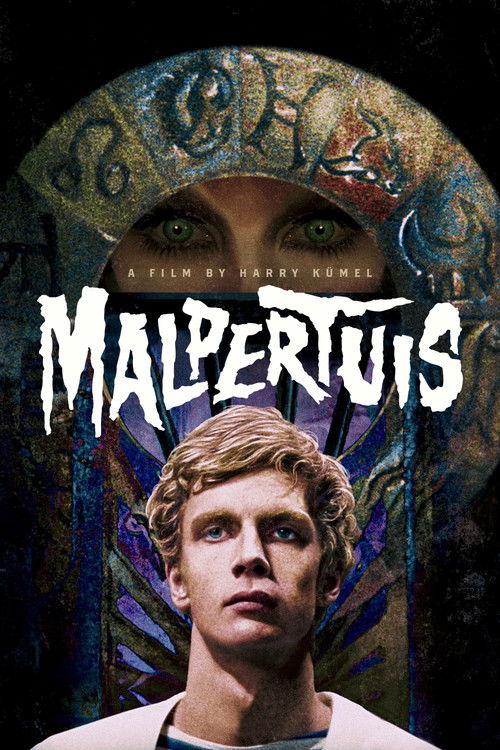
A young sailor finds himself trapped in the labyrinthine mansion of his occultist uncle, along with a number of eccentric and mysterious relatives who all seem to be harboring a dark secret.
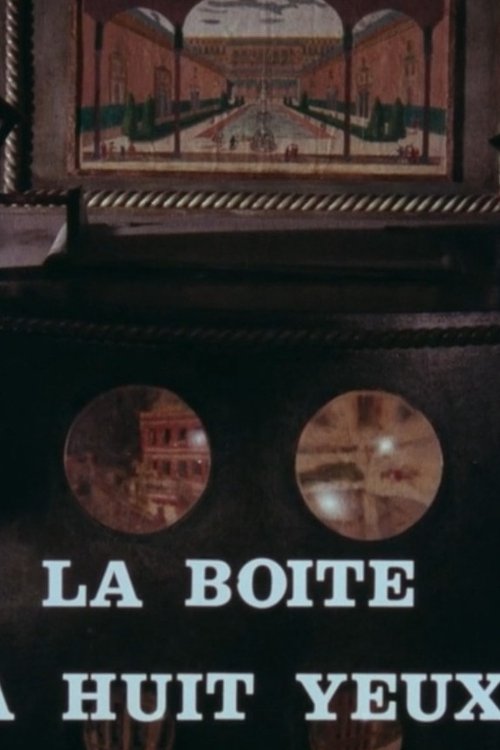
The 2nd short film as part of the Magica series dealing with pre-cinema. In the 18th and 19th centuries, optical views were shown in optical boxes with magnifying lenses. The showmen organised a real spectacle, with a barker, music and sound effects. The views played with light (transparencies, perforations). A series of engravings shows the public's enthusiasm for these shows. The second part of the film is a reconstruction of such a show. First, there are views of Paris, Venice, Constantinople and Versailles, followed by various disasters: plague, floods, fires and shipwrecks.
Basu calls his psychiatrist to tell him a singular adventure. In a ruined abbey, he witnesses an unusual wedding in the presence of a tribunal. He runs away with the young bride. After a fleeting happiness, he returns alone. He thinks he dreamt of this, but there is a memory left.
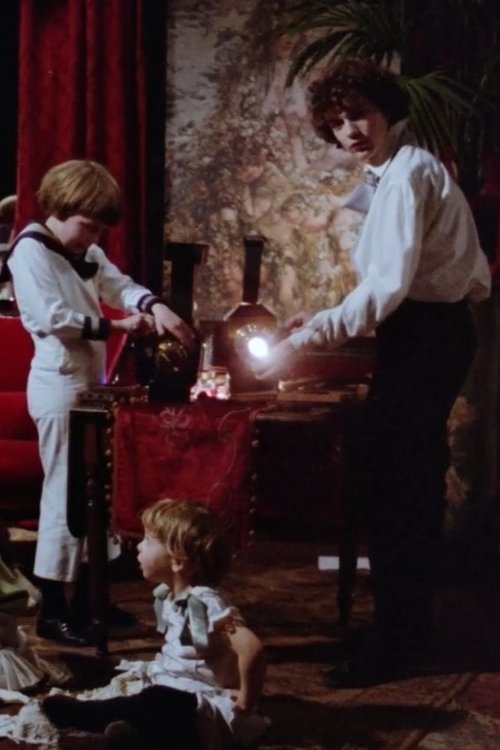
The 6th short film as part of the Magica series dealing with pre-cinema. Featuring demonstrations of magic lanterns by children.
The 9th short film as part of the Magica series dealing with pre-cinema. A ‘panorama’ was a large painting on a cylindrical canvas. It provided a realistic and compelling view of a city, landscape or historical event, giving viewers the feeling that they were part of it. Viewers were positioned in the centre of a circular building or tent, with the canvas stretched around them. This provided a 360-degree view that gave a sense of depth and immersion.
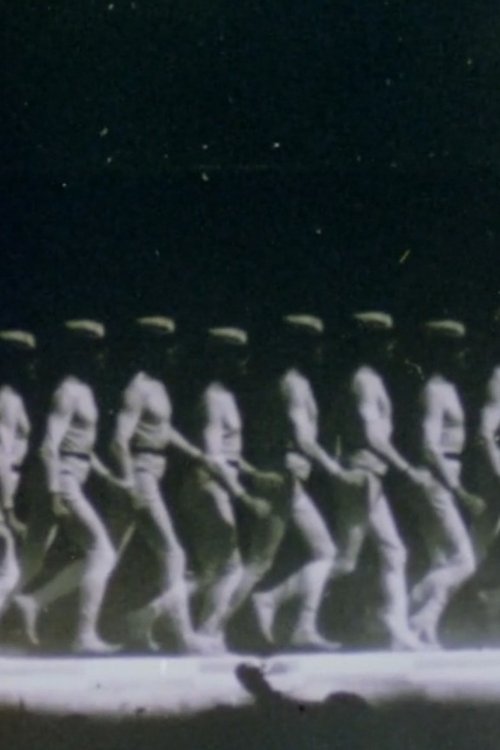
The 11th short film as part of the Magica series dealing with pre-cinema. Documentary on the work of Etienne-Jules Marey. Marey is a doctor and is interested in movement. He first captures it graphically (the pulse of a man, the stride of a horse, the beating of a bird's wings).