Directing
No description available.
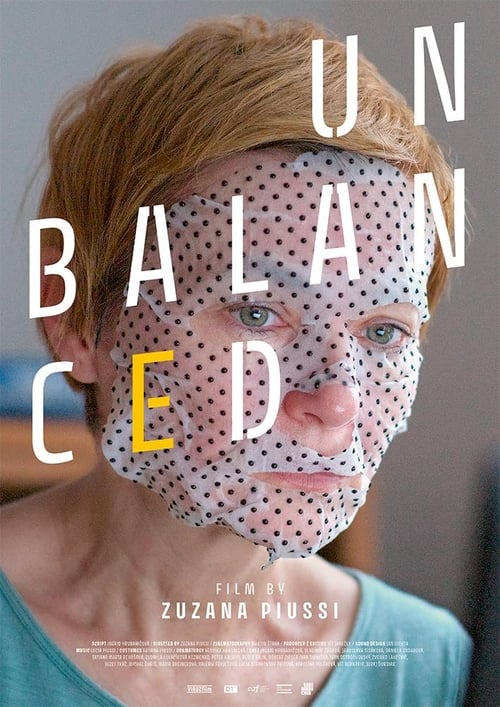
After a painful divorce, 50-year-old Nadia finally finds a good flat for reasonable price for her and her daughter. Too good to be true, and soon, albeit too late, she comes to understand the reason for the bargain. Her close neighbour in the house is mentally ill Valika who terrorises everyone around her. Piussi’s film creates a string of absurd encounters with increasingly menacing effects, but it is – at its core – a fantastically precise film about humanism, its consequences, its possible limits.
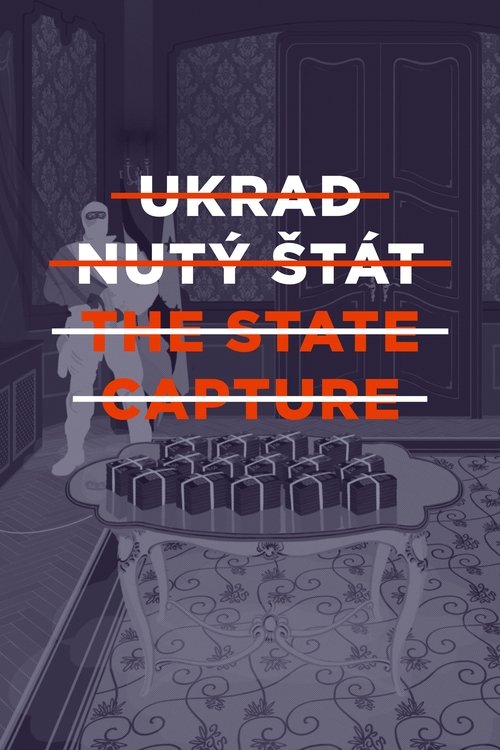
The film gives a complex insight into the gap in political reality of Slovakia - one of the EU countries - which became visible after an investigative journalists Ján Kuciak and his fiancée has been brutally murdered at their home. Following mass demonstrations led to substantial changes in the country's government, but the film doesn't follow history, but much more the universal processes behind the curtain. Journalists, (ex?)-officers of secret services, lawyers and analysts helps to reveal detective story in search of whom ordered to murder a journalist and an innocent girl. But main concern of the film is to reflect mechanisms of oligarchy and mafias (including the Italian) to blackmail key players of the system, to influence public perception and to penetrate police, judiciary and the government in their efforts to rule the country in the ways leading to their profits.
Slovak director Marek Kuboš has not shot a film in 13 years. His first film ever – a student exercise at film school – was a self-portrait. The circle is closed, the source of creativity has seemingly dried up. All that is left to do in the last self-portrait is to clean up after oneself, to recapitulate one’s successes and failures, and to bid farewell to one’s protagonists. This introspective meta-documentary is not so much a study of a creative crisis as it is a self-therapeutic process and an attempt at offering a comprehensive profile of the filmmaker at a time of unstable certainties. Appearing in the role of Kuboš’s consultants are essentially all leading Slovak documentary filmmakers.
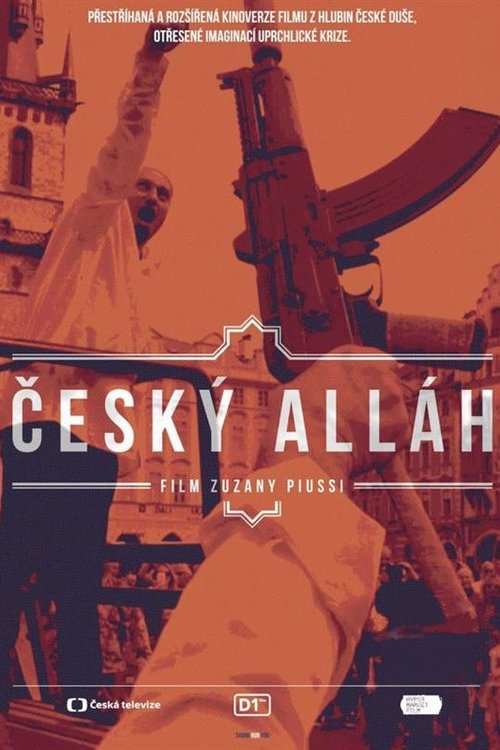
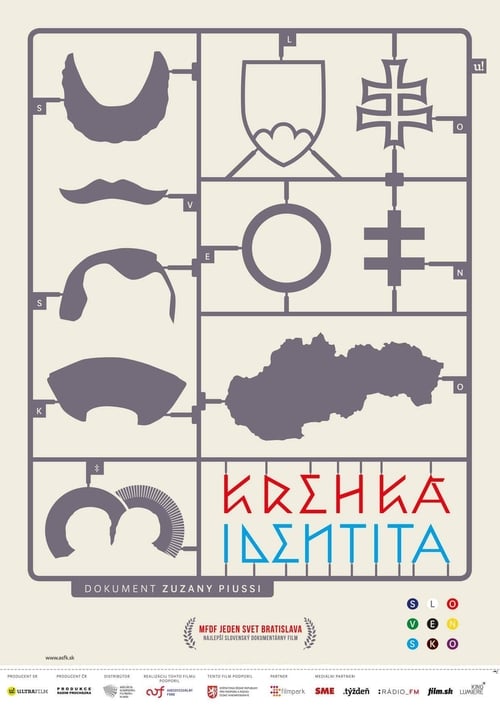
Slovak director Zuzana Piussi examines her fellow countrymen’s current notions of nationality. She expresses her concern that Slovak national sentiment is rather fragile and liable to political misuse. The protagonists often reject the leading Czech figures of Czechoslovak history and prefer to look for their roots in the common “pre-national“ past of Great Moravia. Although many of the stories are rather tragicomic, the turbulent developments in the EU have shown that the search for one’s own identity is a sensitive matter not only in Slovakia.
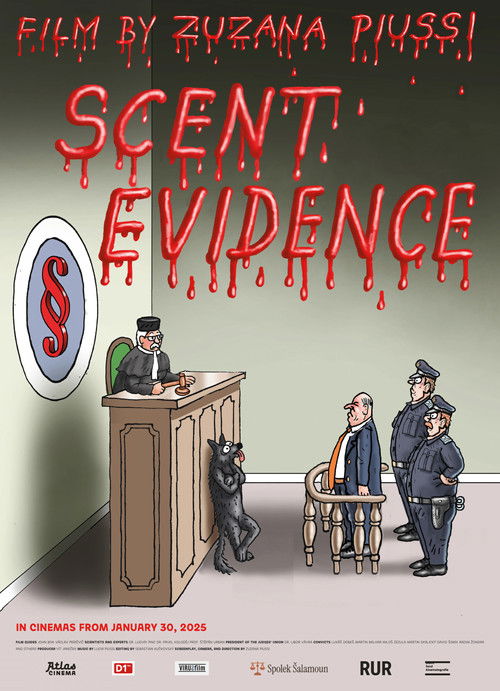
The scent trail as an evidentiary method in criminal proceedings was invented in the USSR and subsequently developed by the East German secret police and widely used against opponents of the regime. Since the 1980s, it has become a common part of police and judicial practice, even in the post-communist Czech Republic. Zuzana Piussi's latest film continues the director's investigative work dealing with the problematic construction of reality and dead ends in Central European justice. It follows the fate of people who seek retrials of unfair court proceedings and, in the wake of this, asks whether the method of proving the presence of a person at a crime scene based on the scent detected by a dog is really impartial or how it is possible that a scent trail is often sufficient as the only evidence to convict suspects, even though it is questioned by scientists.
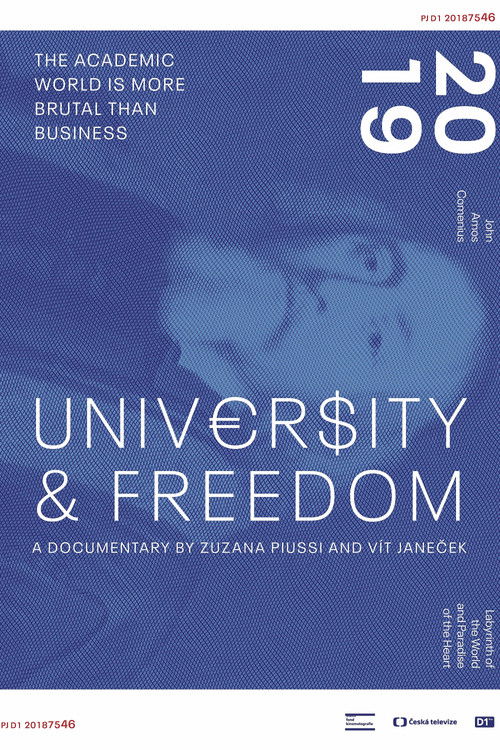
Our era is marked by the transformation of social institutions, with universities central to Euro-American civilisation’s development. Despite past persecution, universities have become bastions of free thought and knowledge, crucial to democratic culture. However, commercialisation and massification have introduced challenges affecting teaching, research, self-governance, and the system overall. How do universities maintain academic freedoms, and what are the consequences of their failure? Can we identify and address these challenges?
Crying of Angels is the first documentary film about the gay community in the history of Slovak cinema. The collage of stories from the lives of the protagonists does not attempt to objectively portray this minority in post-communist society, but is an author's testimony about the existence of a people in conflict with social norms and with themselves.
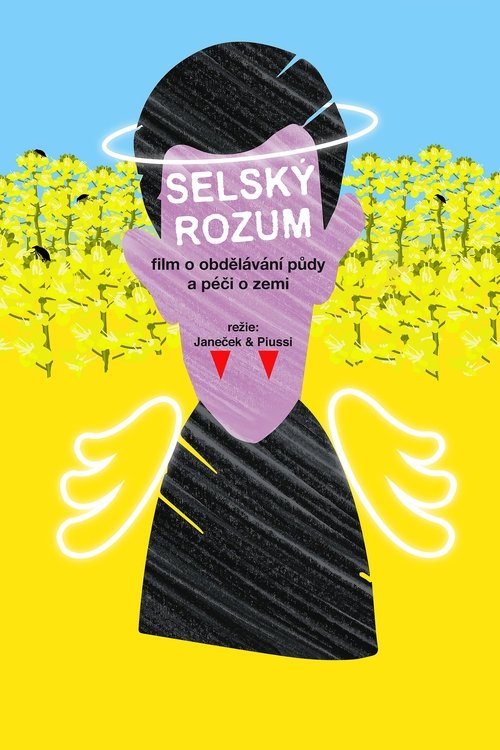
The forest is cultivated with a saw. At least that’s still what forestry schools teach. But what does a healthy forest actually need? Foresters and hunters see the forest as an agricultural commodity and nature as something that must be constantly regulated and managed. On the other side stand conservationists – advocates of non-intervention, who believe the forest can take care of itself without us. Where does private ownership stand in this conflict? And is a human’s right to use natural resources in their surroundings superior to the bear’s right to do the same? Slovak forests have become a battleground – but also a proxy issue of a social conflict that runs much deeper than it first appears.
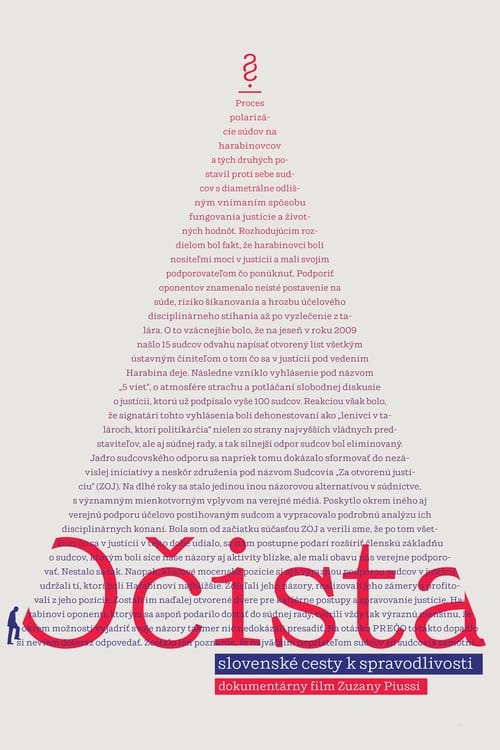
In the past ten years, the Slovak citizens’ trust in justice has fallen sharply. Thanks to the access to Threema messages of Marian Kočner, a businessman under investigation in relation to the murder of the journalist Ján Kuciak and his fiancée Martina Kušnírová, a vast corruption network within state administration and the justice system has been revealed. Disintegrating the merciless machinery including corrupt judges, rich and influential businessmen, mafia, politicians, and innocent citizens alike, is all but an easy task. Reflecting on the long-term crisis of the Slovak justice system, Zuzana Piussi’s investigative documentary asks whether the justice system with its many failures can ever be corrected.
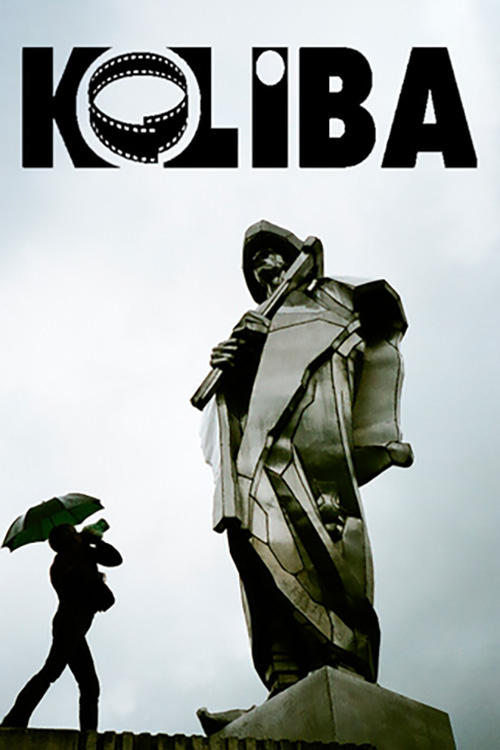
Zuzana Piussi, the director, in the main role of a documentary crime story about the fate of Slovak cinema. Walking up the hill over Bratislava, which used to house the Slovak National Film Studios – Koliba, she reveals fragments of the controversial truth, absurd half-truths and well-kept secrets and lies about the breakdown of and fraud made on the “family silver”, Slovak cinema. It is the first attempt to explore the problem that, for years, has not been resolved in the Slovak cultural environment.
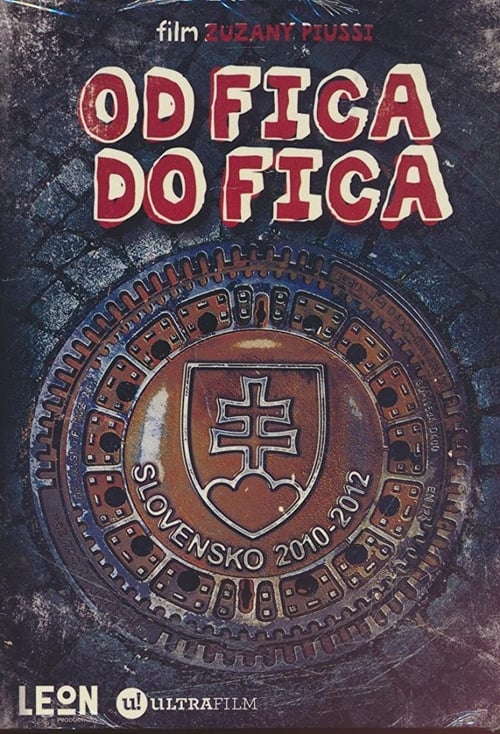
2010 - 2012 in Slovakia. Documentary describing period between 1st and 2nd government of Robert Fico, so calles Gorila case and wasted potential for political change.
Dogs, incredible companions, can be trained to possess abilities such as illness detection, seizure alerts, and even scent identification for crime-solving. In the Czech Republic, scent evidence, collected using absorbent materials, is pivotal in convictions. Unlike some countries where it's supplementary, here it's often the sole proof, lacking collaboration with scientists and leading to significant consequences – scent evidence often becomes the crucial or even sole piece of evidence leading to the conviction of the accused, carrying catastrophic consequences…
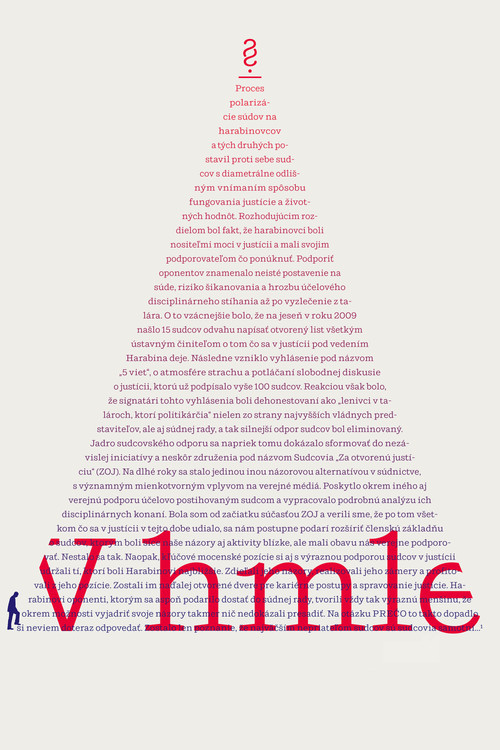
Freezing insight into the bowels of the "black holes" of the Slovak justice. Political document about power and state of justice in Slovakia.