Yevgeni Goryunov
Acting
Known For
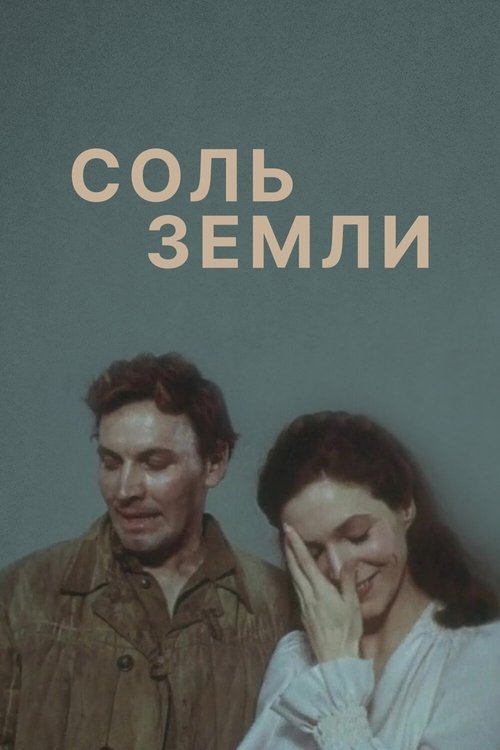
The film follows the fate of the Strogov peasant family. The story takes place in Western Siberia in the late 1940s.
The Salt of the Earth
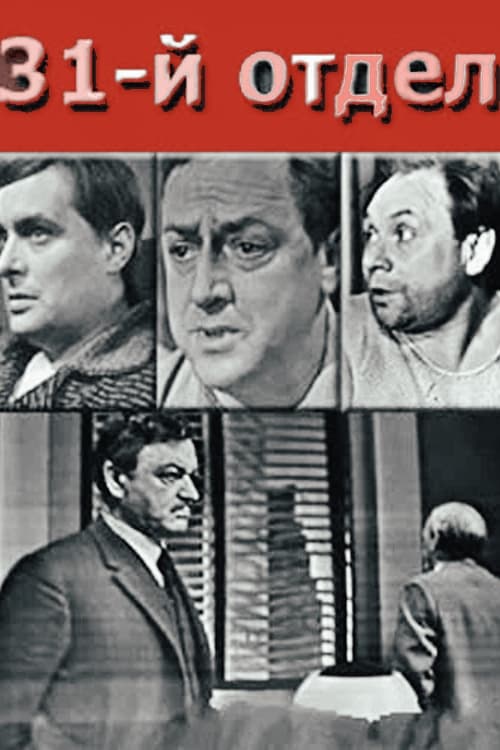
The Commissioner of Police has been tasked with conducting an investigation into the threat of a terrorist attack in the building of the press concern. During the investigation, he learns about the existence of the 31st department, created by the management of the concern with the aim of eliminating the opposition press.
31st Dept.
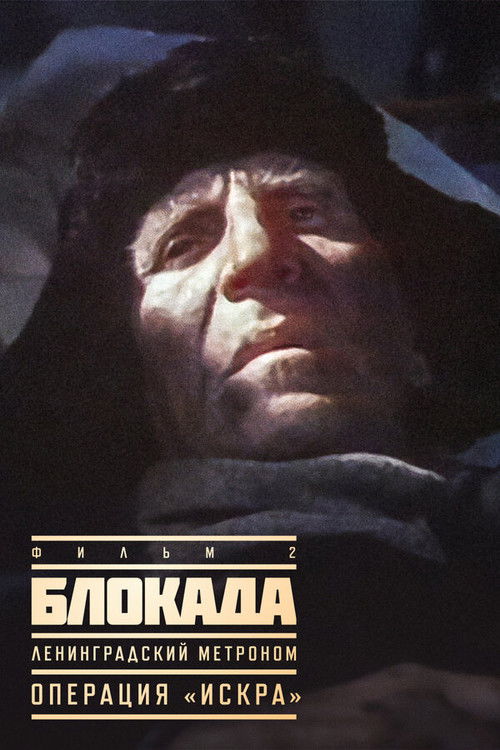
"Iskra" is the codename for the plan of the operation of the Soviet troops to break the blockade of Leningrad. In January 1943, the blockade of Leningrad was broken. A corridor 8-11 km wide was formed between Lake Ladoga and the front line.
The Siege: Operation "Iskra"
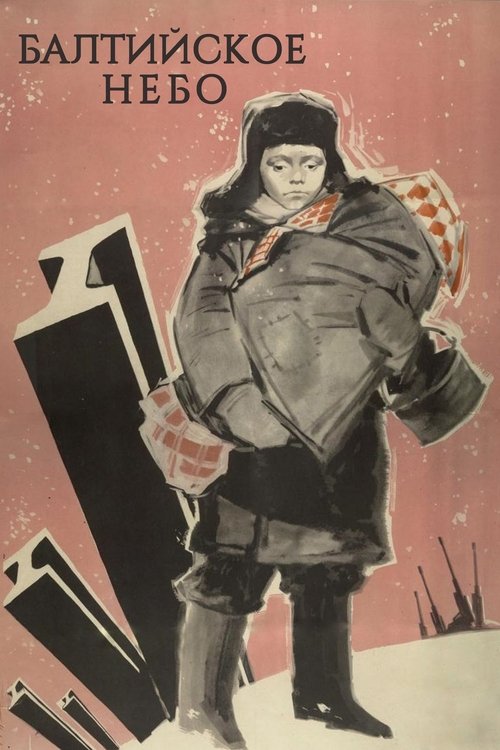
The end of August 1941. At night, a truck rushes along the last road not yet occupied by the enemy to Leningrad. In the back of two — civil aviation pilot Lunin and commissar of the air division Uvarov. Lunin, a man no longer young, experienced, but had not yet been in battle, was sent to the legendary squadron of fighter pilots under the command of Captain Rassokhin. This squadron fought from the first day of the war and has already lost most of its composition.
Baltic Skies
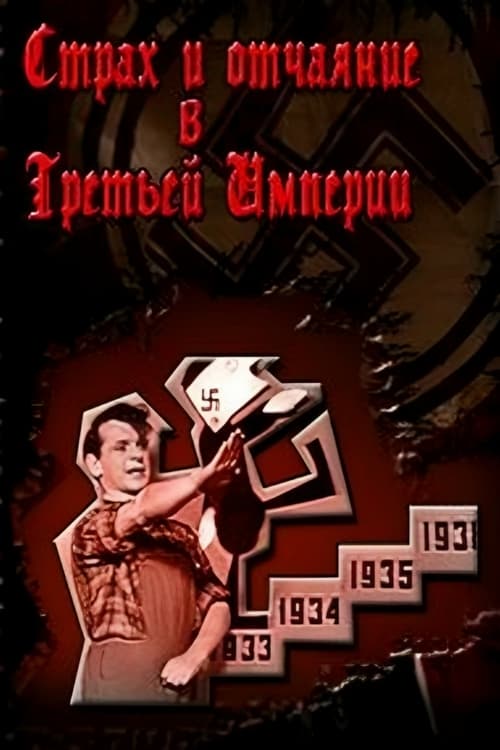
Chronicle dramatic scenes of Germany under the rule of fascism.
Fear and Despair in the Third Empire

Two young directors adapted the short stories of two Russian authors whose works had been banned for decades, and so their film ended up in the censor’s vault as well – for twenty years. Both tales look back to the post-revolutionary era: 'Angel' (Olesha) speaks tragically of the brutality and destruction of the time, and 'The Homeland of Electricity' (Platonov) captures its haunting grotesquery.
Beginning of an Unknown Era
A story about the tragic events in the life of besieged Leningrad from September 1941 to January 1943.
The Siege: Leningrad Metronome
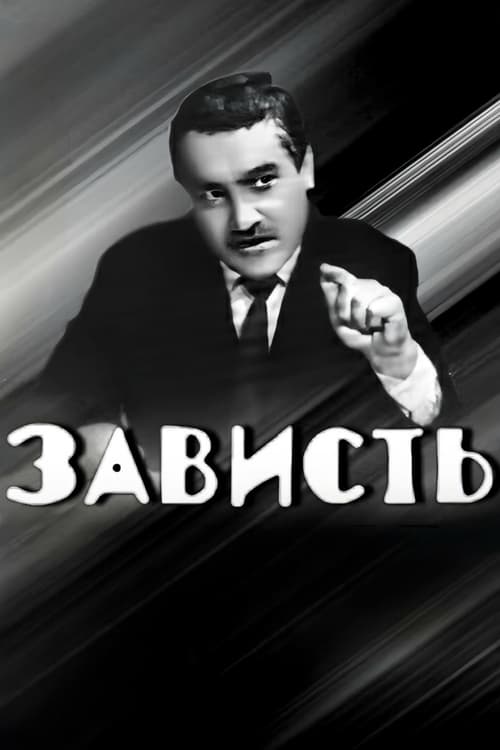
Performance based on the novel of the same name by Yuri Olesha with the participation of actors from the Leningrad Bolshoi Drama Theater of M. Gorky.
Envy

A performance by the Leningrad Bolshoi Drama Theater named after M. Gorky.
Lyubov Yarovaya
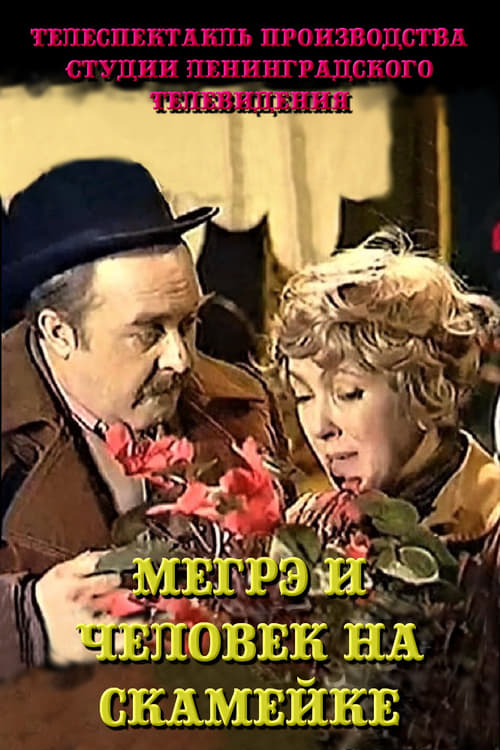
No description available.
Maigret and the Man on the Bench
A satirical account of the rise and fall of Louis Napoleon Bonaparte.
Prince Napoleon

The teleplay was based on V. Mayakovsky’s poems “You!”, “Listen!”, “Conversation with Comrade Lenin” and other works of the poet.
You!

The Homeland of Electricity, Larisa Shepitko's adaptation of an Andrei Platonov story, was one of three short films collected in an omnibus work (Beginning of an Unknown Era) commissioned to honor the 50th Anniversary of the October Revolution. Censors eventually shelved the film and it would not see the light of day until well after Shepitko's death, during Mikhail Gorbachev's perestroika.
The Homeland of Electricity
No description available.