FEEL IT.STREAM
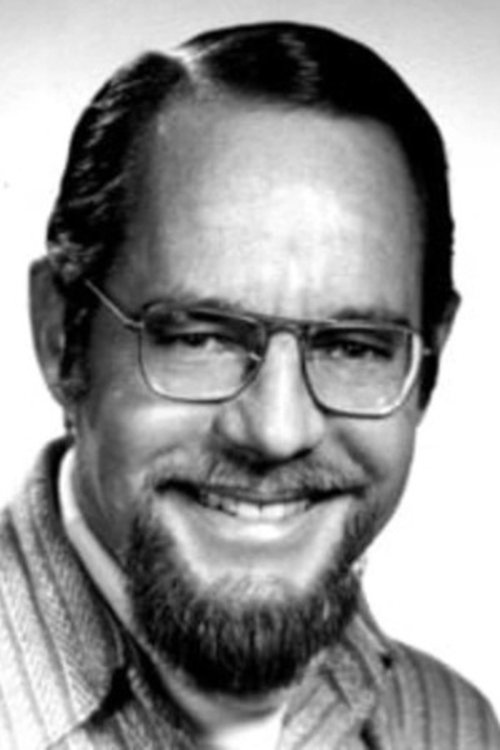
Don Haldane

Don Haldane

Directing

Biography

Don Haldane, born on December 3, 1914, in Edmonton, Alberta, Canada, was a director and writer recognized for works such as "Child Guidance Clinic" (1955), "The Reincarnate" (1971), and "Ritter's Cove" (1980). He was married to Monica and passed away on September 21, 2008, in Toronto, Ontario, Canada.


Known For

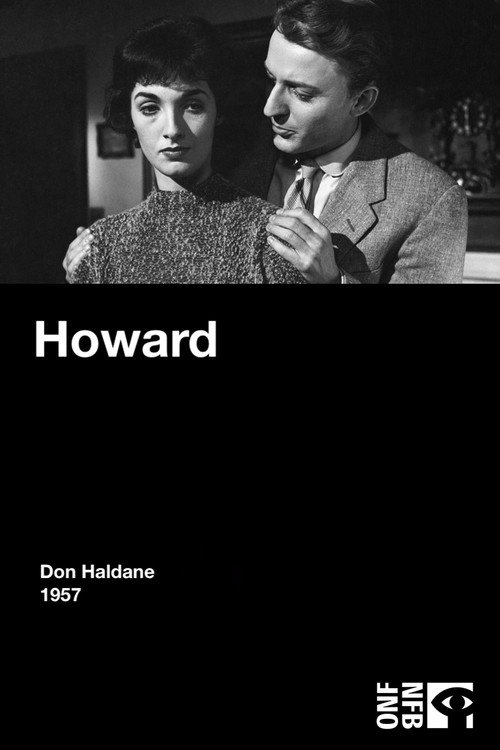
Howard
8.0

Howard Mitchell is a responsible young man who will soon be graduating from high school. He works at Resnick's Pharmacy to be able to earn enough money to put himself through college. But in part because of the life lessons he learns from Mr. Resnick through Mr. Resnick's somewhat cynical observations of the customers that come into the pharmacy, Howard is intrigued by an offer from George, his best friend, to tour Canada following their graduation instead of going directly into a post-secondary institution. This trip would not be a vacation, but rather an opportunity to see what life has to offer by meeting people from different parts of the country, while they work odd jobs along the way. This idea goes against the sensibilities of Howard's parents and Howard's girlfriend, Mary, who see this trip as just another impetuously stupid idea by flaky George. Howard has to try and reconcile all these competing forces in his life. —Huggo

Howard

1957Movie
No image

This film serves as a sobering cautionary tale regarding workplace safety, emphasizing that industrial accidents are rarely the result of equipment failure alone, but rather the consequence of human thoughtlessness and lapses in concentration. Through graphic testimonials and interviews with victims who have suffered life-altering injuries—including amputations and permanent disability—the film illustrates the long-term physical, emotional, and economic devastation that follows a split-second mistake. While highlighting the importance of personal protective equipment and rigorous safety protocols, the narrative ultimately argues that machinery is only as safe as the person operating it. It concludes with a powerful appeal to workers to remain perpetually vigilant, asserting that the only defense against the inherent dangers of the workplace is a constant, proactive commitment to safety-conscious thinking.

Don't Take Chances

1964Movie