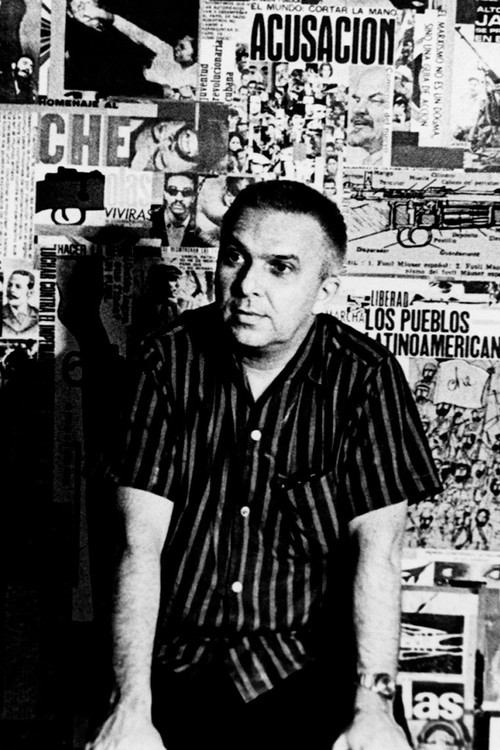
Santiago Álvarez
Directing
Biography
Santiago Álvarez Román (March 8, 1919 – May 20, 1998) was a Cuban documentary filmmaker and a central figure in revolutionary Latin American cinema. After studying in the United States, he returned to Cuba in the mid-1940s, where he worked as a music archivist for television and became active in Communist Party circles. Following the Cuban Revolution, he was a founding member of the Cuban Institute of Cinematographic Art and Industry (ICAIC) and went on to direct its influential weekly Latin American Newsreel, shaping a new model of politically engaged documentary production. Álvarez became internationally known for short films that combined found footage, photographs, animation, and music through rapid, associative editing—often described as “nervous montage.” His best-known works include Now! (1964), addressing racial discrimination in the United States; LBJ (1968), a satirical critique of U.S. imperialism; and 79 Springs (1969), a poetic tribute to Ho Chi Minh. In 1968, he collaborated with Fernando Solanas and Octavio Getino on The Hour of the Furnaces, a landmark four-hour documentary on neocolonialism and political struggle in Latin America. Across dozens of films, Álvarez documented music, culture, revolutionary movements, and authoritarian regimes throughout the Americas and beyond. His work influenced generations of political filmmakers, and he was later acknowledged by Jean-Luc Godard in Histoire(s) du cinéma. Álvarez died in Havana in 1998 from Parkinson’s disease and was buried in Colón Cemetery.
Known For
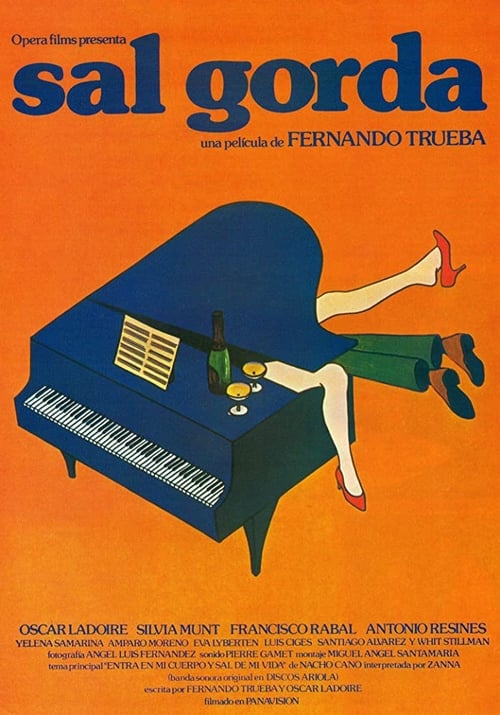
A famous composer creative in crisis and must compose a new album, but is going through a painful separation that prevents him from concentrating. In this situation, your manager will provide a time extension
Coarse Salt
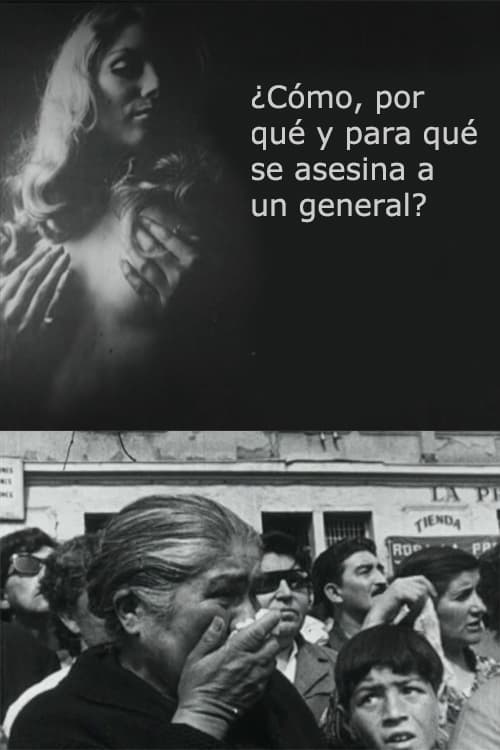
Documentary short about the death of Chilean general René Schneider by the CIA, following the election of Salvador Allende as president of the nation.
¿Cómo, por qué y para qué se asesina un general?
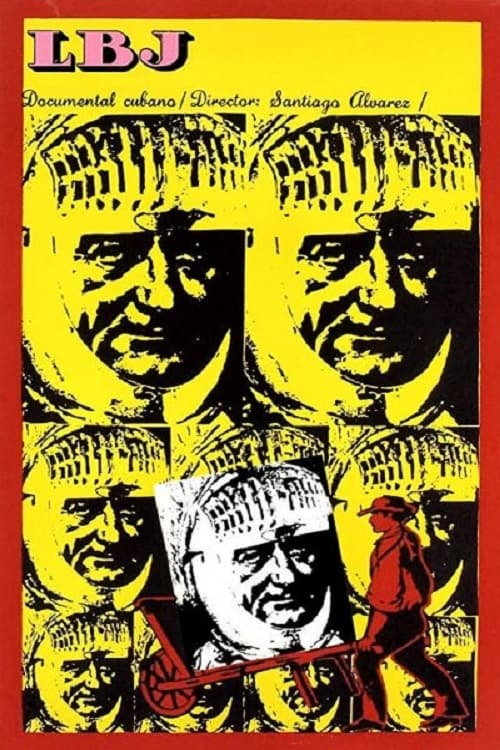
This is a montage of different images from the JFK, Martin Luther King and Bobby Kennedy triumphs and assassinations, all three events being observed by Lyndon Johnson as the dark figure who is plotting the anti-black rights movement.
LBJ
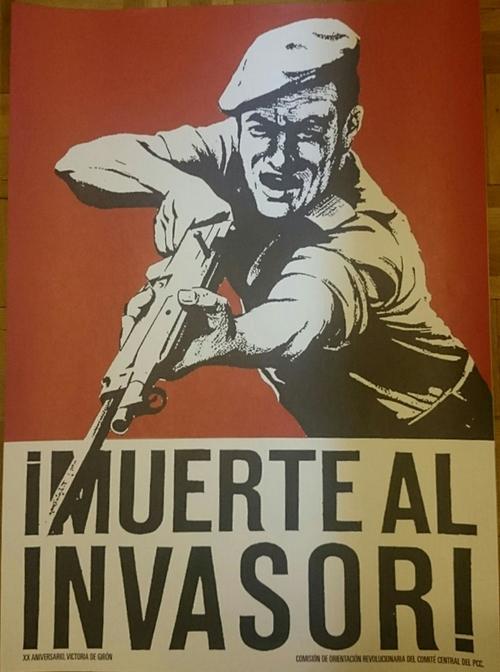
Produced by ICAIC in the wake of the Bay of Pigs invasion, "Muerte al invasor" chronicles the three days of fighting at Playa Girón, portraying the rapid mobilization of Cuban forces and civilians against a CIA-backed exile army.
Muerte al invasor
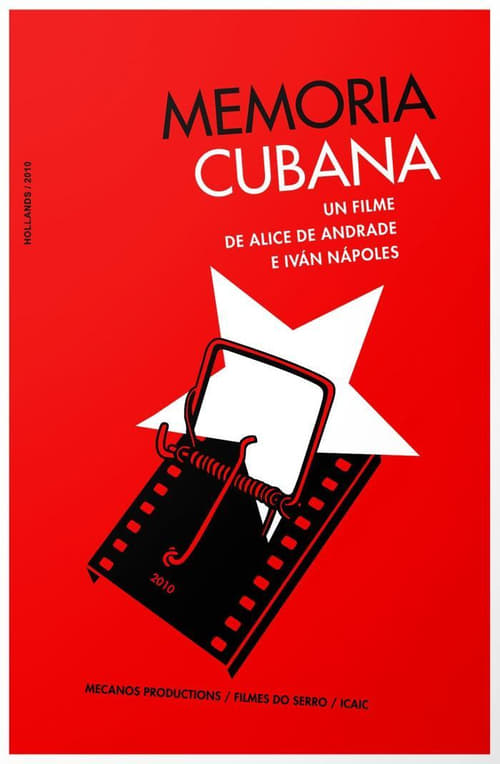
Through the files of Cuban cinema news program Noticieros ICAIC Latinoamericanos, the documentary shows the most relevant events of the second half of the 20th century as seen by the documentary filmmakers of the island. During three decades and under the general direction of Santiago Álvarez, these moviemakers witnessed almost everything: from the shivers of the Cold War to Bola de Nieve's piano solos; from the discovery of the killing fields in Cambodia to the Carnation Revolution in Portugal. In 2009, the original negatives of Noticieros ICAIC Latinoamericanos were declared part of the "world memory" by UNESCO.
Memória Cubana
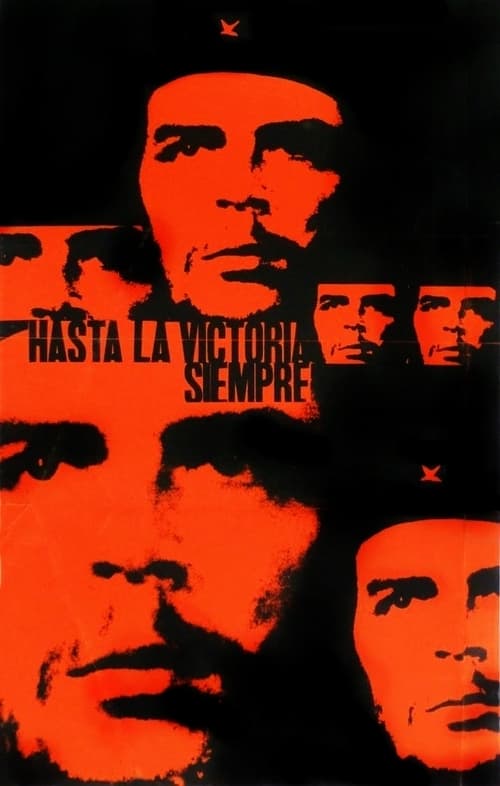
Created within forty-eight hours of Che Guevara’s death, Hasta la Victoria Siempre is a Cuban documentary tribute that combines archival footage, speeches, and images of revolutionary struggle to commemorate Guevara and reaffirm the ideals of the Cuban Revolution.
Hasta la Victoria Siempre
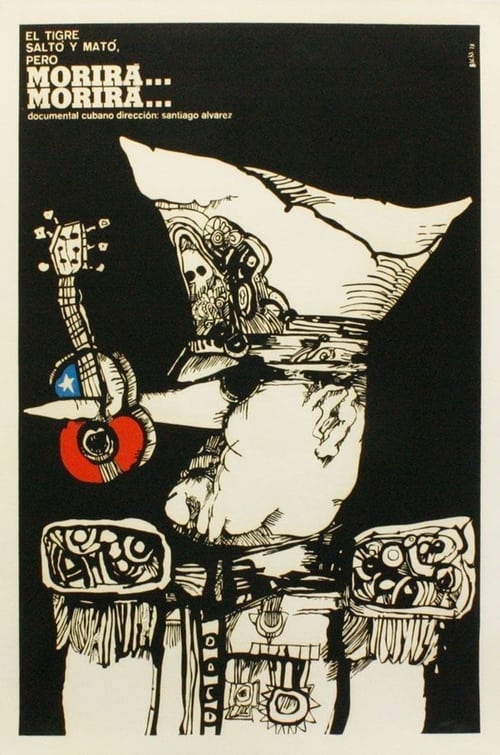
An obituary for Victor Jara, the Chilean folksinger who was murdered in a football stadium by the military junta during the days of the September 1973 coup.
The Tiger Leaps and Kills, But It Will Die... It Will Die...
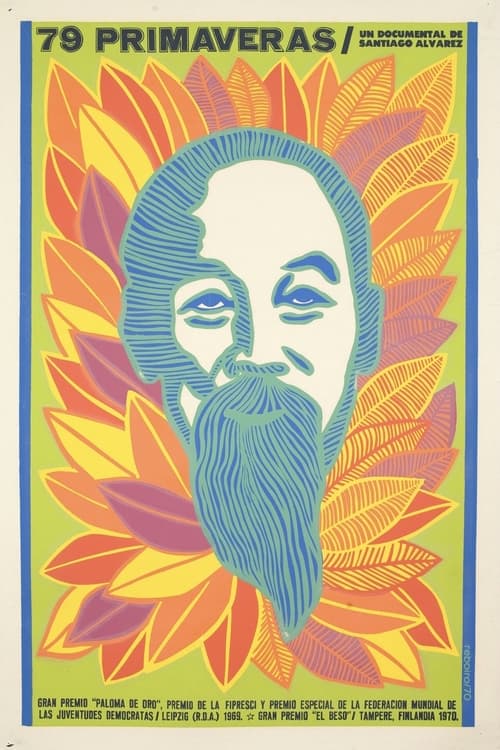
This film memorializes the leader of Vietnam, Ho Chi Minh, on the occasion of his death. It narrates the story of a life which is also the story of a nation-recounting his important accomplishments in the struggle against colonialism and imperialism.
79 Springs
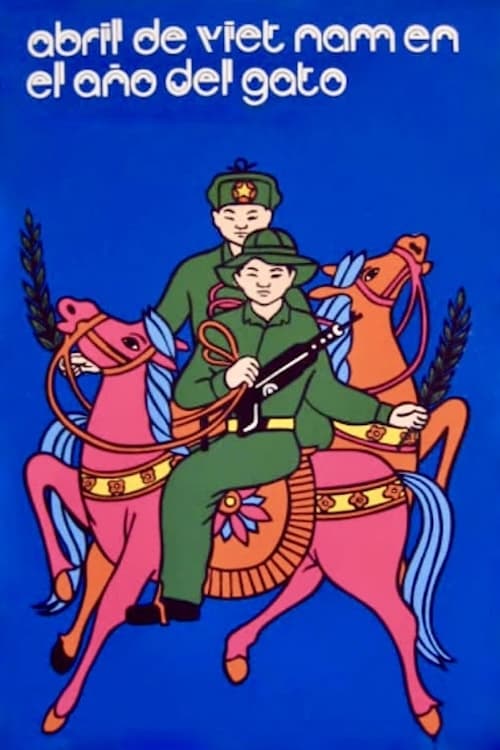
Documentary film on the end of the Vietnam War, the fall of Saigon and the departure of American troops, as well as a tracing of 4000 years of Vietnamese culture.
April in Vietnam in the Year of the Cat
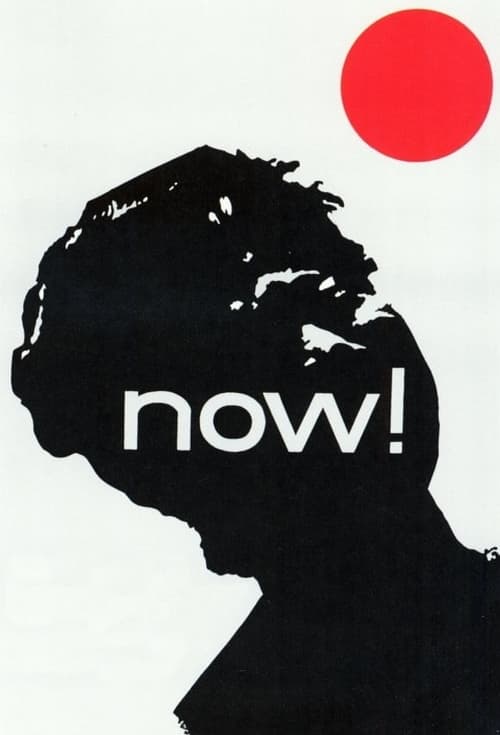
Using morgue photos, newsreel footage, and a recording by Lena Horne, Cuban filmmaker Santiago Alvarez fired off 'Now!', one of the most powerful bursts of propaganda rendered in the 1960s.
Now!
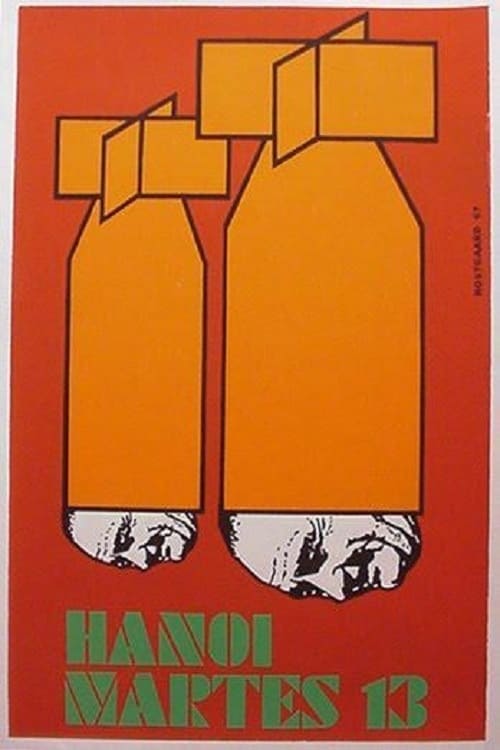
In December 1967, a Cuban film crew led by Santiago Alvarez, the veteran polemicist, travelled to Hanoi. They shot the footage which constitutes this short documentary all in one day - Tuesday 13. The film is the story of that day and what happened to the North Vietnamese people in the course of it.
Hanoi, Tuesday 13th
No description available.
Crisis en el Caribe (Noticiero ICAIC)
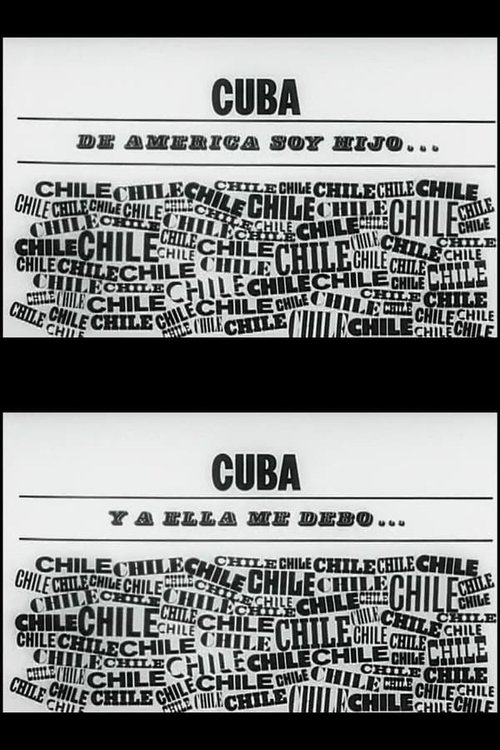
Recollections of Fidel Castro's visit to Chile on November, 1971, and of the historical imperialist exploitation of Latin America.
I Am a Son of America
No description available.
Historia de una Plaza
Documentary in four parts on Latin American cinema. Fourth episode: in Cuba, the ICAIC, created in the aftermath of the Castro revolution, is at once a film school, a production company and a state cultural branch. Cuban filmmakers testify to the situation and themes specific to their national cinema.
Claves, 4: Memories of Cuban cinema
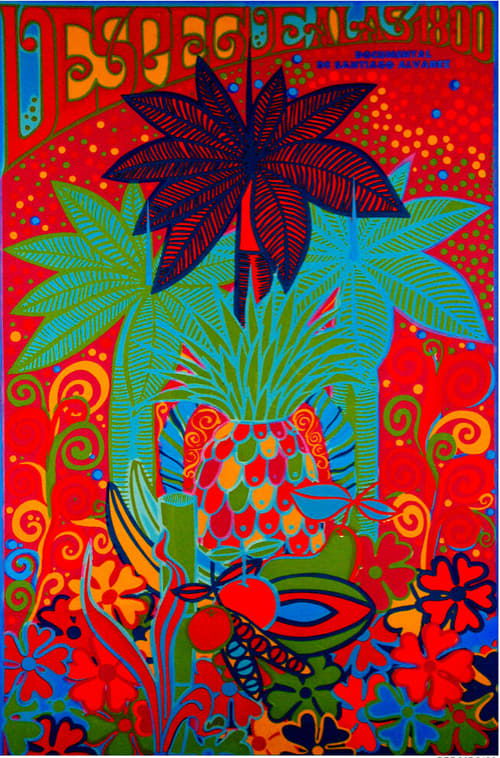
This film confronts the failures of the Cuban economy, although it is made in a Guevara-like spirit of moral exhortation rather than criticism.
Take-Off at 18:00 Hours
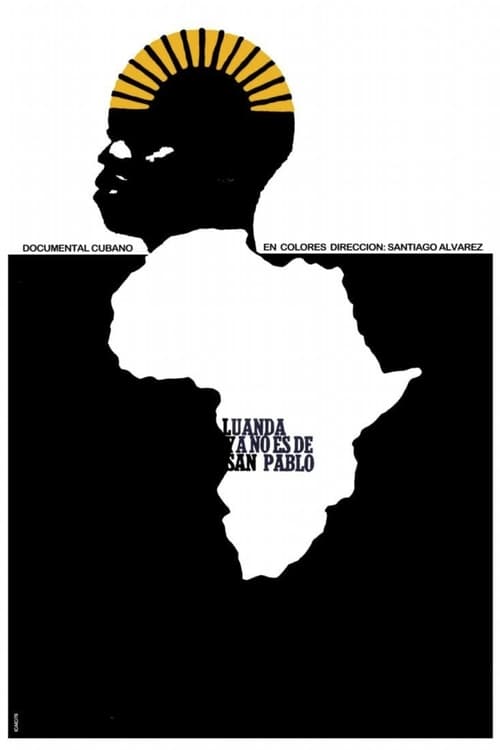
Portrait of the Angolan people.
Luanda ya no es de San Pablo
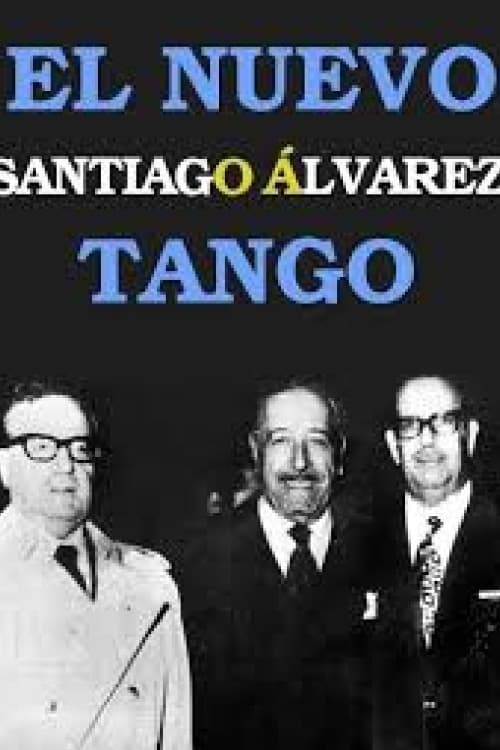
The New Tango (El Nuevo Tango) was not shown in Argentina for a long time as it deals with the ascent of Argentinean president Hector Campora in May 1973, and features Cuban and Chilean presidents, Osvaldo Dorticos and Salvador Allende. A million people gathered on the Plaza de Mayo to acclaim the new President. One of Cámpora's first presidential actions was a granting of amnesty to political prisoners who where jailed during the dictatorship. On 28 May Argentina restored diplomatic relations with Cuba, which then received Argentine aid - such as food and industrial products - to break the United States embargo against Cuba.
The New Tango
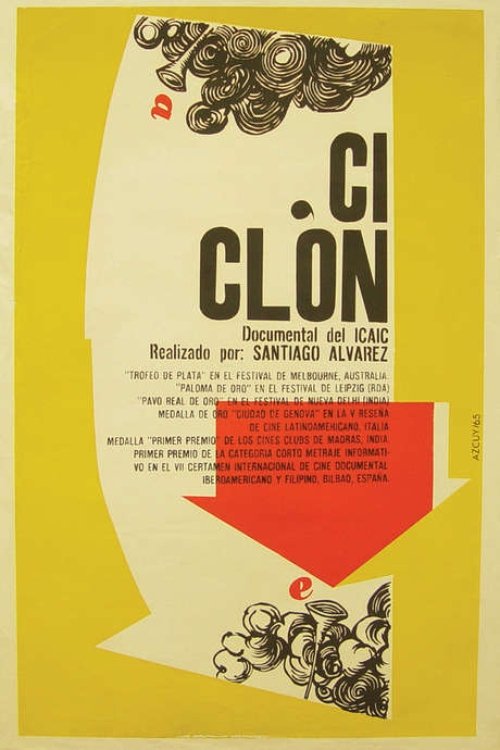
CICLÓN is a coverage of hurricane Flora's sweeping the Cuban provinces of Camagüey and Oriente in October 1963: the damage, the evacuation of the villages, and the aid to victims.
Cyclone
Short documentary on the solidarity of the Cuban people with Vietnam during the war against the United States.