Acting
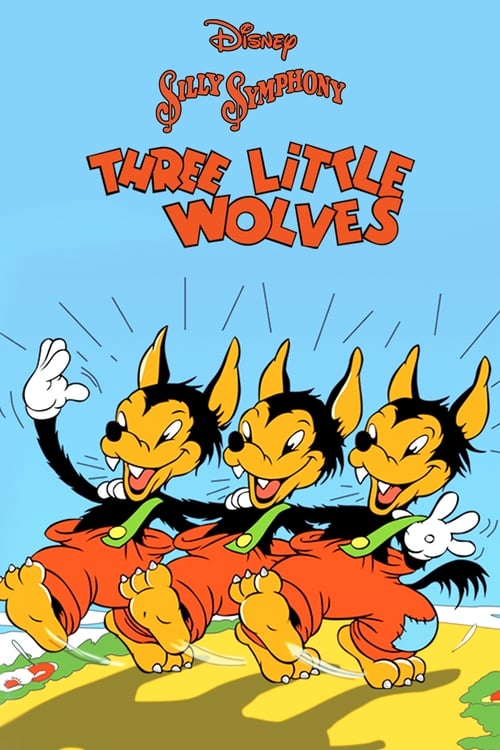
Two little pigs cry wolf on their brother and then an actual wolf comes.
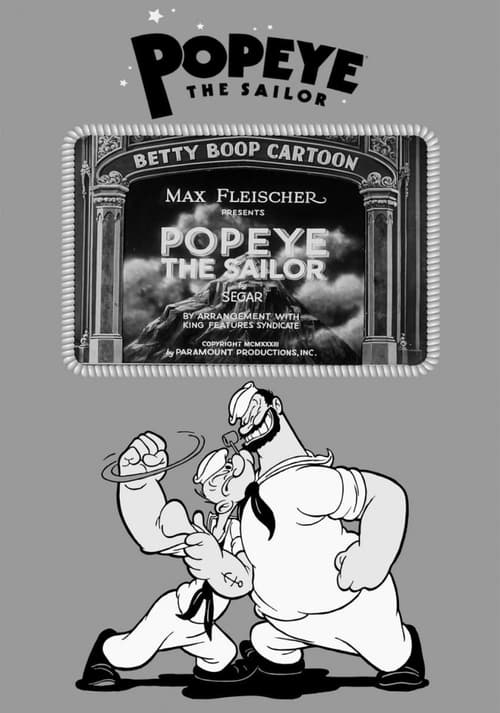
Popeye and Bluto fight for the love of Olive Oyl in their debut short, featuring Betty Boop.
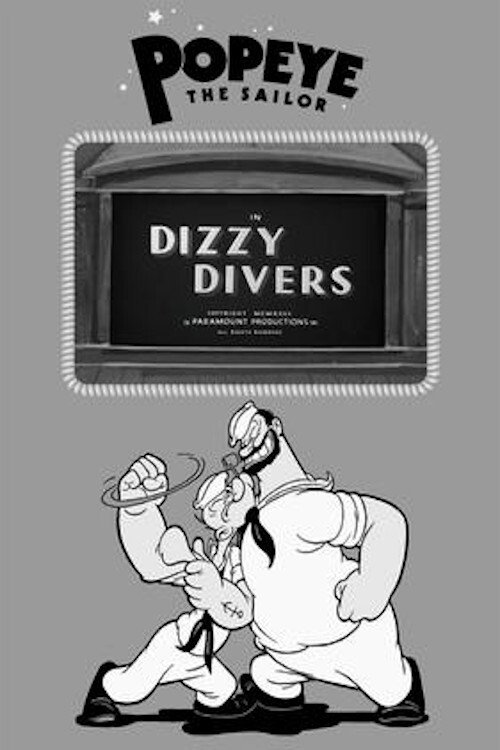
Popeye and Bluto are deep sea divers. Popeye has a treasure map; for some reason he cuts Bluto in on the deal, but of course, Bluto's idea of 50-50 isn't exactly fair...
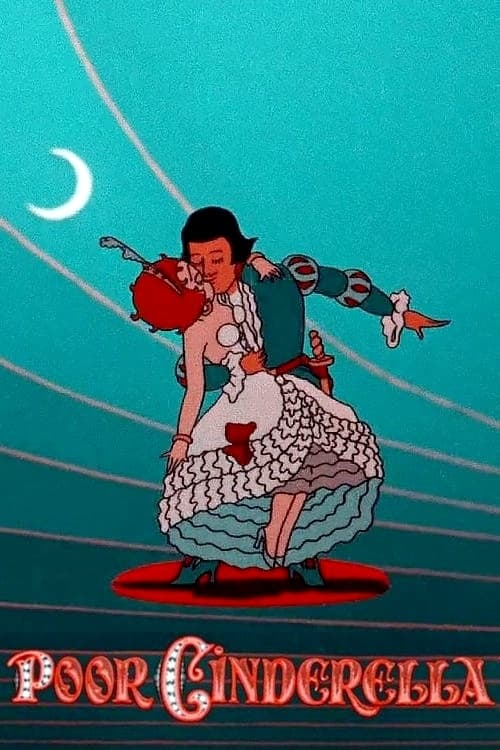
In the only Betty Boop color cartoon, Cinderella (Betty) goes to the ball thanks to her fairy godmother. Later, only her foot fits the glass slipper.
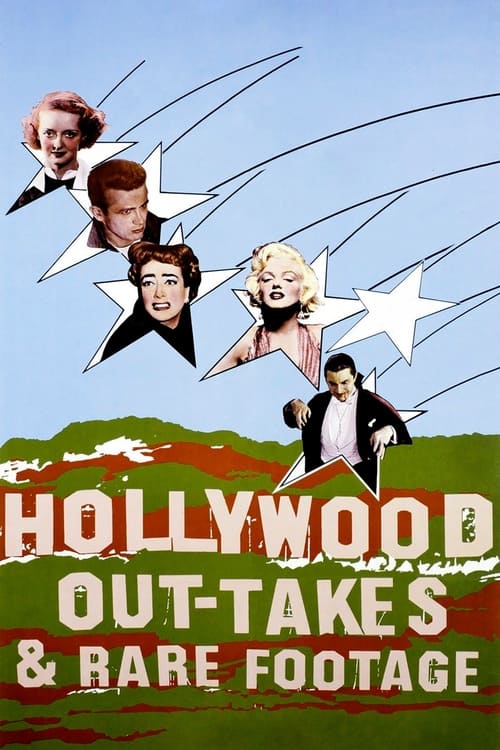
Out-takes (mostly from Warner Bros.), promotional shorts, movie premieres, public service pleas, wardrobe tests, documentary material, and archival footage make up this star-studded voyeuristic look at the Golden age of Hollywood during the 30s, 40, and 50.
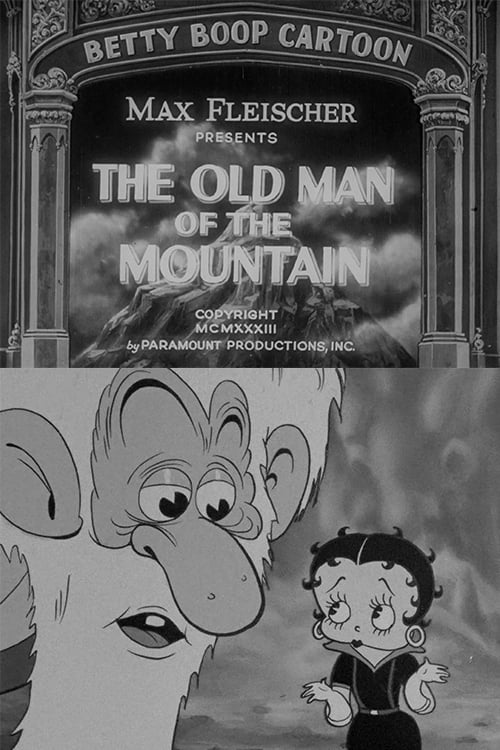
Betty Boop goes to see the fearsome Old Man of the Mountain for herself; he sings the title song and a duet with Betty.
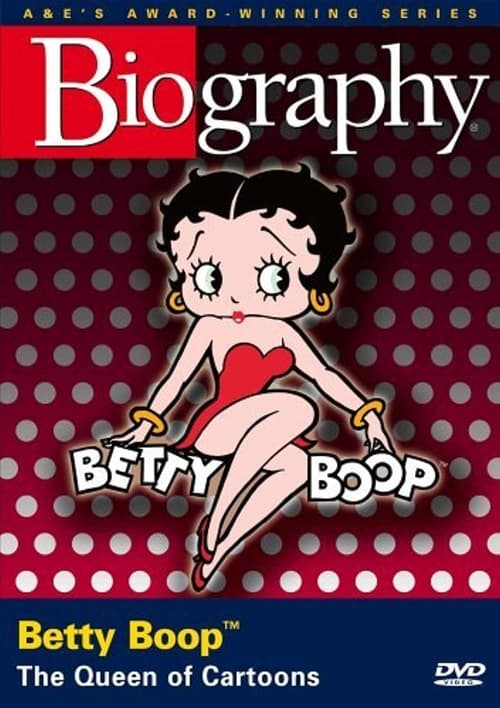
From the A&E "Biography" series, a review of the birth, development and cinematic history of Betty Boop, the flapper cartoon character who has been a popular icon since the 1930s.
Popeye skates over to Olive's house to give her a Christmas present: ice skates of her own. While he's teaching her, Bluto skates up and gets fresh; of course, Popeye fights him. When Olive rejects Bluto again, he sends her careening on an ice floe towards a waterfall.
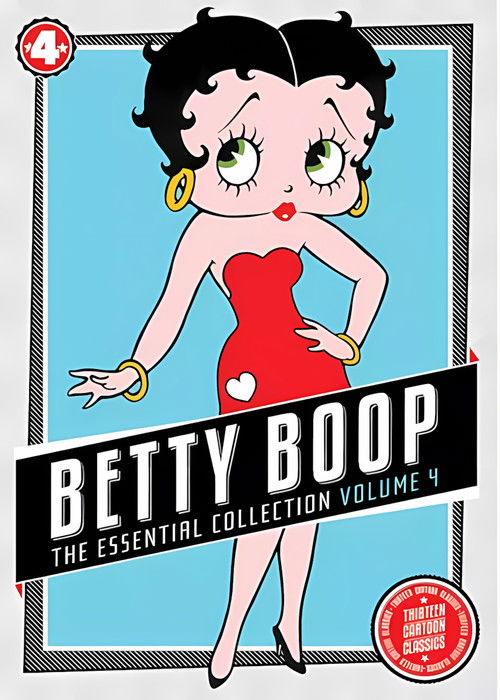
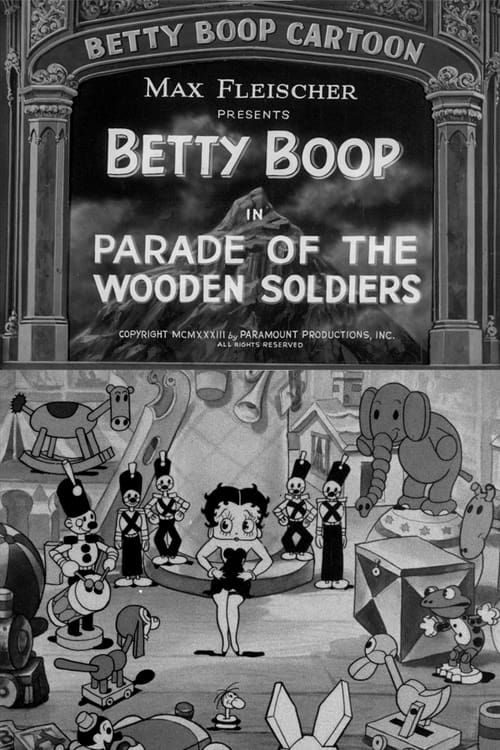
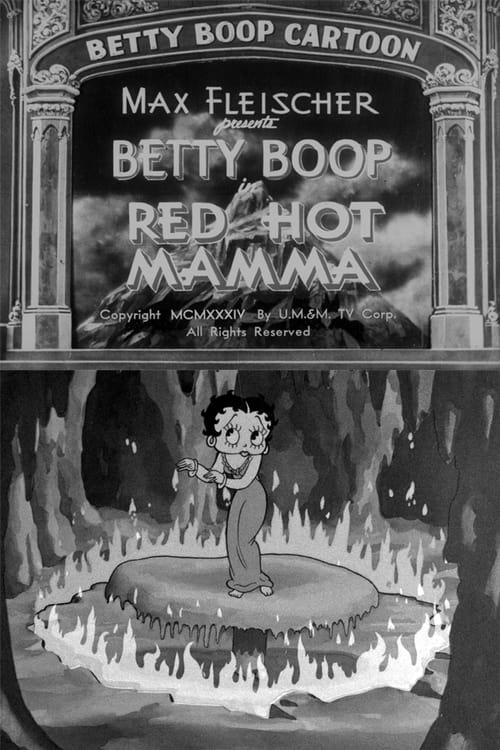
One of the first and most famous sex symbols on the animated screen, Betty Boop was an irresistible package of playful sexuality, made even more endearing by her absolute childlike innocence. She represented the unsinkable American spirit in the heart of the Great Depression, and endures as a pop culture icon today — favored by children and adults alike. Betty Boop: The Essential Collection, Volume 4 is comprised of thirteen animated shorts: Stopping the Show (1932), Snow White (1933, featuring Cab Calloway), Parade of the Wooden Soldiers (1934), She Wronged Him Right (1934), Red Hot Mamma (1934), Poor Cinderella (1934, in color), There’s Something About a Soldier (1934), When My Ship Comes In (1934), Zula Hula (1937), Riding the Rails (1938), The Swing School (1938), Pudgy the Watchman (1938), Sally Swing (1938).
Popeye, Olive Oyl and Wimpy are shipwrecked on an island of hostile Indians
Bluto is the boxing champ, Popeye his challenger, Wimpy the timekeeper. Popeye is pounded mercilessly until Olive comes by with a can of spinach.
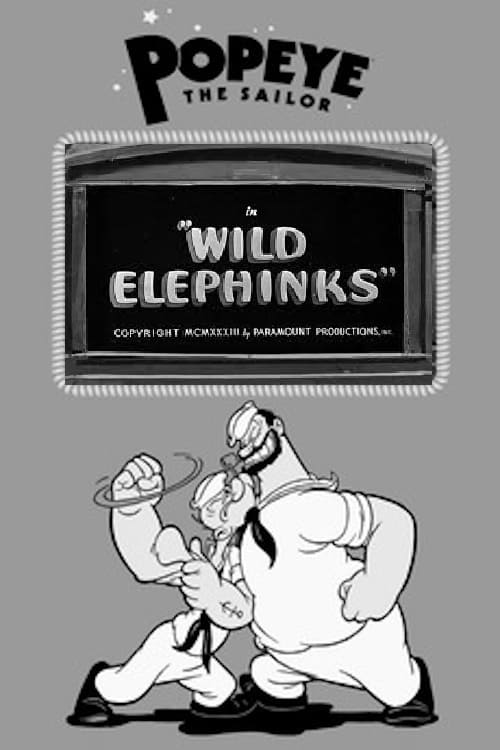
Popeye and Olive, adrift on a raft, land on what apparently is Africa, and are immediately battling elephants and gorillas (also a moose!). Popeye eventually battles an entire menagerie at once - after first gulping down a can of spinach, of course.
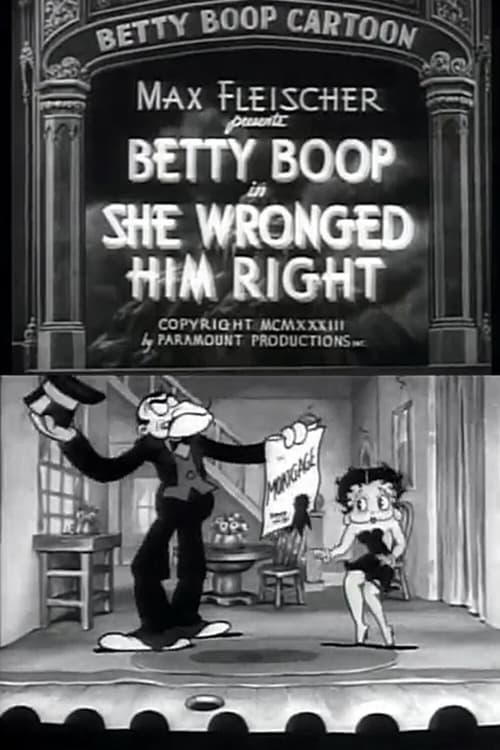
Betty Boop appears on stage with Freddie in an old-fashioned mortgage melodrama.
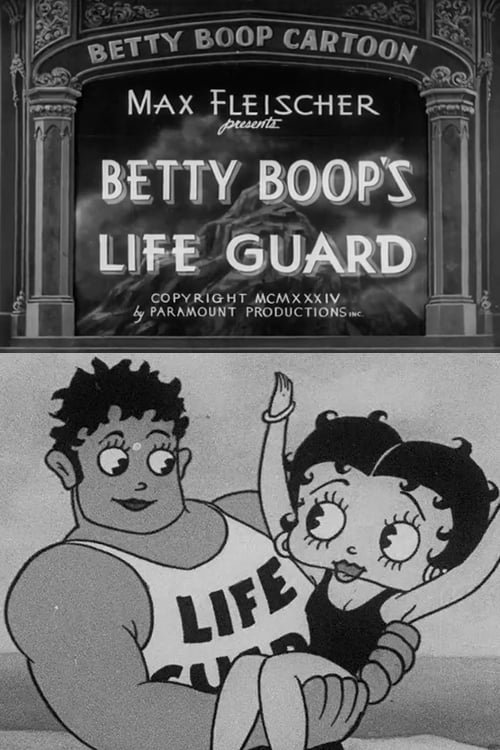
Betty takes a trip to the beach and needs the assistance of a big, hunky lifeguard when she rides her rubber horsy out too far!
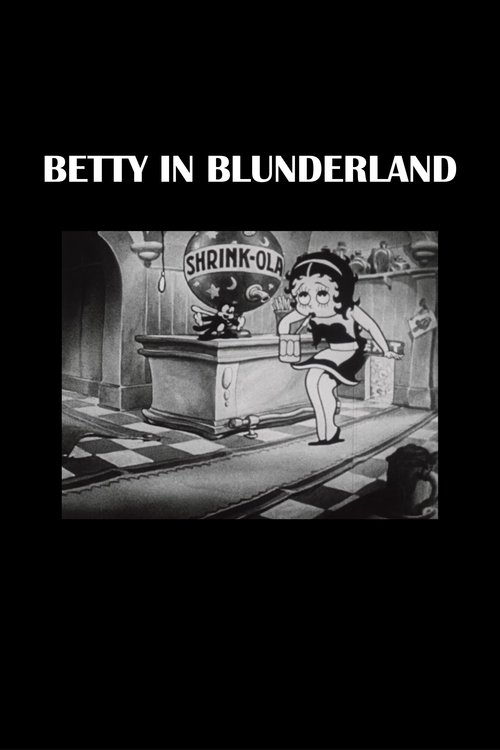
Betty falls asleep doing a jigsaw puzzle and finds herself through the looking glass into a modern, urban wonderland. The shrinking potion comes from a "Shrinkola" dispenser. When most of the characters assemble, Betty sings "How Do You Do" to them. But the jabberwock steals Betty away.
A toy version of Betty Boop drops in on a small toy shop. The other toys come to life and crown her their queen. Then the cartoon quickly turns into Fleischer's idea of King Kong.
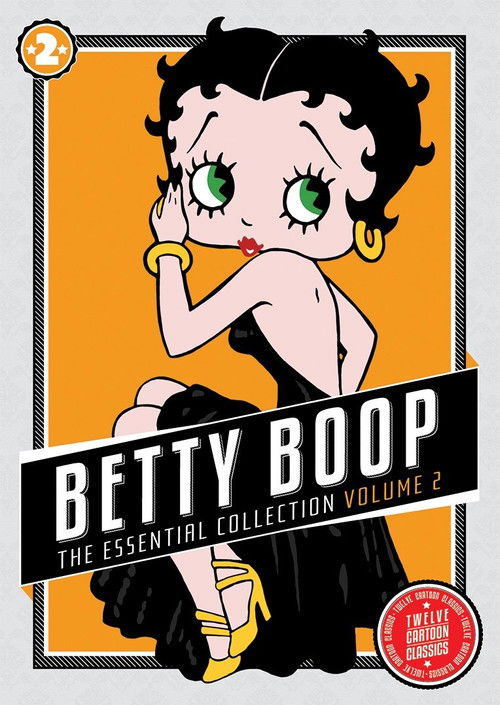
"Boop-Oop-A-Doop" the queen of the animated screen returns to allure and entice audiences all over again in this fantastic four-volume compilation featuring many of her greatest adventures. Volume Two includes 12 animated short films produced by Max Fleischer and directed by his brother Dave Fleischer. Featuring the voices of Mae Questel, Bonnie Poe, Ann Little and Margie Hines as Betty Boop. This collection includes the cartoons DIZZY DISHES (1930), BIMBO'S INITIATION (1931), BOO-OOP-A-DOOP (1932), BETTY BOOP LIMITED (1932), BETTY BOOP'S BIZZY BEE (1932), BETTY BOOP'S UPS AND DOWNS (1932), BETTY BOOP'S MUSEUM (1932), BETTY BOOP'S BIG BOSS (1933), MORNING, NOON AND NIGHT (1933), BETTY BOOP'S LITTLE PAL (1934), BETTY BOOP'S PRIZE SHOW (1934) and KEEP IN STYLE (1934).
"Boop-Oop-A-Doop" the queen of the animated screen returns to allure and entice audiences all over again in this fantastic four-volume compilation featuring many of her greatest adventures. Volume One includes 12 animated short films including CHESS NUTS (1932), BETTY BOOP, M.D. (1932), BETTY BOOP'S BAMBOO ISLE (1932), BETTY BOOP FOR PRESIDENT (1932), BETTY BOOP'S PENTHOUSE (1933), BETTY BOOP'S BIRTHDAY PARTY (1933), BETTY BOOP'S MAY PARTY (1933), BETTY BOOP'S HALLOWE'EN PARTY (1933), BETTY BOOP'S RISE TO FAME (1934), BETTY BOOP'S TRIAL (1934), BETTY BOOP'S LIFE GUARD (1934), and THE FOXY HUNTER (1937).
A celebration of art by legendary animator Max Fleischer. Features: KoKo's Kozy Korner (1928), Somewhere in Dreamland (1936), Any Rags? (1932), Small Fry (1939), Dinah (1933), The Old Man of the Mountain (1933), and Popeye the Sailor Meets Sindbad the Sailor (1936).
Betty Boop, sleepless on a freezing night, builds a nice hot fire which proves too much of a good thing; in a dream she visits Hell, sings "Hell's Bells," and makes Hell freeze over!