
Sadie Benning
Directing
Biography
Sadie Benning is an American visual artist, who works in video, painting, drawing, sculpture, photography and sound. Benning explores a variety of themes including surveillance, gender, ambiguity, transgression, play, intimacy, and identity.
Known For
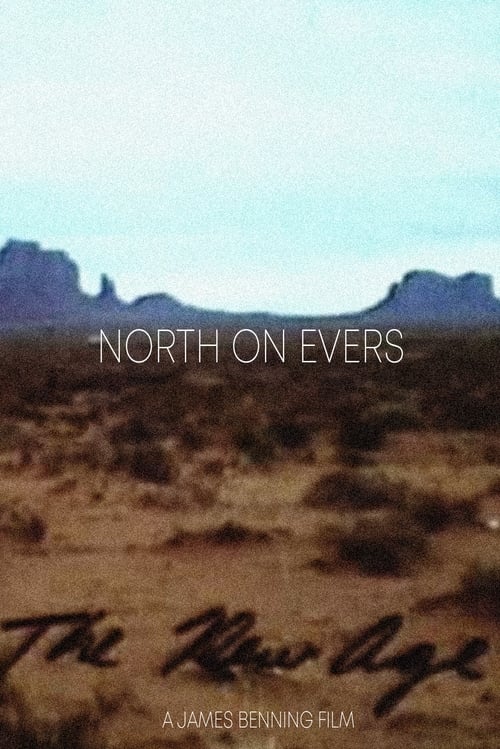
In NORTH ON EVERS James Benning takes the road movie seriously, making his circular trip across the U.S. a marvelously photographed, intensely felt, and disturbing portrait of contemporary America. In many ways, this recent film is a departure of Benning’s earlier films which are characterized, at times, by extremely long, carefully planned takes and a minimal narrative approach. In NORTH ON EVERS, the shots are kept short with a narrative that is direct and detailed, like a diary or a long series of postcards to a friend. What this work shares with the other films is a dry wit and a deep interest in the American social landscape.
North on Evers
The narration and intertitles describe the ultimate teenage fantasy road-trip: a female version of Bonnie and Clyde in love, in trouble, and unstoppable. With dreams of freedom, a life of crime, and the glamour of Hollywood, the film depicts the ultimate wish list of the lesbian bad girl whose life is not only constrained by school and parents, but also by the fear of a world that cannot tolerate her difference.
It Wasn't Love
A diverse program of films and videos by various artists who challenge conventional representations of gender, family and sexuality, curated by Tom Kalin for Drift Distribution.
Flesh Histories
Benning gives a chronology of her crushes and kisses, tracing the development of her nascent sexuality.
Jollies
Set to music by Bikini Kill (an all-girl band from Washington), Girl Power is a raucous vision of what it means to be a radical girl in the 90s. Benning relates her personal rebellion against school, family, and female stereotypes as a story of personal freedom, telling how she used to model like Matt Dillon and skip school to have adventures alone. Informed by the underground “riot grrrl” movement, this tape transforms the image politics of female youth, rejecting traditional passivity and polite compliance in favor of radical independence and a self-determined sexual identity.
Girl Power
This music video for the band Julie Ruin, fronted by Kathleen Hanna, formerly of Bikini Kill, critiques the cynical music marketeers of corporate America. Criticism particularly targets campaigns aimed at women, which Benning and Hanna refer to here as the "Girls Rule (kind of) Strategy."
Julie Ruin - Aerobicide
“Nicky is seven. His parents are older and meaner.” A Place Called Lovely references the types of violence individuals find in life, from actual beatings, accidents and murders, to the more insidious violence of lies, social expectations, and betrayed faith. Benning collects images of this socially-pervasive violence from a variety of sources, tracing events from childhood: movies, tabloids, children's games (like mumbledy-peg), personal experiences, and those of others. Throughout, Benning uses small toys as props and examples—handling and controlling them the way we are, in turn, controlled by larger violent forces.
A Place Called Lovely
Flat Is Beautiful is an experimental live-action cartoon using masks, animation, subtitles, drawings, and dramatic scenes to investigate the psychic life of an androgynous eleven-year-old girl. Growing up in a working class neighborhood with her single mother and gay roommate, Taylor confronts the loneliness of living between masculine and feminine in a culture obsessed with defining gender difference. Shifting between black and white film and grainy pixelvision video, Flat is Beautiful explores the internal and external worlds of sad people.
Flat Is Beautiful
A woman from poor upbringing grows up to be the leader of a group of extremely rugged individuals.
White Trash Girl
These five short videos introduce Judy, a paper maché puppet who ruminates on her position in society. Like Judy, of the famous Punch and Judy puppet duo, Benning’s Judy seems to experience the world from the outside, letting things happen to her rather than making things happen around her.
The Judy Spots
The two-channel video departs from Benning’s earlier work, cutting together hundreds of the artist’s gouache drawings of urban landscapes, figures, and abstractions. With its fragmented split-screen perspective, durational takes of still drawings, and occasional use of color filters, Play Pause speaks to the heightening of perception that accompanies periods of loss.
Play Pause
Sadie Benning's first film. A version of the teenage diary, Benning places her feelings of confusion and depression alongside grisly tales of tabloid headlines and brutal events in her neighborhood.
A New Year
Interpretation of Rita Mae Brown's groundbreaking lesbian coming-of-age novel Rubyfruit Jungle.
Me and Rubyfruit
When she was 16, Benning stopped going to high school for three weeks and stayed inside with her camera, her TV set, and a pile of dirty laundry. Living Inside mirrors her psyche during this time. With the image breaking up between edits, the rough quality of this early tape captures Benning’s sense of isolation and sadness, her retreat from the world.
Living Inside
Setting her pixelvision camera on herself and her room, Benning searches for a sense of identity and respect as a woman and a lesbian. Acting alternately as confessor and accuser, the camera captures Benning’s anger and frustration at feeling trapped by social prejudices.
If Every Girl Had a Diary
Shot in black and white Super-8, this lyrical short follows a wandering, disengaged youth through grey afternoons. Features the hard-edged music of Come, an alternative band from Boston.
German Song
An examination of the filmmaker's childhood, femininity and identity, incorporating home movies of the filmmaker as an infant.