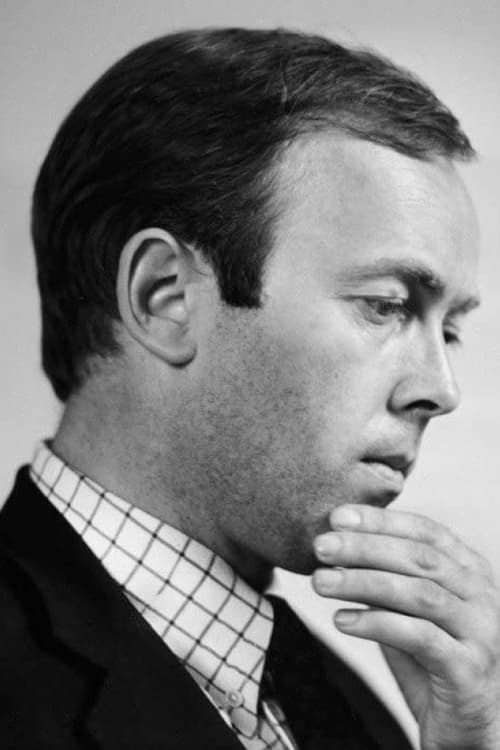
Jan Lenica
Directing
Biography
Jan Lenica (4 January 1928, Poznań, Poland – 5 October 2001, Berlin) was a Polish graphic designer and cartoonist. A graduate of the Architecture Department of Warsaw Polytechnic, Lenica became a poster illustrator and a collaborator on the early animation films of Walerian Borowczyk. From 1963 – 1986 he lived and worked in France, while from 1987 he lived and worked in Berlin. He was a professor of graphic, poster, animated cartoon for many years at German high schools and the first professor of the animation class at the University of Kassel, Germany, in 1979. He used cut-out stop motion animation in his numerous films, which included two features: Adam 2 (1968) and Ubu et la grande gidouille (1976, but released in France only in 1979). He died on 5 October 2001 in Berlin, Germany.
Known For
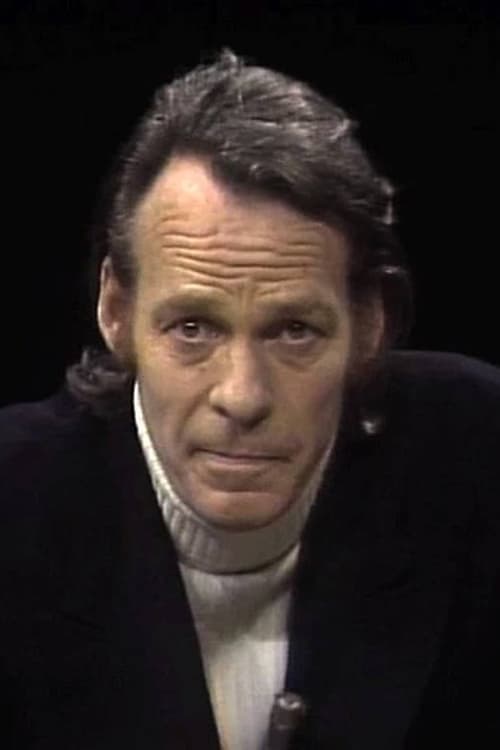
Independent filmmakers are given a chance to show and discuss their work on a commercial (ABC-TV) affiliate station.
Screening Room
Based on Eugene Ionesco’s play, this is an animated film warning that by conforming to patterns and living en masse, people will become rhinoceroses.
Rhinoceros
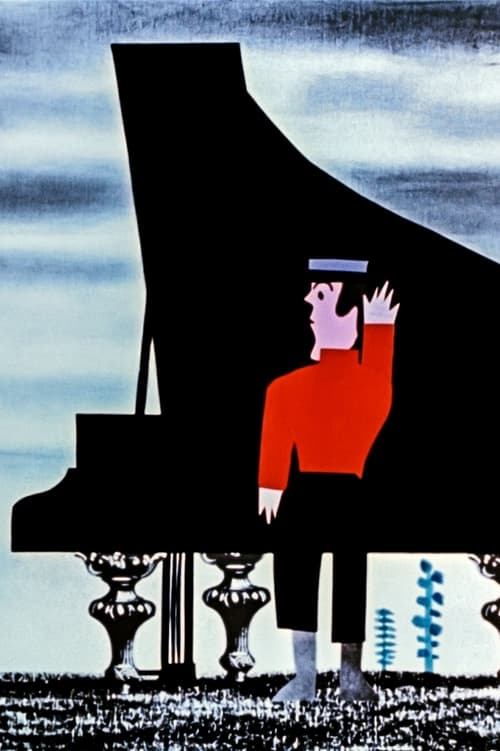
In the modern village of the future, everything is mechanized, but the dreams of the village musician remain the same. He wants to become an artist. Thanks to the fact that an Art Nouveau goddess gave him a helping hand, Janko Muzykant saves his life and escapes from the village on a Pegasus.
New Janko the Musician

Monsieur Tête, an ordinary bureaucrat, rebels against the world and the ideas of the people around him. Because of his marginal behavior, his head is broken, like everyone else.
Monsieur Tête
A self-consciously Kafkaesque tale of a winged lonely man literally devoured by totalitarian rule.
Labyrinth
An experimental short film.
House
A writer is persecuted by an enormous and abusive letter 'A'.
A
A short film advertising the newspaper Sztandar Młodych (The Banner of Youth), noteworthy for its abstract elements painted directly onto film stock. An attempt at showing the complexity of the world in a capsule, the film reflects the new policy of the openness to the West during the Thaw of the late 1950s in Poland.
Banner of Youth
Images of women in Art Nouveau and other art movements at the end of the 19th and beginning of the 20th century.
Entwürfe und Träume
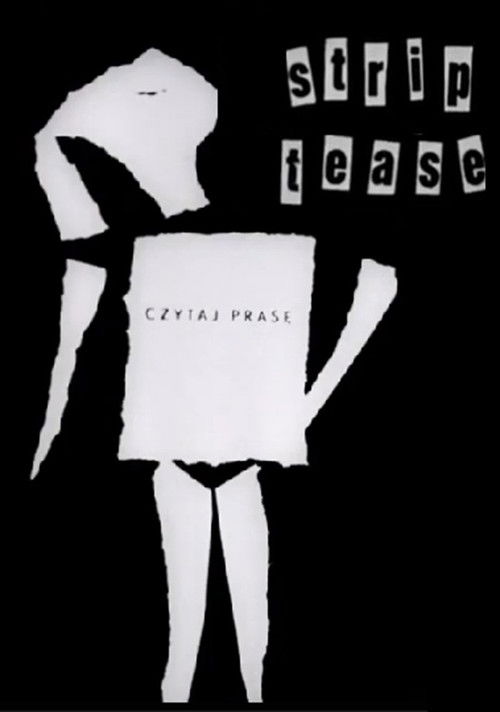
Borowczyk and Lenica are at their most expressive in this crude paper miniature.
Strip-Tease
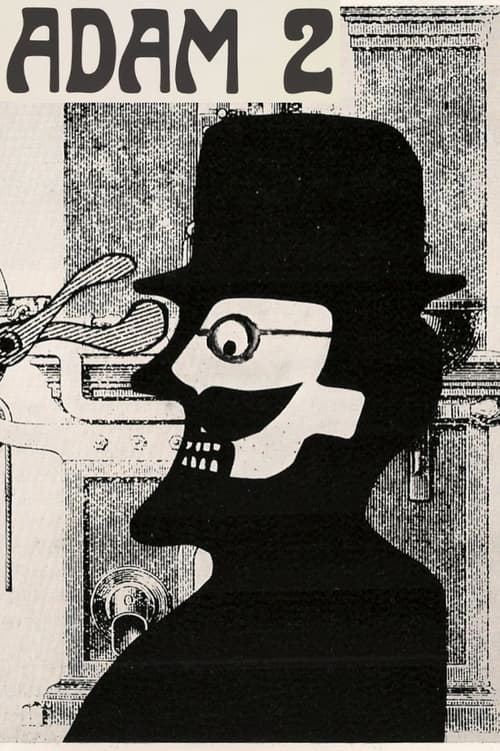
Semi-autobiographical movie about a life of a man under the number "44". He experiences bureaucracy, abusive step-parents, and oppression from the government and society. In the end, he tries to get away to the "lost paradise".
Adam 2
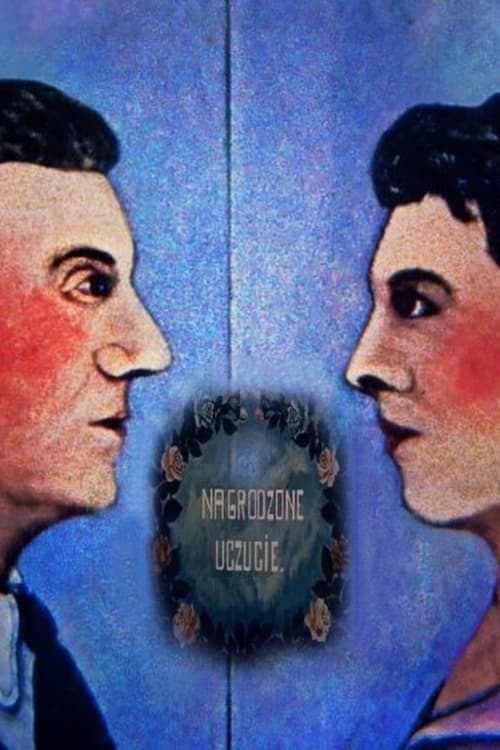
About the work of the naive painter J. Plaskocinski. A playful tale about the requited love of a shy young man.
Love Requited

An oddball pair try to find their identity and place in an abstract world.
Once Upon a Time
An extraordinary cut-out-and-move adaptation of all three of Jarry's Ubu plays. The characters are caricatured almost to abstraction- in the opening scene Ma Ubu is even depicted as a bug, Pa Ubu has a massive jaw and a microcephalic brain case.
Ubu and the Great Gidouille
Parody of fictional heroes such as Fantomas and Zorro, told through still photographs.
Fantorro the Last Enforcer
"Landscape is a nightdream, a landscape of my mind, of my imagination. It evokes memories of the past, reflects the images of reality into the world of fantasy. But the word dream has in this case another meaning. There is also the dream of reason which produces monsters and that is what is learned from Goya’s Caprices and explains in the best way the significance of my film,” —Jan Lenica
Landscape

This film shows the Polish master animator Jan Lenica working on his film Landscape, and explores the relationship of the artist between the real world and his fantasy visions.
Moving Pictures: The Art of Jan Lenica
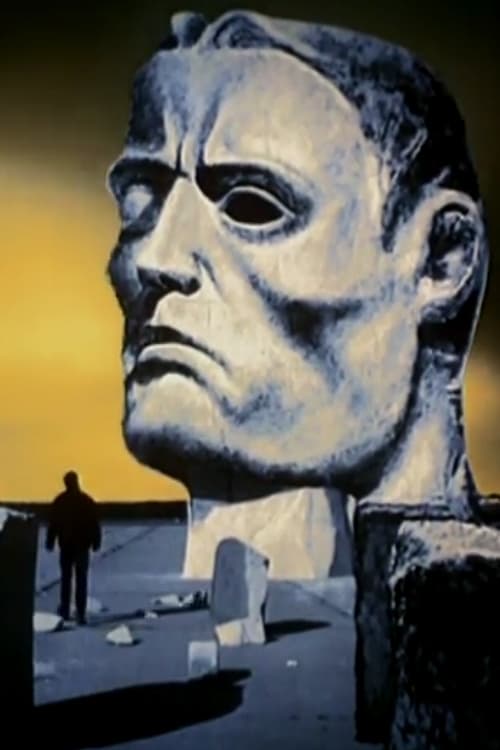
"Wyspa R.O" is a highly personal story about freedom, fate and love as well as Lenica's personal creative testament. The allegorical story, full of symbols and the author's quotes, tells of a secret corner of the world which was once inhabited by convicts, where only one lonely guard remains. Lenica was one of the most important creators of Polish poster art and his films have been honored at many international festivals.