Isao Ubukata
Acting
Known For
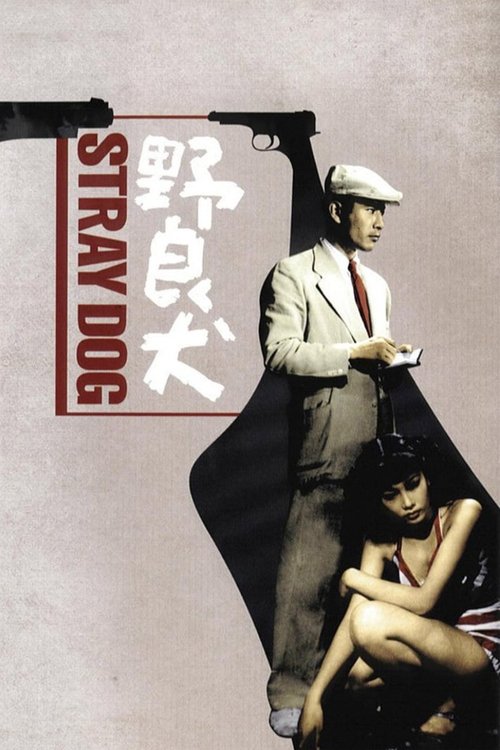
A bad day gets worse for young detective Murakami when a pickpocket steals his gun on a hot, crowded bus. Desperate to right the wrong, he goes undercover, scavenging Tokyo’s sweltering streets for the stray dog whose desperation has led him to a life of crime. With each step, cop and criminal’s lives become more intertwined and the investigation becomes an examination of Murakami’s own dark side.
Stray Dog

In postwar Tokyo, a blunt, alcohol-soaked doctor diagnoses a swaggering young yakuza with tuberculosis, forging an uneasy bond that’s tested when the gangster’s ruthless former boss returns and drags him back toward the swampy underworld he can’t escape.
Drunken Angel
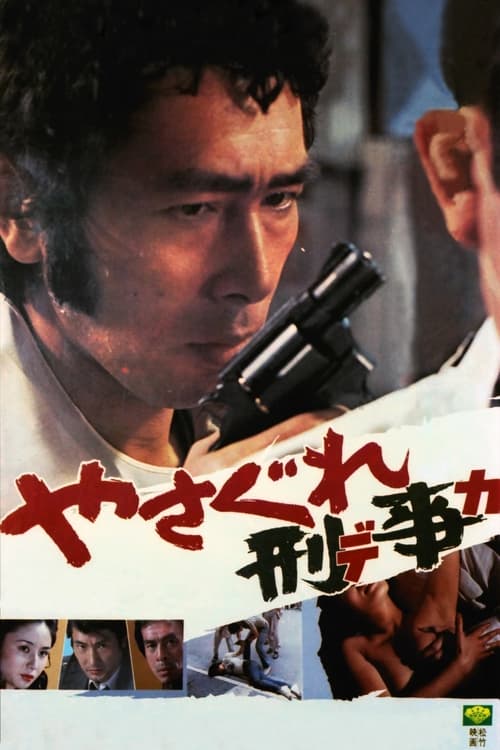
A bad cop is engaged in a violent chase to catch a yakuza boss. In his absence his wife runs away with another man, who turns out to be the very same man that her husband is hunting. Once he discovers this, he loses his nerve and turns in his badge. But the chase turns into a personal vendetta where the ex-cop plans to wipe out the entire gang.
Outlaw Cop
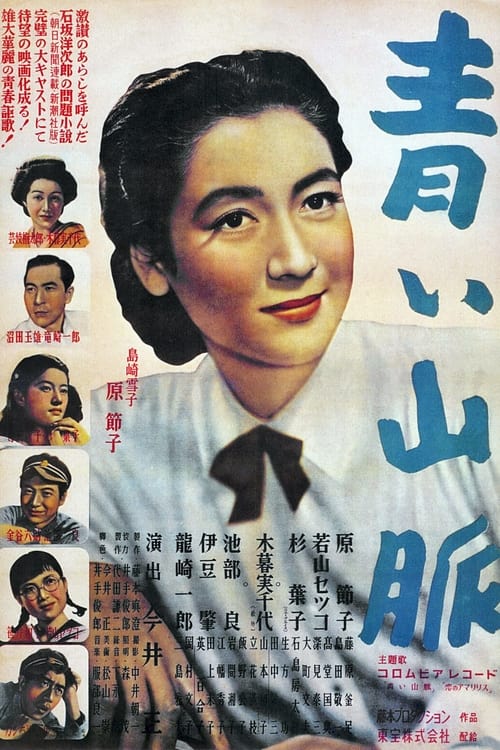
Teacher Yukiko finds herself in opposition to conservative faculty and villagers after defending a student for being in a relationship with a young man from Tokyo.
The Blue Mountains: Part I
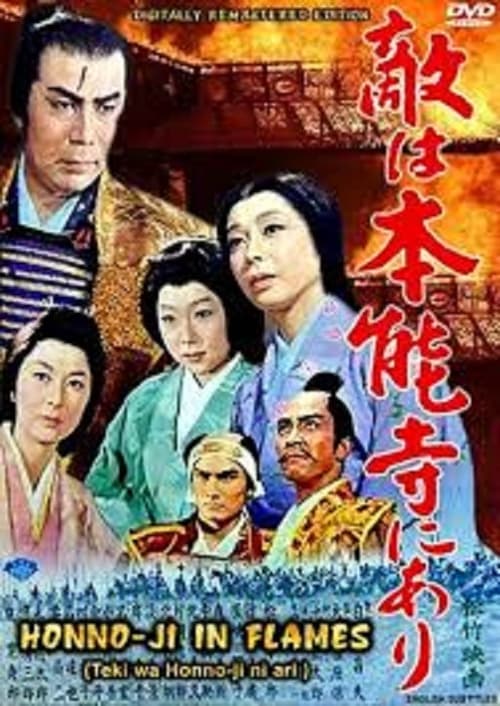
The plot is based on the novel "Akechi Samanosuke no Koi," the final work in a trilogy by Hiroshi Kato about the forced suicide of Oda Nobunaga at the temple Honnoji. Historically, the general Akechi Mitsuhide is credited with causing Nobunaga's downfall. Kato's novel focuses on Mitsuhide's nephew Samanosuke, who fought alongside his uncle during the assault on Honnoji.
Honno-Ji in Flames
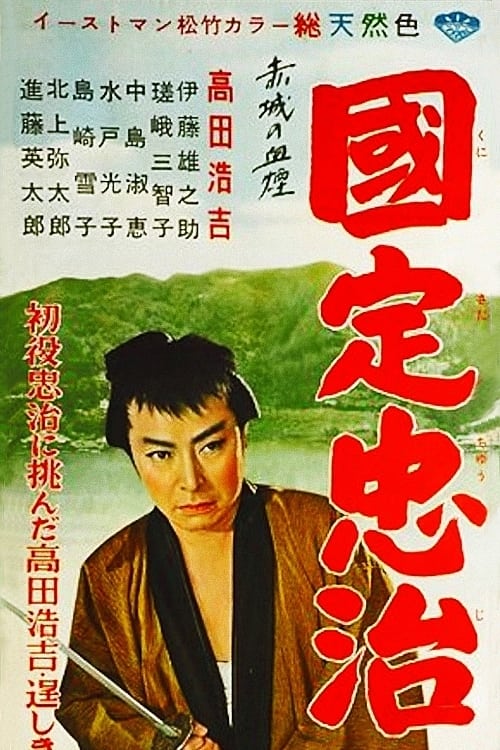
Chuji Kunisada runs into strange adventures which tests his skill as a samurai as he untangles intrigue and murder against the backdrop of the majestic Mount Akagi.
The Adventures of Chuji
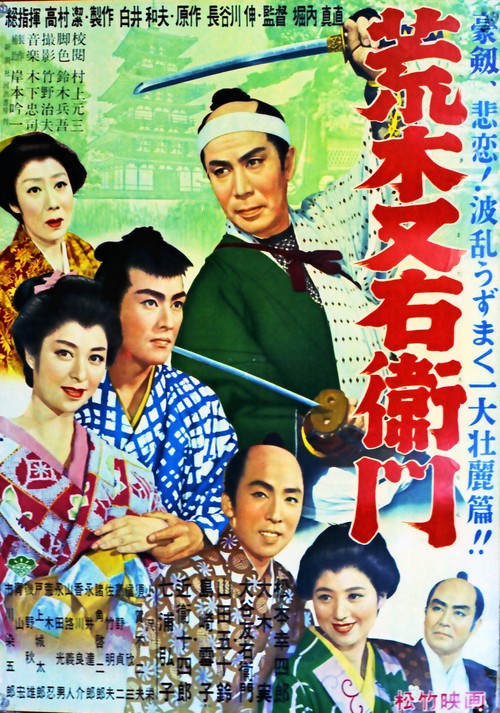
Watanabe Kazuma and Kawai Matagorō from the Bizen Okayama Ikeda clan were close friends, but they inevitably became enemies after Matagorō killed Kazuma's younger brother, Gentayū, and fled. Seeking assistance, Kazuma asked his brother-in-law, Araki Mataemon, for help, but Mataemon refused, saying that it was against the code for a brother to avenge another brother's death. On the other hand, the lord of the clan, Ikeda Tadao, ordered a search for Matagorō, who was found to be sheltered by the Hatamoto, including Andō Jiemon, in Edo. Tadao was furious but unable to act. Matagorō, in Edo, came to regret his birth as a samurai. He met and fell in love with Okō, a bathhouse maid. As the discord between the Hatamoto and the Ikeda clan deepened, Tadao died of illness. Seizing the opportunity to ease the conflict, the shogunate ordered the Ikeda clan to be succeeded by the young lord Katsugorō and to relocate to the Ikeda clan of Inshū Tottori. Meanwhile, Matagorō was exiled from Edo.
荒木又右衛門
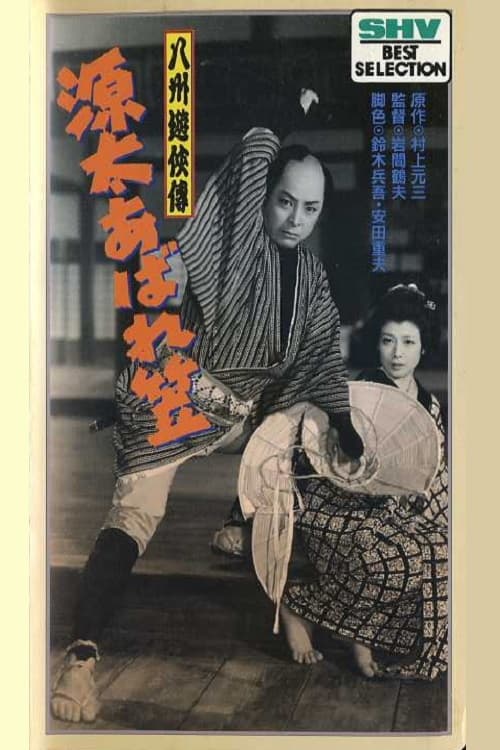
No description available.
The Further Adventures of Genta
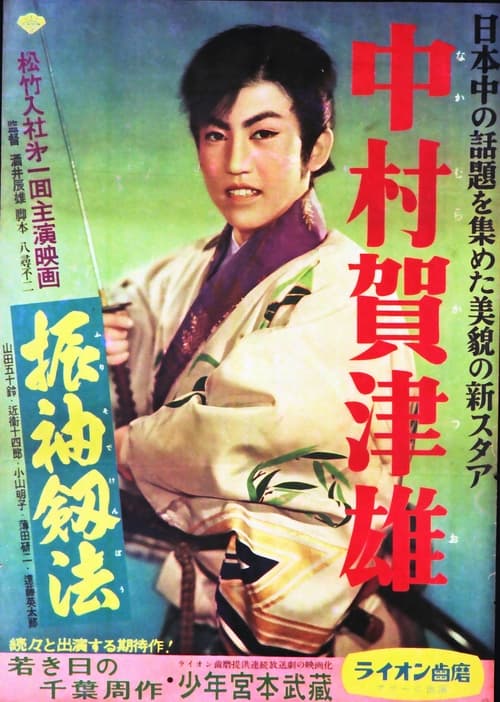
In Marugame Domain of Shikoku, a low-ranking foot soldier named Tagami Genbachi was envied for marrying Tsuji, the most beautiful woman in the domain. However, due to a personal grudge held by Horikawa Gentazaemon, the swordsmanship instructor, Genbachi met an untimely and bitter death through foul means within the precincts of the Hachiman Shrine. Due to the domain's oppressive treatment of those of low status, Tsuji, now with her infant son Botaro, was dispossessed of her home and exiled.
振袖釼法
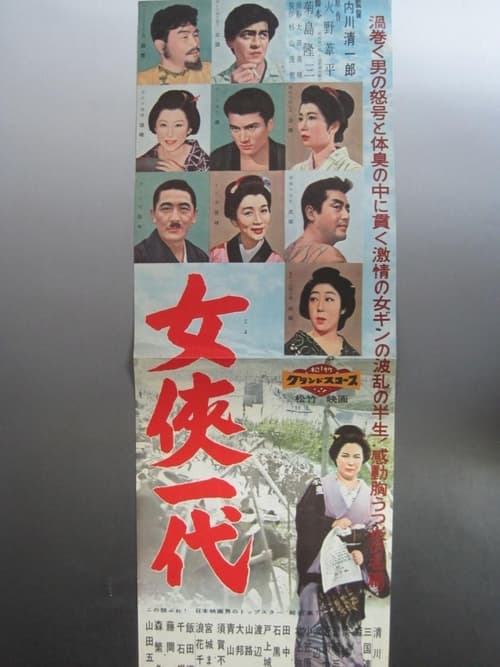
No description available.
The Undefeated Woman
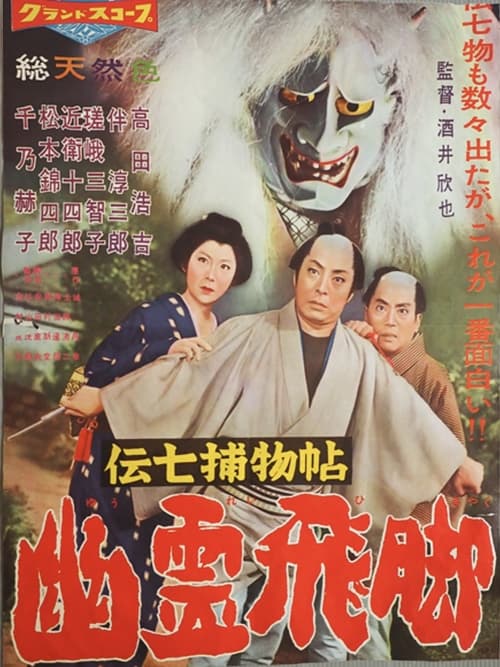
The eleventh episode of the Denshichi Torimonocho series. Around the time of Shogun Ienari, a murderer known as a ghost hikyaku appeared in Edo, raping and killing young girls one after another. One night, a notice was recieved that Oichi, the daughter of Wakasa Kanayu of the small construction group, would be taken away. The mansion was surrounded by ten and twenty layers of people including Denshichi, who was asked to guard the house, and Sesshinsai Ohba, the owner of the dojo. Four seconds later, a violent explosion suddenly occurred.
Denshichi Torimonocho: Silver Snake Spell
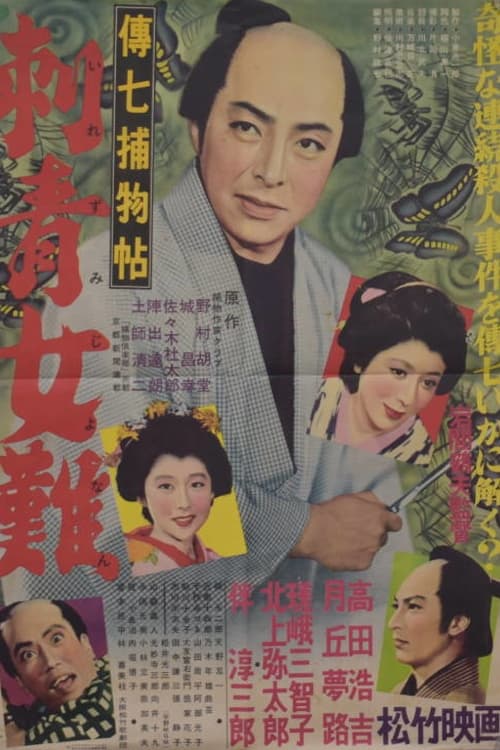
During the era of Tokugawa Ieyasu, one night a carver named Fujijiro was murdered. Immediately launching an investigation, Denhichi, accompanied by Otoshi and Take, toured the entertainment houses of Ryogoku. There, they discovered a connection between an acrobat and the incident. On their way home, Otoshi unexpectedly encountered an old friend, Inosuke, nervously buying a dagger. Inosuke, a clerk at the Kashimaya store, was in love with Oko, a secret lover of Bunzaemon. Amidst this, Seihei, the head clerk, was murdered by someone, and a dagger belonging to Inosuke was found at the scene, leading Gohei to suspect Inosuke as the culprit. However, Otoshi was hiding Inosuke. Driven by Otoshi's plea and a professional instinct that Inosuke wasn't the perpetrator, Denhichi desperately searched for the real culprit.
Denshichi Torimonocho: Tattoo Woman Trouble
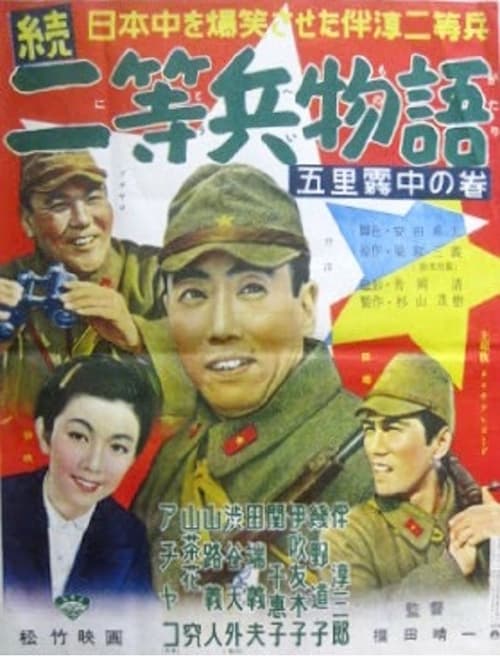
First sequel to "Story of Second Class Private".
Story of Second Class Private, Sequel
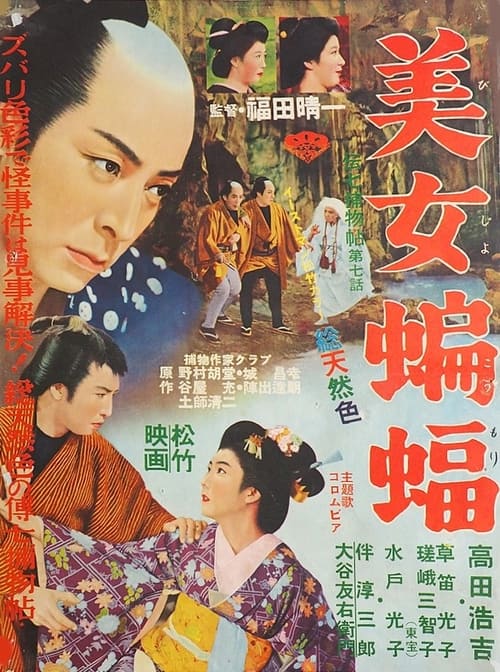
The head of Oshu, Harumichi Honma, was ordered by the boat bugyo (Commissioner of the board) Tajima Kuze to extract five gold coins to the Shogun family in Edo, and put it into Ryujin Maru. However, Tajima, who was the chief retainer of the shogunate, said that he was a member of the board, tetsugoro Funabashi, kumiyumi no Kami ichibei, and his son, masakichi, and others, and in the middle of the night, he killed all the members with poison in the night of the storm, threw Masayoshi, who was a fellow of the city, and masakichi, who escaped from the death of poison, into the sea and sank the boat to eliminate evidence.
The Detective Denshichi Case Files: The Beautiful Bat
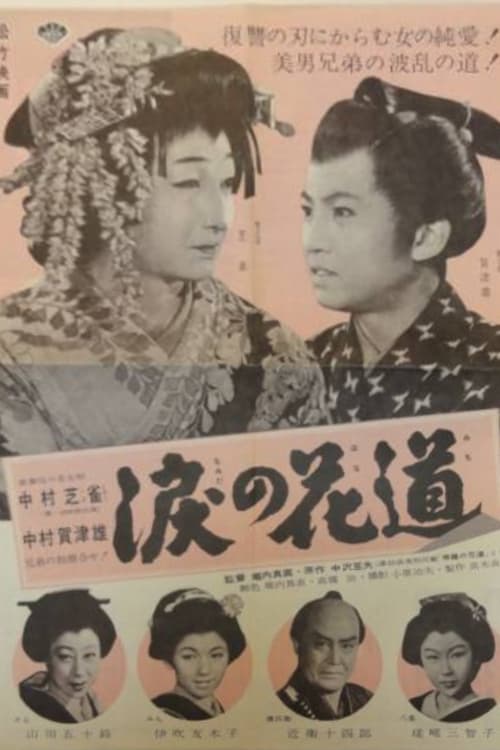
Nakamura Yukinojō, Edo's most popular actor, discovered that his parent's enemy, Ohara Genba, had changed his name to Isshiki Kurōnosuke and become a hatamoto, a direct retainer of the shogun. Yukinojō's younger brother, Shingorō, traveling to Edo from their hometown, helped the town boy Kiyohē and his daughter Michi from troublemakers led by Kumosuke. This act led to a reunion with Yukinojō through the assistance of their associate, Daisaburō.
Namida no hanamichi
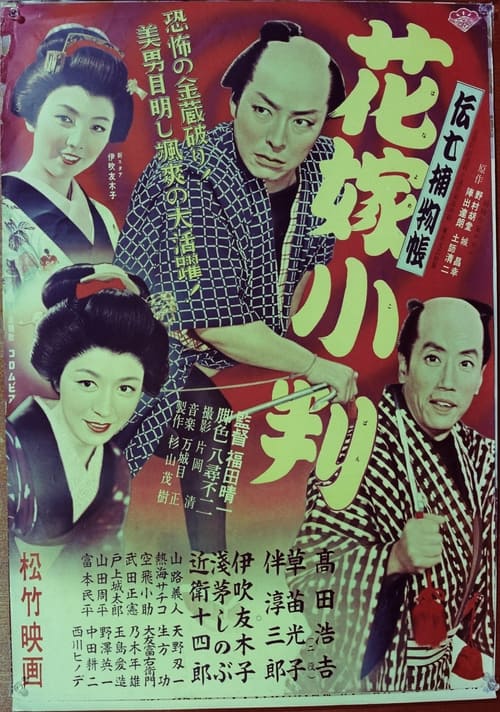
Den Shichi of Kurodomon-chō, the best detective in Edo, captured members of a thief gang called "Kitsutsuki," but let three, including the rōnin Daikoku Yajūrō, Tengai Omachi, and Kasumi no Seiji, escape. Among the captured who were exiled, Genta and Kakuroku broke out and returned to Edo to reorganize the Kitsutsuki gang, starting to wreak havoc in the city. Due to the brutal methods used, Den Shichi suspected Yajūrō and Omachi had rejoined the gang. One day, a child who saw a hairdresser resembling Den Shichi, named Kiyoshi, reported to him. Kiyoshi, trusted by the moneychanger Yamano-ya, frequented by Den Shichi's wife Oshun, was rumored to be in love with Yamano-ya's daughter Oiku. In fact, Kiyoshi was Kasumi no Seiji, now living an honest life.
The Bride and the Treasure
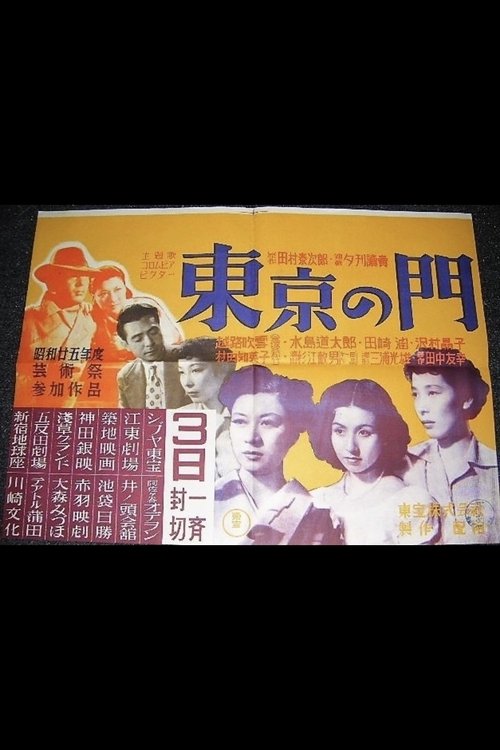
Based on a serialized newspaper novel by Taijiro Tamura. People living in the darkness of the city, Tachikawa Maki publishes the Ginza Minpo, a small newspaper that exposes the muggers and gangsters prevalent in the Ginza area.
Tokyo Gate
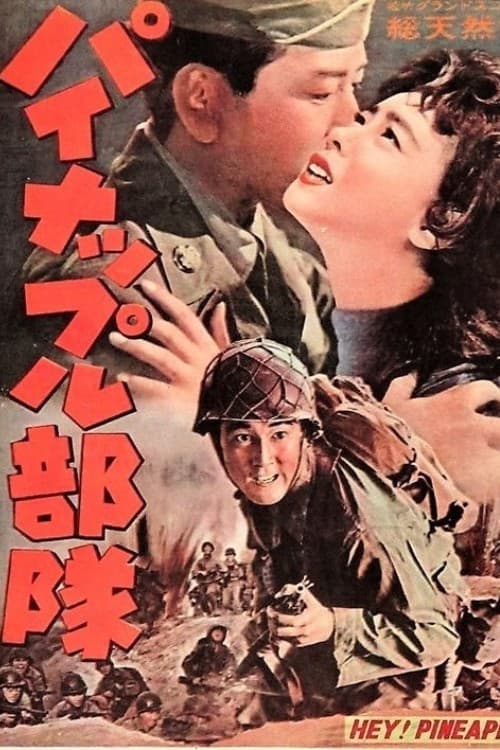
The story of the role played by Japanese-American soldiers from Hawaii in the Korean War of the 1950s.
Pineapple Butai
Rival bands of pirates try to get hold of a priceless treasure.
Mermaids and Sea Robbers
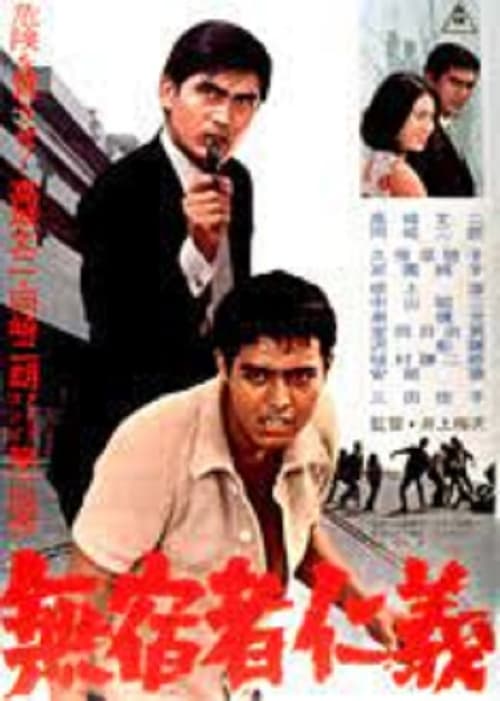
A crime film released in 1965