FEEL IT.STREAM
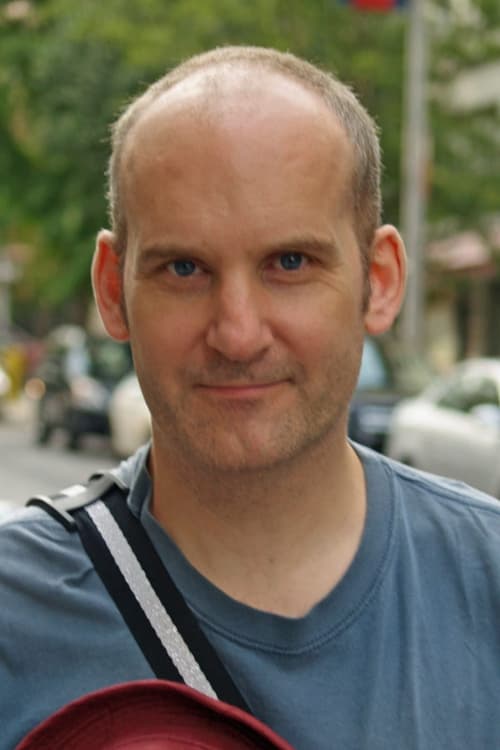
Ian MacKaye

Ian MacKaye

Acting

Biography

​From Wikipedia, the free encyclopedia.   Ian Thomas Garner MacKaye (born April 16, 1962) is an American singer, songwriter, guitarist, musician, label owner, and producer. Active since 1979, MacKaye is best known for being the frontman of the influential hardcore punk band Minor Threat, the post-hardcore bands Embrace and Fugazi, as well as The Evens. He is a co-founder and owner of Dischord Records, a Washington, D.C.-based independent record label. A key figure in the development of hardcore punk and an enthusiastic promoter of an independent-minded, do it yourself punk ethic, MacKaye also works as a producer, and has produced releases by Q and Not U, John Frusciante, 7 Seconds, Nation of Ulysses, Bikini Kill, Rites of Spring, Dag Nasty, and Rollins Band. Along with his seminal band Minor Threat, he is credited with coining the term "straight edge" to describe an ideology that eschews drug and alcohol abuse, though MacKaye has stated many times that he did not intend to turn it into a movement. Description above from the Wikipedia article Ian MacKaye, licensed under CC-BY-SA, full list of contributors on Wikipedia.
Known For

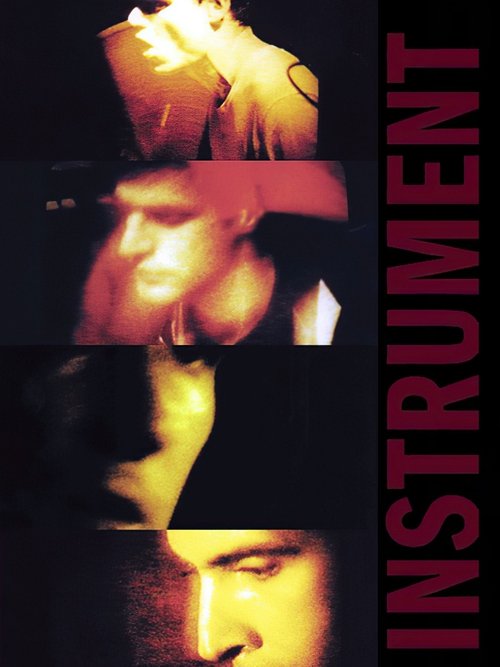
Instrument
6.9

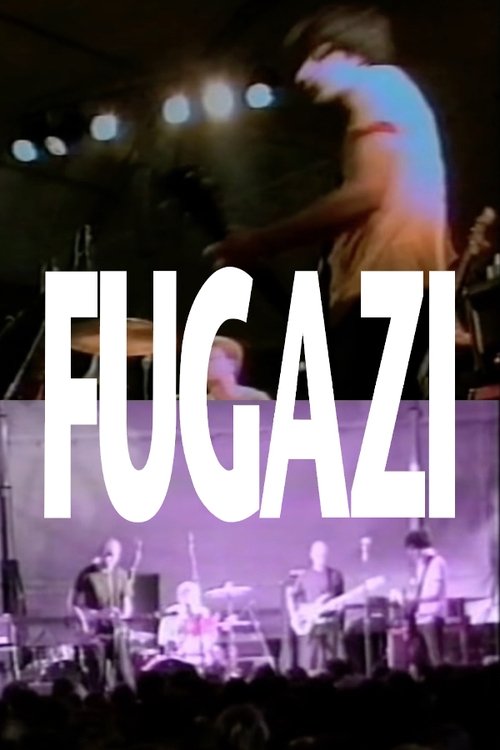
The band Fugazi is documented over a period of more than ten years (1987-1998) through performance footage and interviews with the band and their fans. Director Jem Cohen's relationship with band member Ian MacKaye extends back to the 1970s when the two met in high school in Washington, D.C.. The film takes its title from the Fugazi song of the same name, from their 1993 album, In on the Kill Taker. Editing of the film was done by both Cohen and the members of the band over the course of five years. It was shot from 1987 through 1998 on super 8, 16mm and video and is composed mainly of footage of concerts, interviews with the band members, practices, tours and time spent in the studio recording their 1995 album, Red Medicine. The film also includes portraits of fans as well as interviews with them at various Fugazi shows around the United States throughout the years.

Instrument

1999Movie
No image
10.0

Black Hole Radio is an installation that consists of taped confessions of callers of the New York City Phone Confession Line and video images. The Phone Confession Line is based on anonymous callers ringing to confess on things they had done or thought like adultery, theft, murder or regrets. Thereafter anybody could call and listen to the confessions. Although making a confession was free, listening to a confession costs money. After Cohen got his hands on the confessions, he used them as an audio heartbeat to accompany video-images of every day life in New York City he had taken over the years. This installation is a portrait of the city with its dark secrets, hushed voices and nocturnal images. In this way Cohen tries to bring across an experience to the viewer that relies on absence, waiting and the effort to hear something in the dark.

Black Hole Radio

1992Movie