Acting
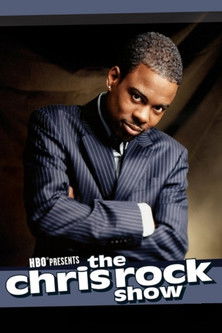
The Chris Rock Show is a late night comedy talk show featured on HBO. It was created by Chris Rock and featured various guests. The show won an Emmy for Outstanding Writing for a Variety or Music Program in 1999. It ran for five seasons from 1997 to 2000.
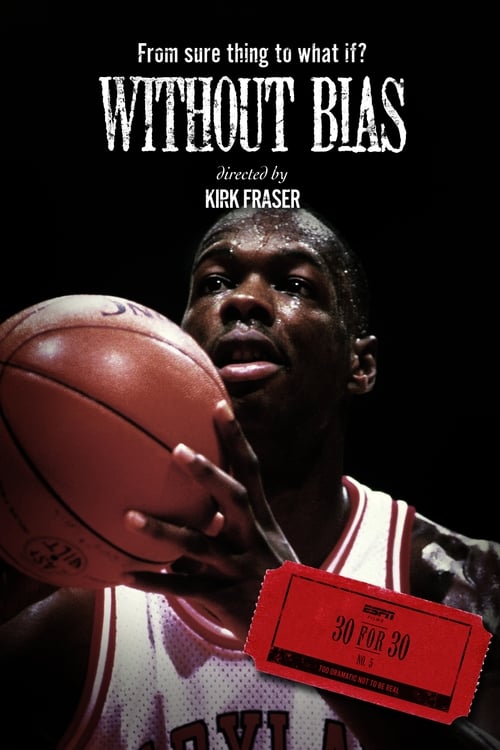
The late Len Bias still leaves more questions than answers. When Bias dropped dead two days after the 1986 NBA Draft, he forever altered our perception of casual drug use and became the tipping point of America's drug crisis in the mid-80's. Future generations continue to face the harsh punishment of drug policies that were influenced by the public outcry after his heartbreaking death. Instead of becoming an NBA star, he became a one-man deterrent, the athlete who reminded everyone just how dangerous drug use can be. Amazingly, questions still linger about his death nearly a quarter-century later. How good could he have been in the pro ranks? Has he become underrated or overrated as the years pass? How could a University of Maryland superstar and Boston Celtics lottery pick be derailed by a cocaine binge? Was Bias a one-time user as we were led to believe, or was there a pattern of recreational use that led to his fatal last night? Did he fall in with the wrong crowd.
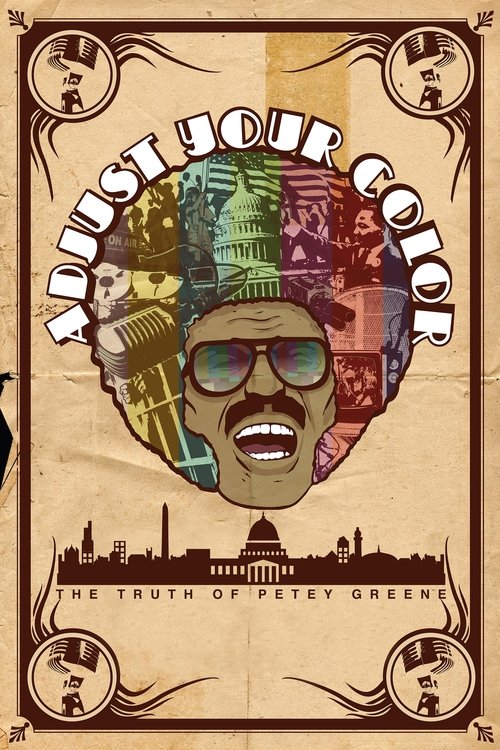
Actor Don Cheadle narrates the story of America's first shock-jock, Washington D.C. radio personality Ralph "Petey" Greene.
Raymond Joshua, a young black performance poet, is arrested and imprisoned for a petty marijuana charge in a Washington, D.C. jail. Although the confining prison walls do little to shield him from danger, it is within those walls that Raymond establishes his identity, strength, and voice and meets a prison gang leader and a prison writing teacher, Lauren Bell. Bell inspires Raymond to use the power of creative expression to free himself from the struggles and demise of the Black male as another victim of the judicial system.
"The Legend of Cool 'Disco' Dan" is the story of black Washington DC told from the perspective of Cool "Disco" Dan starting with his birth during the civil rights era and follows his life parallel with the rise of Go-Go music through the 1980s (which is the unheard but yet dominant urban music of DC) and also local DC politics with Marion Barry's rise and fall. Despite ending up homeless Cool "Disco" Dan used graffiti to escape the social problems D.C. had in the 1980s when things turned violent and became known as the Murder Capital of the United States. Cool "Disco" Dan ends up as a cult character of DC and his name becomes a symbol of survival during DC's most trying years.
Ballou , a documentary film, follows the talented Washington, DC, Ballou Senior High School Marching Band, as they overcome their negative environment filled with guns, drugs, and violence, and uplift the community with music, dedication, and personal sacrifice. This Washington, DC, High School Marching Band--from an impoverished community just 3 miles away from the US Capitol building--is on its way to the national band competition. They are a family with heart and soul that use hard work, discipline, and compassion to overcome all obstacles. Political leaders and celebrities including Rev. Jesse Jackson, Gen (ret) Colin Powell, Congressman John Lewis, Marion Barry, Denyce Graves, DC Mayor Adrian Fenty and Chuck Brown are featured in the film to show the importance of a small marching band in the lives the band members and in the community.
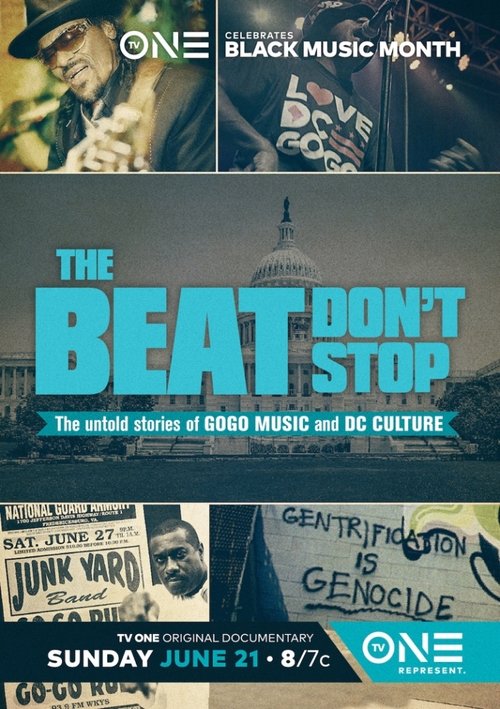
The history and legacy of Go-Go music and its contribution to the musical landscape. Appearances from such artists as Doug E. Fresh, Junk Yard Band, Trouble Funk, E.U., Backyard Band, TOB, TCB and DJ Kool.
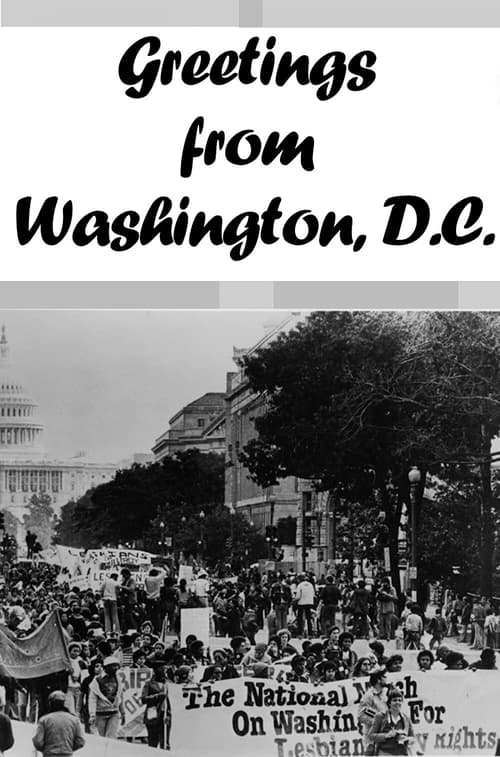
A short documentary about the First National March on Washington for Lesbian and Gay Rights, which took place on Sunday, October 14th 1979.
TV short about Jackie Robinson, the first African American to play in Major League Baseball in the modern era.
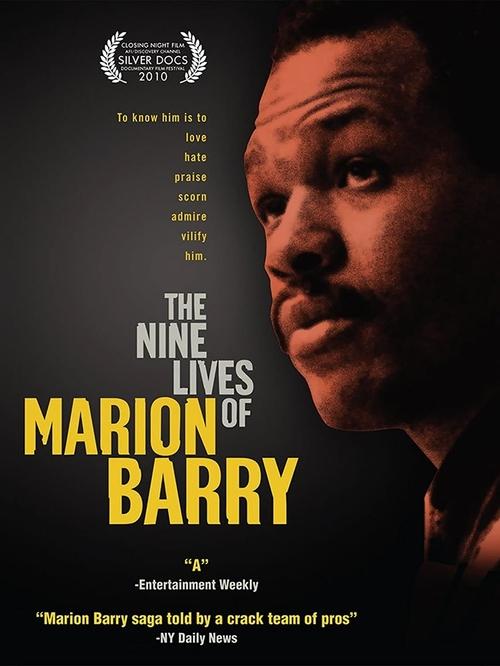
Many people remember Marion Barry as the philandering drug-addled mayor of the nation's capital. He's the poster boy for corruption, a pariah. Yet to others, Marion Barry is a folk hero who has dominated Washington D.C. city politics for over 40 years. Today, Barry is once again in the political limelight. Who is Marion Barry, really? A hero? A scoundrel?
Documents the early, turbulent years of OEO'S experiment in police-community relations in Washington, DC R.1: Police and citizens express their attitudes toward each other. A citizens committee is appointed by the D.C. government, but dissension ensues over control of the program. Project director, Robert Shallow addresses the group; community leader Marion Barry urges citizen control, A pilot precinct is finally selected. R. 2: Police engage in training sessions, and community leaders struggle to replace the committee with elected representatives. A citizens' board is elected and the white project leader is replaced by a black official, Fred Lander. R. 3: Dissension between OEO and the community continues, but several programs including citizen riders, an emergency center, local police recruiting and an escort service, get underway. The board continues to struggle, and the program is refunded. At the films close, a small boy expresses his bitterness towards the police