Acting
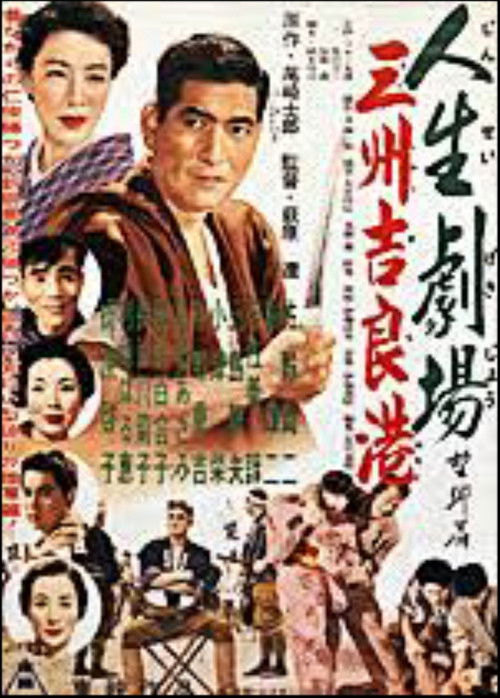
1954 Theater of Life adaptation.
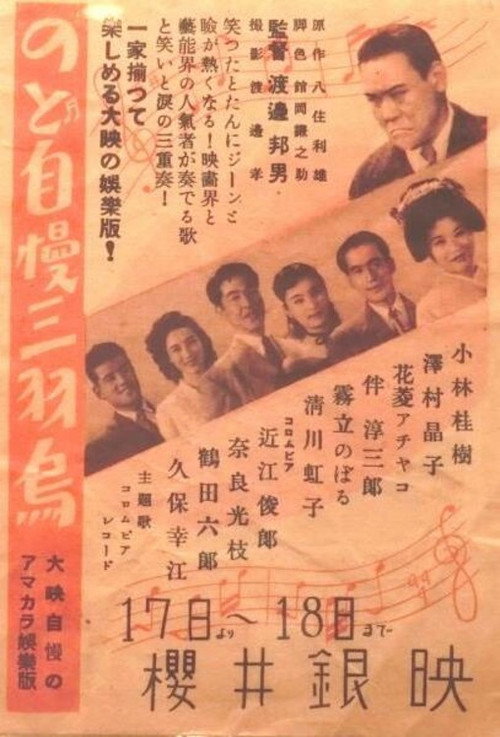
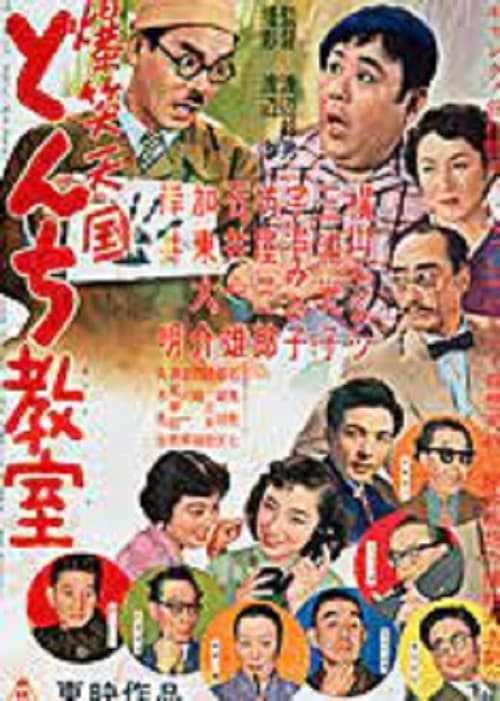
A spectacular comedy with a star-studded cast that depicts unusual trials and unexpected verdicts regarding the five deadly sins: the crime of beauty, the crime of a terrifying wife, the crime of taking the wrong course, the crime of seducing, and the crime of killing with laughter.
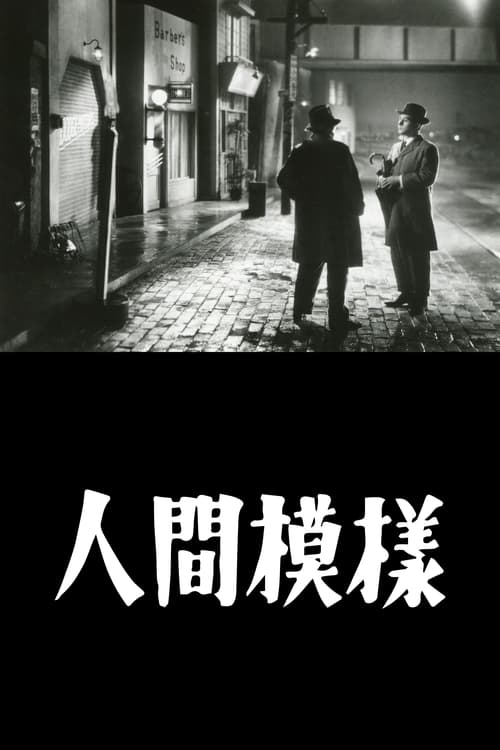
A love triangle among a girl, her poor boyfriend, and a rich company president.
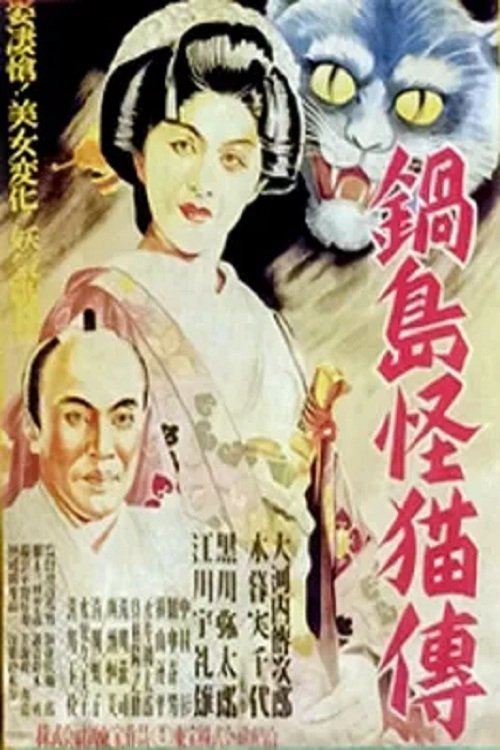
Tanuma Kandayuu is a high class samurai of the house of Nabeshima. He finds a lavish board of Go (a Chinese Board game) at Kinbei's store. He recommend Kinbei to offer it to his lord. Kinbei hesitates at first, since he knows the board has a mysterious legend surrounding it; it's believed that for every game played on the board, one death is required.
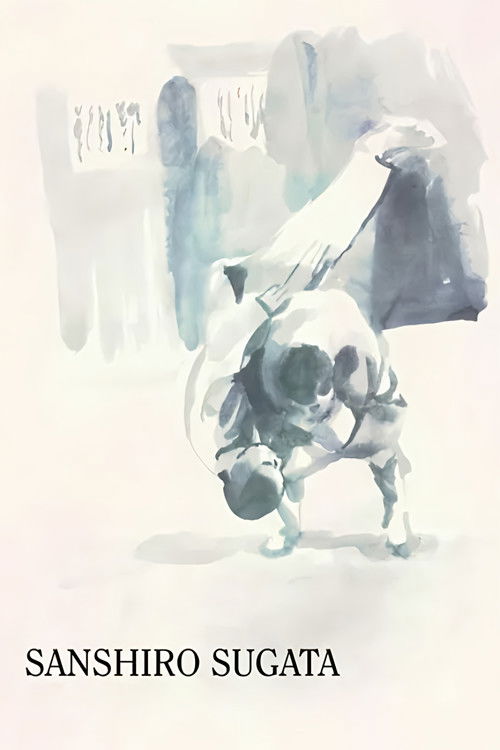
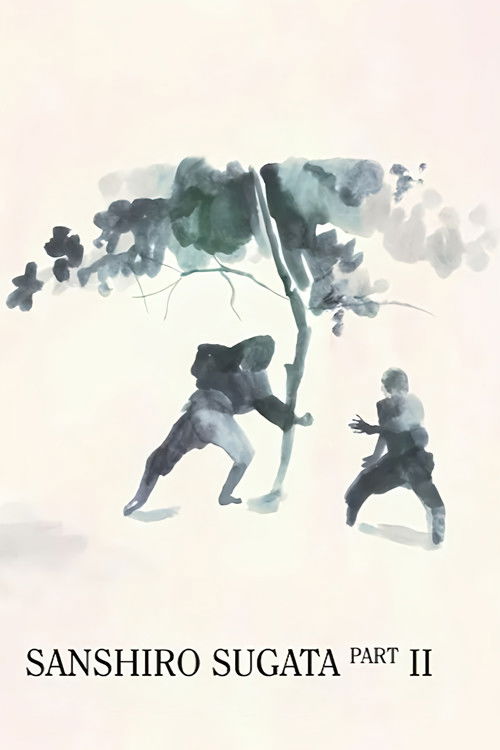
A hotheaded youth in 1880s Meiji Japan apprentices to judo master Shōgorō Yano, trading brute jujutsu bravado for discipline and humility. As Sanshirō matures, he proves judo’s spirit against old-guard challengers—including a deadly duel—while falling for his vanquished opponent’s daughter. Based on the novel by Tsuneo Tomita, son of Tomita Tsunejirō, the earliest disciple of judo.
A 1937 Japanese language film directed by Tomu Uchida, starring Ryo Akaboshi, Mitsuru Date and Hisao Furutani.
A few years after his breakthrough, Sanshiro resumes his path to judo mastery—testing his discipline against an American prizefighter and later facing vengeful karate brothers. As rival schools and public spectacle push him toward violence, he must reconcile strength with restraint and the true spirit of his art.
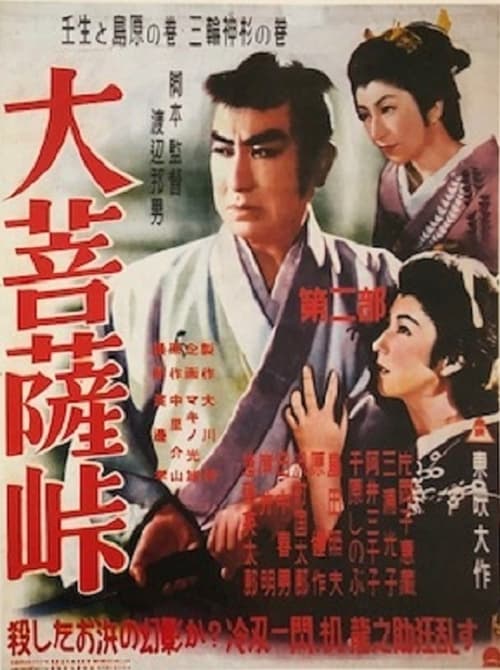
The second film in the 1953 trilogy based on the long novel series The Great Bodhisattva Pass.
No description available.
Ine Onoda, the eldest daughter of a poor family of farmers, raises a colt from birth and comes to love the horse dearly. When the horse is grown, the government orders it auctioned and sold to the army. Ine struggles to prevent the sale.
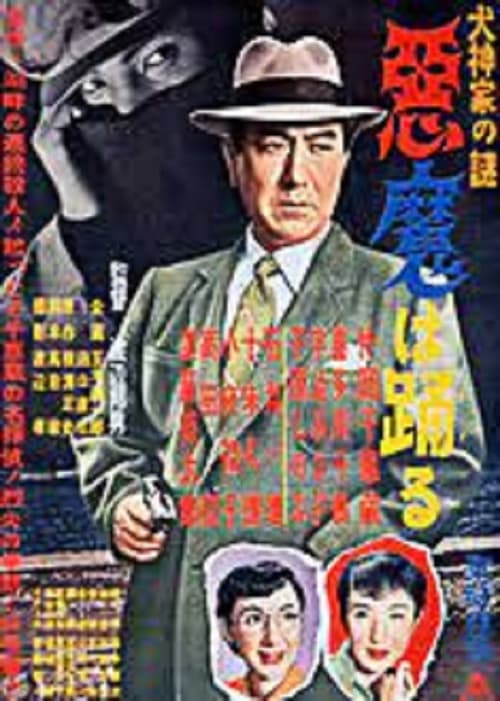
Early adaptation of the book "The Inugami Clan", featuring the detective Kōsuke Kindaichi.
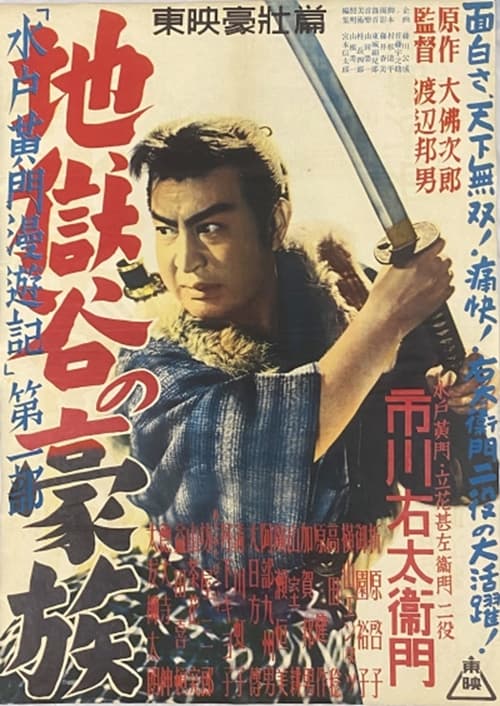
The deputy shogun of the realm, accompanied by his loyal and capable aides, makes a stop at Jigokudani, a place along his journey through various provinces. Here, a lively and entertaining tale unfolds, filled with swordplay where heroes and villains clash, intertwined with heartwarming humor.
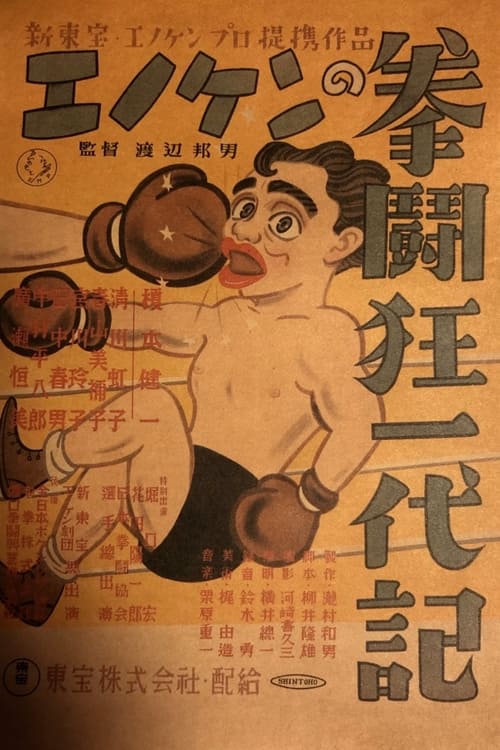
Near the end of the Taisho era (1912-1926), Enokichi, a popular figure in the world of boxing entangled in the Yakuza business.
A 1943 film.
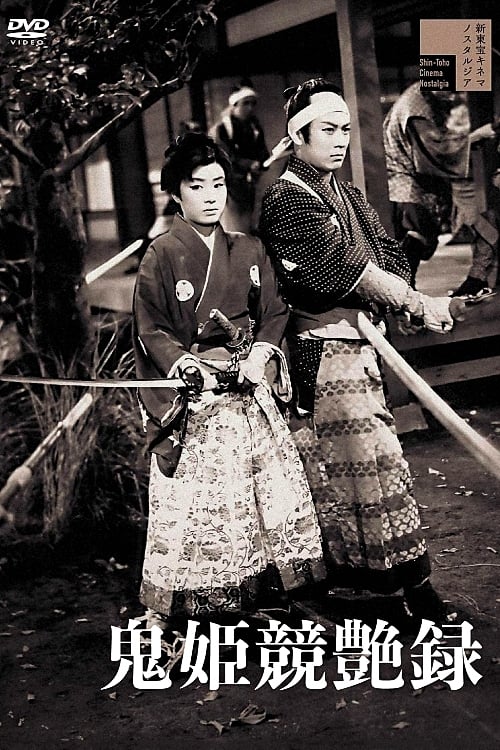
An exciting historical drama in which a beautiful woman secretly solves the family problems of the Owari clan. Hibari Misora plays two roles: a charming princess and a dashing youngster, performs songs and dances throughout the film until the big decisive battle.
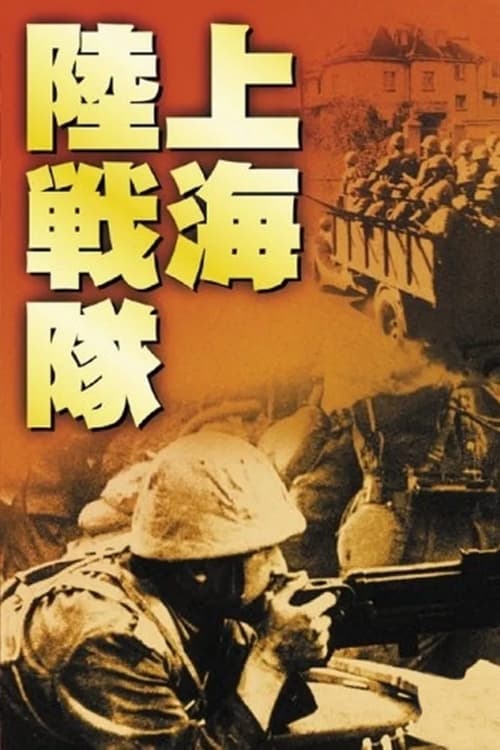
This film attempts to reconstruct the tension of the Battle of Shanghai through an episode in an understated way, introducting its story in a documentary mode. In the film story, Japan's marine regiment protects Japanese residents and Chinese refugees-women and young children-from rampant street fighting, Shanhai Rikusentai unsparingly uses its first eight minutes for an official-mannered self-justification of the war. From the viewpoint of explaining Japan's military operation,the narration refers to the city s spatial division in sync with maps on screen.
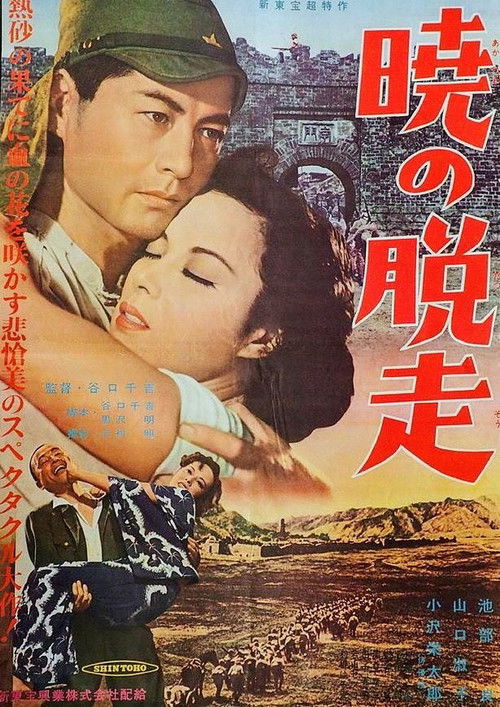
Mikami, a Japanese soldier, is captured by Chinese forces. Although able to escape, he is treated with contempt by his peers. After falling in love with a prostitute named Harumi, she convinces him to desert the army and live with her.
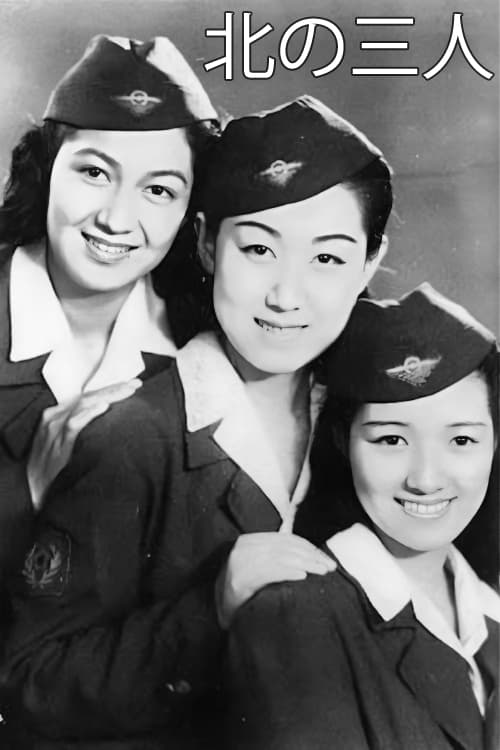
The story of an airport and its air traffic control crew in a remote and northern Japanese town. Three of the air traffic controllers are female with one of them working with her dead fiancé's sister. The engaged man had gone to war and never returned.
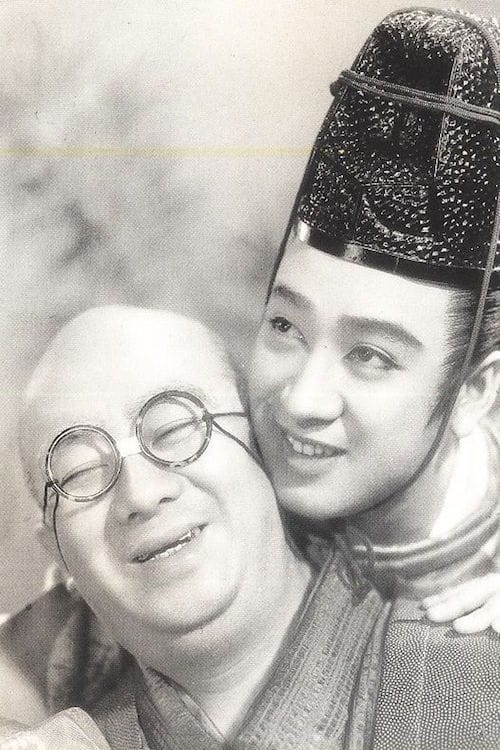
A sentimental tale of the filial love between shogun Iemitsu (matinee idol Hasegawa) and his loyal old retainer Hikoza (comedian Roppa, playing somewhat against type).