Acting
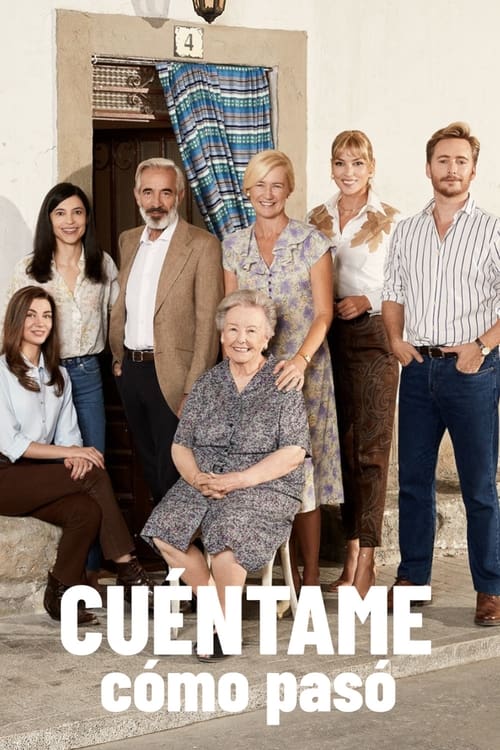
Recounts the experiences of a middle-class family, the Alcántaras, during the last years of the rule of Francisco Franco and the beginning of the Spanish Transition to democracy.
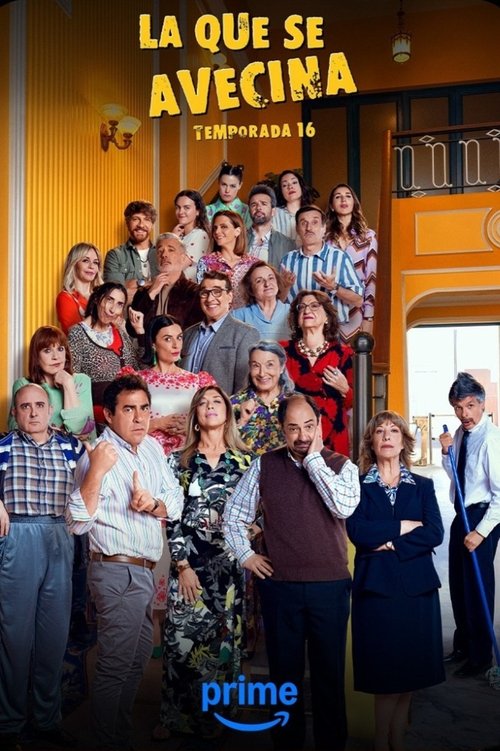
La que se avecina is a Spanish television comedy created by Alberto Caballero, Laura Caballero and Daniel Deorador. The TV-series focusing around the inhabitants of Mirador de Montepinar, a fictional building located on the outskirts of a big city. Both its storylines and cast are heavily based on Aquí no hay quien viva, which ended when Telecinco bought Miramón Mendi, the series production company. The episodes debuted on the Telecinco network, and were later rerun by the same network as well as cable/satellite channels FactoríaDeFicción and Paramount Comedy. The series debuted in 22 April 2007 and became popular thanks to its funny characters, witty script, use of catchphrases and capacity to integrate and poke fun at contemporary issues; the program presents a caustic satire of many of the 'types' found in Spanish society. The name of the show involves wordplay, as "vecina" is the Spanish word for neighbour.
No description available.
Alberto owns an advertising agency. On January 1, 2006, without knowing why, he do not know off the bed. The next day either, or the next week or the next 5 years.
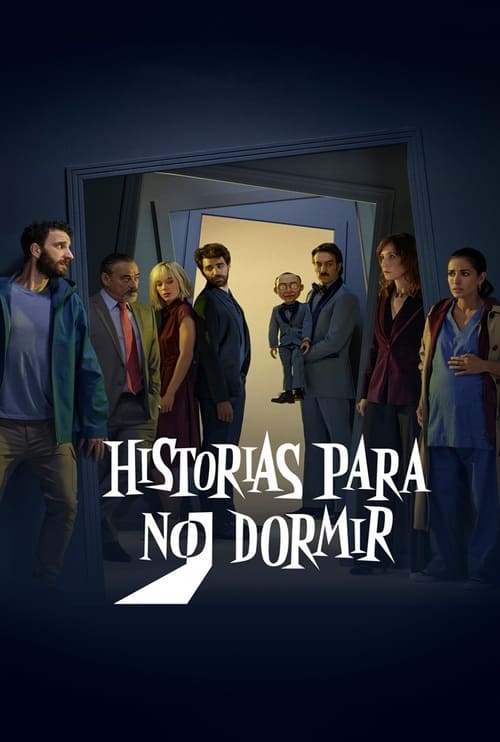
This satirical anthology tells the surreal stories of a gift for Don Horacio, a trip to the beach for Bermejo, a life-changing relationship between Tina and the young immigrant Ayoub, and a new client for a company that specializes in excuses.
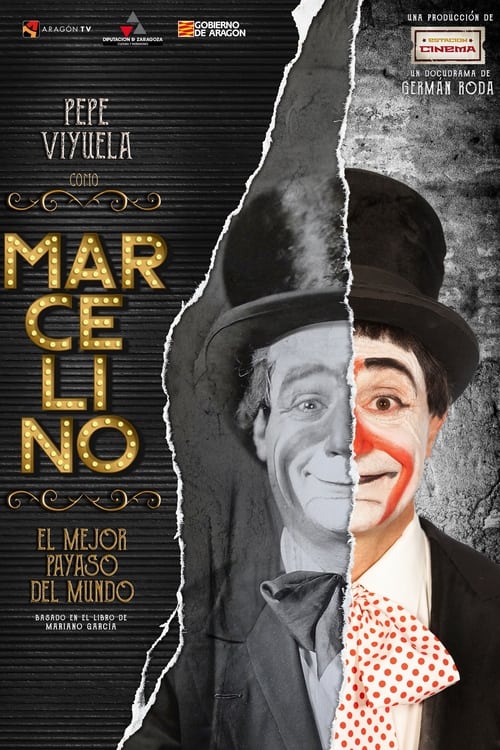
An account of the life and work of the Spanish clown, mime, acrobat and actor Marcelino Orbés (1873-1927), known as Marceline, who, between 1900 and 1914, was unanimously acclaimed as the best in the world.