Acting
La que se avecina is a Spanish television comedy created by Alberto Caballero, Laura Caballero and Daniel Deorador. The TV-series focusing around the inhabitants of Mirador de Montepinar, a fictional building located on the outskirts of a big city. Both its storylines and cast are heavily based on Aquí no hay quien viva, which ended when Telecinco bought Miramón Mendi, the series production company. The episodes debuted on the Telecinco network, and were later rerun by the same network as well as cable/satellite channels FactoríaDeFicción and Paramount Comedy. The series debuted in 22 April 2007 and became popular thanks to its funny characters, witty script, use of catchphrases and capacity to integrate and poke fun at contemporary issues; the program presents a caustic satire of many of the 'types' found in Spanish society. The name of the show involves wordplay, as "vecina" is the Spanish word for neighbour.
No description available.
Atypical and highly unconventional high school teacher Hugo Ibarra tries to solve the problems of his most conflictive ESO students through alternative educational practices.
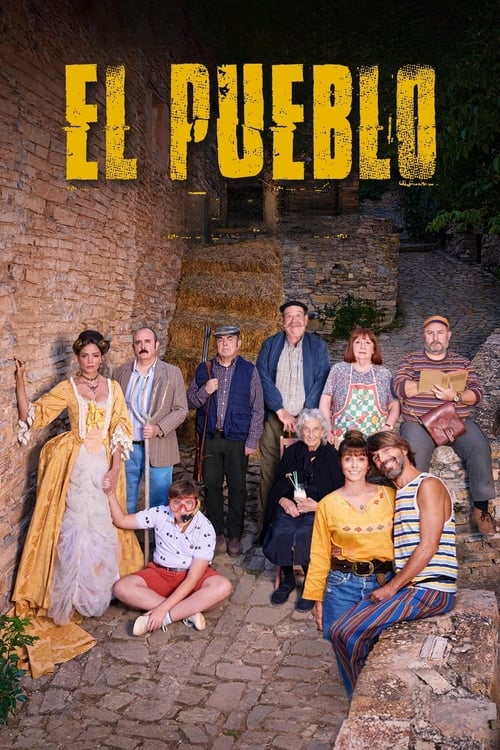
A group of urbanites flee the city for different reasons: existential, economic crisis, need for fresh air, search for peace, inspiration to compose ... The intention of these strangers is to settle in an abandoned town and start their lives from scratch, but when they arrive they discover that there are still some neighbors: rural people with a very different way of seeing life.
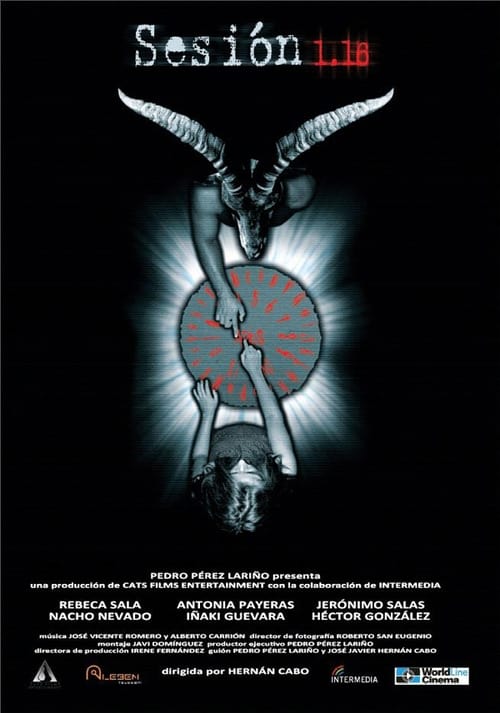
A priest, tormented by his past, warns some students of the consequences of the practice of "QUI-JA". For this he shows them a series of tapes.
A cleaner woman with vocational street dancer tries to recover her long-stranded son that she gave for adoption, a former CEO who lost everything, including his memories.
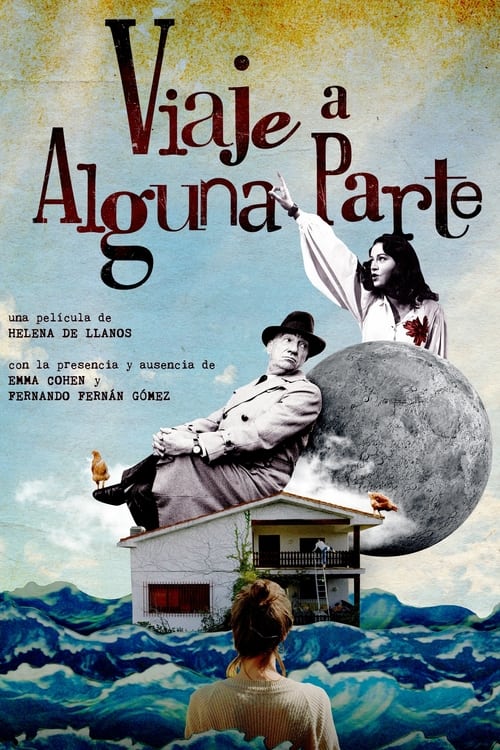
A young woman, who has inherited her grandparents' huge house, a fascinating place full of amazing objects, feels overwhelmed by the weight of memories and her new responsibilities. Fortunately, the former inhabitants of the house soon come to her aid. (An account of the life and work of Fernando Fernán Gómez [1921-2007] and his wife Emma Cohen [1946-2016], two singular artists and fundamental figures of contemporary Spanish culture.)
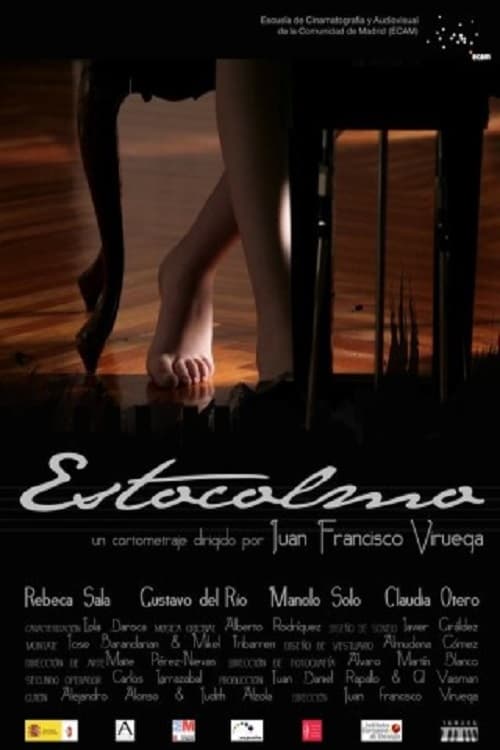
Adela has just settled in Madrid with her father, Claudio, a retired concert musician and a hermit. Both teach piano to small children in a quiet, sparsely-furnished flat in the centre of town.
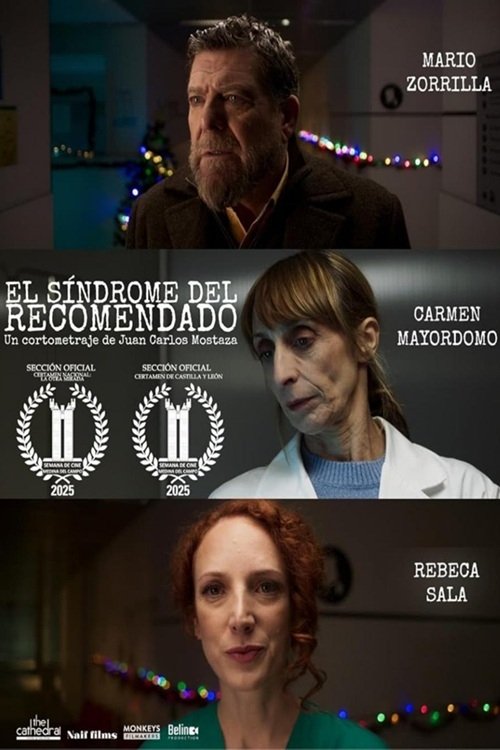
Would you wait through the endless waiting list if you could get the medical test you need as a priority? But when you go with a recommendation, not everything comes with perks.
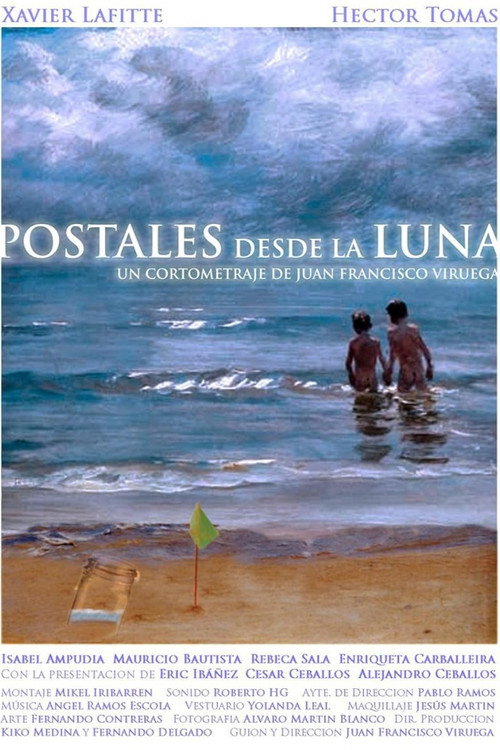
Julien and Louis begin together a journey to southern Spain, hoping to find intact the place where they were happy during their childhood.
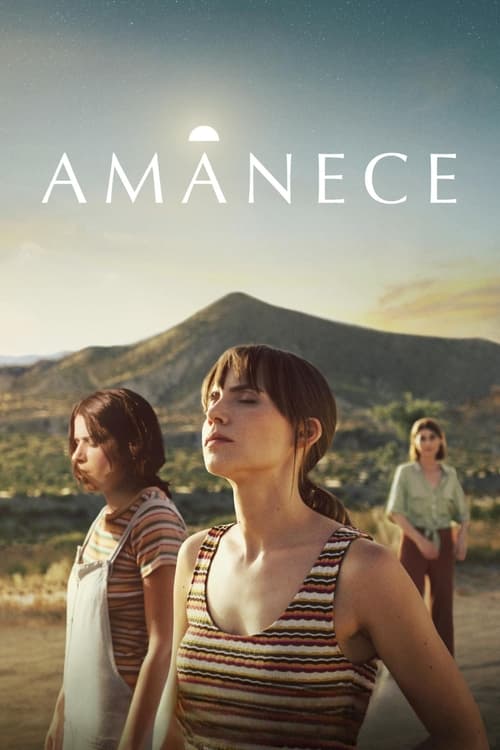
Alba and Martín embark on a trip to the southeast of Spain. They make a stop at an isolated farmhouse in the middle of the desert, whose esplanade is full of furniture and objects for sale. As they silently observe these relics belonging to broken relationships, they perceive the nostalgia for a feeling already exhausted, whose last throes show them that their journey is a flight forward.
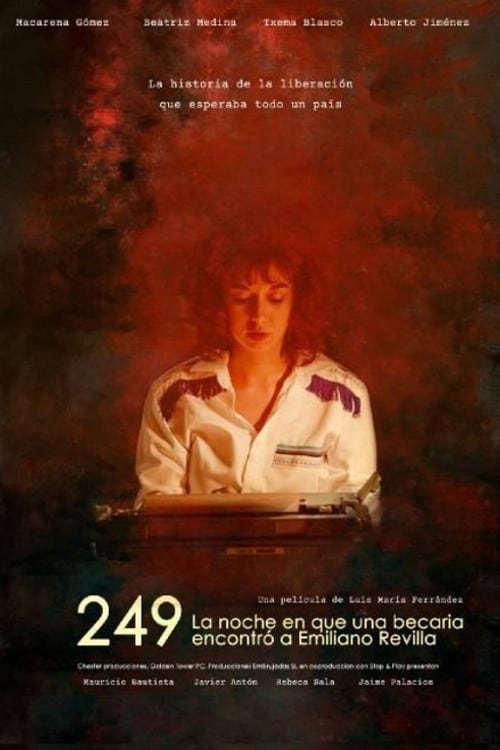
On October 30, 1988, the businessman Emiliano Revilla had been kidnapped by ETA for 249 days. After more than eight months of captivity, hopes of liberation were increasingly scarce and very few journalists were still standing guard at the employer's house. María José Sáez, a young editor, formerly of the EFE Agency, was the only one who was close to the house on the night of October 30th.