Acting
Directed by Henri Fescourt.
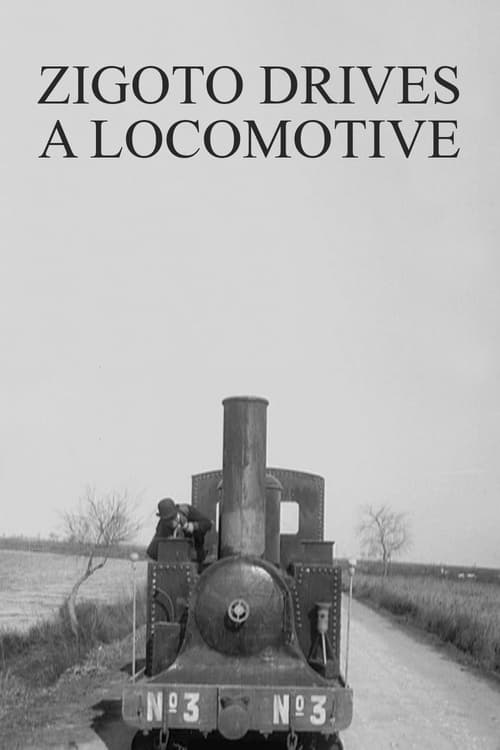
When the train workers go on strike, Zigoto terrorizes the town in a hijacked locomotive.
An early Gaumont short
After serving in the trenches of World War I, Jean Diaz recoils with such horror that he renounces love and personal pleasure to immerse himself in scientific research, seeking a machine to prevent war. He thinks he has succeeded, but the government subverts his discovery, and Europe slides with seeming inevitability toward World War II. In desperation, Diaz summons the ghosts of the war dead from the graves and fields of France to give silent, accusing protest.
Berthe Dagmar is kidnapped and Lucien Bataille is almost immediately on the case: examining the road with a magnifying glass, putting a straw hat on a horse, climbing a high gate, and duckwalking across a parapet. Nothing will stop him in his quest to.... well, whatever it is he's doing.
Over-stimulated by boxing lessons, Gavroche brings a lion home to spar with, triggering an all-out assault on public order.
Two hearing protection product sales reps have mixed fortunes in the exercise of their trades. They first have to face a female singer who... slams her door at them! Second they try to a influence a man by giving one of his friends'name as a reference whereas the aforementioned friend is... on the spot! As for the third client, he seems to be willing to buy one of their articles until the two salesmen realize that he is... hard of hearing!
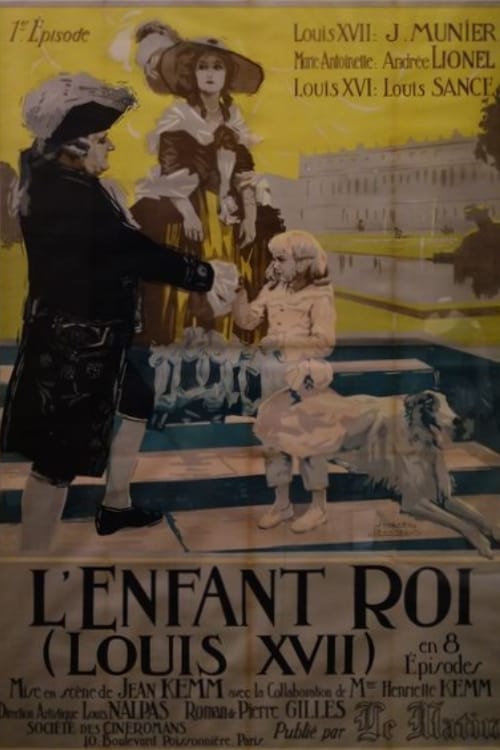
An eight part ciné-novel (episodic film) set during the French Revolution, telling the story of the Dauphin's childhood in Versailles, his life at the Conciergerie during the Revolution, and his untimely death.
An ape, turned near human by Dr. Coriolis and given the name 'Balaoo', is smitten by the beauty of Coriolis' niece, Madeleine. Being inquisitive, though, he runs off, getting into mischief, and falls in with a poacher who saves his life. Acting now as his slave Balaoo kills a man for the poacher, but balks on his orders to kidnap Madeleine, deciding instead to set a trap for the poacher.
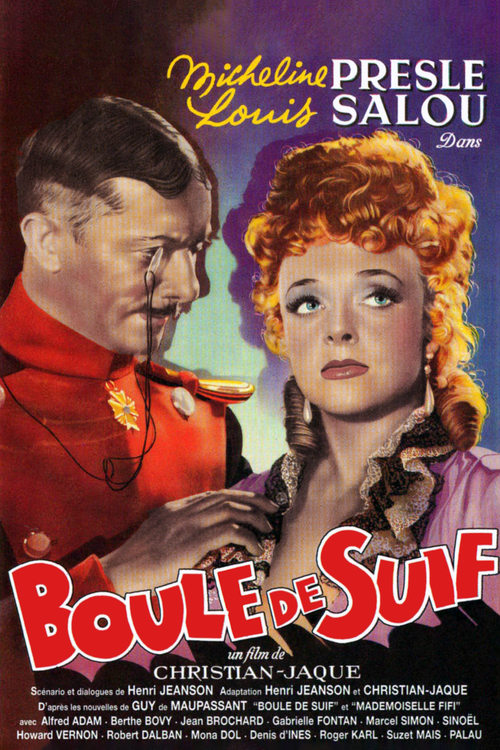
During the stagecoach trip of a frightened group of inhabitants of Rouen, Elisabeth Rousset, known as "Boule de Suif", renders these people a signal service, but comes up against their stupidity and their sufficiency. A little later, Boule de Suif assassinates the formidable Prussian lieutenant whom his friends had nicknamed Fifi and who shamelessly displayed his taste for pillage and his sadistic tendencies.
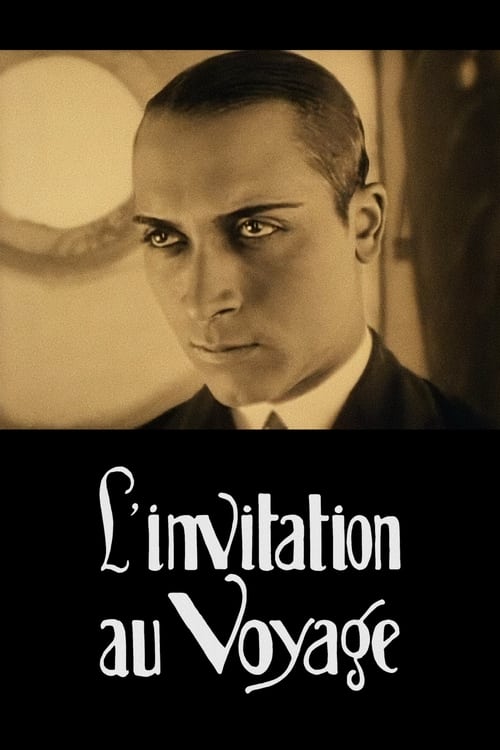
A woman enters a nightclub and slowly begins to open herself up.
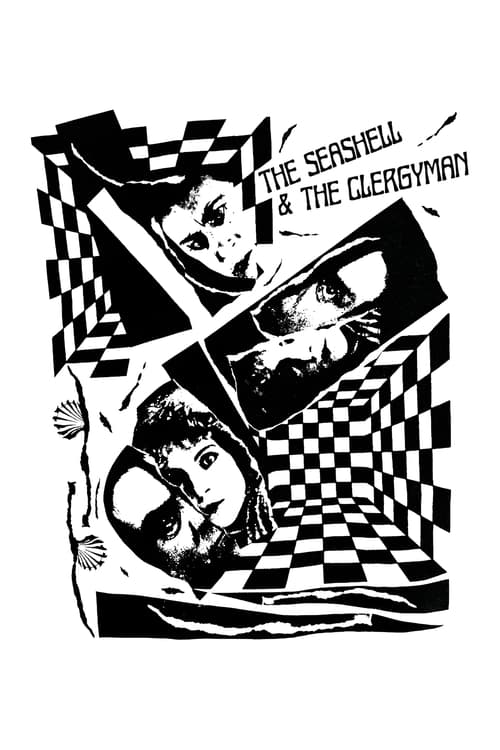
Obsessed with a general's wife, a clergyman has strange visions of death and lust, struggling against his own eroticism.
No description available.
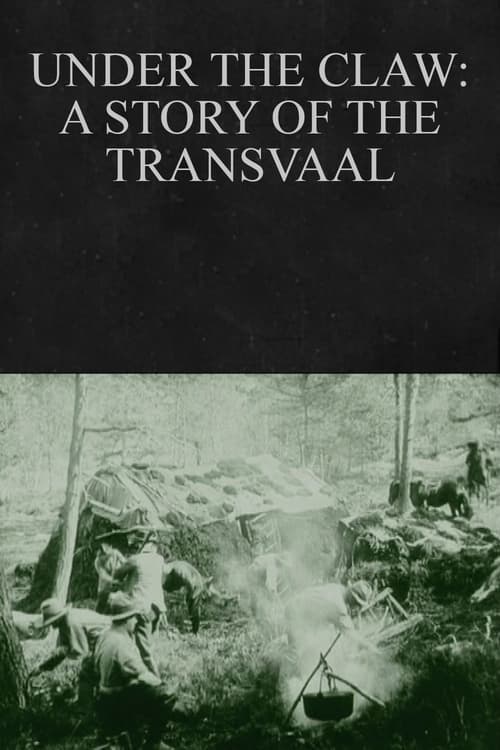
A mine owner discovers a vein of gold but unfortunately dies. His wife doesn't want to sell the mine and so the forman decides to lock her up in a cottage with a dangerous and hungry leopard.
A French comedy short with Zigoto.
The Bread Peddler is a 1923 French silent drama film directed by René Le Somptier and starring Suzanne Desprès, Gabriel Signoret and Geneviève Félix. It is based on Xavier de Montépin's novel of the same title.
The story is about a superstitious village, where the mayor has sold a tower to an unknown, who is soon suspected of being the devil.
Charming Mimi-Trottin is in love with typographer Louis Chausson, nicknamed Godasse. She meets Doudou, actually a Vicomte, estranged with his parents who are rich automobile manufacturers. Godasse abandons Mimi because of his professional ambitions and Doudou rescues her from a suicide. After making peace with his parents, the young man has Mimi hired as a typist at the factory. After winning a race with one of his father's car, he soon wins the heart and the hand of Mimi.
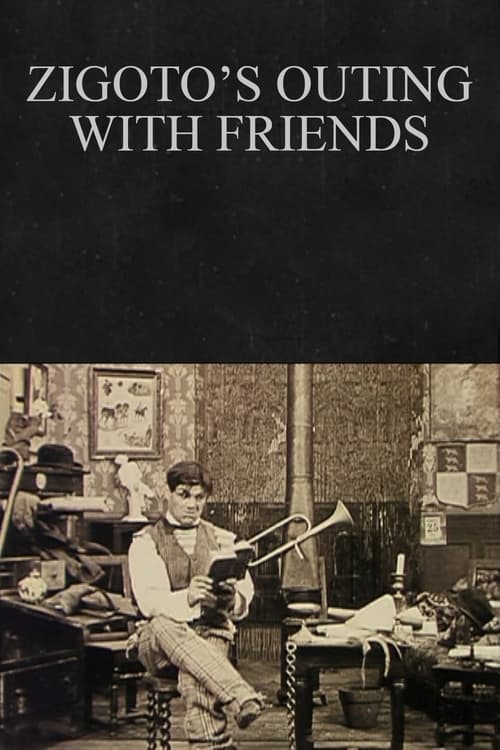
The short by Jean Durand begins with his frequent character, Zigoto (Lucien Bataille) reading a boring book. So, instead he goes on an outing in his new car with his friends. The captioning says it's a new '101 horsepower car'--this, during an age when the horsepower of cars actually was between 4-30 horsepower! So, in other words, it's supposed to be a super-fast car.
For some time now, Sosthène, clerk at the Grand Laundromat of Papillon-sous-Bois, has been in love with Alphonsine, the girl who brings the laundry. One evening, he decides to win the heart of his beloved, who until now has been cruel and deaf to his fiery declarations, and if necessary, he'll kidnap her. Hidden at the edge of the woods, when Alphonsine goes by, Sosthène rolls through the grass until he lands at the beauty's feet, proclaiming his love in a deranged voice: "Be mine, or die!", "You idiot!". Blood rushes to Sosthène's head. His breath becomes so ragged that it can be heard a mile away, catching the attention of the famous detective Zigoto who was walking Bouboule, his no less famous police dog.