Jahnu Barua
Directing
Biography
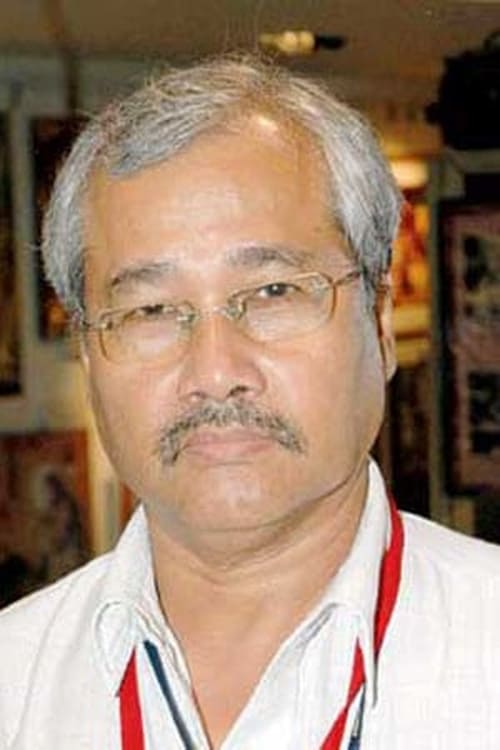
Jahnu Barua is a multiple national and international award-winning Indian film director from Assam He has directed a number of Assamese and Hindi films, and along with Bhabendra Nath Saikia was one of the pioneers of Assamese Art cinema.
Known For

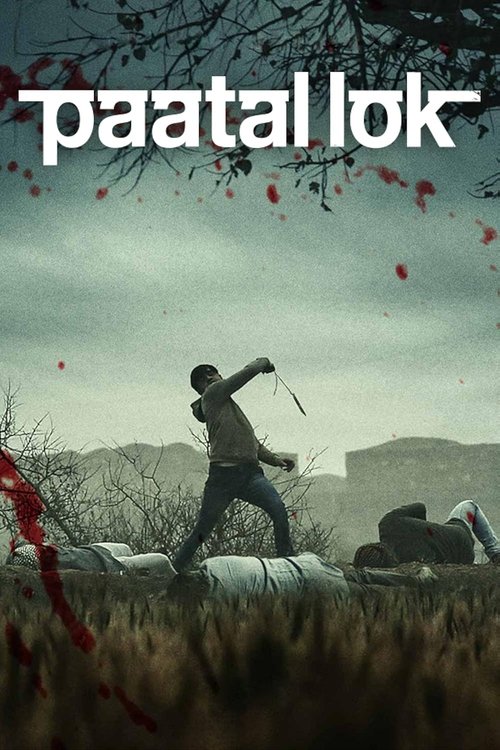
A down and out cop lands the case of a lifetime when four suspects are nabbed in the assassination attempt of a prime time journalist. The case turns out to be a devious maze where nothing is what it looks like. The pursuit of it leads him to the dark netherworld - the 'Paatal Lok', and to shocking discoveries in the past of the four suspects.
Paatal Lok

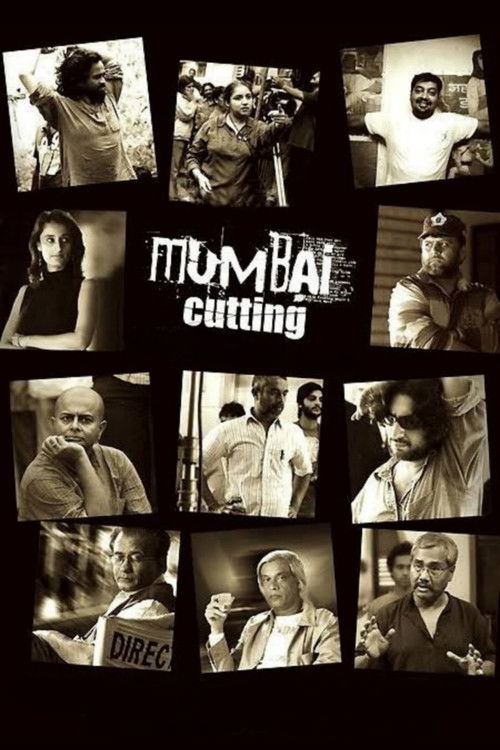
An anthology of eleven short films from eleven directors featuring stories of life in Mumbai.
Mumbai Cutting

While Northern India’s 100-year-old film industry is best known for flamboyant dance sequences and romantic plot lines, its directors have begun to step outside established formulas and explore grittier subject matter. This program surveys the world of Bollywood filmmaking, examining the personalities as well as the commercial and thematic concerns that drive central Asia’s answer to Tinseltown. Interviews with directors Karan Johar, Ashutosh Gowariker, and Yash Chopra are included, along with commentary from choreographers, musical directors, and Cinemaya Magazine editor Aruna Vasudev. The industry’s newfound attention to poverty, homelessness, and other social concerns is examined. Several film excerpts are included.
Cinema Asia: India

Once known for his intellectual prowess, a retired professor (Anupam Kher) begins experiencing memory gaps and periods of forgetfulness. But while he tries to laugh it off, it soon becomes clear that the symptoms are a sign of a more serious illness, prompting his grown daughter (Urmila Matondkar) to move in as his caretaker. Meanwhile, as his mind regresses, he recalls a traumatic childhood memory involving the death of Mahatma Gandhi.
Maine Gandhi Ko Nahin Mara

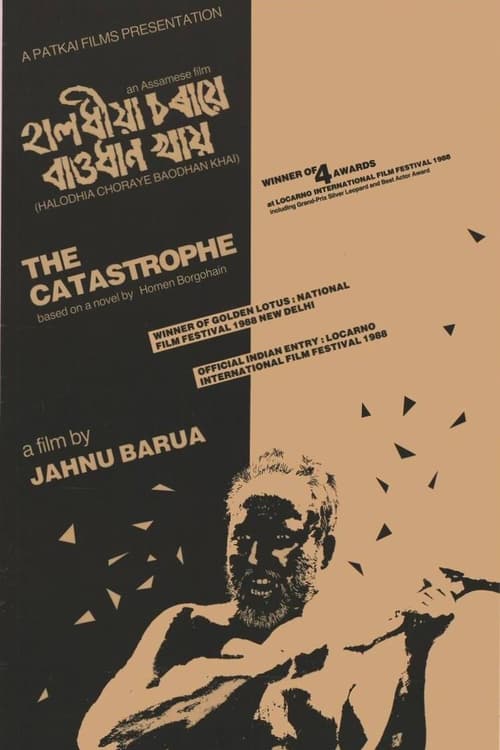
Rakeshwar Bora, a simple Assamese farmer, faces ruin when a greedy landlord deceitfully claims his ancestral land by demanding a mortgage receipt that was never provided. To afford the steep bribes required by a corrupt legal system, Bora is forced to sell his livestock and send his young son to work as a servant for the same landlord. His ultimate humiliation occurs when financial desperation forces him to hang political banners praising the very man who destroyed his livelihood.
The Catastrophe

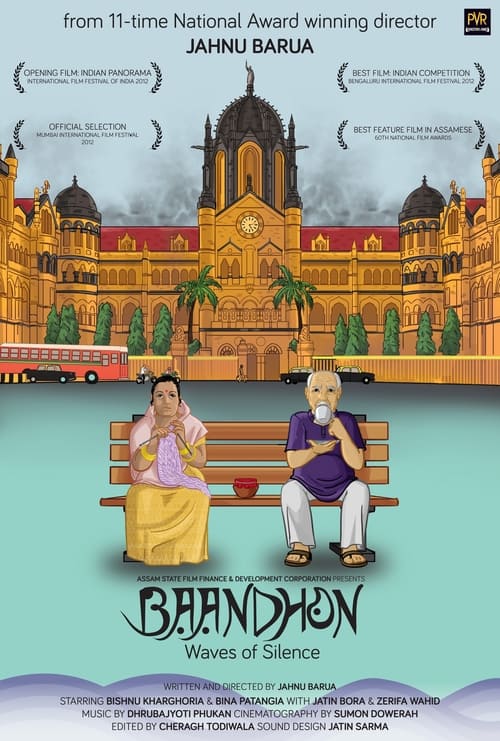
Dandeswar and Hkawni, both age 73, arrive in Mumbai to look for their beloved grandson - the only other living member of the family who has been missing since the 26/11 2008 terror attack.
Baandhon

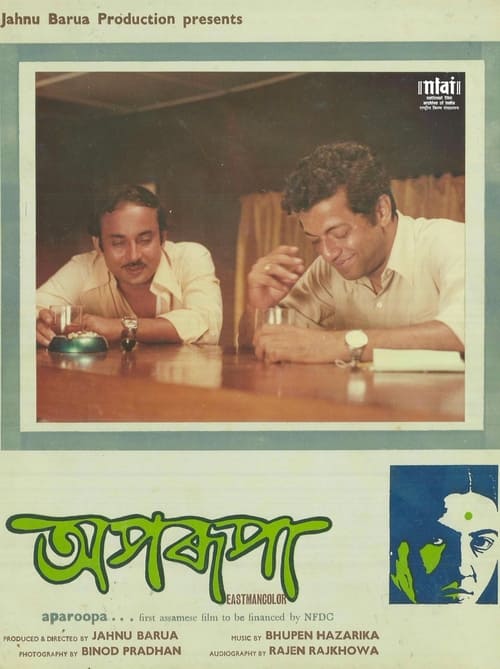
Set in the tea plantations of Assam in northeast India, where a young woman quits her studies to marry a wealthy man whom her father owes money. The monotony of her days is broken by the arrival an old university acquaintance.
Aparoopa
The story is set in 1962, the time of Sino-India war. It revolves around a widowed teacher named Ritu who is transferred to Koronga, a small Assamese village. The school here was destroyed by fire ten years earlier. Ritu takes on the challenge of rebuilding the school and starts campaigning among the villagers.
Firingoti
Bhoga Khidikee is a 2018 Assamese drama film directed by Jahnu Barua. It was the opening film of 2nd Guwahati International Film Festival. The film is based on the real life experiences of a village girl in upper Assam and is set against the socio-political landscape of the state in 2015
Bhoga Khirikee
With this ecological drama, Assam’s leading director Jahnu Barua continues exploring the conflict between corrupt state politics and a determined individual (cf. Halodiya Choraye Baodhan Khaye, 1987). The forest ranger confronts illegal timber merchants and contractors on behalf of impoverished tribals. The honest ranger’s activities get him into trouble and he is constantly transferred from one post to another, to the annoyance of his wife who wants him to settle down and look after their ailing child. Eventually she supports her husband’s fight and the tribals realise they need weapons to defend themselves against rapacious outsiders.
Forest

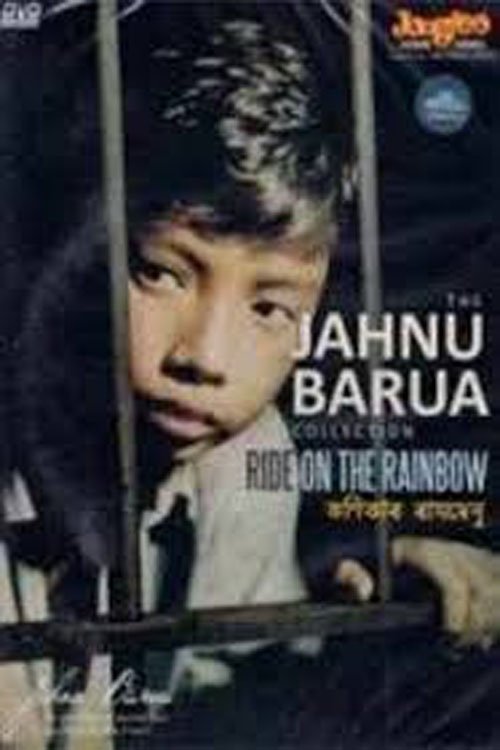
Konikar Ramdhenu is an Assamese language film directed by Jahnu Barua. It was released in 2003. The film was shown in Indian Panorama section of IFFI during October 2002 in Delhi and Mumbai International Festival in 2003. It is the last instalment of his trilogy, the other two being Xagoroloi Bohu Door and Pokhi.
Konikar Ramdhenu

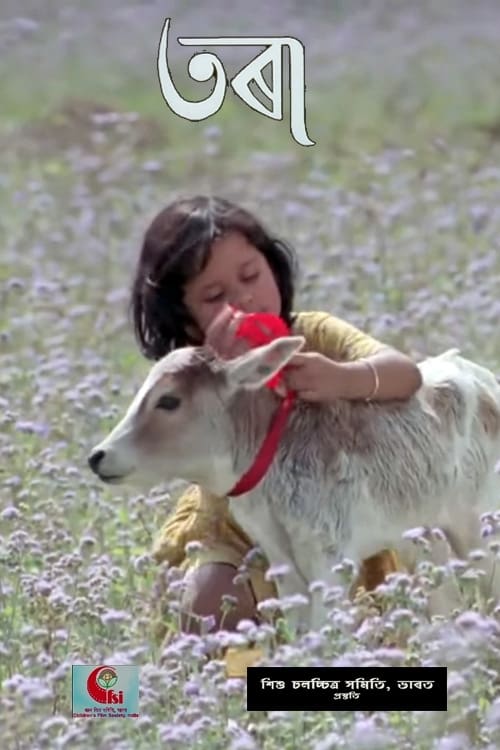
The film centred on two neighboring families in a village in Assam. The two families share a very amicable relation. Tora, the protagonist is a seven-year-old girl with her parents Purna (father) and Jonaki (mother). Naba and Daba are two brothers of the other family with their ailing bedridden mother. One day a dispute arises over a piece of land. Whilst the adults quarrel, Tora's voice is the only significant factor that can resolve the matter
Tora

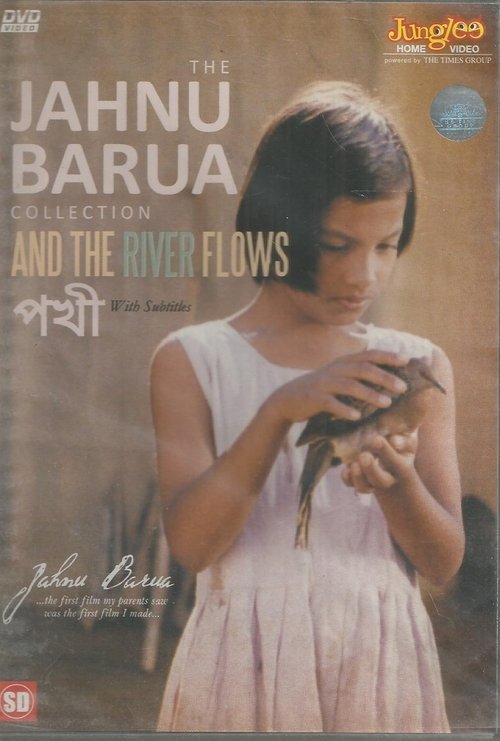
Pokhi (Assamese: পখী) is an Assamese language drama film directed by Jahnu Barua. It was released in 1998 as is the second instalment of his trilogy — the other two being Xagoroloi Bohu Door (1995) and Konikar Ramdhenu (2003). Pokhi won a National Award for Best Feature Film in the Assamese Category in 2000.
Pokhi

No description available.
Ajeyo
Diploma film of Jahnu Barua.
The F Cycle

Powal is a boatman in Nemuguri village that is situated on the bank of the river Dihing. Since there is no bridge at that point of the river, Powal's job is assured. For some three generations his forefathers have been ferrying people to and fro. Life goes on smoothly until Powal begins to hear persistent reports about a bridge to be built across the river.