Acting
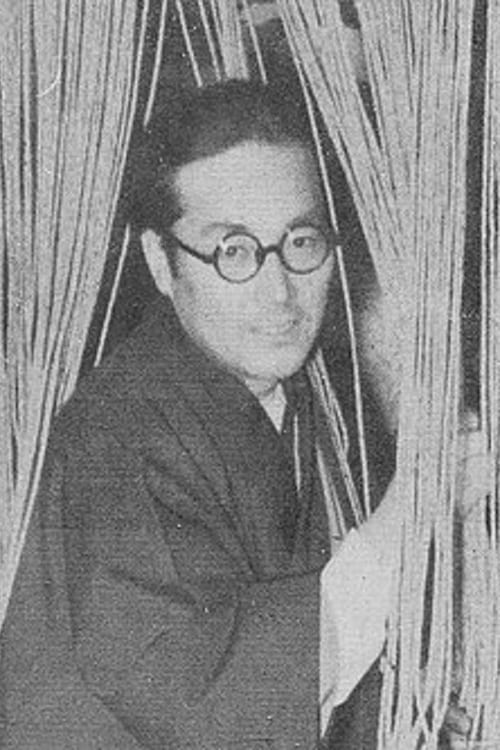
Ryūtarō Tatsumi (辰巳柳太郎; April 20 1905 - July 29 1989) was a Japanese actor.
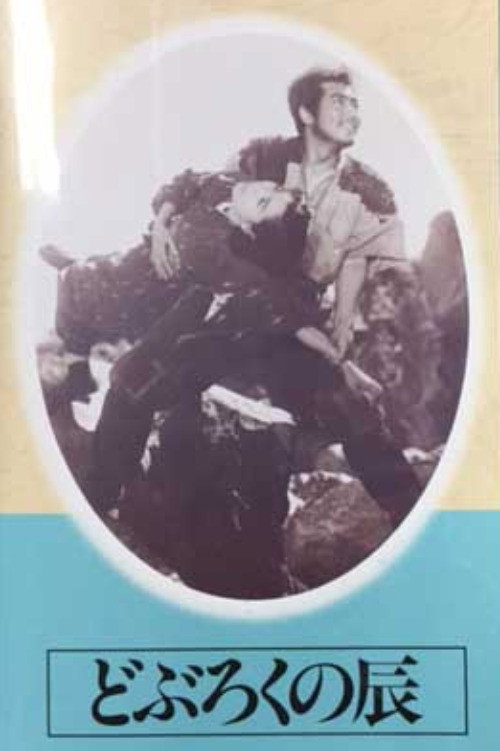
In a small village in a valley everyone who reaches the age of 70 must leave the village and go to a certain mountain top to die. If anyone should refuse they would disgrace their family. Old Orin is 69. This winter it is her turn to go to the mountain. But first she must make sure that her eldest son Tatsuhei finds a wife.
Contrast between two outlooks on life: one of a poor factory worker and the other the heir to millions.
Tomoraka Tasaka's first postwar work.
A dramatization of Ryotaro Shiba's novel of the same title about the life of Kobayashi Sahē, a chivalrous man who actually existed at the end of the Edo period.
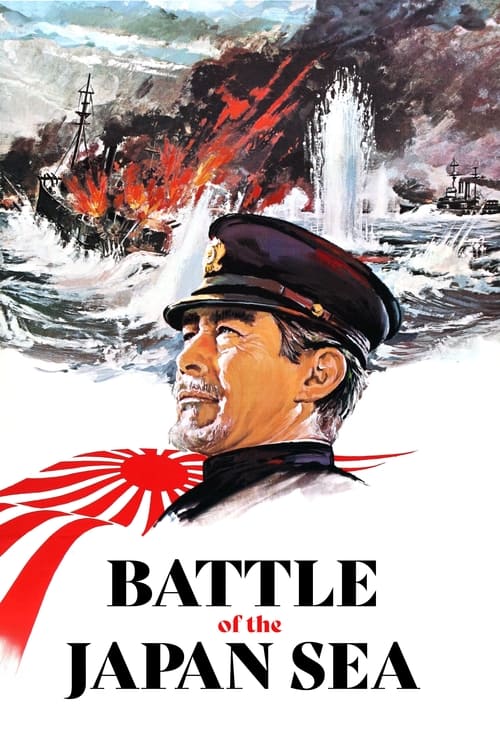
Japan and Russia clash in what comes to be known as the Russo-Japanese War. An attempt by the Japanese fleet and army to take Port Arthur fails, and a Russian fleet bears down on the Sea of Japan. Admiral Heihachiro Togo sends his fleet to confront the Russians, with results which stun both nations. Meanwhile, Major Genjiro Akashi makes secret negotiations with the Bolshevik revolutionaries in Russia, negotiations that have repercussions far beyond the conflict at hand.
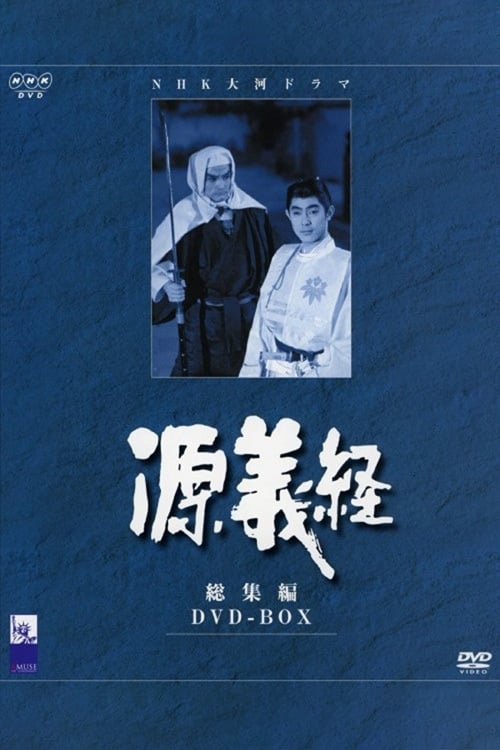
The chronicles of the life of Minamoto no Yoshitsune (1159 - May 17th, 1189). He was a late Heian and early Kamakura general of the Minamoto clan of Japan. Yoshitsune was the ninth son of Minamoto no Yoshitomo. His older brother Minamoto no Yoritomo founded the Kamakura shogunate.
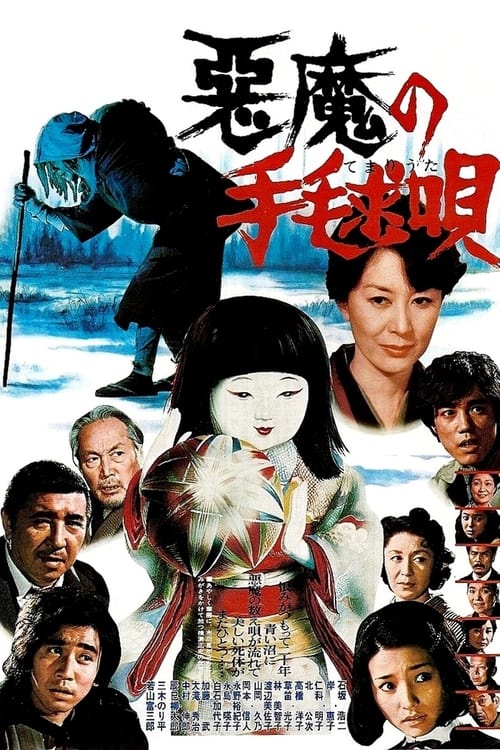
Kôsuke Kindaichi, a somewhat peculiar private detective, visits a remote town. He meets a police detective and they start to investigate an old unsolved murder. Then some murders happen. Kindaichi must find out about the past in order to reveal who the murderer is.
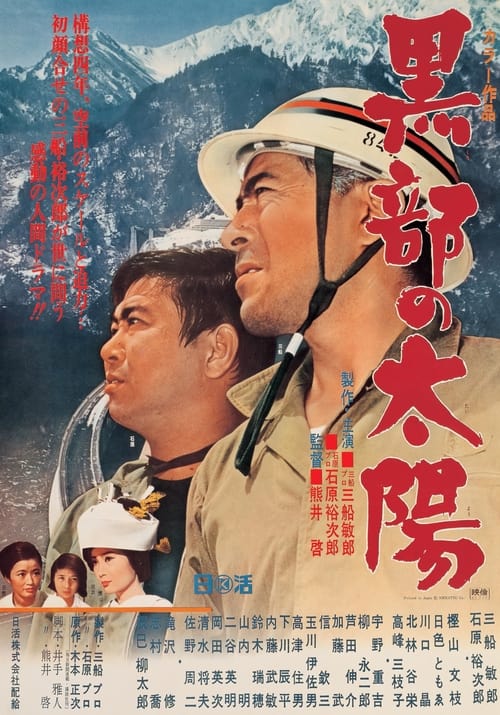
Kitagawa is an engineer charged with construction of a gigantic tunnel through the Japan Alps for the transportation of equipment in the building of the massive Kurobe Dam. The tunnel crosses an earthquake fault and Kitagawa is beleaguered not only by cave-ins and flooding, but by strife between management and the workers's union. Adding to Kitagawa's stress is the knowledge that as his attention is pulled inexorably toward the tunnel construction, his youngest daughter is dying from leukemia.
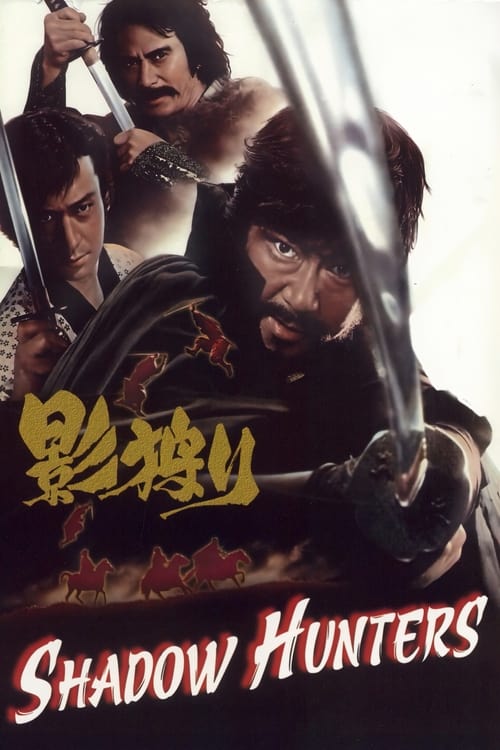
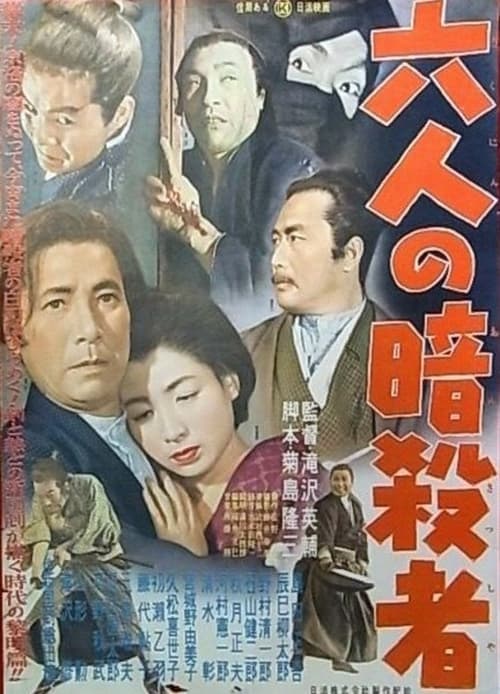
Set during the declining years of the Tokugawa shogunate, Shadow Hunters details the questionably noble exploits of three ronin who act as "Shadow Hunters". These three ronin are not your normal ornery ruffians who are looking for a drink, a broad and someone to jab a sword into, but are in fact former samurai who, rather than follow their destroyed fiefs and murdered masters into death via seppuku, have dedicated their combined sword prowess to stopping the government from raping its daimyos for valuable resources.
The film follows the story of Sugi Toranosuke, a ronin, who returns to his home town of Edo many years after his attempted suicide as a sickly child. Rescued and adopted by a master swordsman, he has grown into a master swordsman and a very kind gentleman. The time is around 1868 the year that the nails were finally put into the coffin containing the feudal system that nurtured and sustained the samurai. Sugi is confused and unsure about what is happening but his teacher wants him out of the chaos of the multiple power struggles between the various clans.
A ronin desperately seeks a way out of financial straits; he allies with the Tosa clan under the ruthless leader Takechi, who quickly takes advantage.
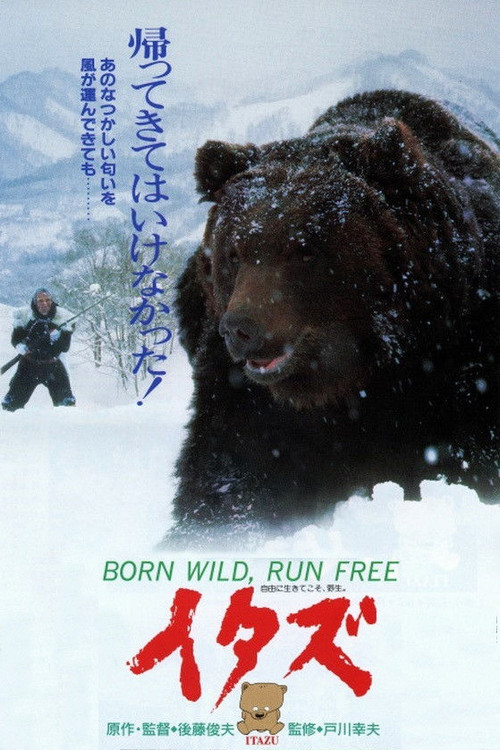
Hunting master Ginzo kills a man-eating bear. When he finds out the bear had a cub, Ginzo decides to raise the cub, but the bear later becomes a troublemaker.
No description available.
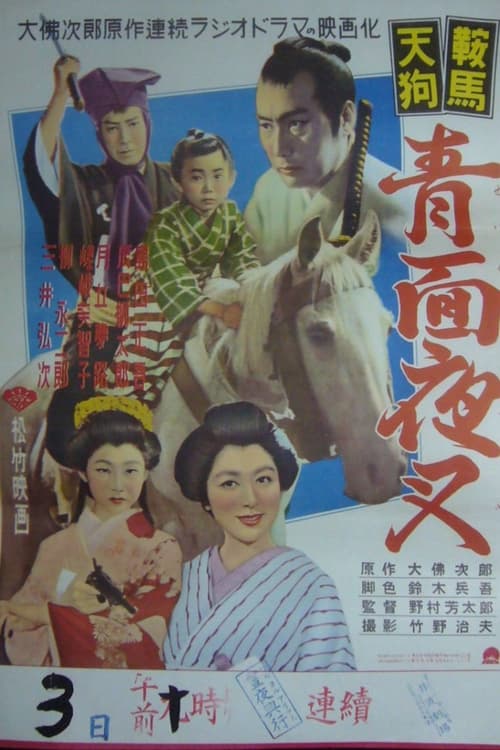
At the end of the Edo period - On his way back after being invited by the three Mikados of Higashi Shirakawa, Kurama Tengu was attacked by the Shinsengumi. Given the circumstances, he began to suspect a connection between the Mikado and the Shinsengumi.
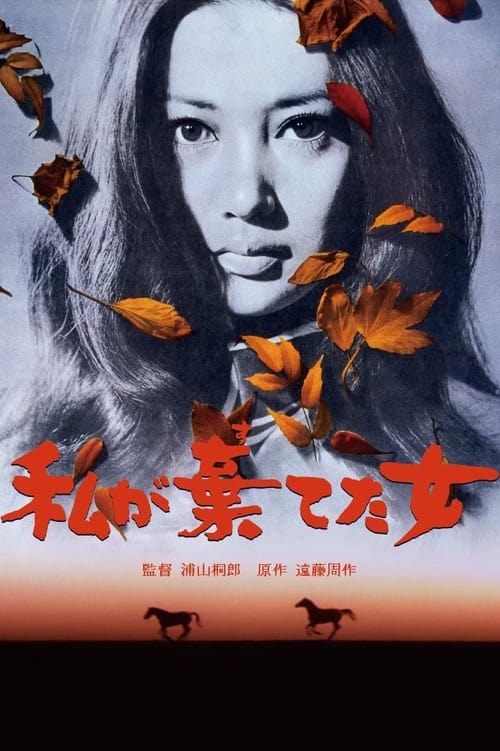
Tsutomu Yoshioka, a Tokyo office worker, is engaged to Mariko, the niece of his company's president. But Yoshioka has a crisis of consence when he remembers his former love Mitsu, a rural girl whom he met and later left while in college. Shimako, a former friend, persuades Yoshioka to meet with Mitsu while she plots to blackmail Yoshioka by photographing the meeting to break up Mariko and Yoshioka.
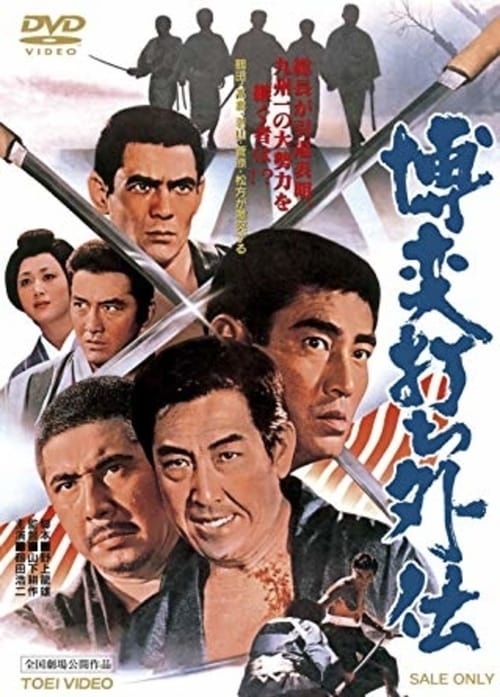
When Omuro Yahachi of the Omuro family is selected as Mutsumikai Soke's successor, the conflict between the Kitakyushu and Wakamatsu begins.
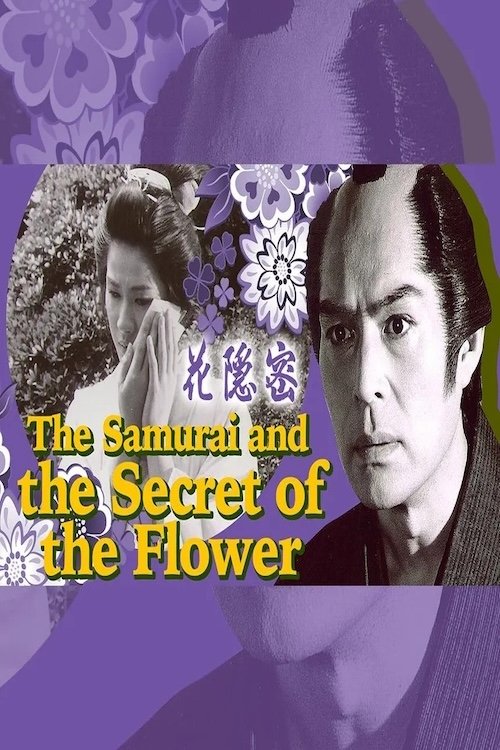
During Ienari Tokugawa's period. Hanakurabe (a playful competition of poetry with flowers in this period) was held to please Shogun (General), and Shiroshobu of the Date family and Higoshobu of the Hosokawa family competed with each other. As a result, the Hosokawa family won and Yahei Tabuki of the Date family killed himself. At the funeral, a beautiful woman (Hibiko Maya) appeared in front of Yahei's son, Yazyuro (Tsuyoshi Kato). The woman said, "I am a woman of the Hosokawa family, and the person who killed your father" and left. To revenge father, he became "Hanaonmitsu" to make a better flower than Higoshobu.
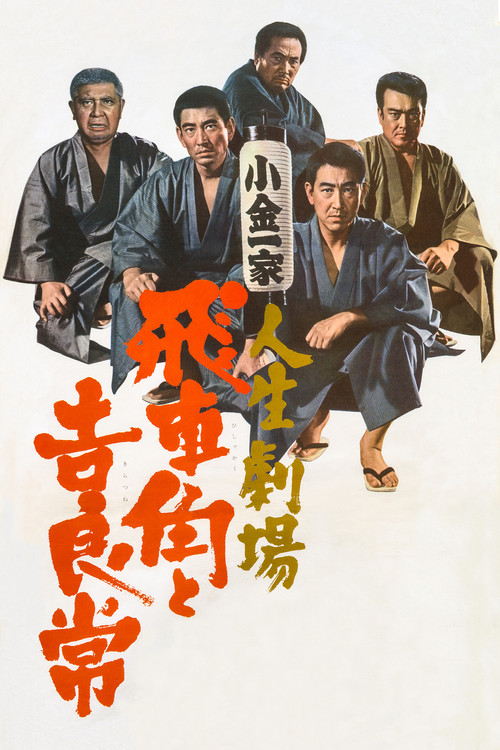
With his penultimate film, Uchida revisited one of his popular prewar titles, 1936’s Theatre of Life, an adaptation of Shiro Ozaki’s eponymous novel. Three-time Seijun Suzuki collaborator Goro Tanada wrote a gangsterized adaptation of Ozaki’s story for Uchida at a time when the yakuza had eclipsed the samurai genre as Toei's main cash crop. Protagonist Hishakaku murders a man in a quarrel over a barmaid and goes to jail. In his temporary absence, his girlfriend Otoyo, a former geisha, falls for Hishakaku’s brother, inciting a dangerous love triangle that, in typical yakuza fashion, ends tragically.
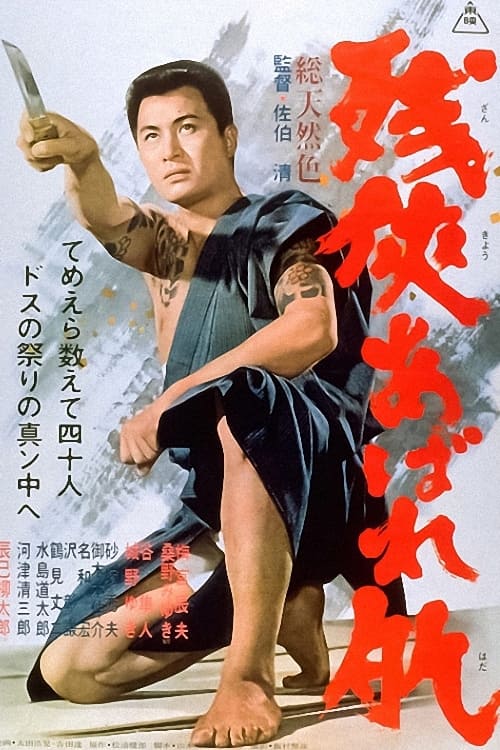
It has been 5 years since Eijiro Kikukawa of the Asakusa Kaminarimon family killed the head of the Suzaki family. Finally he gets out of prison and comes to the city of Odahama, where he had a mistress, Okei, whom he could not forget. He accidentally helped a man named Hanji from the Kurokane family and was received by the family as a guest. And soon Eijiro is involved in a showdown between the yakuza families.
As the reputation of Sasaki Kojiro, who traveled through various provinces with his long sword seeking duels, began to spread, he was summoned by Lord Hosokawa Sansai upon the recommendation of Kokura clan warrior Iwama Kakubei. However, at this time, due to the proposal by Nagaoka Sado, it was agreed that Kojiro would face Miyamoto Musashi in a duel. If he won, Kojiro would officially become the chief instructor, as he desired. Until then, he had a provisional stipend of 500 koku. Learning that Musashi was in Kyoto, Kojiro set off for the city. En route, he was joined by a woman named Shino, who held a grudge against Musashi.