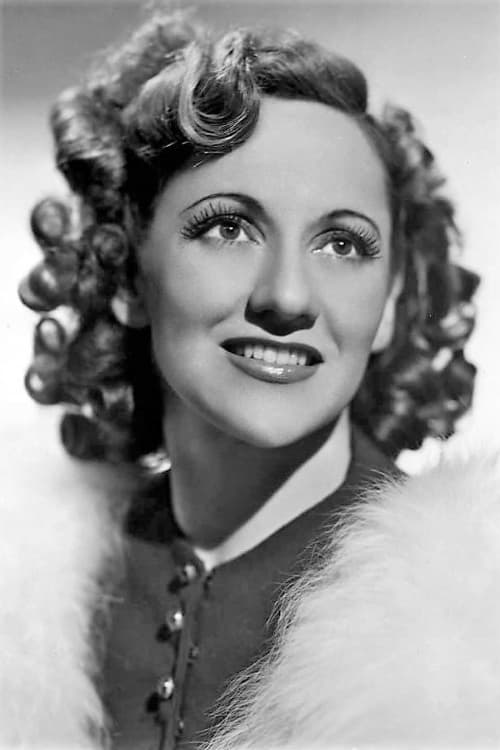
Connee Boswell
Acting
Known For

The Ed Sullivan Show is an American TV variety show that originally ran on CBS from Sunday June 20, 1948 to Sunday June 6, 1971, and was hosted by New York entertainment columnist Ed Sullivan. It was replaced in September 1971 by the CBS Sunday Night Movie, which ran only one season and was eventually replaced by other shows. In 2002, The Ed Sullivan Show was ranked #15 on TV Guide's 50 Greatest TV Shows of All Time.
The Ed Sullivan Show
The Colgate Comedy Hour is an American comedy-musical variety series that aired live on the NBC network from 1950 to 1955. The show starred many notable comedians and entertainers of the era, including Eddie Cantor, Dean Martin and Jerry Lewis, Fred Allen, Donald O'Connor, Bud Abbott and Lou Costello, Bob Hope, Jimmy Durante, Ray Bolger, Gordon MacRae, Ben Blue, Robert Paige, Tony Curtis, Burt Lancaster, Broadway dancer Wayne Lamb and Spike Jones and His City Slickers.
The Colgate Comedy Hour
“The Bell Telephone Hour” was a musical variety show that aired on “NBC” TV from 12 January 1959 to 14 June 1968 that showcased the best in Broadway, Classical, Concert, Jazz and Popular music each week. The series had its’ own house band appropriately named the “Bell Telephone Orchestra”. The show also had its’ own theme song being the “Bell Waltz” composed by “Donald Voorhees” who was also the show's Orchestra conductor. Some of the greatest violinists of the 1960’s performed on this show that aired in the old “Black & White” format. Some of these great violinists included “Erica Mornin”, “Isaac Stern", "Michael Rabin", "Ruggiero Ricci", "Yehudi Menuhin" and "Zino Francesacatti". From time to time some of the great singers and bandleaders of the 1960’s would perform on the show as well. Some of these were “Bing Crosby”, “Gordon MacRae”, “John Gary”, “Leslie Uggams”, “Mary Martin”, “Nelson Eddy”, “Patti Page” and “Roy Rogers”. The TV show followed on the heels of its’ predecessor with the same name on “NBC” radio that aired from 29 April 1940 to 1958 on Monday nights at 8 PM. The name of the show was derived from its’ Major sponsor “Bell Telephone Laboratories”. The TV version began airing on Friday nights at 8:30 PM once a month. It later was given it’s same time slot now airing every other week alternating with another show on the other weeks such as News shows and specials. The show time slot changed quite often over the years. In September 1960 it aired at 9 PM and in September 1961 it moved to 9:30 PM. In October 1963 it moved to Tuesday nights at 10 PM, September 1965 it moved to Sunday night at 6:30 PM and in September 1967 it made its' final move back to Friday night at 10 PM.
The Bell Telephone Hour
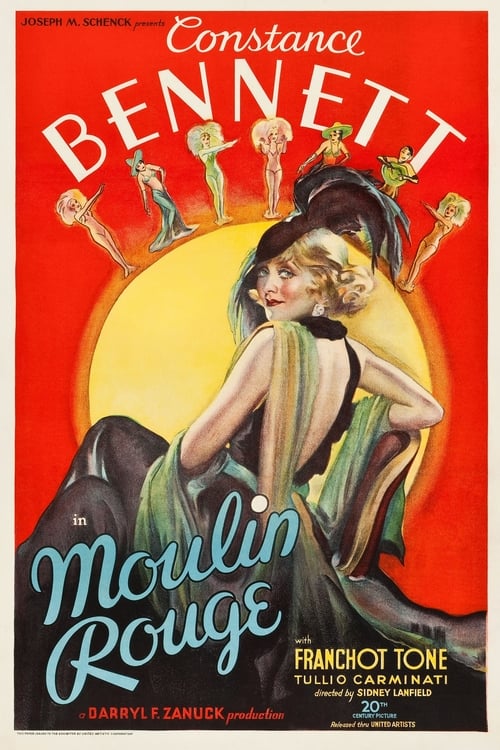
A singer marries a famous composer, and after a while she gets the itch to go back on the stage. However, her husband won't let her. When she hears that a popular French singer named "Raquel" is coming to New York, she decides to go to Raquel with a plan--unbeknownst to her husband, "Raquel" is actually her sister, and her plan is for them to switch places so she can fulfill her dream of going back on the stage. However, things don't go quite as planned.
Moulin Rouge

An ad man gets his model girlfriend to pose as a debutante for a new campaign.
Artists & Models
Pete Kelly's Blues was a television series starring William Reynolds that aired in 1959. It was created by Jack Webb, based on his 1951 radio series of the same name.
Pete Kelly's Blues
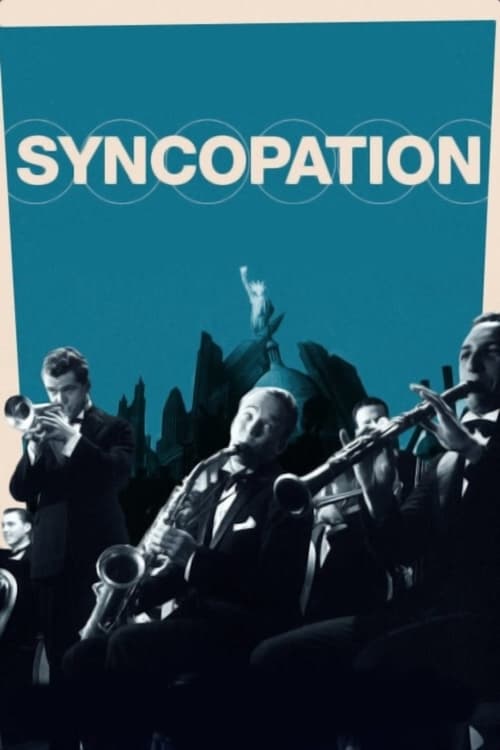
A young trumpeter rises through the jazz world and finds love.
Syncopation
A series of vignettes with a loose plot. Featured are Frank Morgan, Groucho Marx, Frank McHugh, Robert Benchley and The Brian Sisters. Not bad, more interesting for the historical significance than for entertainment.
Sunday Night at the Trocadero

The top brass at a radio station believe their popular new star singer is paying more attention to his love life than to his career.
The Big Broadcast
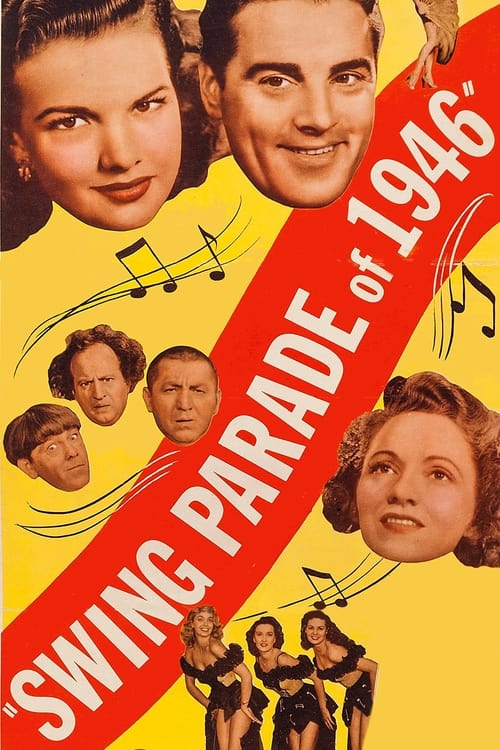
A struggling young singer falls for a nightclub owner whose father, a millionaire, is trying to shut it down.
Swing Parade of 1946
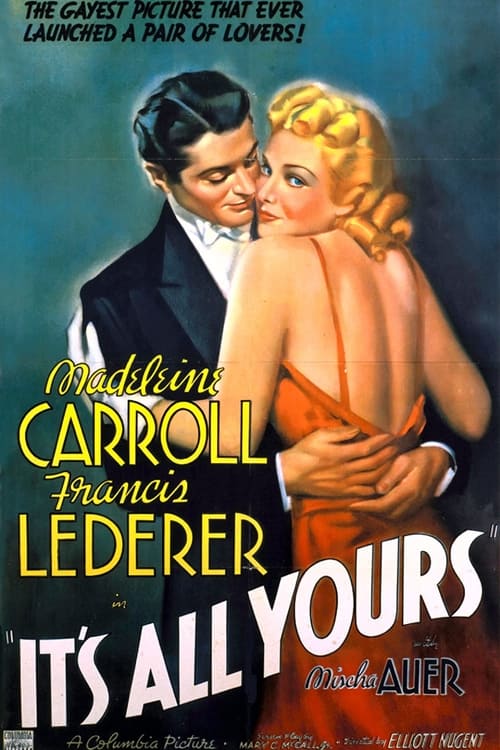
Jimmy Barnes arrives from Europe to be educated by his multi-millionaire uncle, Edward J. Barnes and in five years the extravagant escapes of Jimmy, now a lawyer, are the talk of San Francisco. Linda Gray is a mouse-like secretary to the elder Barnes who has fallen in love with Jimmy, but he favors actress Constance "Connie" Marlowe. Mr. Barnes dies and leaves everything to Linda but he has urged his partner, Alexander Duncan, to plan things so that Jimmy and Linda will get married. Coached by Duncan, Linda accepts the inheritance and announces that she is departing for New York on a wild spending spree. He tells Jimmy that the will can be broken but only after many months and he suggests that Jimmy follow Linda and curb her spending or there won't be any money left. In New York, Linda hires Jimmy as her private secretary. Connie also arrives in New York, as does the ingenious Baron Rene de Montigny with the intention of marrying the wealthy Miss Gray.
It's All Yours
Part of Paramount Headliner: Hollywood Star Reporter series
The Star Reporter in Hollywood
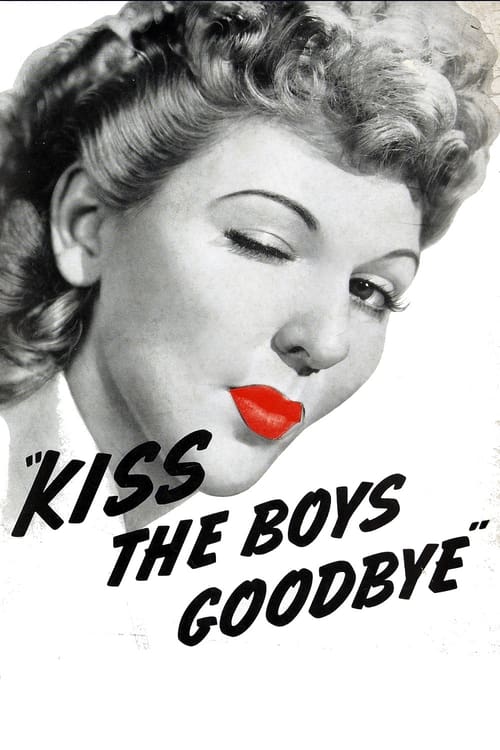
New York chorus girl Cindy Lou Bethany becomes frustrated when she prepares for an audition for a Broadway musical, but the auditions close and her roommate, Gwen Abbott, is hired to be secretary to Top Rumson, the show's financial backer. Gwen tells Cindy that the director, Lloyd Lloyd, and composer, Dick Rayburn, have been sent to the South on a talent search for a classic Southern belle type to star in the show, although their shows usually feature Myra Stanhope, an actress whose style is hopelessly inappropriate for this show. Desperate for work, Cindy returns to her aunt Lily Lou and uncle Jefferson Davis Bethany's home in the South and schemes to get Lloyd and Rayburn to audition her.
Kiss the Boys Goodbye
Jerry Wald has to write about radio, visiting Sid Gary gives him the tip it might be more easy for him to write this article at the radio station than at his newspaper office. At the studio they listen to the Boswell Sister's rehearsal, which is interupted by some not so friendly remarks by orchestra leader Abe Lyman, they listen at the door, where a Colonel Stoopnagel broadcast is prepared, as well as to the rehearsal of a new song for an broadcast by Kate Smith.
Rambling 'Round Radio Row #1
The Boswell sisters are trying to improve agricultural production on a farm by singing.
Close Farm-ony

Fire chief Bimbo is called to a house on fire, and rescues the Boswell Sisters and their piano, who start performing "When It's Sleepy Time Down South".