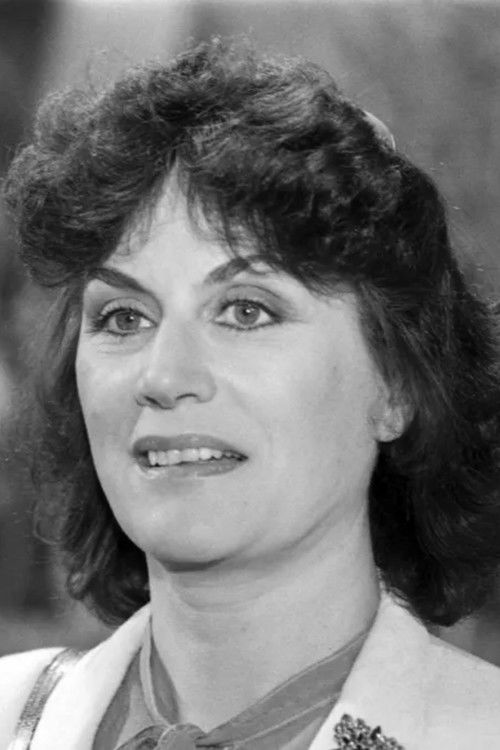
Bárbara Fazio
Acting
Known For

No description available.
Coração Alado

The plot revolves around a love triangle between Rosemere, Rafaela, and Herbet Alvaray. They are unaware of the same man's presence in their lives and, due to fate, become friends.
Brega & Chique

After an unjust imprisonment, friends return to the town of Remanso, facing betrayals and lost loves, while battling a corrupt lawyer.
Bachelor Party

No description available.
Meus Filhos, Minha Vida

No description available.
Um Homem Muito Especial

No description available.
Terras do Sem Fim
No description available.
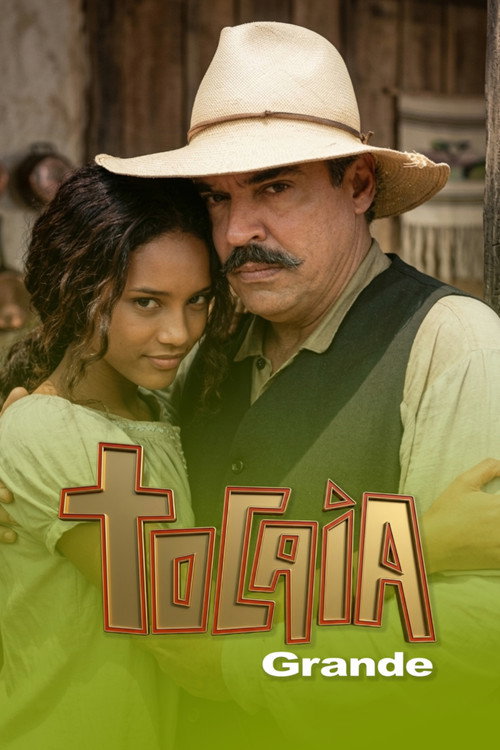
Tocaia Grande

No description available.
Os Ossos do Barão

No description available.
A Filha do Silêncio

No description available.
Memórias de um Gigolô
No description available.
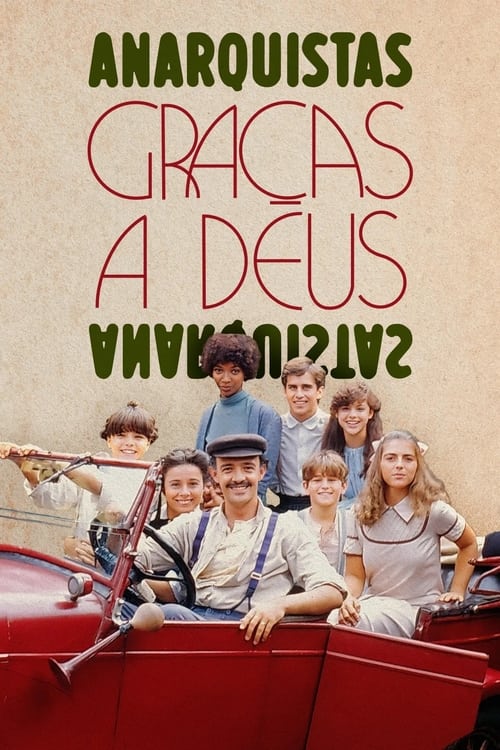
Anarquistas, Graças a Deus
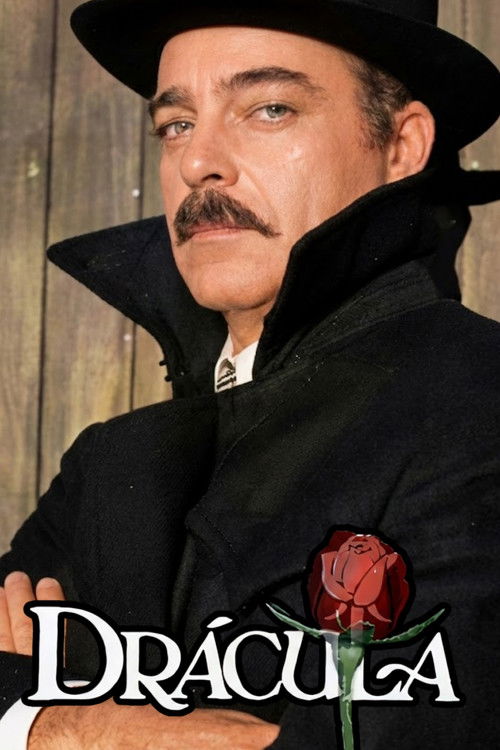
Count Dracula, taking on the new identity of Vladimir, leaves Transylvania and goes to Brazil in search of his son Rafael. This vampire romance was conceived to be a potential telenovela, but only ended up running as a TV miniseries with four installments because the network that financed it went under.
Dracula, a Love Story
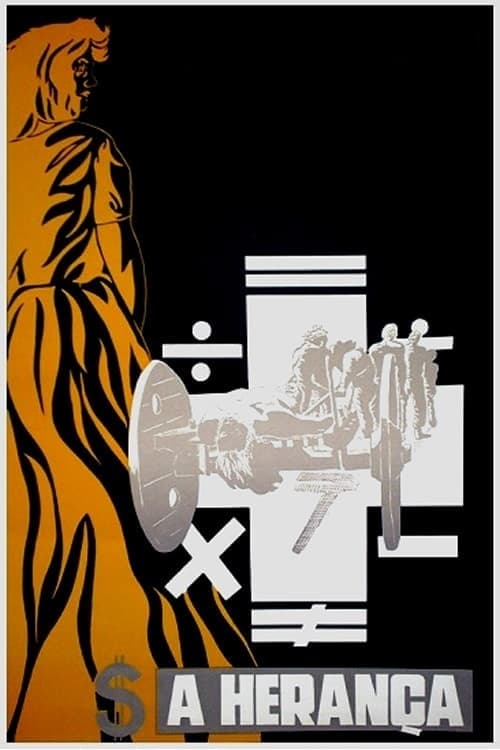
An experimental adaptation of Hamlet to Brazil's rural areas. Farmer's son returns home after his father's death and can't stand the thought of his mother marrying his uncle.
The Inheritance

Yet another Godfrey Ho-scripted / Joseph Lai-produced / IFD-distributed "cut-and-paste" job. This one takes much of its footage from the 1983 Brazilian movie Doce Delirio and adds new and unrelated martial arts footage shot by Phillip Ko.
Official Exterminator 3: Joy for Living Dead
No description available.
Senhora
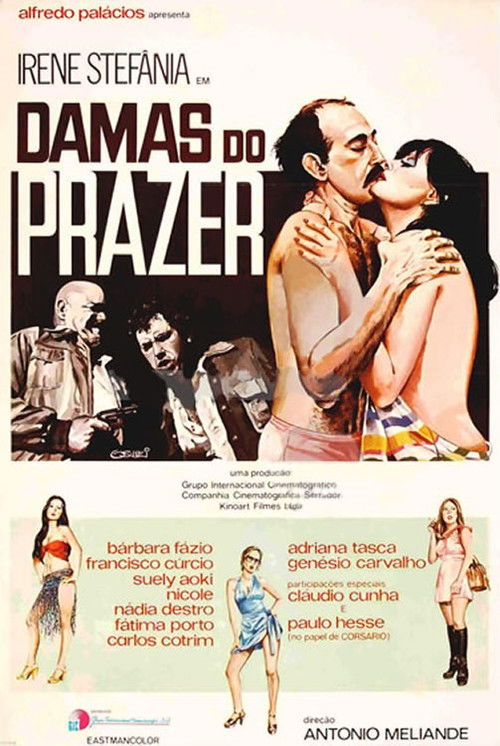
In the underworld of "Boca do Lixo" in São Paulo, a heterogeneous group of prostitutes turns an alley into a meeting point where customers are attracted. They are women who sell themselves to men of all classes. Surrounded by drunks, addicts, bandits, drug dealers and pimps, together they form a gallery of characters put together by affliction and disappointment. Cora, an older woman who works to support her paralytic son. Beth, kind of a leader, who had to prostitute herself at an early age after leaving her small country town. Sônia, the most intelligent of the group, who lets herself be exploited by a ruffian. Brigite, daughter of factory workers. Vera, who just started in the profession. In addition to the drama of these women, there are many others who give themselves daily to customers who ignore their fate
Damas do Prazer
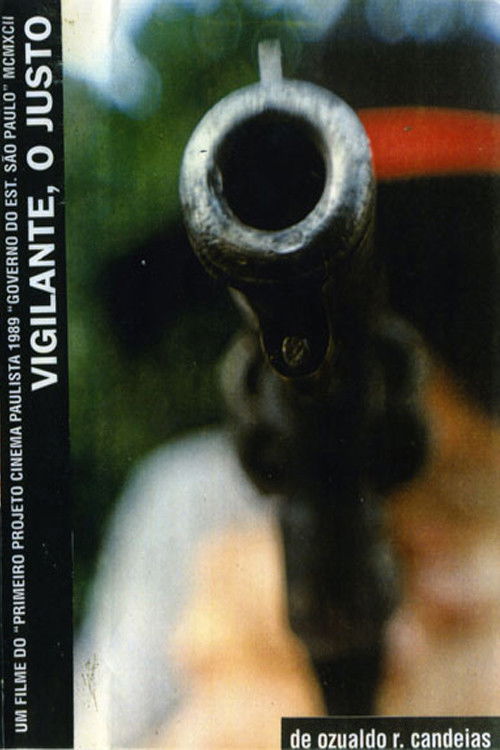
An unemployed man gets a job as night watchman that puts him in the middle of the rising violence in his neighborhood.
O Vigilante
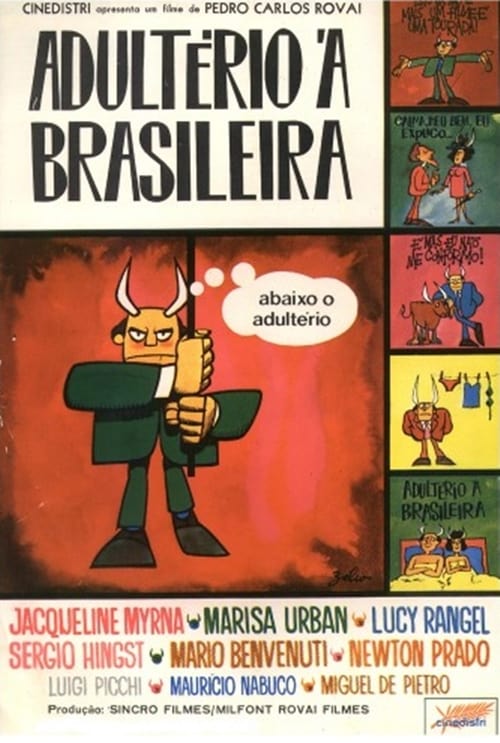
Feature film that brings together three episodes. In "The Signature", a worthless husband tries to rip out his wife's signature to close a deal. "The roof" shows the hardships of a workman who suspects that his wife is dating a trucker. In "The Recipe" a civil servant brags about himself to his friends while his wife goes out with a student.
Adultery Brazilian Style
No description available.
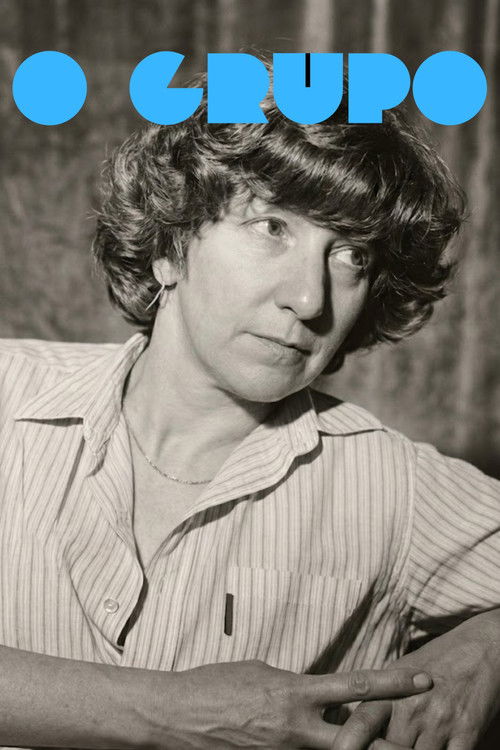
O Grupo

No description available.