Larry Taylor
Acting
Biography
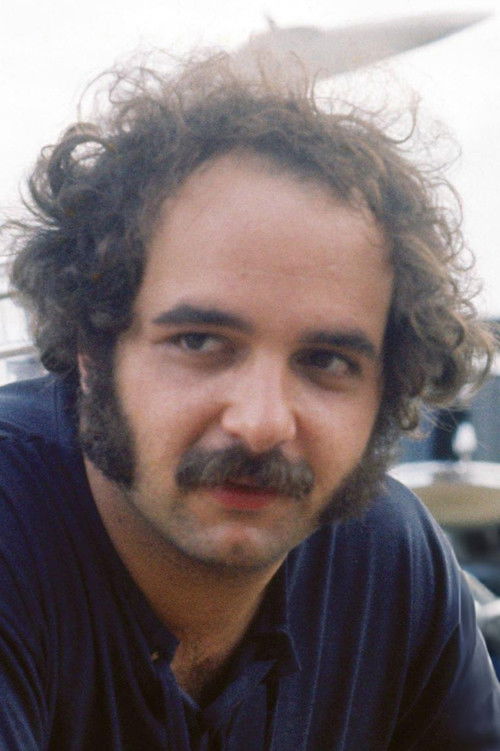
Samuel Lawrence Taylor (June 26, 1942 – August 19, 2019) was an American bass guitarist, best known for his work as a member of the blues rock band Canned Heat. Before joining Canned Heat, he had been a session bassist for The Monkees and Jerry Lee Lewis. He was the younger brother of Mel Taylor, longtime drummer of The Ventures. Taylor played bass guitar in The Gamblers, one of the first rock groups to play instrumental surf music. Its personnel also included Elliot Ingber, a future member of Frank Zappa's Mothers of Invention, Fraternity of Man and Captain Beefheart's The Magic Band; Bruce Johnston, half of the Bruce and Terry duo with Terry Melcher from 1962–66 and longtime "sixth" member of The Beach Boys, for a time brother Mel Taylor, and guitarist-songwriter-bandleader Derry Weaver, who would record and perform in several capacities during the early 1960s. The Gamblers had a local hit in the Los Angeles area with "Moon Dawg" and Taylor played on the recording. Taylor played bass for Jerry Lee Lewis in 1961: Taylor played bass on the majority of the albums produced by The Monkees including; The Monkees (1966), More of the Monkees (1967), The Monkees Present (1969), Instant Replay (1969), and Changes (1970). He would play bass on their hit "Last Train to Clarksville." Taylor was asked to join Canned Heat in 1967 after receiving a phone call from member Henry Vestine to join on bass. Taylor played with Canned Heat from 1967 to 1970, and appeared with them at various festivals including the Monterey International Pop Festival and Woodstock. The band's manager, Skip Taylor, gave each member of the band a nickname connected to an animal. Larry's band nickname was "The Mole." In addition to playing bass, he also played lead guitar on occasion. An example can be heard on the track "Down in the Gutter, But Free", on the album Hallelujah. In 1970, when John Mayall moved to Los Angeles, Taylor and Mandel quit Canned Heat to join him in the Bluesbreakers. Taylor served the longest tenure as a member of the Bluesbreakers in the 1970s (1970–1977). After the Bluesbreakers tours in 1977, Taylor played briefly with the Sugarcane Harris Band (later called Pure Food and Drug Act) When he left John Mayall in 1977, Taylor started studying playing upright bass. Taylor became a leading exponent and practitioner of the acoustic upright bass in the contemporary blues scene. He was quite prominently seen with his upright bass in the live blues film, Lightning in a Bottle. He started playing upright bass with Rod Piazza, eventually cutting ties with him when Honey Piazza started getting involved as he thought that "she couldn't play" and "she was horrible" Larry Taylor died at his home in Lake Balboa, Los Angeles on 19 August 2019 at the age of 77 after a 12-year long battle with cancer. He was survived by his wife Andrea and their three children.