Camera
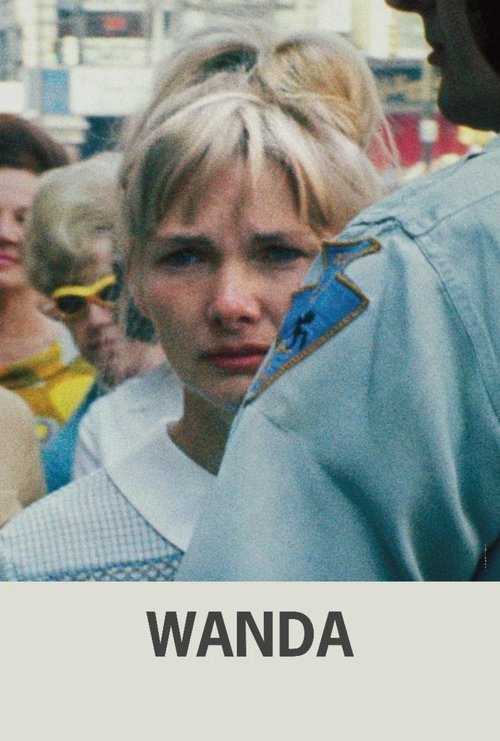
After a string of abusive relationships, Wanda abandons her family and seeks solace in the company of a petty criminal.
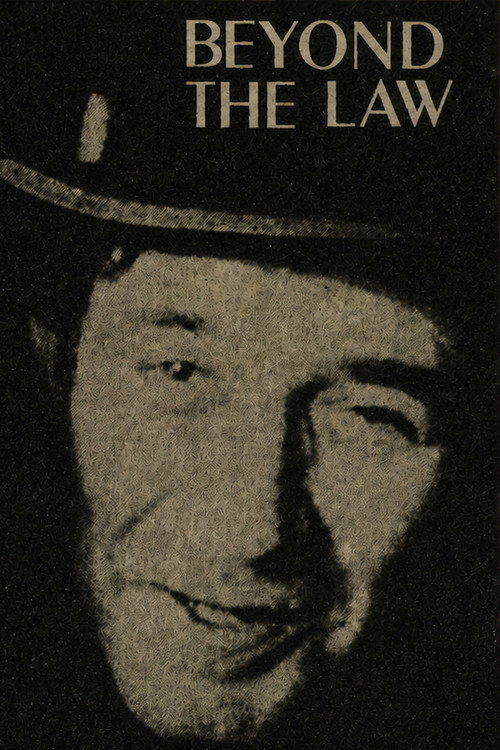
Bill, Martha and their little child Hal are spending a quiet winter Sunday in their cosy house when they get an unexpected visit from Mike Nickerson and Tony Rodriguez. Mike and Tony are old acquaintances of Bill; a few years back, in Vietnam, they were in the same platoon. They also became opposed parties in a court martial - for a reason that Bill never explained to Martha. What happened in Vietnam, and what is the reason for the presence of Mike and Tony ?
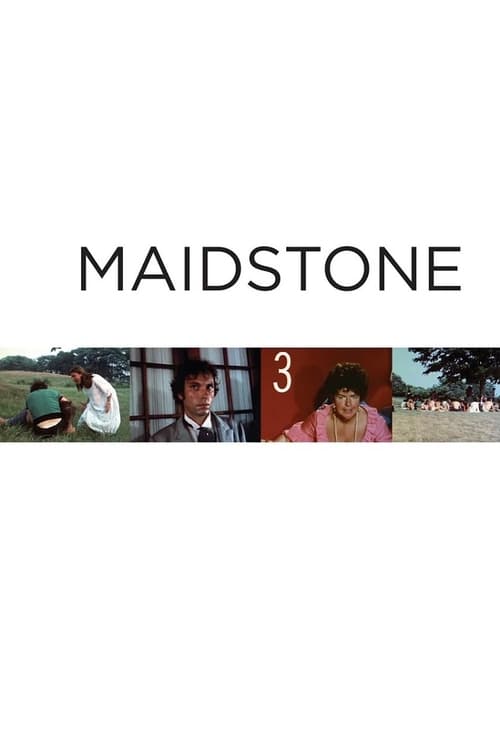
Over a booze-fueled, increasingly hectic five-day shoot in East Hampton, Norman Mailer and his cast and crew spontaneously unloaded onto film the lurid and loony chronicle of U.S. presidential candidate and filmmaker Norman T. Kingsley debating and attacking his hangers-on and enemies. This gonzo narrative, “an inkblot test of Mailer’s own subconscious” (Time), becomes something like a documentary on its own making when costar Rip Torn breaks the fourth wall in one of cinema’s most alarming on-screen outbursts.
An ex-Navy man carrying out the last wish of a dying shipmate renews contact with old friends to break the code of silence around a mysterious, long-buried crime.
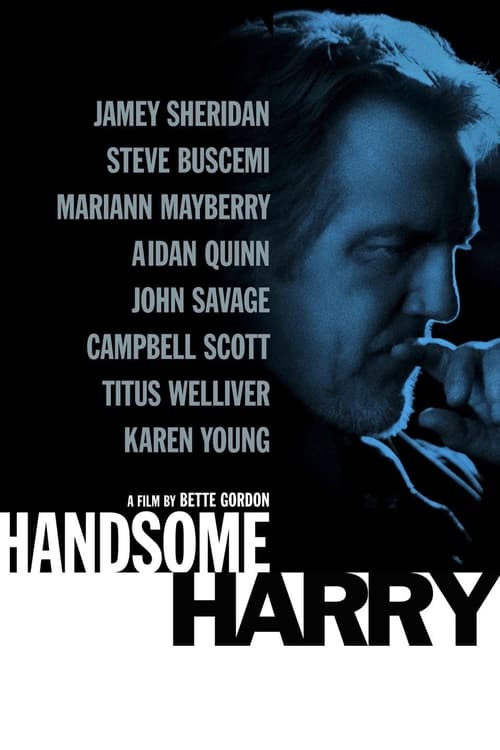
Takes place over the course of one feverish night in a Manhattan police precinct and neighboring bar.
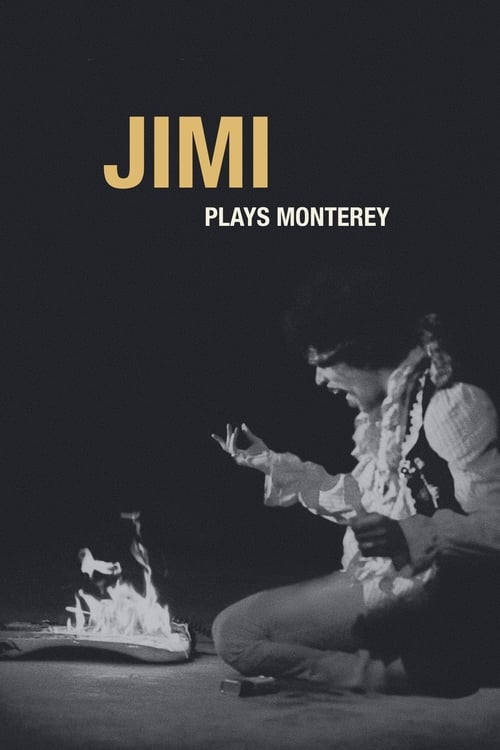
Jimi Hendrix's debut American set at 1967's Monterey Pop Festival is generally considered one of the most radical and legendary live shows ever. Virtually unknown to American audiences at the time, even though he was already an established entity in the UK, Hendrix and his two-piece Experience explode on stage, ripping through blues classics "Rock Me Baby" and Howlin' Wolf's "Killing Floor," interpreting and electrifying Bob Dylan's "Like a Rolling Stone," debuting songs from his yet-to-be-released first album and closing with the now historic sacrificing/burning of his guitar during an unhinged version of "Wild Thing" that even its writer Chip Taylor would never have imagined. Hendrix uses feedback and distortion to enhance the songs in whisper-to-scream intensity, blazing territory that had not been previously explored with as much soul-frazzled power.
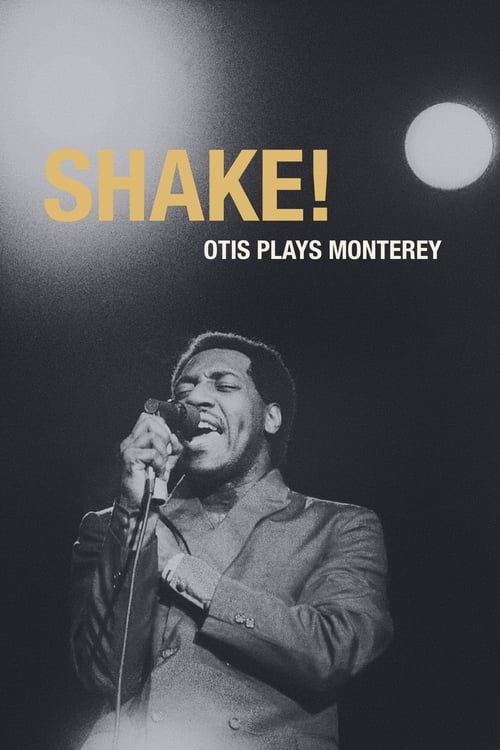
Renowned documentary filmmaker D.A. Pennebaker captures Otis Redding in his ascendancy, singing at the historic Monterey International Pop Festival in June 1967. Comedian Tom Smothers introduces Redding to a crowd that is leaving -- until Redding grabs them with his charged rendition of "Shake." Redding's performance also includes "Respect" (which he wrote), "I've Been Loving You Too Long," "Satisfaction," and "Try a Little Tenderness." Tragically, Redding died in a plane crash six months later. An innovative filmmaker who started in the 1950s making experimental films, Pennebaker garnered an Oscar nomination for Best Documentary Feature in 1993 for The War Room, his behind-the-scenes look at Bill Clinton's 1992 campaign. His other subjects have included Norman Mailer, Bob Dylan, and David Bowie.
During a two-day period before and after the University of Alabama integration crisis, the film uses five camera crews to follow President John F. Kennedy, attorney general Robert F. Kennedy, Alabama governor George Wallace, deputy attorney general Nicholas Katzenbach and the students Vivian Malone and James Hood. As Wallace has promised to personally block the two black students from enrolling in the university, the JFK administration discusses the best way to react to it, without rousing the crowd or making Wallace a martyr for the segregationist cause. Preserved by the Academy Film Archive in partnership with The Film Foundation in 1999.
In conversation with Roy Lichtenstein, critic Lawrence Alloway places Pop Art on a continuum of twentieth-century art that includes collage, Dada, and Purism in referring to signs and objects of contemporary society; Lichtenstein argues for distinctions between himself, Warhol, Oldenburg, and others. In his Long Island studio, Lichtenstein works on an elaborate composition; one of his 4 major paintings on the theme "The Artist's Studio."
Film about vandalism made for classroom exhibition
The Westward movement — and a woman's perspective of that movement — emerges in the dramatic story of Delilah Fowler's first year on the Kansas frontier in 1869. Based on diaries of the period, the program reveals the cruel violence, and even crueler loneliness, which early settlers encountered — but above all, it shows the quiet courage of those who lived it.
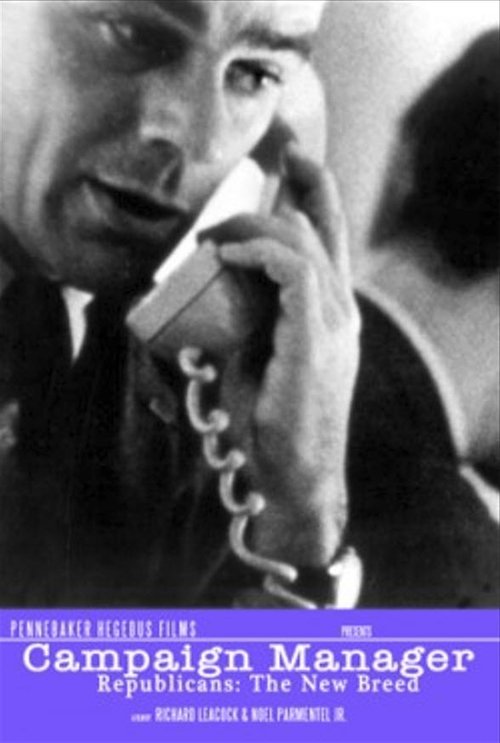
This brief portrait follows 28-year-old campaign manager John Grenier as he maps out strategies for Barry Goldwater’s 1964 presidential run and engineers a takeover of the Republican convention.